
 By Ali Ikhwan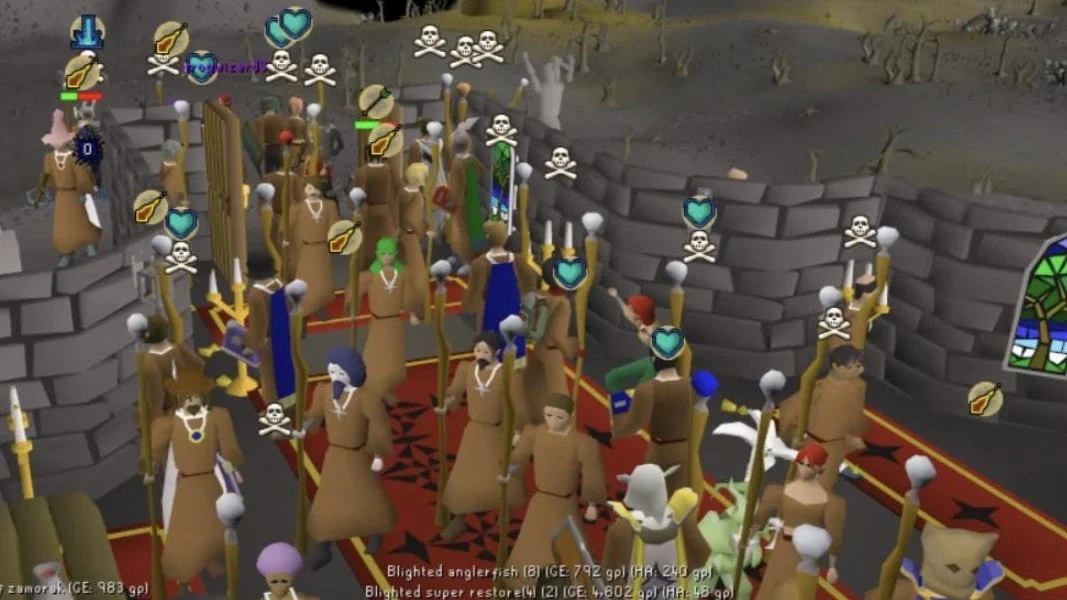
The digital plains of Gielinor, the setting for the long-standing MMORPG Old School RuneScape (OSRS), are currently echoing with the sounds of a conflict not orchestrated by developers, but by the players themselves. In a remarkable display of community-driven storytelling, thousands of users have taken it upon themselves to reignite the "God Wars"—a narrative cornerstone of the game—through spontaneous, large-scale roleplay raids that are turning the game’s infamous Wilderness into a theatre of religious fanaticism.
The Call to Arms: A New Era of Organic Conflict
For those uninitiated in the lore of Old School RuneScape, the God Wars represent a cataclysmic era in Gielinor’s history. It was a time when deities like the lawful Saradomin and the chaotic Zamorak engaged in a brutal, world-altering struggle for dominance. While the game’s official content has long featured a static dungeon where this war is immortalized, the modern player base has decided that history is meant to be lived, not just read.
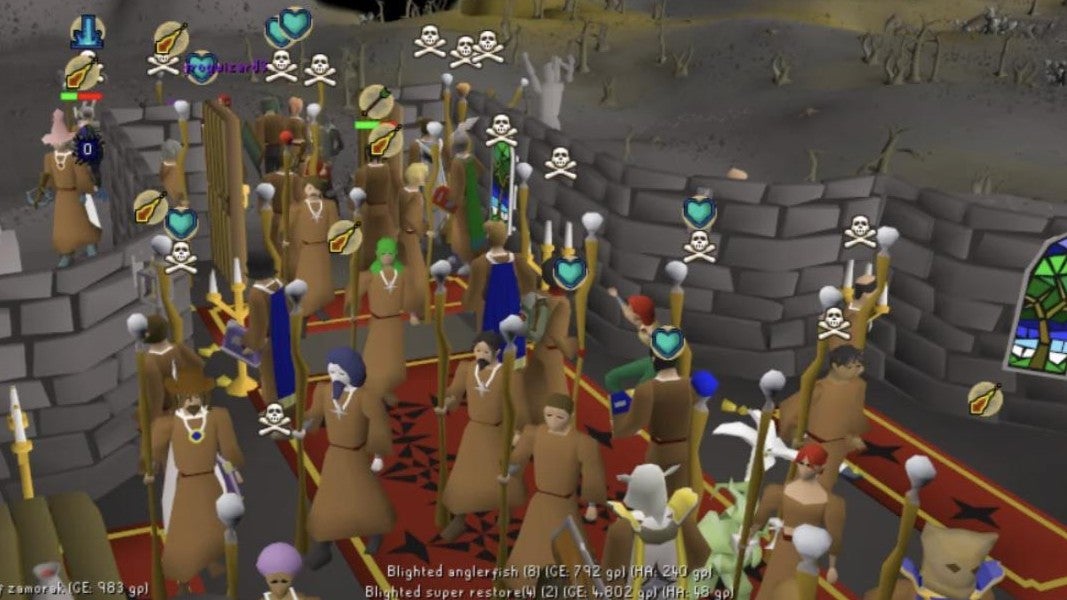
Over the past week, the community has seen an influx of organized pilgrimages. The most prominent faction, the followers of Saradomin, have been spotted gathering in massive numbers at the Edgeville monastery. Donning the traditional brown robes of the order and armed with simple air staves—a nod to the aesthetic of the early game—these players have been flooding the Wilderness in search of glory.
Their inventories are not filled with the game’s most powerful weapons or life-saving brews. Instead, they carry cooked lobsters and the unwavering conviction of the faithful. This is not a raid for loot or experience points; it is an act of pure, unadulterated roleplay.
Chronology of the Conflict
The current wave of hostilities began as a series of disparate social media posts on platforms like Reddit and X (formerly Twitter). What started as a joke—"Let’s dress up like monks and charge the Wilderness"—quickly gained momentum.
- The Initial Pilgrimage: Last weekend, hundreds of players convened at the Edgeville monastery. They marched in unison toward the Wilderness, a high-risk PvP zone where players can attack and kill one another. Their target was the Revenant Caves, a notorious hotspot known for high-tier player-versus-player (PvP) combat and lucrative rewards.
- The Besiegement: The "Saradominists" successfully breached the caves, asserting their presence in an area usually dominated by high-level "gankers" and treasure hunters. The sight of a hundred brown-robed monks swarming the caves proved to be a surreal, chaotic spectacle that drew in spectators from across the server.
- The Chaos Temple Climax: The procession eventually concluded at the Chaos Temple, a location steeped in the lore of Zamorak. By occupying this sacred space, the Saradominists effectively claimed victory for the first round, setting the stage for an inevitable counter-offensive.
- The Escalation: As of this writing, an official "Call to Arms" has been issued by the followers of Zamorak. They have mobilized their own ranks, trading the modest brown robes of the monks for the sleek, menacing red garments associated with the forces of chaos. A massive confrontation is scheduled for this coming weekend on World 331, promising to be the largest player-organized battle seen in the game in recent years.
The Mechanics of Faith: Why Players Choose RP Over Efficiency
In an era where MMORPG gameplay is often dominated by "meta-gaming"—the pursuit of the most efficient path to maximum experience and gold—these events serve as a poignant reminder of the "juice" that makes the genre special.
There are no in-game rewards for participating in these raids. The gear involved is inexpensive, and the time spent marching through the Wilderness could be spent earning millions of gold coins elsewhere. Yet, the turnout continues to grow. This phenomenon highlights a shift in player priorities, suggesting that for a significant portion of the community, the social and narrative experience outweighs the grind.
The lack of systemic incentive is exactly what makes these events "pure." Because there is no developer-imposed quest marker or loot box waiting at the end, the players are truly acting out of a desire for connection. They are creating their own content, transforming a stagnant map into a living, breathing world.
Supporting Data and Community Impact
The logistics of these events are managed entirely via third-party channels. Discord servers have been established to coordinate the movements of the various factions, with "Generals" designated to manage the flow of the masses.
While exact numbers are difficult to quantify due to the decentralized nature of the event, anecdotal evidence from community forums suggests that hundreds of players are participating in each wave. This surge in activity has also revitalized the areas surrounding the Wilderness. Players who were not part of the event found themselves caught in the middle of the "Holy War," leading to a unique emergent gameplay scenario where neutral parties were forced to choose sides or risk being trampled by the sea of robes.
Furthermore, the impact on the player market has been negligible, which is a testament to the fact that this is a hobbyist movement rather than a gold-farming operation. The most popular items—brown robes and air staves—have seen minor price fluctuations, but nothing that would indicate a market manipulation attempt.
Official Stance and Developer Silence
To date, Jagex, the developers behind Old School RuneScape, have remained largely silent on the event. This is likely the best course of action. In the world of MMORPGs, developer intervention in player-led events often acts as a catalyst for "theme-park" fatigue. By allowing the players to manage the conflict themselves, Jagex is fostering a sense of ownership that few other games can replicate.
Historically, Jagex has been supportive of the community’s roleplaying initiatives, occasionally highlighting them in their weekly "Old School Gazette." However, by staying out of the way, the developers are allowing the narrative to remain entirely in the hands of the players, ensuring that the "God Wars" feel organic rather than scripted.
Implications: The Future of Player-Led Storytelling
The success of this movement carries significant implications for the future of the MMORPG genre. As modern titles struggle to keep players engaged through content updates, Old School RuneScape continues to prove that the most compelling content is often that which the players create themselves.
The "Saradomin vs. Zamorak" conflict demonstrates that the social layer of an MMO is its most valuable asset. If players are willing to organize, dress up, and march into danger for no tangible gain, it suggests that there is a massive, untapped appetite for tools that facilitate this kind of emergent gameplay.
Future updates to the game could potentially lean into this, providing players with better tools for faction management, clan-based event scheduling, or even in-game roleplay hubs. However, even without those tools, the community has shown that they will find a way.
Conclusion: A Testament to the MMO Spirit
As we look toward the clash on World 331, it is clear that the "Holy War" is more than just a bit of fun. It is a revival of the classic MMORPG spirit—a spirit of cooperation, absurdity, and shared purpose.
Whether you align yourself with the humble followers of Saradomin or the fierce devotees of Zamorak, the message is clear: the Wilderness is no longer just a place to die. It is a place to live, to fight, and to write the next chapter of Gielinor’s history. In a world of cold, calculated pixels, these players have found a way to inject warmth, passion, and a little bit of divine chaos into the game they love.
 Lina Irawan
  Asep Darmawan
  Nana Wu