
 By Pevita Pearce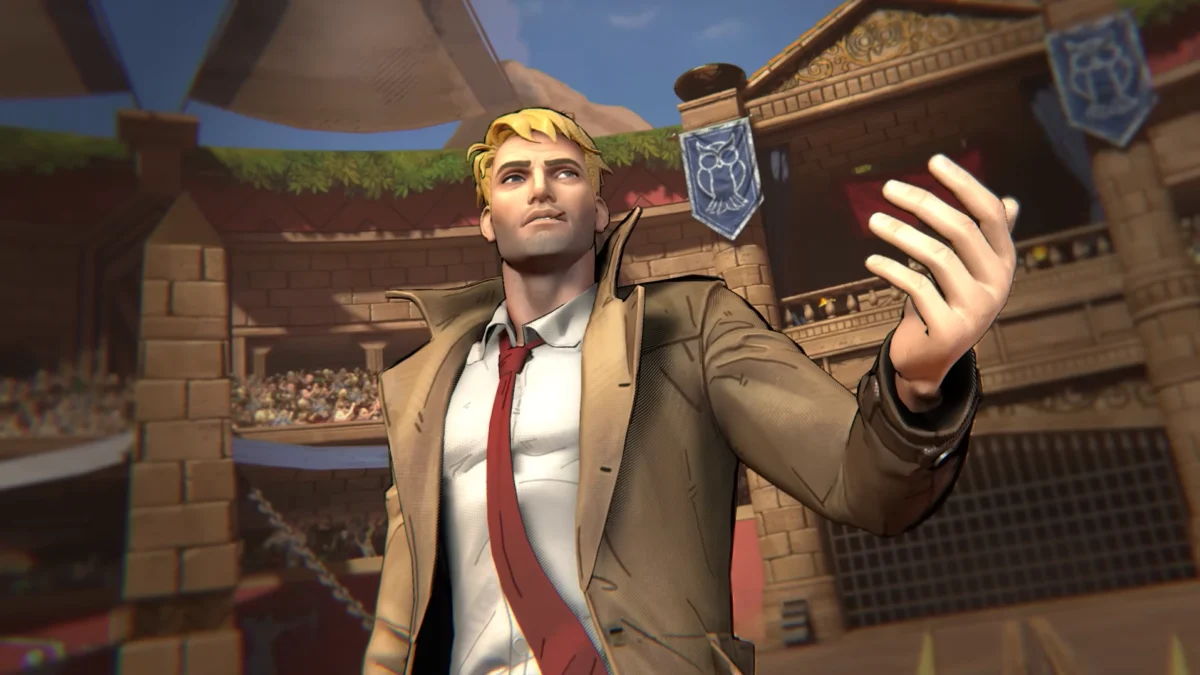
The gaming landscape is witnessing a seismic shift as mobile platforms continue to dominate the industry’s growth metrics. In a bold move to capture this massive, accessible audience, indie developer Dropfake has officially announced DCKO, an upcoming free-to-play, 2v2 tag-team fighting game set within the sprawling DC Universe. While the announcement has been met with a mixture of confusion, amusement, and genuine curiosity, the project signals a significant strategic pivot for DC-licensed interactive media.
The Core Facts: What We Know About DCKO
DCKO (officially stylized as an acronym for the DC Universe) is being positioned as a competitive, fast-paced brawler designed specifically for mobile devices. Unlike the heavy, narrative-driven experiences typical of console-bound fighting games, DCKO appears to prioritize pick-up-and-play accessibility, tag-team mechanics, and an aesthetic that leans heavily into vibrant, comic-book-inspired visuals.
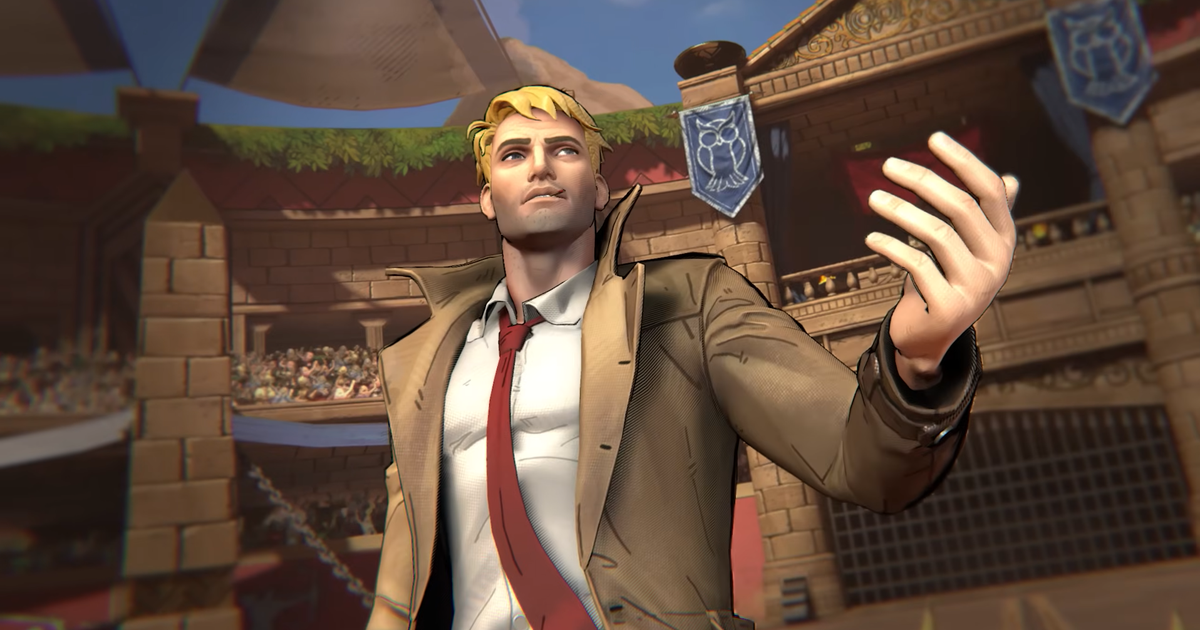
The title is currently in development at Dropfake, a studio that has embraced the challenge of adapting the legendary roster of DC Comics—ranging from the dark, supernatural corners inhabited by John Constantine to the iconic heights of the Justice League—into a mobile-first environment.
The game is slated for a 2025 release. While the studio has kept the mechanical depth and specific character roster largely under wraps, the official announcement trailer offers a glimpse of high-octane combat. Pre-registration is now open via the game’s official website, providing interested players with a portal to sign up for upcoming beta testing phases and further development updates.
A Chronology of the Announcement and Viral Reception
The announcement of DCKO was immediate in its impact, though perhaps not for the reasons the marketing team initially anticipated.
The Reveal: Following the trailer’s debut, the game was immediately dubbed "Dicko" by the online community. The phonetic similarity to the Riot Games title 2XKO (formerly known as Project L) was impossible to ignore. In an era where internet subcultures thrive on rapid-fire wordplay, the name became an instant meme.
The "Big Energy" Response: Rather than retreating from the inadvertent branding controversy, the official DCKO social media team leaned into the chaos. When influencer Coney jokingly pointed out the moniker on X (formerly Twitter), the official account responded with the defiant, "And we own that BIG DCKO ENERGY!" This move was viewed by many marketing experts as a masterclass in "brand agility"—the ability to pivot and embrace community humor rather than issuing a sterile, corporate retraction.
The Escalation: The joke quickly permeated the fighting game community (FGC). Major figures, including 2XKO’s editor-in-chief Ben Forbes, joined in the lighthearted banter, with posts like "I’m about to go DCKO mode" circulating across social media platforms. By leaning into the viral nature of the name, the developers ensured that their announcement reached a far wider audience than a standard press release would have achieved.
Supporting Data: The Mobile Gaming Surge
The decision to launch DCKO as a mobile-exclusive title is not an arbitrary choice; it is a calculated response to current market trends. According to the Sensor Tower 2025 Mobile Industry Report, the mobile gaming sector is experiencing a robust period of expansion. Key findings from the report include:
- Revenue Growth: Global mobile gaming revenue rose by 4% year-over-year.
- Engagement Metrics: Total time spent in mobile games increased by 7.9%.
- Session Frequency: The number of gaming sessions per user rose by 12% compared to 2024.
These figures underscore a fundamental reality: for many players, the smartphone is now the primary gaming console. As the barrier to entry for high-end hardware like the PlayStation 5 or Xbox Series X/S remains high—compounded by the rising costs of living—mobile titles offer a democratic alternative. By bypassing the "console tax," DCKO positions itself to tap into a massive, global demographic that may lack the hardware for a traditional Injustice or Street Fighter title.
Conflicting Perspectives: Hope vs. Skepticism
The reception to DCKO has been deeply polarized, reflecting the divergent expectations of the modern gaming audience.
The Skeptics: The Shadow of NetherRealm
A vocal segment of the FGC has expressed disappointment that the latest DC fighting game is not a sequel to the Injustice series. NetherRealm Studios, under the guidance of Ed Boon, established a gold standard for cinematic, narrative-heavy, and mechanically deep DC combat. For these fans, DCKO represents a "lite" version of what a DC fighter should be—a mobile distraction rather than a premiere eSports experience.
The Optimists: Professional Endorsement
Conversely, some of the most respected voices in the fighting game community have voiced optimism. Sonicfox, a multi-time world champion and a titan of the FGC, described the footage as "lowkey so fire." Similarly, Justin Wong, a legend whose career spans decades of competitive play, has publicly stated their intent to play the game.
These endorsements suggest that despite its mobile-first design, DCKO may possess a level of mechanical integrity that satisfies hardcore players. If the game offers legitimate depth beneath its accessible touch-control interface, it could bridge the gap between casual mobile gamers and the competitive fighting scene.
Implications for the Future of DC Interactive Media
The development of DCKO signals a transition in how DC Comics manages its intellectual property. Previously, the focus was almost exclusively on high-budget, "tentpole" releases that demanded hundreds of hours of playtime. DCKO represents a shift toward a diversified portfolio, where smaller, specialized experiences cater to different segments of the player base.
1. Accessibility as a Strategy
By focusing on mobile, the developers are removing the friction of setup times, hardware requirements, and localized play. The game is designed to be played in "sessions"—a few rounds on a commute or during a break—which aligns perfectly with the current behavioral data identified by Sensor Tower.
2. The Power of Community Engagement
The "Big DCKO Energy" incident serves as a blueprint for modern developer-to-player communication. In an age of PR-sanitized social media, the willingness to acknowledge and participate in the community’s humor has turned a potential branding disaster into a memorable introduction. This rapport will be essential as the game moves toward its beta phases and eventual full release.
3. Expanding the DC Universe
For decades, the DC fighting game roster has been dominated by the "Trinity" (Batman, Superman, and Wonder Woman). A mobile brawler, which can be updated frequently with new content patches, provides the ideal ecosystem to introduce lesser-known characters. If DCKO can successfully integrate the deeper, weirder bench of the DC Universe, it could serve as a valuable platform for expanding the brand’s reach beyond the core superhero archetypes.
Conclusion
DCKO is more than just a mobile brawler with a funny name; it is an experiment in how a legacy franchise adapts to a mobile-first world. While the specter of Injustice will continue to haunt the game’s reputation among console purists, the developer’s ability to pivot with humor and the game’s alignment with current mobile usage trends suggest that it could find a substantial, loyal audience.
Whether DCKO will become a long-term staple of the fighting game genre remains to be seen. However, in the high-stakes world of modern interactive entertainment, the game has already achieved the most difficult part of a product launch: it has captured the attention of the world. Now, the burden of proof shifts to the developers at Dropfake. As we look toward the 2025 release, the question is no longer just about the name—it is about whether the "energy" they claim to have can be backed up by a truly compelling gameplay loop. For now, the community watches, waits, and prepares to hit the buttons.
 Sagoh
Sagoh  Lina Irawan
  Asep Darmawan