
 By Ammar Sabilarrohman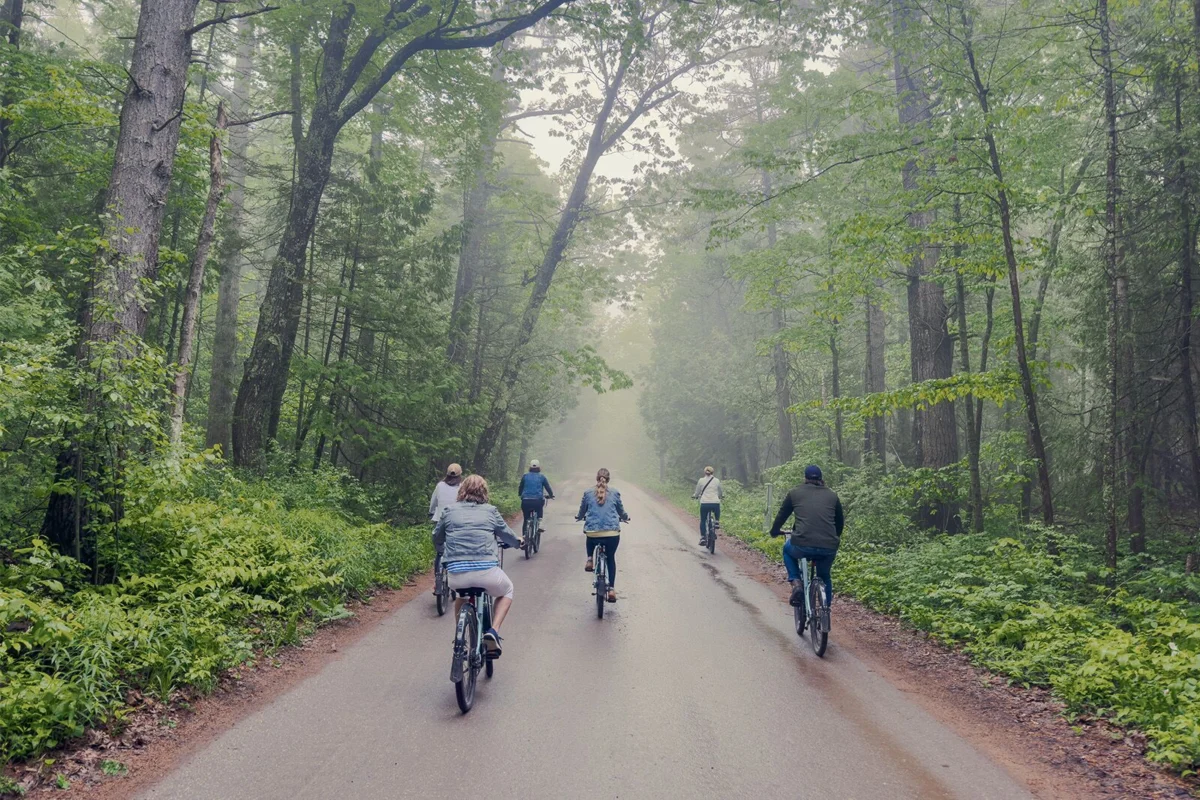
Located in the crystalline waters of Lake Huron, tucked between Michigan’s Upper and Lower Peninsulas, Mackinac Island serves as a living, breathing paradox. It is a place where the frenetic pace of the 21st century dissolves the moment you step off a ferry, replaced by the rhythmic clip-clop of horse-drawn carriages and the gentle churn of bicycle tires on pavement. Since 1898, this eight-mile-circumference island has enforced a strict ban on automobiles—a decision spurred by carriage drivers concerned for their horses—cementing its status as one of America’s most unique, preserved, and enchanting travel destinations.
Main Facts: The Logistics of a Car-Free Haven
Mackinac Island is not merely a vacation spot; it is a meticulously preserved historical artifact. Operating primarily from May through October, the island is at its most vibrant during the early summer months. June, in particular, marks the beginning of peak season, a time when the scent of white and purple lilacs permeates the downtown air, signaling the arrival of the annual Mackinac Island Lilac Festival.
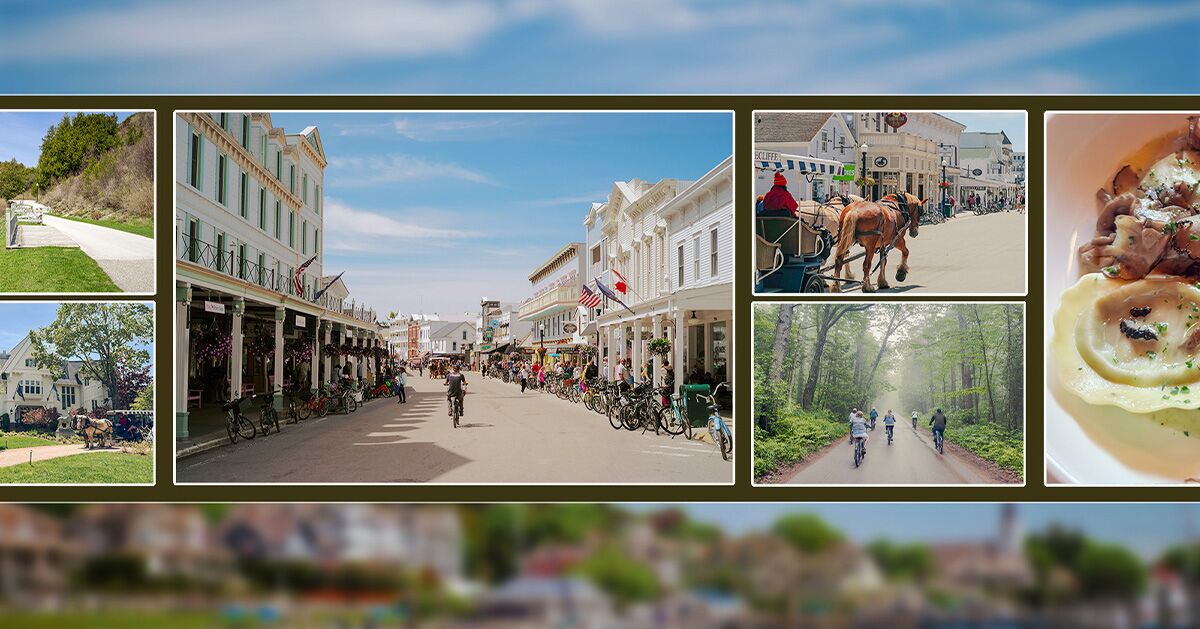
The island’s economy and lifestyle are entirely dependent on non-motorized transport. Whether navigating the historic Main Street or traversing the rugged interior, visitors rely on walking, cycling, or the iconic carriage services. This lack of vehicular traffic isn’t just a tourist gimmick; it is the fundamental framework of the island’s culture. From locals hauling groceries in wagons hitched to the back of bicycles to the 24-hour horse-drawn taxi dispatch, the absence of engines is a deliberate lifestyle choice that defines the visitor experience.
Chronology: From Frontier Outpost to Modern Sanctuary
The history of Mackinac Island is deep and multi-layered. Established in 1875, it briefly held the title of the nation’s second national park. While that designation was decommissioned twenty years later and the land transferred to the state of Michigan, the island’s heritage remains protected. Today, more than 80 percent of the island is preserved as Mackinac Island State Park, a sprawling green space featuring over 70 miles of trails.
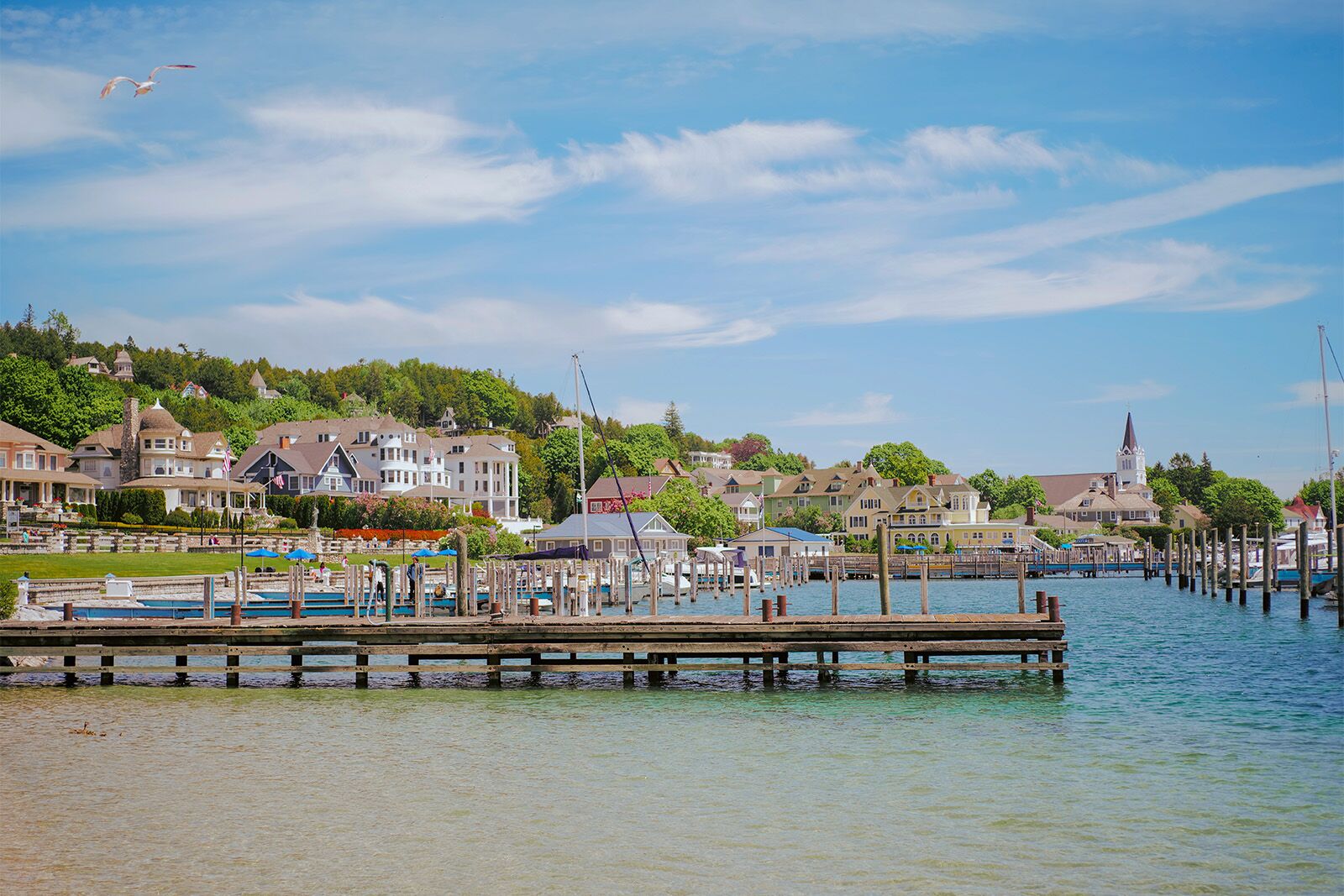
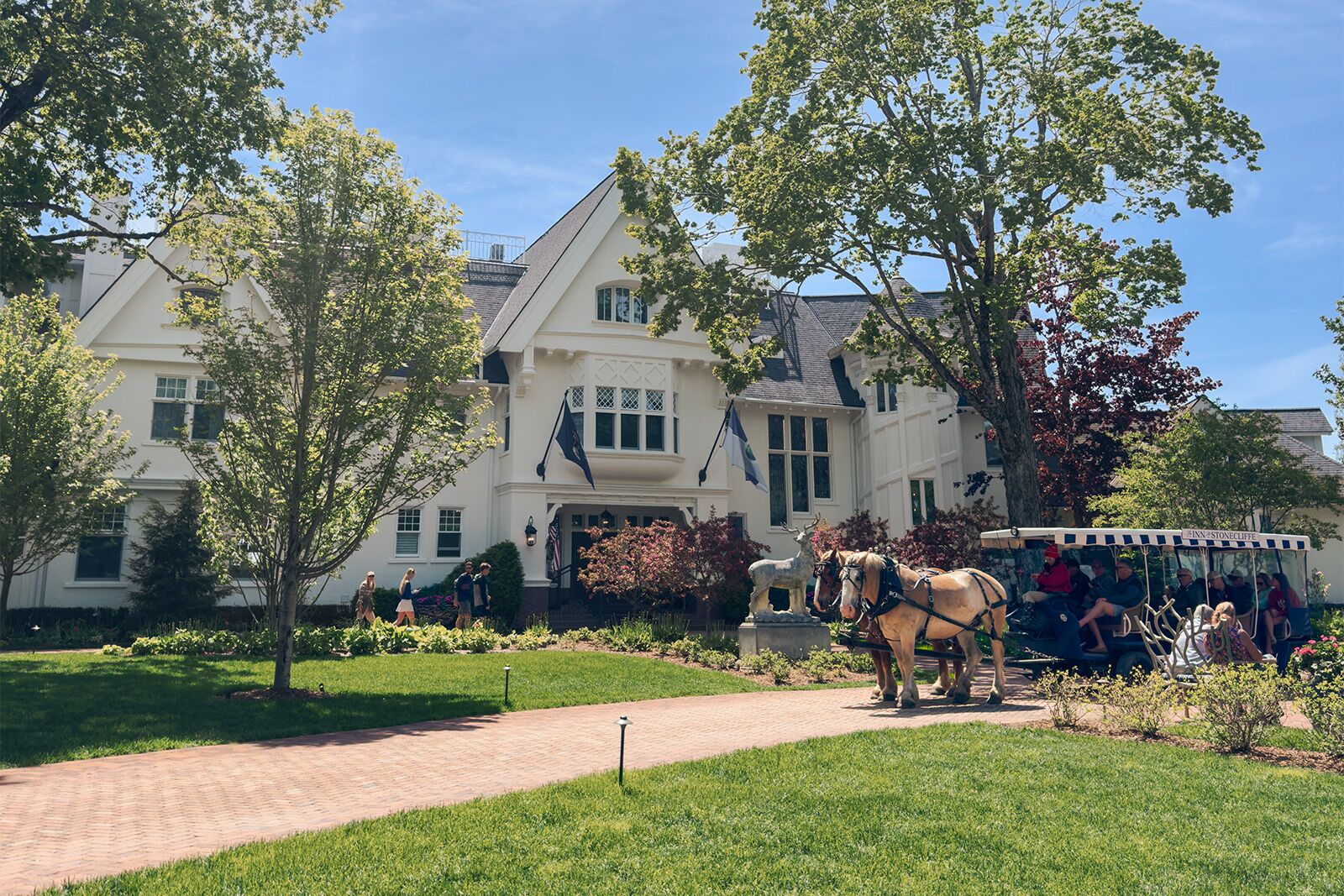
The architectural evolution of the island is equally compelling. Structures like the Grand Hotel, built in 1887, and the Inn at Stonecliffe, a 1904 Tudor mansion, serve as anchors for the island’s Victorian aesthetic. In 2024, the Inn at Stonecliffe underwent a transformative $40 million renovation, blending its historic roots with contemporary luxury. Similarly, commercial staples like Doud’s Market—the oldest continuously operated family-run grocery store in the United States—have anchored the community since its inception, ensuring that the island’s pulse remains tethered to its multi-generational roots.
Supporting Data: Curated Experiences and Local Insight
To truly appreciate Mackinac Island, one must move beyond the casual stroll. The following curated list highlights the essential pillars of an island itinerary:
The Art of the Self-Guided Tour
For those seeking context, the work of Mary Jane Barnwell, who has owned The Island Bookstore since 1989, is invaluable. Alongside her husband, Mark, Barnwell developed Mackinac Jane’s Audio Tours via the VoiceMap app. These narrations, provided by longtime island residents, offer a deep dive into landmarks such as the East Bluff’s historic summer cottages and the rugged British Landing, a significant site from the War of 1812.
Cycling the Eight-Mile Loop
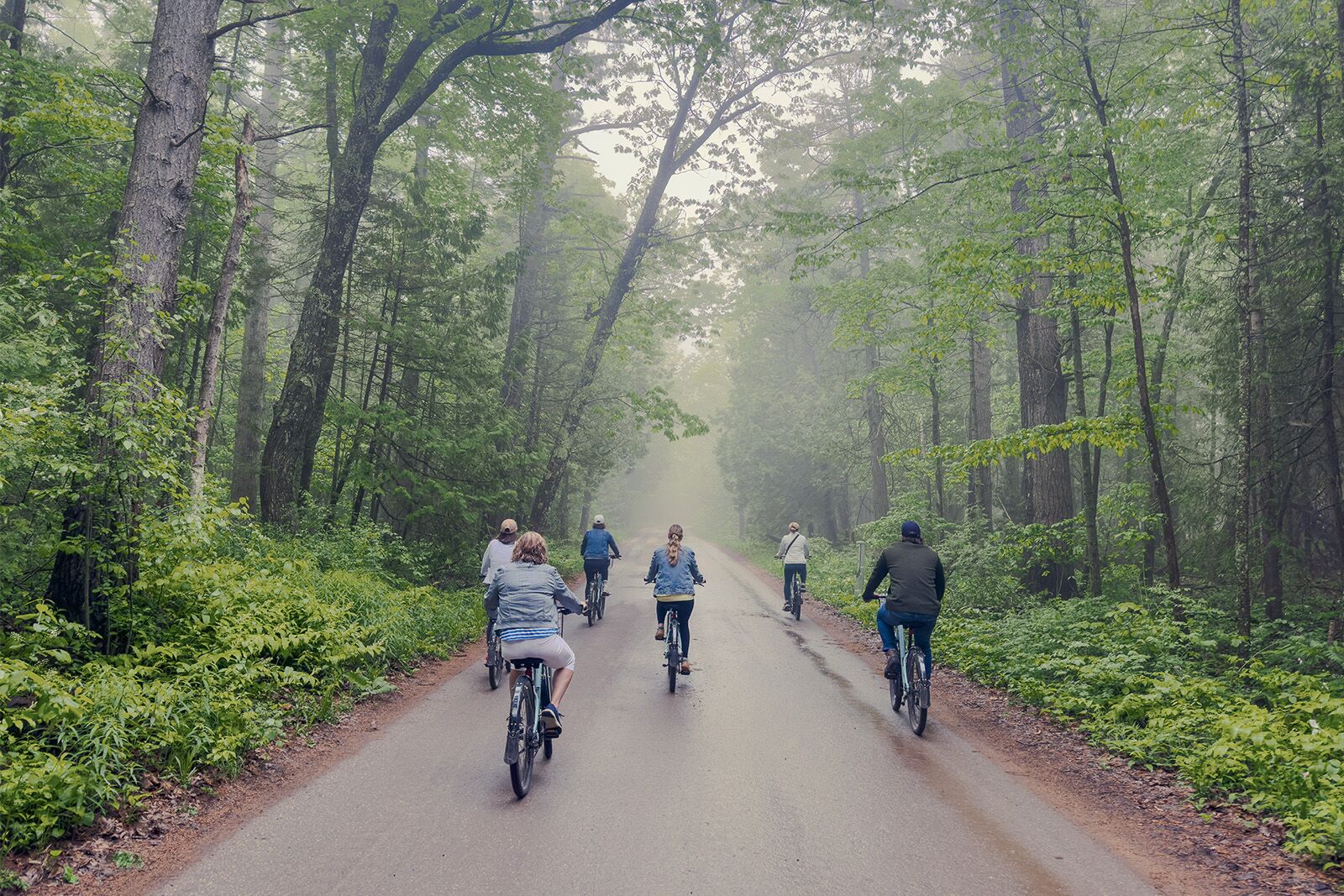
The Lake Shore Boulevard loop is a rite of passage. Rental shops like Mackinac Island Bike Shop and Mackinac Wheels provide the necessary gear to circle the island. A mandatory stop is Arch Rock, a limestone geological formation. While the 207-step climb to the top is physically demanding, the vantage point over the turquoise waters of Lake Huron provides an unmatched photo opportunity.
The Fudge Legacy
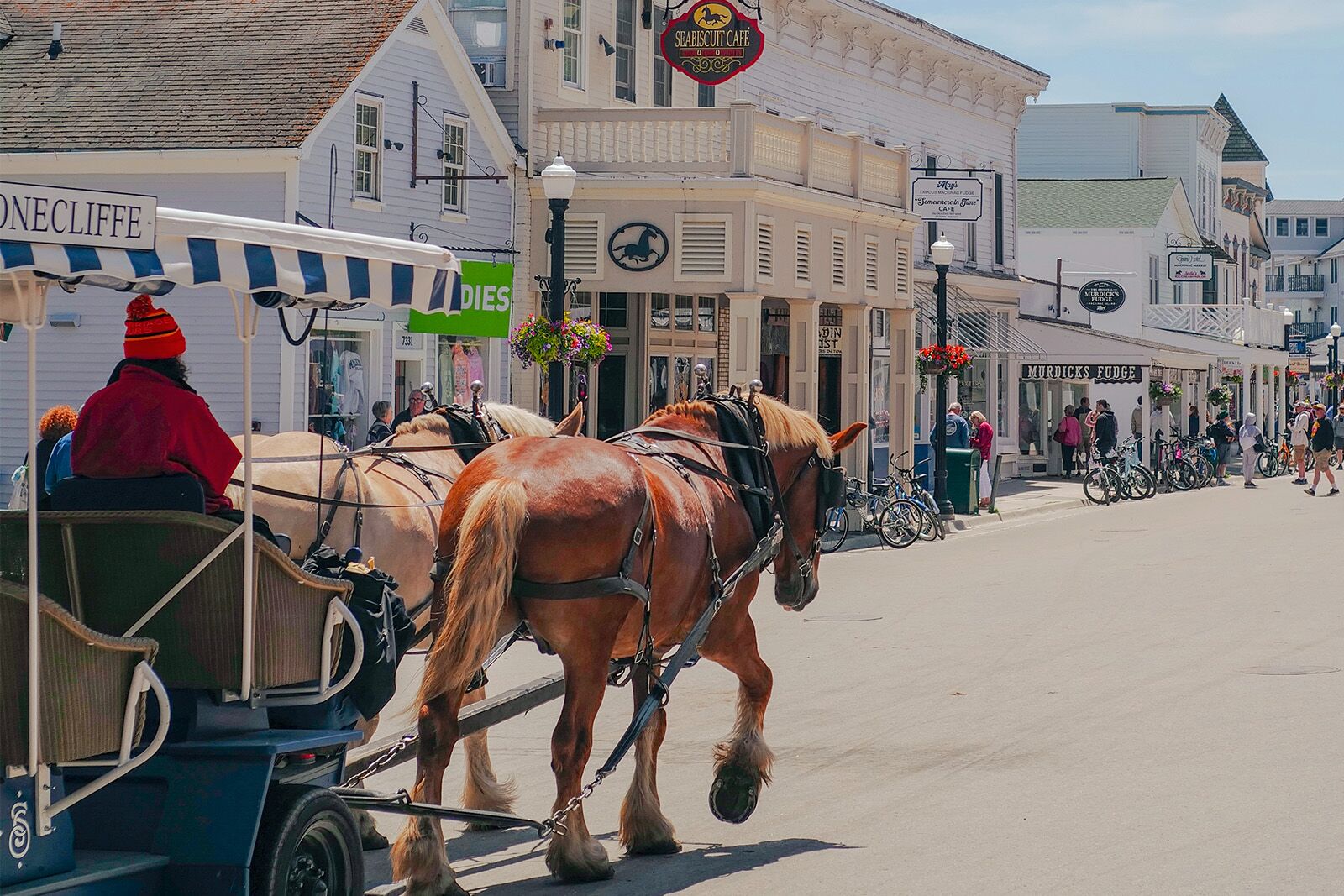
Fudge is not merely a confection on Mackinac; it is a cultural institution dating back to the 1887 opening of the Murdick family’s candy shop. The process—folding the cooling fudge across a marble slab—is a theatrical performance that serves a functional purpose, ensuring a smooth, melt-in-your-mouth texture. Iconic shops like Murdick’s Fudge and Joann’s Fudge remain the gold standards for this tradition.
The Carriage Culture
Operating since 1869, Mackinac Island Carriage Tours remain the primary mode of transit for those unable or unwilling to cycle. Beyond the 1.5-hour guided loop that covers Surrey Hill and the Grand Hotel, the island offers private, customizable carriages and even opportunities for visitors to drive their own buggies at Jack’s Livery Stable.
Official Responses and Culinary Excellence
The culinary scene on Mackinac Island is a testament to local sourcing and family heritage. Recent expansions, such as the 2025 opening of the Mackinac Island Cookie Company’s second location at the Arnold Transit Dock, highlight the growing influence of boutique, family-run enterprises.
- Watercolor Café: A teal-hued, waterfront spot on Main Street, famous for its "Poppies" (homemade pop-tarts). It serves as a creative hub, hosting daily art classes.
- The Straits: Located at the Inn at Stonecliffe, this fine-dining establishment focuses on hyper-local ingredients. Chef recommendations often lean toward the white fish and spring gnocchi, with the added benefit of a fire-lit, post-dinner Adirondack chair experience.
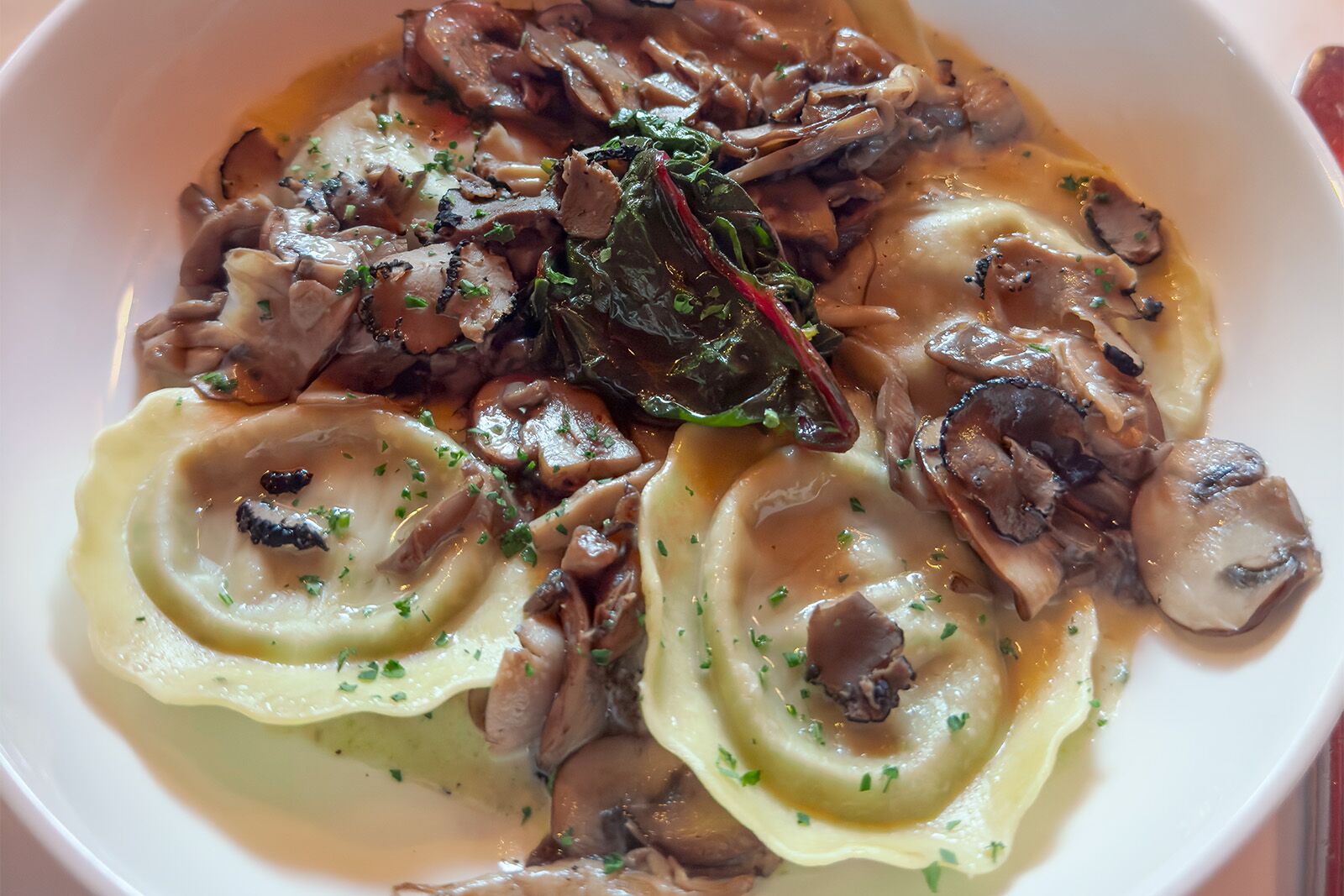
- Woods Restaurant: Accessible by bike or carriage, this Bavarian-style dining room offers a rustic, unpretentious, and highly sophisticated menu, including wild boar meatballs and mushroom ravioli.
- Pink Pony: A legendary cocktail lounge and restaurant that has defined the island’s social scene since the 1930s. Their patty melt and iconic duck-adorned cocktails are staples of the harbor-side experience.
Implications: A Model for Sustainable Tourism
The "luxury" of Mackinac Island is defined by a sense of care. The Inn at Stonecliffe, for instance, operates as a "Humanitarian Hotel," directing net profits toward community development and employing asylum-seekers, proving that high-end hospitality can coexist with ethical social practices.
The island’s commitment to its car-free policy, while born of necessity, has become its greatest economic asset. In an era of over-tourism and environmental degradation, Mackinac stands as a rare model for sustainable, low-impact travel. The infrastructure—from the small-plane access provided by Fresh Air Aviation to the ferry systems connecting to Pellston Regional Airport—is designed to funnel visitors into a slow-paced environment that rewards patience.
Practical Tips for the Modern Traveler
- Best Time to Visit: Aim for the early summer bloom in June or the vibrant foliage of the autumn months.
- Dress Code: If visiting the Grand Hotel, be mindful of the post-6:30 PM dress code, which requires formal attire.
- Mobility: Utilize the 24-hour horse-drawn taxi dispatch for convenient, cash-only transport across the island.
- Hidden Gems: Do not leave without trying the raspberry chocolate fudge, an exclusive collaboration between the Inn at Stonecliffe and the Mackinac Island Cookie Company.
As the sun sets over the Straits of Mackinac, reflecting off the water and illuminating the Victorian architecture of the bluffs, the implication is clear: Mackinac Island is not just a place to visit—it is a place to recalibrate. By removing the machinery of the modern world, the island forces a connection with history, nature, and community that is becoming increasingly rare. Whether you are navigating the island by bike, carriage, or on foot, you are participating in a tradition of preservation that ensures this small speck of land in Lake Huron will continue to enchant travelers for generations to come.
 Nana Wu
  Jia Lissa
  Evan Lee Salim