
 By Neng Nana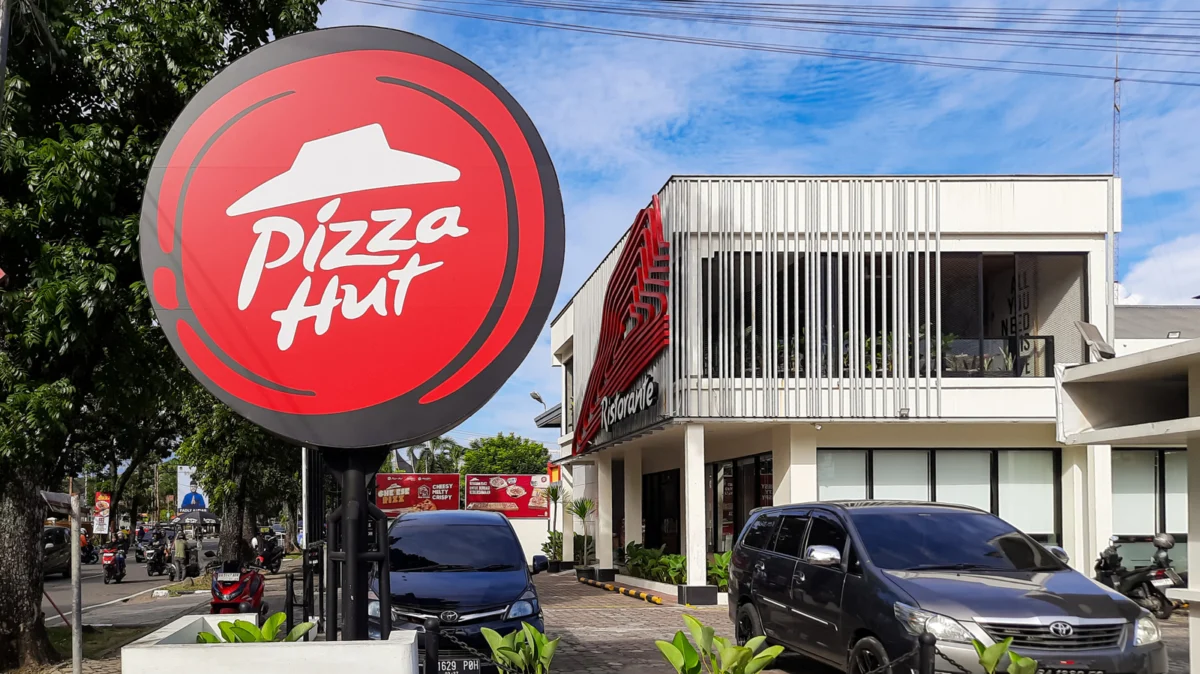
For decades, Pizza Hut has stood as a titan of the American quick-service restaurant industry. From its iconic red-roofed buildings to the nostalgia-soaked era of the Book It! program, the chain has ingrained itself into the fabric of American dining. Yet, despite its massive domestic footprint, a curious culinary divide has emerged. While American patrons are often limited to the standard pepperoni, sausage, and supreme offerings, Pizza Hut’s international divisions—particularly in Australia—have cultivated a menu of barbecue-centric pies that have become the stuff of legend for stateside enthusiasts.
Main Facts: The Barbecue Enigma
The core of the frustration for American pizza lovers is the inconsistency of the "Barbecue Experience." In Australia, the barbecue base is not merely an occasional specialty; it is a foundational pillar of the menu. Australian Pizza Hut locations offer a robust lineup, including the Barbecue Chicken Pizza (loaded with chicken, mushrooms, and onions), the Barbecue Cheeseburger Pizza (a decadent blend of seasoned beef, smoked honey ham, and mozzarella), and the massive Barbecue Meatlovers (bacon, ham, pepperoni, Italian sausage, and beef).
In contrast, the United States market treats these flavor profiles as regional anomalies. While a customer in Indianapolis, Washington, D.C., or parts of New York City might stumble upon a barbecue-base pie, the vast majority of the American public is left wanting. This creates a "culinary envy" that transcends mere geography, leading to long-standing debates on social media platforms like Reddit, where former employees and fans reminisce about the "golden age" of experimental toppings.
Chronology: From Regional Staple to "Hidden" Gem
The history of barbecue pizza within the Pizza Hut ecosystem is one of fluctuating availability.
- The 1990s (The Peak): During the late 20th century, Pizza Hut experimented heavily with specialty sauces. Anecdotal evidence from long-term employees suggests that barbecue sauce was once a staple of the "specialty" line. It was widely regarded as a fan favorite, often cited by staff as the most requested modification to the standard red-sauce pies of the era.
- The 2000s (Consolidation): As the brand moved toward a more streamlined operational model to maximize efficiency and maintain lower price points, complex specialty pizzas were often relegated to regional "test markets" rather than national rollouts.
- The 2010s to Present: The digital age brought global connectivity, allowing American consumers to see exactly what their counterparts in Australia, the UK, and Asia were eating. This visibility turned the Australian menu into a cultural touchstone. The contrast between the expansive Australian menu and the increasingly standardized U.S. menu became a point of contention for brand loyalists.
Supporting Data: Why the Sauce Matters
The appeal of the barbecue-based pizza lies in the balance of acidity, sweetness, and smoke. Culinary experts note that the base sauce acts as a flavor vehicle for heavy proteins like beef and bacon.
According to various industry market reports, the demand for "sweet and smoky" flavor profiles in the U.S. fast-casual sector has risen by nearly 15% over the last five years. Despite this, Pizza Hut’s U.S. strategy has remained conservative, focusing on its core strengths: Original Stuffed Crust and standard meat toppings.
However, the "DIY" culture has flourished in the absence of an official menu item. Reddit threads dedicated to "Pizza Hut hacks" frequently feature tutorials on how to replicate the Australian style at home. One popular method involves taking standard wings or sides and applying off-the-shelf sauces—such as Sweet Baby Ray’s—to mimic the flavor profile that international markets provide as a default.
Official Responses and Corporate Strategy
Pizza Hut’s corporate communication has remained largely tight-lipped regarding a nationwide rollout of the barbecue line. From an operational perspective, the reason is usually attributed to "supply chain complexity." Adding a dedicated barbecue sauce line across thousands of U.S. franchises requires significant logistical changes, from procurement to staff training and inventory management.
In limited instances, the company has dipped its toes into the market. The occasional release of the Barbecue Beef Brisket Pizza—seen in select Florida and Georgia locations during holiday windows—serves as a "temperature check." These limited-time offers (LTOs) allow the brand to generate excitement and gather data on regional preferences without committing to a permanent menu shift. Industry analysts suggest that these LTOs are the brand’s way of testing whether the labor cost of preparing specialized, high-quality proteins like brisket is offset by the price premium consumers are willing to pay.
Implications: The Future of Menu Localization
The disparity between the Australian and American menus highlights a broader trend in the fast-food industry: Hyper-localization.
The Global-Local Paradox
Companies like Pizza Hut face a constant struggle between maintaining a consistent global brand identity and catering to the specific, often divergent, palates of local populations. In Australia, pizza culture is heavily influenced by a preference for bold, savory-sweet combinations. In the U.S., the preference is often tethered to traditional tomato-sauce bases, creating a conservative baseline for the brand.
The Role of Social Media in Menu Evolution
Social media has effectively forced brands to become more responsive. When a customer in Ohio sees a high-definition image of a Barbecue Cheeseburger Pizza from a franchise in Sydney, the immediate reaction is, "Why can’t I have that?" This constant pressure serves as a form of unpaid market research. Brands are now forced to acknowledge that their customers are more informed than ever before.
Is a Nationwide Rollout Possible?
While a permanent nationwide addition of the full Australian barbecue range remains unlikely in the immediate future, the implications are clear: consumer demand is shifting toward variety. The success of the "Honey Barbecue Wings" in the U.S. serves as proof that the flavor profile itself is popular; it is only the application to the pizza base that remains restricted.
If Pizza Hut intends to reclaim its status as a culinary innovator, it may need to look toward its own successful international models. As the market for fast-casual dining becomes increasingly crowded, the ability to offer a unique, premium experience—like the Barbecue Meatlovers—could be the key differentiator needed to win back market share from boutique artisanal pizza chains.
Conclusion: Bridging the Gap
The yearning for the Australian Pizza Hut menu is more than just a craving for a specific slice; it is a manifestation of the desire for a more adventurous dining experience. For now, American fans of the barbecue-base pizza must rely on the occasional LTO, the ingenuity of DIY hacks, or the hope that corporate strategy eventually pivots to meet the demand of a more globally connected, flavor-conscious consumer base.
Until that day comes, the "Barbecue Enigma" remains a testament to the power of the international menu and the enduring, if occasionally frustrated, loyalty of the American pizza lover. Whether through increased regional testing or a bold shift in national strategy, one thing is certain: the appetite for the "Australian experience" is only growing.
 Lina Irawan
  Lina Hope
  Reynand Wu