
 By Layla Zulfa
Main Facts: The B2B Powerhouse in a Privacy-First Era
As the digital marketing landscape undergoes a seismic shift driven by the depreciation of third-party cookies and the rise of artificial intelligence, LinkedIn has emerged as the definitive sanctuary for B2B marketers. In 2026, the platform’s value proposition is no longer just "networking"; it is the world’s most sophisticated repository of first-party professional data.
With a global member base exceeding 1.3 billion professionals, LinkedIn offers a unique environment where users engage with a "work mindset." Unlike the passive scrolling associated with consumer-focused platforms, LinkedIn users are actively seeking industry insights, career advancement, and solutions to business challenges. For advertisers, this translates to a high-intent audience that includes the world’s most influential decision-makers.
The core of LinkedIn’s advertising dominance lies in its precision. While other platforms rely on inferred interests based on browsing history, LinkedIn utilizes verified career data. Marketers can target specific job titles, companies, industries, and seniority levels with surgical accuracy. As buying committees in B2B transactions continue to grow in complexity—often involving six to ten stakeholders—LinkedIn remains the only platform capable of mapping and messaging an entire professional hierarchy simultaneously.
Chronology: From Sponsored Posts to AI-Driven Ecosystems
The trajectory of LinkedIn’s advertising platform has moved from basic "Right Rail" text ads to a multi-modal ecosystem.
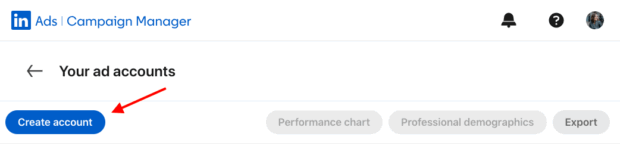
- The Early Phase (2010s): LinkedIn focused on Sponsored Content and simple text-based ads, primarily used for recruitment and high-level brand awareness.
- The Maturation Phase (2020–2023): The platform introduced Lead Gen Forms and sophisticated Retargeting via the Insight Tag, allowing marketers to move beyond awareness into measurable demand generation.
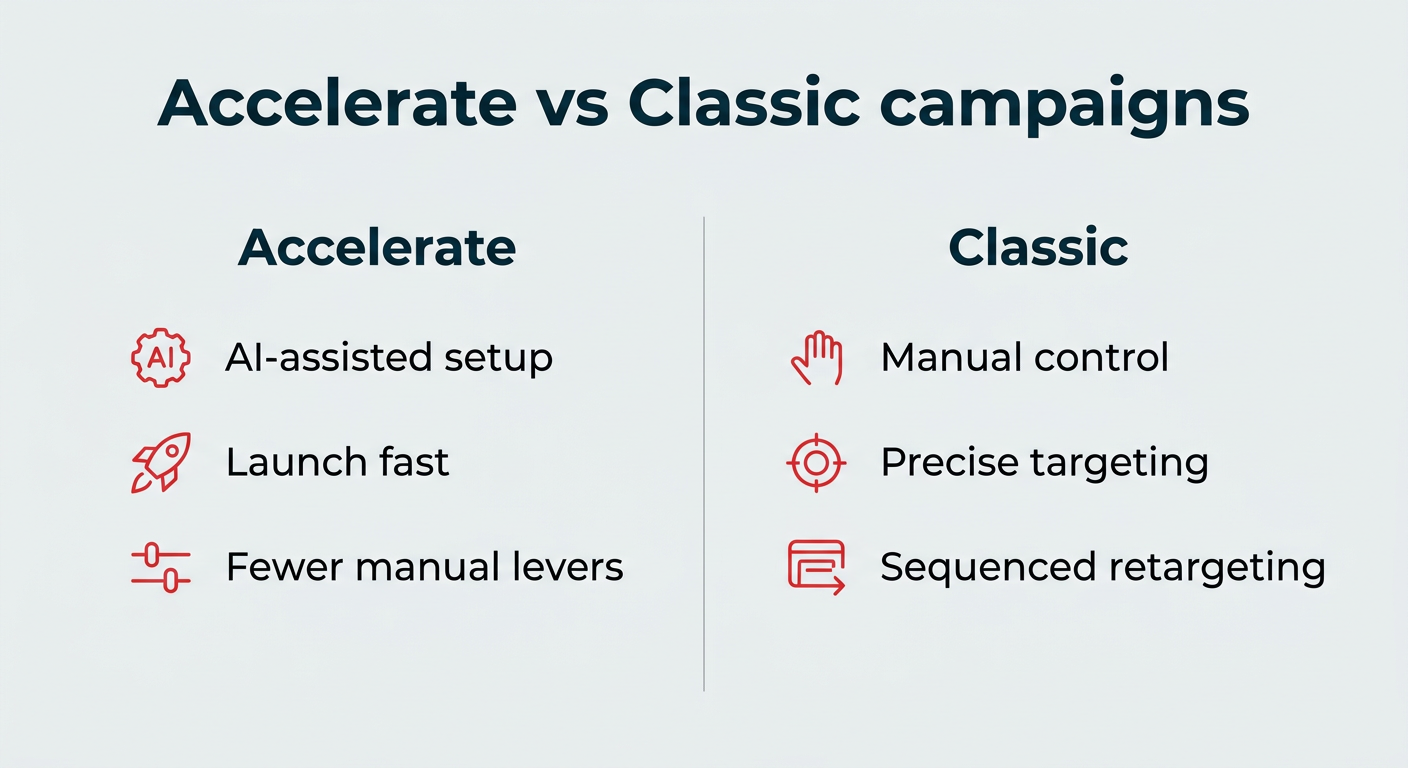
- The AI and Multi-Channel Era (2024–2026): The current era is defined by two major shifts: the introduction of Accelerate (AI-assisted campaign creation) and the expansion into Connected TV (CTV). LinkedIn has transitioned from a feed-only experience to a full-funnel platform that follows the professional from their mobile device to the boardroom and even to their home television.
This evolution reflects a broader trend in ad-tech: moving away from manual "knob-turning" toward algorithmic optimization, where the platform’s machine learning handles the heavy lifting of audience discovery.
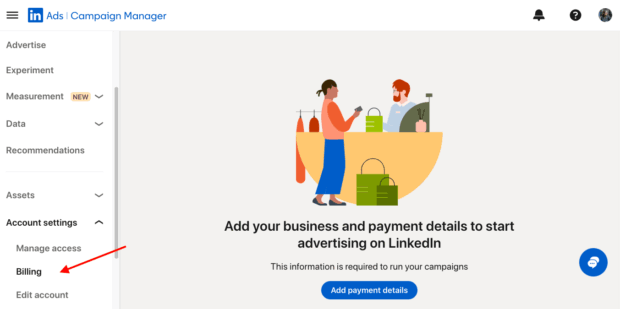
Supporting Data: The Economics of LinkedIn Ads in 2026
While LinkedIn is often cited as the most expensive social platform for advertising, practitioners argue that the "Cost Per Qualified Lead" (CPQL) often outperforms cheaper alternatives.
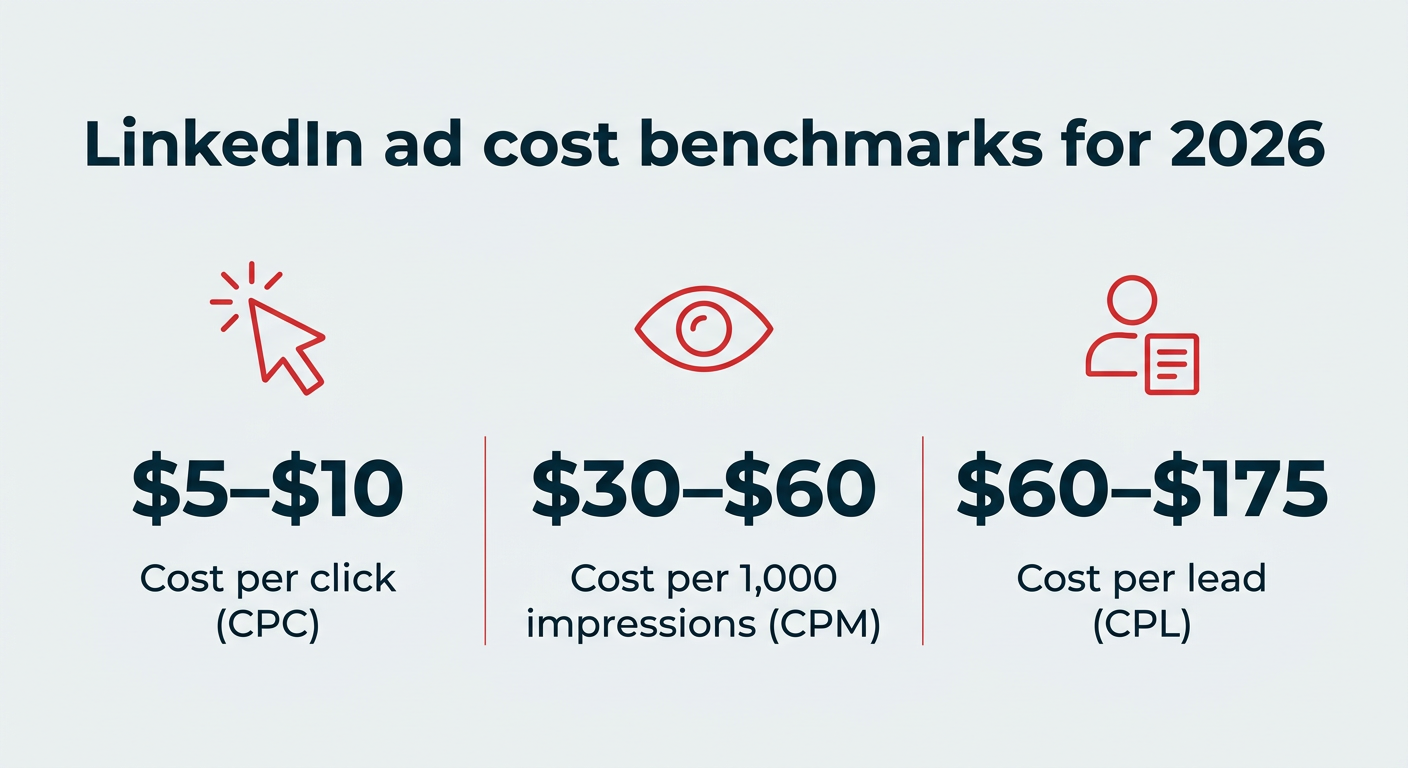
2026 Market Benchmarks
According to third-party industry benchmarks and historical auction data, the following ranges represent the standard cost of entry on the platform:
| Metric | Average Range (2026) | Context |
|---|---|---|
| Cost Per Click (CPC) | $5.00 – $10.00 | Higher for C-Suite and IT Decision Makers |
| Cost Per Mille (CPM) | $30.00 – $60.00 | Varies by audience niche and competition |
| Cost Per Lead (CPL) | $60.00 – $175.00 | Highly dependent on offer value (e.g., demo vs. whitepaper) |
The Auction Mechanics
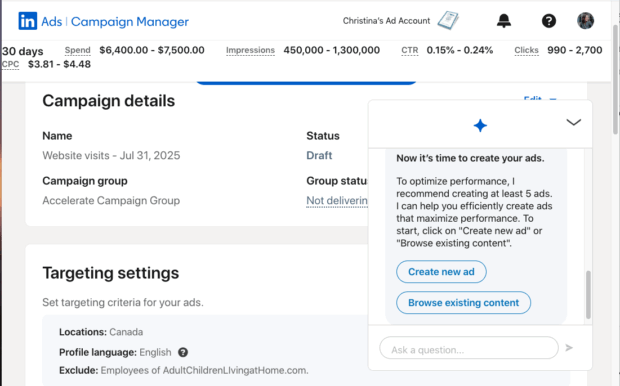
LinkedIn operates on a second-price auction system. This means the winner pays only one cent more than the second-highest bidder, provided their "Relevance Score" is high. This score is determined by:
- Expected Click-Through Rate (CTR): How likely the user is to engage.
- Ad Quality: Historical performance and post-click experience.
- Member Feedback: Whether users hide or report the ad.
Format Performance
Data from eMarketer indicates that video is currently the fastest-growing format on the platform, with video posts receiving 20 times more shares and 3 times the engagement of static posts. Furthermore, marketers utilizing Document Ads—which allow users to read whitepapers directly in the feed—have seen a significant reduction in friction, often leading to a 15-20% increase in lead conversion rates compared to external landing pages.
Official Responses: Insights from LinkedIn Leadership
The shift toward a more holistic, human-centric approach to B2B advertising is supported by LinkedIn’s internal product strategy. Gabe Feingold, Product Marketing Leader at LinkedIn, emphasizes that the platform is designed to mirror the reality of modern business transactions.
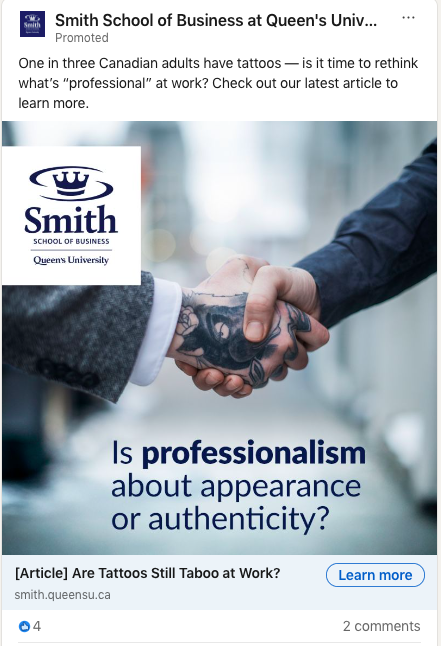
“LinkedIn is the only platform purposefully built for B2B advertisers and the most powerful platform to influence B2B decision-makers,” Feingold notes. “On LinkedIn, you can engage the full buyer group, from the C-suite to daily practitioners, in a trusted, professional environment.”
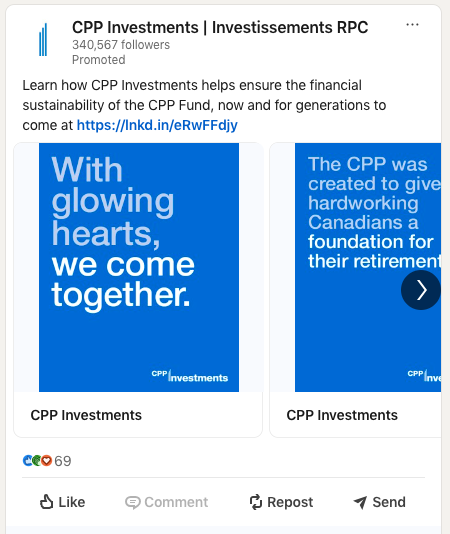
Feingold further advises that the most successful marketers are those who resist the urge to chase "quick wins" and instead focus on the long-term pipeline. “One of the most effective ways to create a LinkedIn campaign is to start with your business objective and work backwards. Begin by choosing the right campaign objective in Campaign Manager, tailor the creative to the business outcome you want to drive, and make sure you have the right measurement in place to measure what actually drives pipeline, rather than vanity metrics.”
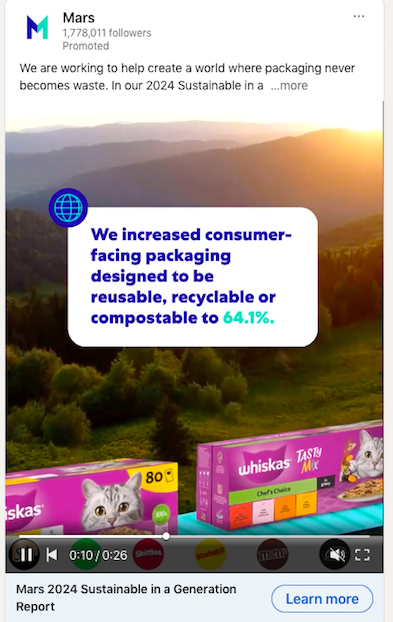
This official stance highlights a move away from "growth hacking" and toward "brand-to-demand" sequencing—a strategy where thought leadership builds trust before a direct sales offer is ever presented.
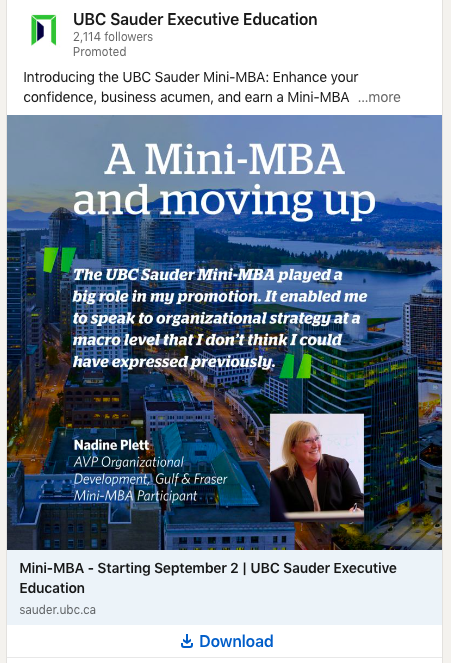
The Full-Funnel Portfolio: 2026 Ad Formats
To achieve these objectives, LinkedIn provides a diverse array of creative units:
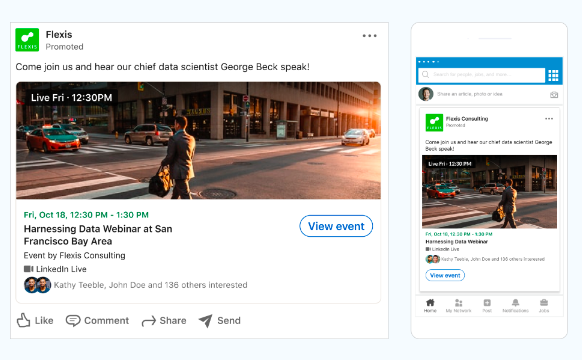
1. Thought Leader Ads
This format allows companies to "sponsor" a post from a real person—an executive, employee, or industry influencer. By leveraging a personal profile rather than a corporate page, these ads achieve higher trust and engagement.
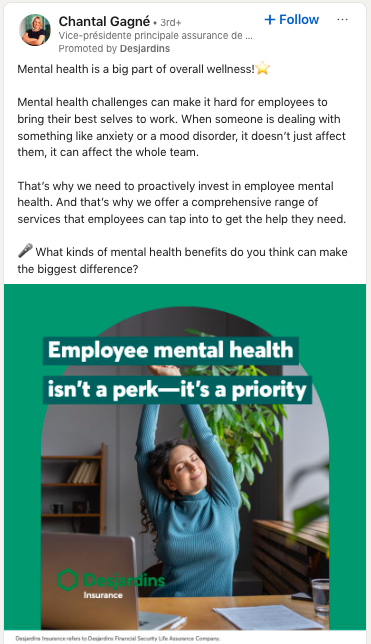
- Best For: Brand humanization and executive positioning.
2. Connected TV (CTV) Ads
Through partnerships with platforms like NBCUniversal and Paramount, LinkedIn now allows B2B brands to appear on the "big screen."
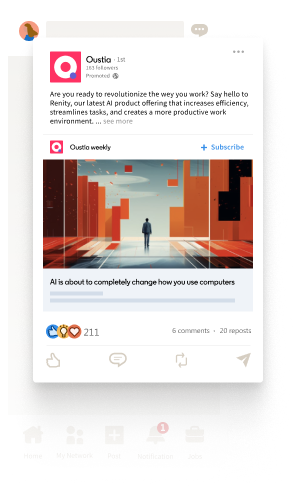
- Best For: High-impact brand storytelling and upper-funnel reach.
3. Sponsored Messaging (Conversation Ads)
These are "choose-your-own-path" experiences delivered directly to the LinkedIn Inbox. They allow for a personalized, bot-like interaction where the user can select their interest area.
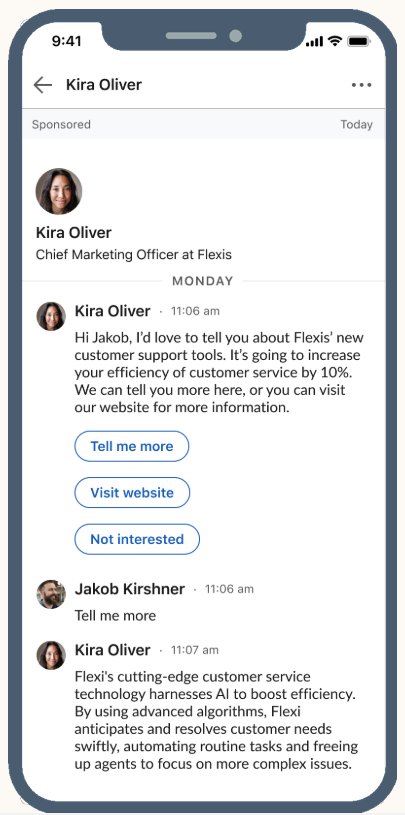
- Best For: Webinar registrations and personalized product tours.
4. Lead Gen Forms
Pre-filled with a user’s profile data, these forms eliminate the need for manual typing, which is the primary cause of mobile drop-off.
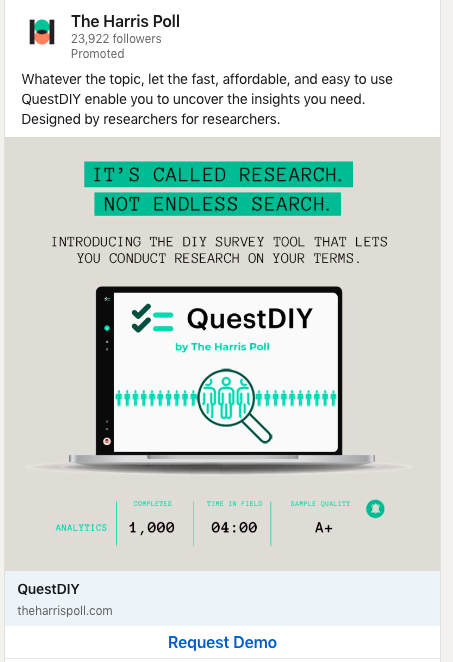
- Best For: Maximizing conversion volume for gated content.
Implications: The Future of B2B Marketing
The implications of LinkedIn’s current trajectory are clear: the barrier to entry for B2B advertising is rising in terms of cost, but the potential for ROI has never been higher for those with a sophisticated strategy.
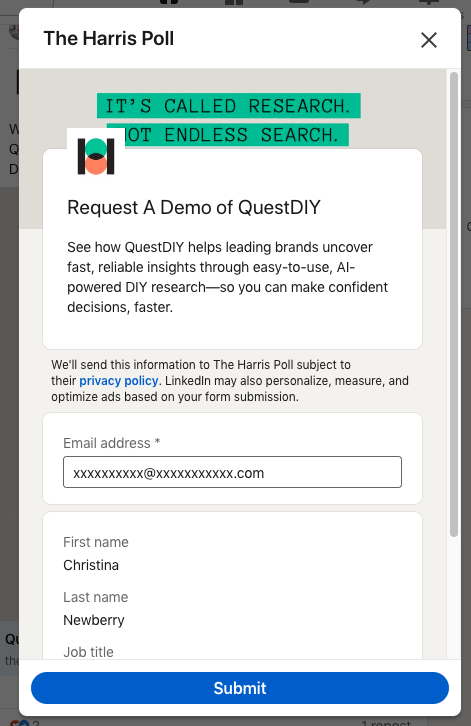
The Rise of AI-Assisted "Accelerate" Campaigns
The introduction of AI-assisted campaigns suggests a future where the platform will handle most of the targeting and bidding. For marketers, the "implication" is that creative becomes the primary lever for success. When the AI is handling the audience, the only way to differentiate is through superior messaging, high-quality video, and a deeper understanding of the customer’s pain points.
The "Full Buyer Group" Strategy
As B2B sales cycles lengthen, the implication for 2026 is that "Account-Based Marketing" (ABM) is no longer an optional strategy—it is the baseline. Marketers must use LinkedIn to surround an account, reaching the CFO with "ROI-focused" messaging while simultaneously reaching the end-user with "utility-focused" content.
First-Party Data Dominance
With the LinkedIn Insight Tag and CRM integrations, the platform is moving toward a "closed-loop" attribution model. Marketers who fail to integrate their CRM with LinkedIn will find themselves at a disadvantage, unable to prove the ROI of their high-CPC campaigns to skeptical CFOs.
Conclusion: Quality Over Quantity
In 2026, the successful LinkedIn advertiser is not the one who generates the most clicks, but the one who generates the most qualified pipeline. By shifting from "vanity metrics" to "downstream opportunity quality," B2B brands can justify the premium cost of LinkedIn and turn the platform into a predictable growth engine. As Gabe Feingold concludes, it is about "nurturing your ideal customers and building your brand" in the one place where they are truly focused on the future of their business.
 Basiran
  Nana Muazin
  Nila Kartika Wati