
 By Lina Hope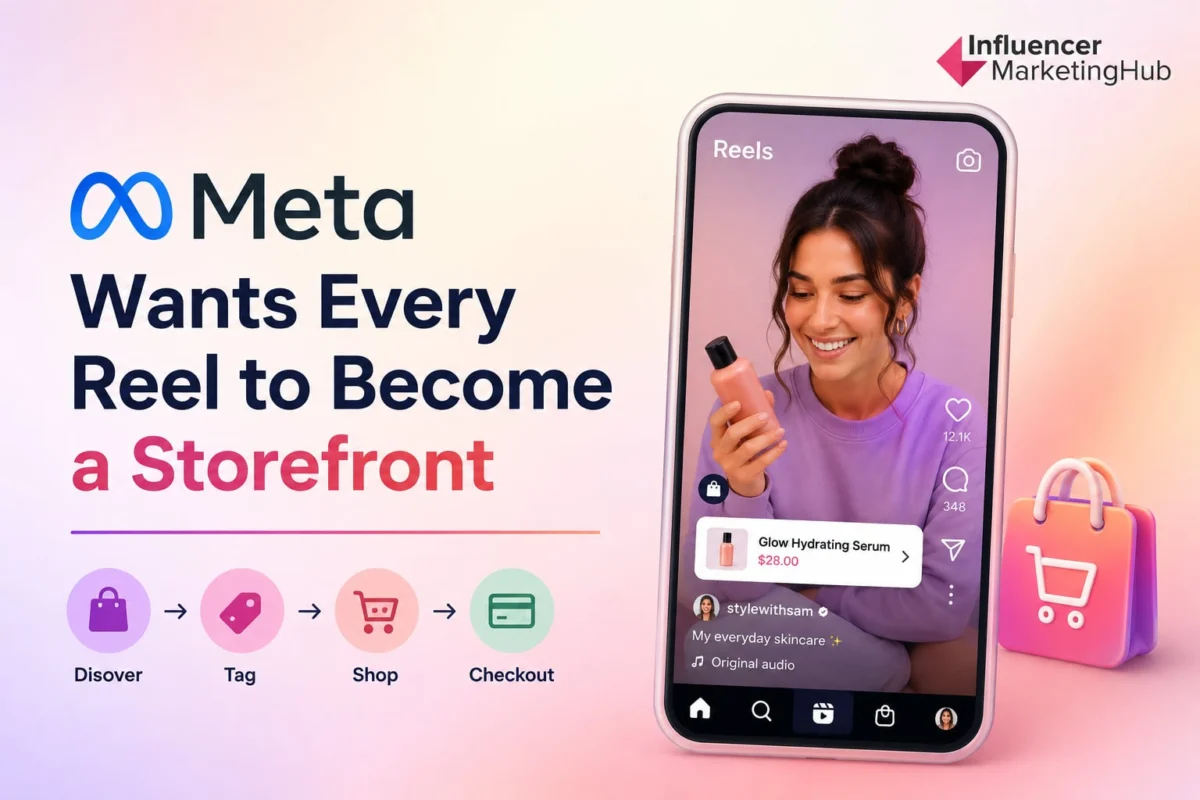
Introduction: A Paradigm Shift in Digital Retail
"The era of link in bio is finally over." This provocative declaration, delivered by Nicola Mendelsohn, Meta’s Head of Global Business Group, at the Shoptalk conference earlier this year, was more than just a soundbite—it was a manifesto. For over a decade, the "link in bio" has served as the makeshift bridge between social media discovery and e-commerce conversion. It was the necessary friction that brands accepted as a cost of doing business.
However, as revealed at Cannes Lions 2026, Meta is officially dismantling that bridge in favor of a frictionless, integrated ecosystem. By embedding commerce directly into the fabric of content consumption, Meta is signaling a definitive end to the "redirect-and-convert" model. This shift marks a transition from social media as an advertising billboard to social media as a holistic, end-to-end point-of-sale infrastructure.
Main Facts: The New Architecture of Shopping
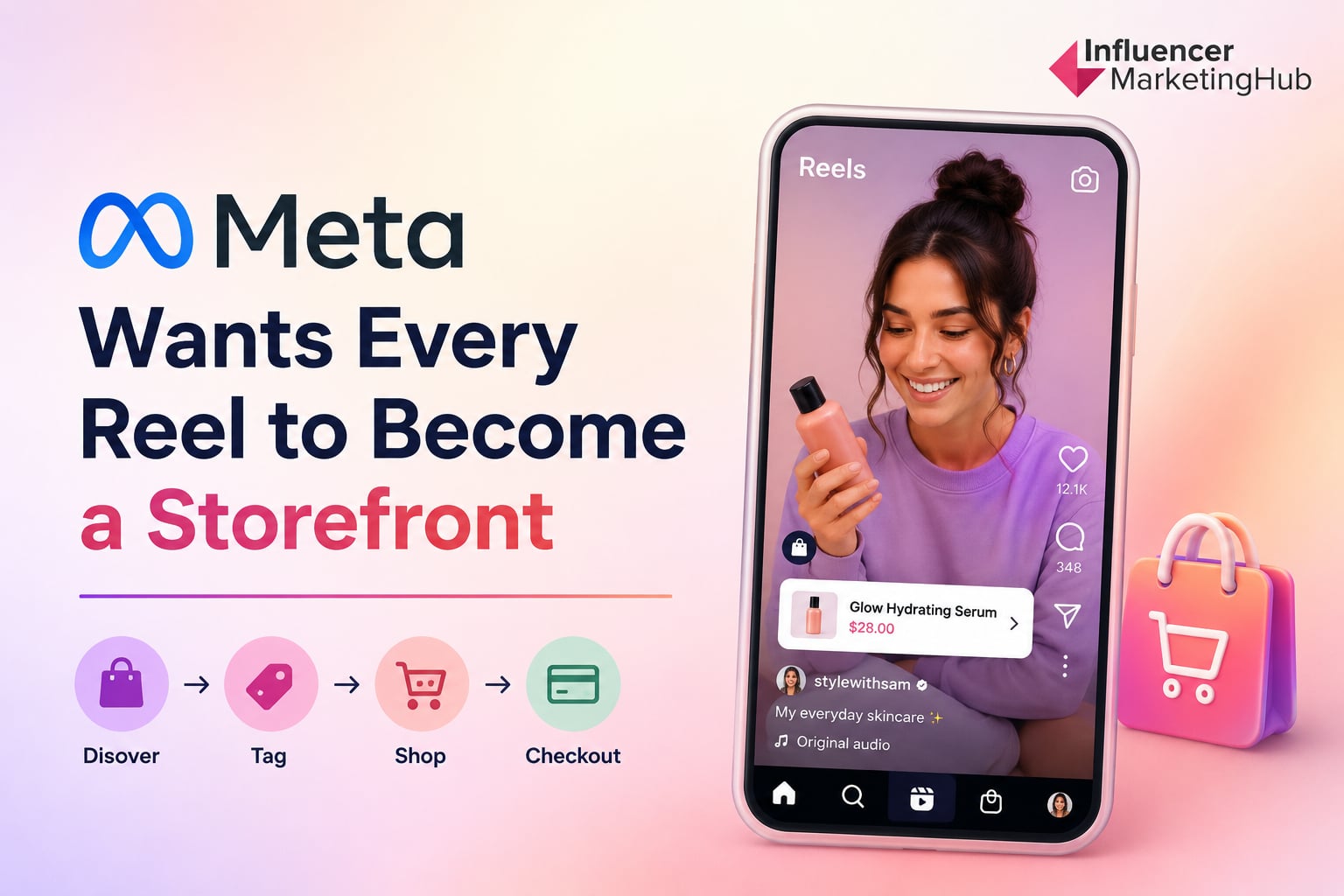
Meta’s latest suite of updates represents a fundamental redesign of the user journey on Facebook and Instagram. The core objective is simple yet transformative: to ensure that the moment of discovery is synonymous with the moment of purchase.
Key Developments:
- Direct In-Content Tagging: Eligible creators in 22 countries can now tag products directly from a brand’s catalog within Instagram Reels and Feed posts.
- Affiliate Link Integration: Creators can insert affiliate links that lead directly to specific product pages, removing the need for viewers to navigate to a third-party profile page.
- Capacity Expansion: A single Reel can now feature up to 30 tagged products, allowing for complex "Get Ready With Me" (GRWM) videos, massive product hauls, and deep-dive tutorials to become fully shoppable hubs.
- AI-Driven Ad Assemblies: Meta is transitioning away from manual ad format selection. Instead, brands will provide their product catalog and creative assets, allowing Meta’s AI to dynamically assemble personalized shopping experiences for each user.
Chronology: The Road to Frictionless Commerce
The path to this moment has been paved with incremental updates over the past three years, each designed to capture more of the consumer journey within the Meta "walled garden."
- 2023–2024 (The Experimental Phase): Meta began testing basic product tagging, primarily limited to major brands. During this time, the "link in bio" remained the primary driver for affiliate traffic as the infrastructure for seamless in-app checkout was still in development.
- Early 2026 (The Vision): Nicola Mendelsohn signals the shift at Shoptalk, setting the stage for a total removal of external navigation.
- Summer 2026 (Cannes Lions Announcement): Meta formally unveils its global rollout of Reels-based shopping, the expansion of Live Video Ads, and the integration of AI-powered dynamic catalog ads.
- Post-2026 Roadmap: The industry anticipates further expansion of these tools, with a focus on cross-platform affiliate partnerships (Flipkart, Lazada, Mercado Libre) and the implementation of secure, privacy-focused virtual cards.
Supporting Data: Why the Friction Had to Go
The move to eliminate the "link in bio" is not merely a design preference; it is a response to cold, hard data regarding consumer behavior and abandonment rates.
The Cost of the "Extra Click"
In digital marketing, every additional click is a statistical barrier. When a user is forced to leave a video, visit a profile, click a link, wait for a browser to load an external site, and then navigate a new interface, the "churn rate" skyrockets.
Recent industry studies highlight why Meta’s move is essential:
- The Influence Factor: According to recent market analysis, approximately 27% of beauty and luxury consumers rely exclusively on influencer recommendations for their purchasing decisions.
- Conversion Decay: Data suggests that for every step removed from the checkout process, conversion rates can increase by as much as 15% to 20%. By keeping the user within the Reels interface, Meta is essentially recapturing the "lost" traffic that previously evaporated during the transition from social app to external mobile browser.
- The Rise of Live Commerce: With the global expansion of Live Video Ads, Meta is tapping into the booming livestream shopping market—a sector that has seen triple-digit growth in Asian markets and is now seeing a significant resurgence in Western retail strategy.
Official Responses and Strategic Rationale
Meta’s leadership has been vocal about the intent behind these changes. The strategy is to shift from "Social Media" to "Social Commerce."
The AI-First Approach
"We are moving toward a model where the creative and the product data are inextricably linked," says a Meta spokesperson. By using product catalog data as a "foundational input" for all Sales campaigns, Meta is effectively outsourcing the optimization process to its AI models.
Rather than a brand manager guessing which ad format works best for a specific demographic, Meta’s algorithms analyze the creative asset and the product catalog to determine whether a carousel, a Reel, or a dynamic collection ad will yield the highest conversion for that specific user. This represents a massive shift from human-led A/B testing to machine-led dynamic optimization.
Implications: What This Means for Brands and Creators
The impact of this update will be felt throughout the entire digital marketing ecosystem. For brands, the implications are both empowering and demanding.
1. The Death of the "Top-of-Funnel" Excuse
For years, influencer marketing was often relegated to "awareness" or "brand affinity" buckets because tracking ROI from a "link in bio" was notoriously imprecise. With these new tools, every Reel becomes a performance marketing asset. Brands will now be able to calculate direct ROAS (Return on Ad Spend) from specific creator partnerships, effectively treating influencers as dynamic sales channels rather than just brand ambassadors.

2. The Rise of "Data Integrity"
As product catalogs become the primary source of truth for Meta’s AI, the "garbage in, garbage out" rule applies. Brands that fail to maintain clean, accurate, and updated product data will see their AI-driven ads underperform. If a product description is outdated or an image link is broken, Meta’s AI will likely deprioritize that product, directly impacting sales. Data hygiene is no longer an IT concern—it is a core marketing competency.
3. The New Creator Economy
For creators, this is a double-edged sword. On one hand, the ability to tag 30 products means they can monetize their content far more effectively, turning a single "GRWM" video into a virtual storefront. On the other hand, the barrier to entry for "professional" content is higher. Creators who can seamlessly integrate shopping into their narrative will thrive, while those who cannot balance commercial intent with authentic engagement will see their audience trust decline.
4. A More Secure Checkout
The integration of virtual cards (via partnerships with Mastercard and Visa) addresses one of the primary hurdles to social commerce: consumer security anxiety. By allowing users to purchase without exposing their raw credit card data to every merchant they encounter on Instagram, Meta is removing the final psychological barrier to "impulse" social shopping.
Conclusion: The Future is Embedded
We are witnessing the final stages of the "browser-less" internet. Consumers no longer want to "go online" to shop; they want the shop to exist where they already spend their time.
Meta’s decision to sunset the "link in bio" model is a bold bet that the future of the internet is not a collection of linked pages, but a stream of integrated experiences. For marketers, the mandate is clear: stop building content that points to a store, and start building content that is the store. As we move into 2027 and beyond, the brands that master this "integrated discovery" will define the next decade of retail success. The link in the bio is dead—long live the shoppable stream.
 Iffa Jayyana
  Siti Muinah
  Asro
Asro 