
 By Asep Darmawan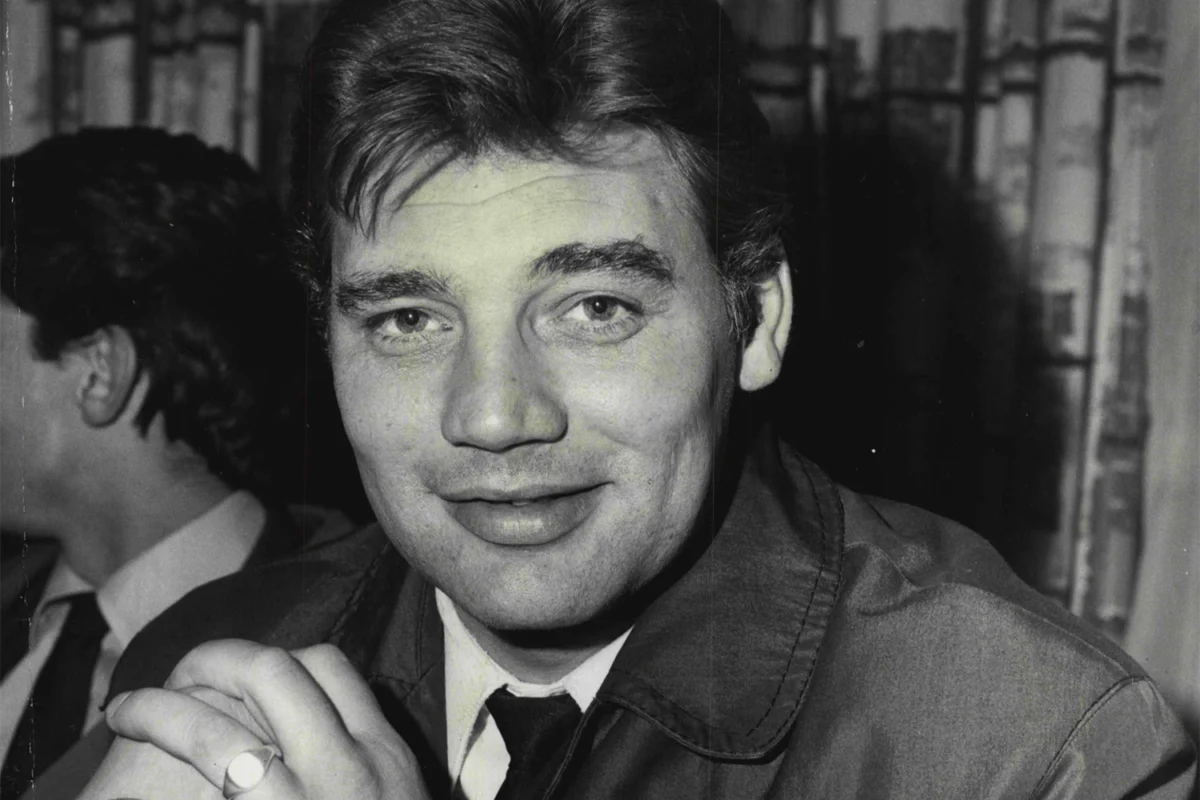
The entertainment industry is mourning the loss of a truly multifaceted talent. Mike Preston, the veteran actor and singer whose career spanned over half a century and crossed multiple continents, passed away on June 8 in Florida. He was 93. His death was confirmed to Variety by his wife, Josie Preston, marking the end of an extraordinary life that saw him evolve from a U.K. pop sensation to a gritty television mainstay and a cult-classic action star.
From the sun-drenched, dystopian landscapes of George Miller’s Mad Max universe to the gritty, asphalt-paved streets of Australian police procedurals, Preston possessed a rare, chameleon-like ability to inhabit disparate roles. Whether he was crooning to a nightclub audience or standing his ground against marauding gangs in the Australian Outback, Preston commanded the screen with a rugged, understated authority.
The Early Years: From Jack Davis to Chart-Topping Star
Born Jack Davis in the United Kingdom, the man who would eventually adopt the stage name Mike Preston began his journey in the spotlight as a musician. In the late 1950s, he emerged as a formidable presence in the British music scene. During an era defined by the burgeoning rock-and-roll revolution and the transition into pop, Preston managed to secure a foothold that many of his contemporaries envied.
His musical career was not merely a brief flirtation with fame; he achieved genuine commercial success, landing three Top 40 hits on the U.K. charts. His smooth vocal delivery and charismatic stage presence made him a household name for a brief but pivotal window in British pop history. However, the restless nature of a performer often leads to new horizons, and by the early 1960s, Preston set his sights on the burgeoning entertainment industry in Australia.
Upon relocating, he pivoted from the recording studio to the vibrant nightlife of Melbourne. His transition into a nightclub singer and live performer was seamless, leveraging his existing vocal talents to build a dedicated local following. It was during this period that he caught the attention of television producers, eventually finding success as a host on the wildly popular variety show In Melbourne Tonight. This role served as the perfect springboard, exposing him to a national audience and establishing his reputation as a reliable and magnetic television personality.
A Television Stalwart: Defining the Australian Crime Genre
While Preston’s roots were in music, his legacy was forged in the fires of Australian television drama. His most significant contribution to the medium came in the form of his portrayal of Detective Bob Delaney in the iconic series Homicide.
Homicide was more than just a police procedural; it was a cultural touchstone that defined a generation of Australian television. Appearing in 42 episodes, Preston’s Detective Delaney became a recognizable face for viewers, blending a hard-boiled investigative style with the emotional gravitas required for long-form storytelling. His performance helped cement the series’ reputation for gritty realism, paving the way for the wave of Australian crime dramas that would follow.
Preston’s television career, however, was not confined to a single badge. He became a fixture in the Australian television landscape throughout the 1970s. His resume reads like a roadmap of the era’s most notable productions, including a recurring role on the influential soap opera Bellbird. His versatility allowed him to jump between genres with ease, appearing in notable programs such as Dixon of Dock Green, Tandarra, Chopper Squad, and Cop Shop. Each role added a layer to his reputation as a "working actor"—someone who could be relied upon to bring depth and nuance to any script he was given.
The Road Warrior and the Cult of Action Cinema
For global audiences, Preston is perhaps best remembered for his iconic turn in one of the most significant sequels in film history: Mad Max 2: The Road Warrior (1981). Directed by George Miller, the film transformed the post-apocalyptic genre and turned Mel Gibson into an international superstar. Within this high-octane environment, Preston played Pappagallo, the stoic, principled leader of the refinery settlers.
Pappagallo was the moral anchor of the film—a man attempting to preserve a vestige of civilization in a world gone mad. Preston’s performance was understated yet powerful, providing a necessary foil to the chaotic, anarchic energy of the marauders led by The Humungus. His portrayal of a man burdened by the weight of leadership in a lawless world remains a masterclass in screen presence; he didn’t need to shout to convey the intensity of the situation.
Following his success in The Road Warrior, Preston moved into the realm of sci-fi and action lead roles, most notably starring as the titular character in the cult film Metalstorm: The Destruction of Jared-Syn (1983). While the film was a departure from the grounded realism of his Australian work, it demonstrated his willingness to experiment with genre, further solidifying his status as a recognizable figure in 1980s cinema.
Hollywood and the Later Years: A Prolific Guest Star
As his career progressed into the 1980s and 1990s, Preston transitioned to the American market, where he continued his trend of being one of the most reliable guest stars in the business. His filmography from this era serves as a quintessential list of the television landscape of the time.
He appeared in dozens of programs that spanned genres from legal drama to supernatural thriller. His credits include appearances on Ellen, Scarecrow and Mrs. King, Shadow Chasers, Outlaws, Alien Nation, Dark Justice, and Highlander. Perhaps most notably, he made his mark on Law & Order, proving that even in his later years, his ability to inhabit the roles of professionals and authority figures remained sharp.
It is a testament to his adaptability that his final professional credit was not a live-action performance, but a voice role in the 2002 video game The Getaway. In an industry that is notoriously difficult for aging actors, Preston managed to evolve with the technology, proving that his voice and his gravitas were as effective in a digital environment as they were on a soundstage.
Official Responses and Legacy
The news of Preston’s passing has prompted an outpouring of remembrance from those who worked alongside him and fans of his extensive body of work. His wife, Josie Preston, confirmed the news, and while the family has requested privacy during this difficult time, the tributes from the entertainment community have highlighted the profound impact of his long and varied career.
Preston’s legacy is not found in a single award or a singular blockbuster performance, but in the sheer breadth and consistency of his work. He was part of a generation of actors who prioritized the craft of performance above the pursuit of celebrity. Whether he was on the charts in the U.K., hosting a variety show in Melbourne, or fighting for survival in the Australian wasteland, he brought an integrity and professionalism that elevated every project he touched.
He is survived by his wife, Josie Preston, and his two daughters.
Implications: The End of an Era
The passing of Mike Preston signifies more than just the loss of an individual actor; it represents the closing of a chapter in the history of mid-century entertainment. He belonged to a generation of performers who were comfortable moving between the worlds of radio, live music, stage, and screen—a "renaissance" skill set that is increasingly rare in the modern, hyper-specialized entertainment industry.
As film historians and fans look back on his contributions, the recurring theme is one of reliability and range. In an age where digital de-aging and CGI are increasingly used to maintain the presence of iconic stars, Preston’s career serves as a reminder of the value of the human performer. He did not rely on spectacle; he relied on presence.
From his early days as Jack Davis to his final performance as a voice actor in The Getaway, Mike Preston’s life was a testament to the idea that a career in the arts is a marathon, not a sprint. His work will continue to live on in the archives of television history, the cult-classic status of The Road Warrior, and the memories of those who grew up watching him navigate the complexities of life on the screen. He leaves behind a legacy defined by versatility, hard work, and an enduring commitment to the craft of storytelling.
 Siti Muinah
  Ammar Sabilarrohman
  Layla Zulfa