
 By rifanmuazin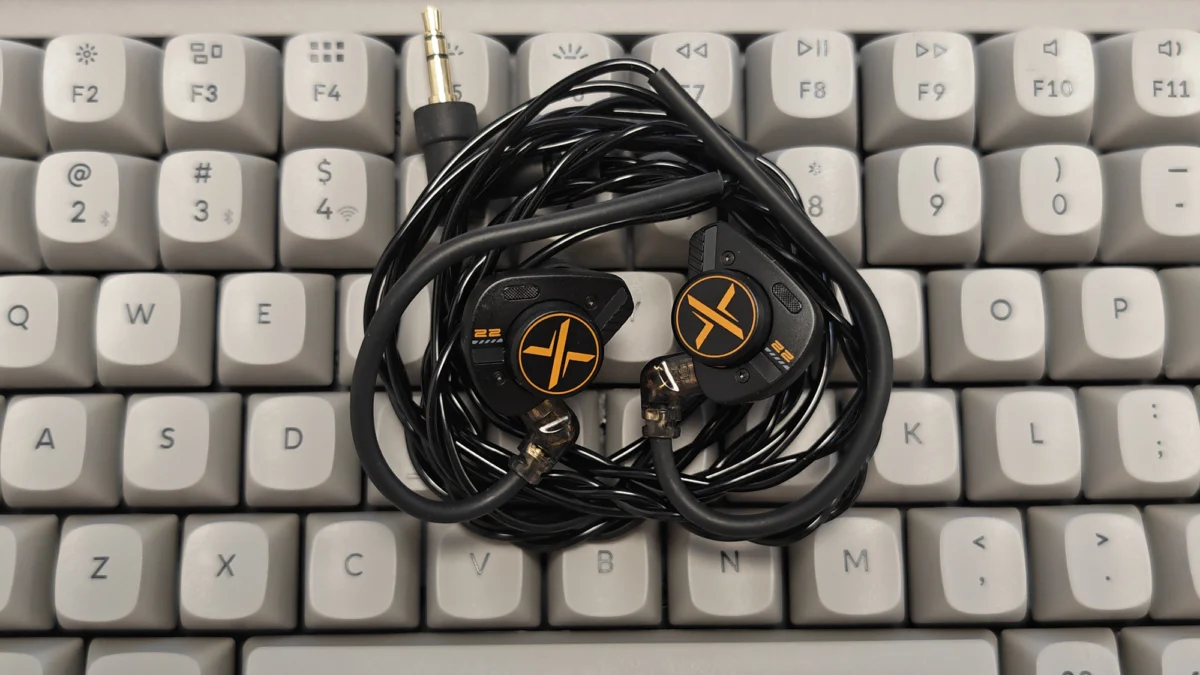
In the rapidly evolving world of personal audio, the "budget" segment has long been a battlefield of diminishing returns. For years, consumers seeking an entry into high-fidelity sound were forced to choose between clinical, often boring, neutral tunings or bass-heavy sets that sacrificed clarity for sheer impact. However, the release of the OoopusX Op.22, currently retailing for just $35, represents a seismic shift in this landscape. By offering a unique, hardware-based tuning solution, these in-ear monitors (IEMs) are challenging the status quo of what listeners should expect for the price of a modest lunch.
The Core Offering: Versatility Without Compromise
The primary allure of the OoopusX Op.22 lies in its "two-in-one" sonic personality. Out of the box, the IEMs are tuned to a balanced, neutral profile. For many casual listeners accustomed to the V-shaped sound signature typical of mass-market consumer earbuds—which artificially boost bass and treble while pushing mid-range frequencies into the background—the Op.22 acts as a gateway to authentic audiophile reproduction. It prioritizes the "mids," allowing vocals and acoustic instruments to breathe in a way that is rarely seen in the sub-$50 price bracket.
However, the real engineering marvel is the inclusion of a physical rotary dial on the chassis of each earpiece. A simple twist engages an additional 6dB of sub-bass. Unlike software-based equalizers that can introduce distortion or phase issues, this hardware adjustment physically alters the acoustic chamber to provide a visceral, tactile punch.
Chronology of Innovation: From Sennheiser to OoopusX
The concept of adjustable bass is not entirely new, though its successful implementation has been historically elusive. To understand the significance of the Op.22, one must look back to 2008, when Sennheiser released the legendary IE8. At the time, the IE8 was a trailblazer, introducing a user-adjustable bass screw that allowed listeners to tailor the low-end response to their preference.
In the years that followed, the industry saw a flurry of clones and "inspired" designs, most notably from brands like KZ with their IE80 model. Unfortunately, many of these imitators failed to capture the magic of the original. Their bass dials often resulted in "muddy" mid-bass bloat—a phenomenon where the extra volume bleeds into the lower-mids, masking detail and creating a thick, congested soundstage.
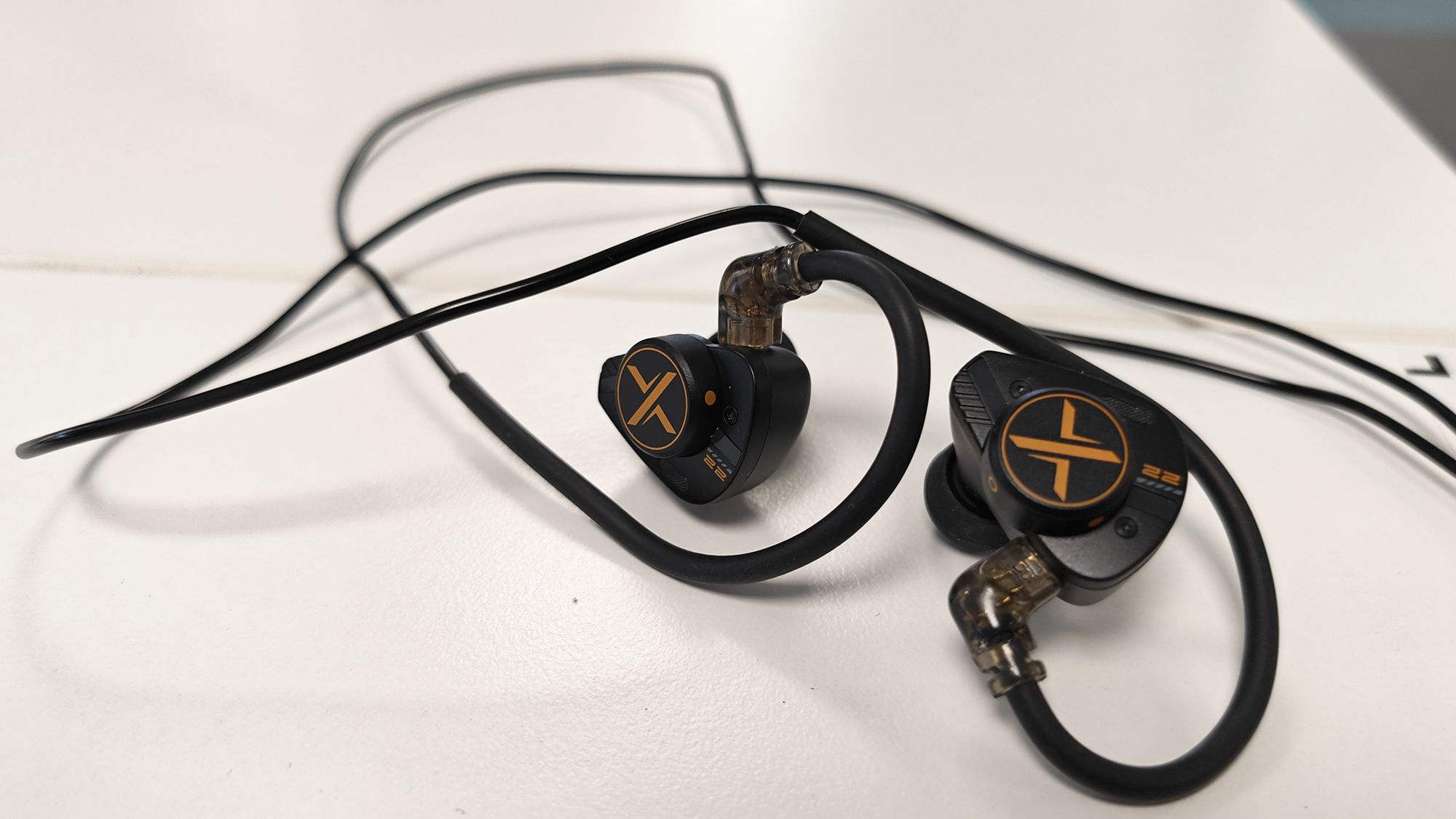
The Op.22 arrives at a moment where manufacturing precision has finally caught up with the ambition of the design. By separating the sub-bass frequencies from the rest of the spectrum, the engineers behind the Op.22 have managed to avoid the dreaded "mud" that plagued its predecessors. It is a refinement of a 16-year-old concept, finally executed with the level of surgical precision required for modern, high-resolution tracks.
Supporting Data: The Anatomy of a Budget Powerhouse
When analyzing the performance of the Op.22, it is essential to look at the intersection of build quality and sonic architecture. Despite the $35 price point, the build quality does not feel like a compromise. The shells are ergonomically designed to facilitate a tight seal—a non-negotiable requirement for the bass dial to function as intended.
Frequency Response Characteristics:
- Neutral Mode: Displays a linear response across the mids, providing high-fidelity reproduction for jazz, folk, and classical arrangements.
- Boosted Mode: Adds a controlled +6dB lift strictly in the sub-bass region (typically under 100Hz). This ensures that the kick drums and synth-sub-bass found in hip-hop and EDM genres feel authoritative without "smearing" the vocal clarity.
The technical proficiency of the driver, even at this price, is impressive. While it may not offer the extreme micro-detail of a $5,000 reference-grade set of electrostatic headphones, it offers enough resolution to satisfy even the most seasoned audiophile. It is, quite simply, a "fun" earphone that refuses to take shortcuts in its fundamental tuning.
The "Novelty vs. Utility" Debate
There is a prevailing skepticism in the audiophile community regarding "gimmicks." Whenever a feature appears that deviates from the standard "one driver, one sound" approach, purists are quick to label it a novelty. The Op.22 has faced this scrutiny, with many questioning if a mechanical dial could ever truly offer a professional-grade experience.
The consensus from those who have spent extensive time with both budget gear and summit-fi (ultra-high-end) equipment is clear: the Op.22 is a genuine tool. In testing, the bass dial demonstrated a consistent, repeatable performance. Provided the user selects the correct ear-tip size to ensure an airtight fit, the transition between "reference" and "bass-heavy" modes is seamless. It allows a single pair of earphones to serve two distinct purposes: critical listening during the workday and energetic, immersive listening during a commute.
Implications for the Personal Audio Market
The success of the Op.22 sends a clear message to the broader consumer electronics industry: the days of "you get what you pay for" are being challenged by rapid advancements in transducer technology. For major manufacturers who have relied on brand loyalty to charge high premiums, the democratization of high-quality audio components is a significant threat.
Implications include:
- Pressure on Mid-Range Pricing: If a $35 product can provide high-quality adjustable tuning, manufacturers selling $150–$200 products will need to offer significantly more value, such as superior build materials, better cabling, or more complex driver arrays.
- Increased Focus on Customization: We are likely to see a shift toward user-adjustable hardware. Consumers have shown they want the ability to modify their sound experience without relying on complex digital signal processing (DSP).
- The Rise of the "Prosumer" IEM: The line between professional monitoring equipment and consumer entertainment gear continues to blur. The Op.22 is a prime example of a device that is precise enough for basic monitoring but engaging enough for pure enjoyment.
A Final Verdict for the Modern Listener
Ultimately, the OoopusX Op.22 is more than just a bargain; it is a benchmark. It is a reminder that excellence in audio engineering is not exclusively the domain of luxury brands. By refining the mechanical bass-adjustment feature and stripping away the marketing overhead, OoopusX has provided a product that genuinely serves the music.
For those who have been curious about the world of IEMs but were deterred by either the high cost of entry or the confusing array of options, the Op.22 is the perfect starting point. It offers a balanced, professional sound for when you want to analyze your music, and a thrilling, punchy profile for when you simply want to feel it. In an industry defined by excess, the Op.22 is a refreshing, necessary return to what actually matters: the sound.
 Raul Delapena Setiawan
  Ammar Sabilarrohman
  Muslim