
 By Ali Ikhwan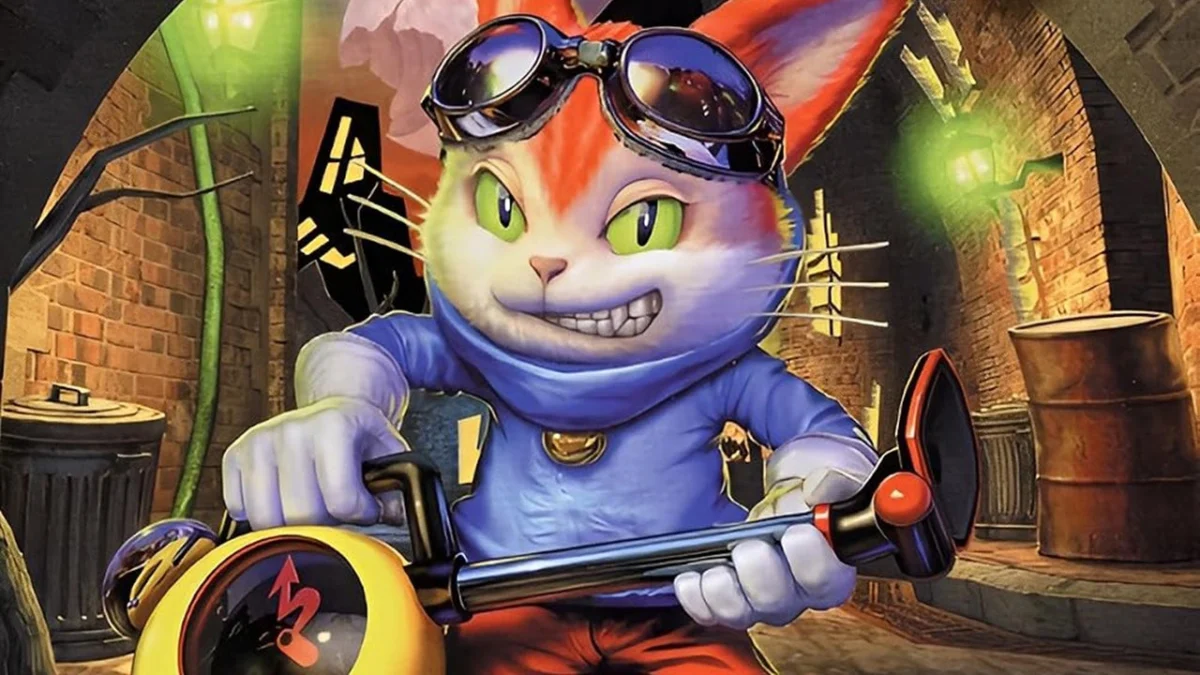
In a surprising strategic shift that has caught the gaming industry off guard, Microsoft has officially launched "Xbox Backward Compatibility on PC." This new initiative aims to bridge the gap between historical console libraries and modern PC hardware, allowing users to play classic Xbox titles on Windows PCs and handheld devices like the ROG Ally.
The announcement comes at a turbulent time for the Xbox brand. Following the difficult news of 3,200 layoffs and the closure of four major development studios, Microsoft is navigating a period of internal restructuring. While leadership has faced criticism for a seemingly muddled vision regarding future exclusives, this latest project serves as a clear signal that the company is leaning into its strongest asset: its back catalog.
Main Facts: Bringing the Classics to Modern Hardware
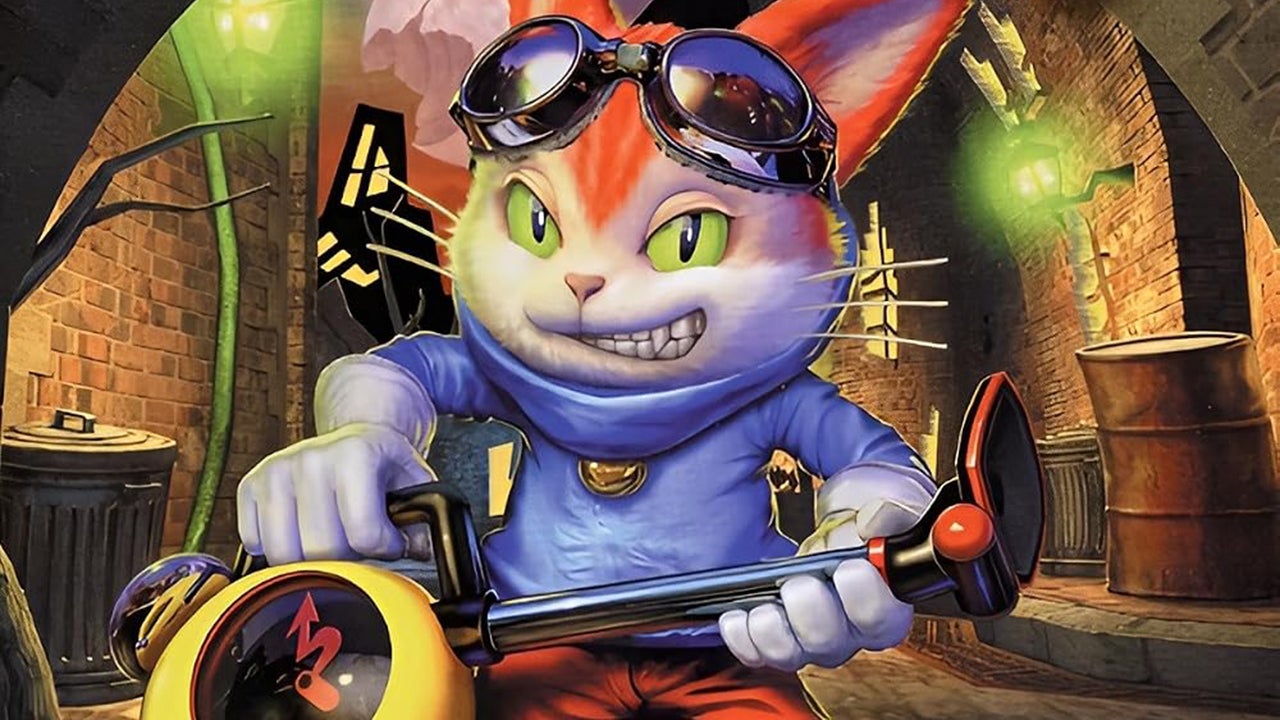
The program launches with four titles that defined their respective eras: Blinx: The Time Sweeper, Conker: Live and Reloaded, Crimson Skies: High Road to Revenge, and Fuzion Frenzy.
Beyond mere emulation, Microsoft has implemented a suite of modern graphical enhancements. According to the official Xbox Wire announcement, players can expect:
- Resolution Scaling: Support for up to 4x resolution upscaling.
- Display Flexibility: Fullscreen, windowed modes, and VSync support.
- Visual Enhancements: Anisotropic filtering and advanced anti-aliasing techniques.
Perhaps most importantly for long-time fans, the initiative respects digital ownership. If a player already owns a digital license for these titles on an Xbox console, that license now carries over to their PC or handheld device, effectively unifying the user’s library across platforms. The games are also integrated into the Xbox Game Pass ecosystem, and the company has confirmed that cloud-save support is included, allowing for seamless transitions between hardware.
Chronology: From Console Preservation to PC Expansion
To understand the significance of this move, one must look at the evolution of Xbox’s philosophy toward game preservation.
- 2015–2021: Xbox established itself as the industry leader in backward compatibility. The team, led by figures like Jason Ronald, famously cracked the code on running original Xbox and Xbox 360 games on the Xbox One and Xbox Series X/S, often applying performance boosts (FPS Boost) and resolution enhancements without requiring developer intervention.
- 2022–2025: As the focus shifted toward massive day-one Game Pass releases and live-service models, the dedicated backward compatibility team was largely folded into other departments. Many fans feared the project had reached its end.
- Mid-2026 (Current): Facing pressure to stabilize its gaming division after significant layoffs, Microsoft has effectively revived the spirit of the project. By pivoting to PC, the company is addressing a massive, untapped audience that never owned an Xbox console but is interested in the brand’s history.
Supporting Data: Why This Matters for the Industry
The state of game preservation is currently at a critical juncture. As digital storefronts close and physical media becomes increasingly rare, major publishers are often criticized for failing to keep older titles playable.
While the initial four titles—Blinx, Conker, Crimson Skies, and Fuzion Frenzy—are perhaps not the "system sellers" that would drive console hardware sales, they represent a vital proof-of-concept. The data suggests that there is a significant market for "retro-modern" gaming. Handheld PCs have exploded in popularity, and these classic Xbox titles are perfectly suited for shorter, session-based play on the go.
Furthermore, the commitment to "carry-over" licenses sets a standard for consumer-friendly practices that competitors have yet to match. While Sony and Nintendo have often relied on subscription-based cloud streaming for their legacy content, Microsoft’s approach—offering direct, enhanced ports—feels more aligned with the long-term preservation goals advocated by groups like GOG (Good Old Games).
Official Responses and Future Outlook
Jason Ronald, VP of Next Generation at Xbox, provided a teaser for what lies ahead. "We plan to add even more features to Xbox Backward Compatibility games in the future," he stated. This includes the implementation of Xbox Achievements for the current launch titles, which are expected to roll out in the coming months.
However, the rollout has been viewed by some analysts as a "break in case of emergency" strategy. The sudden announcement, combined with the modest initial library, suggests that this initiative may have been accelerated to provide a "win" for the Xbox brand amidst a series of PR challenges.
Critics have noted that the selection of games feels slightly fragmented. Whether this is a deliberate "slow burn" rollout or a limitation of the current emulation technology remains to be seen. Regardless, the promise of more features—such as integrated achievements—indicates that Microsoft is treating this as a serious, ongoing software-as-a-service project rather than a one-off gimmick.

Implications: A Shifting Competitive Landscape
The launch of this program arrives as the industry prepares for a potential post-physical media landscape. With reports indicating that Sony may cease physical game releases for PlayStation by 2028, the responsibility for maintaining access to gaming history is increasingly falling on platform holders.
The Xbox Advantage
By making these games available on PC, Microsoft is effectively decoupling its legacy library from its hardware. This is a brilliant strategic move; it keeps the Xbox brand relevant on the platform where the most gamers reside: Windows.
The Preservation Battle
Platforms like GOG have long fought for the right to own and preserve software. By embracing backward compatibility on PC, Microsoft is tacitly acknowledging that games are cultural artifacts, not just disposable software products. If Microsoft continues to expand this library—perhaps including high-profile titles from the Xbox 360 era that were previously "stuck" on console—it could become the premier destination for retro gaming.
The Hardware Conflict
There is, however, an underlying tension. If users can play the best of the Xbox library on a high-end gaming PC or a handheld device, what is the incentive to purchase the next iteration of the Xbox console? Microsoft’s leadership appears to be betting that the ecosystem—Game Pass, the store, and the community—is more valuable than the hardware itself.
Conclusion
The introduction of Xbox Backward Compatibility on PC is a welcome development in an industry that too often discards its own history. While the launch is modest, the infrastructure and the consumer-friendly policies behind it—specifically the transferability of digital licenses—are highly commendable.
As the gaming world faces an uncertain future regarding physical media and digital ownership, Microsoft has taken a decisive step toward ensuring that titles like Crimson Skies remain playable for decades to come. Whether this program evolves into a comprehensive, genre-defining service or remains a niche addition to the Game Pass library, it is undeniably a move in the right direction. For now, players can once again experience the charm of Blinx or the chaotic fun of Fuzion Frenzy, marking a small but meaningful victory for players and preservationists alike.
 Sagoh
Sagoh  Lina Irawan
  Asep Darmawan