
 By Jia Lissa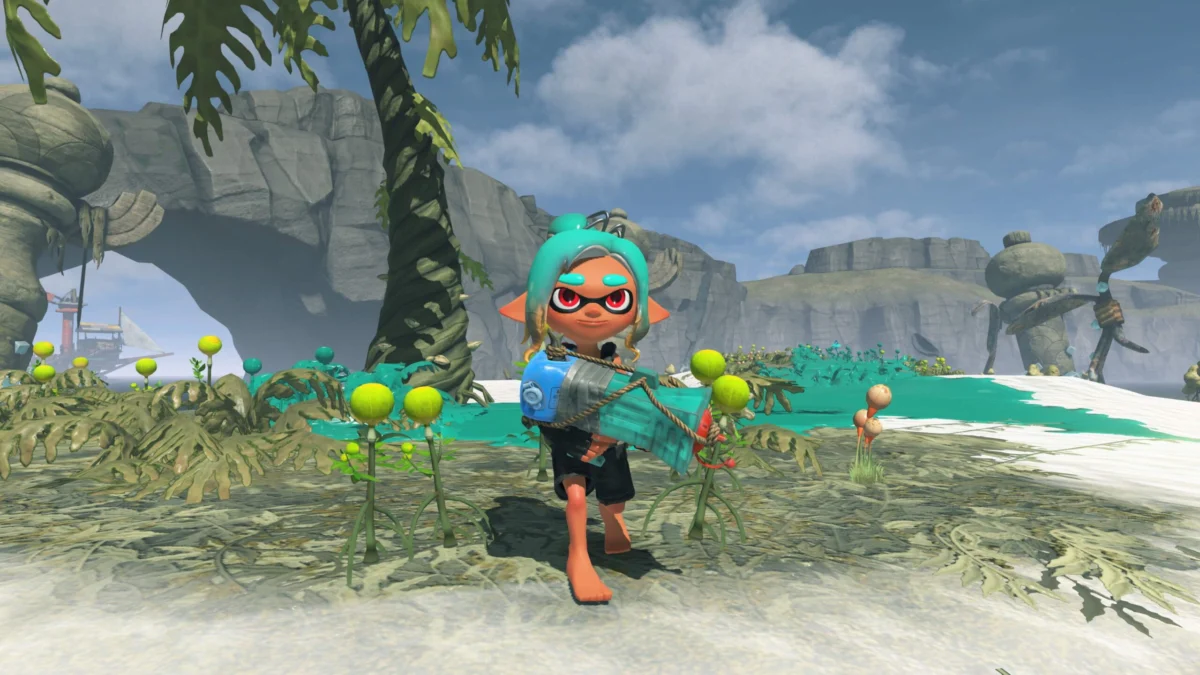
As the release of Splatoon Raiders approaches on July 23rd for the Nintendo Switch 2, the gaming community finds itself at an inflection point. For nearly a decade, the Splatoon franchise has been synonymous with fast-paced, four-on-four competitive turf wars. However, with the launch of this latest spin-off, Nintendo is daring to shift the focus from competitive dominance to cooperative, looter-shooter-inspired PvE (Player vs. Environment) action.
In a deep-dive "Ask the Developer" session, key members of Nintendo EPD—producer Seita Inoue, director Yoshihiko Ito, art director Koji Sonoyama, and sound director Shu Tamura—have pulled back the curtain on the creative evolution of the title. This transition marks more than just a change in genre; it represents a fundamental rethinking of how the ink-based mechanics of Splatoon can sustain long-form, solo, and co-operative play.
The Core Concept: Why a Spin-off?
The question on everyone’s mind is why Nintendo chose to pursue Splatoon Raiders rather than a traditional Splatoon 4. Producer Seita Inoue was clear during the developer interview: the goal was to provide an experience where players could "savor the action" on their own terms.
"We thought it might be interesting to create something with a slightly different approach to gameplay," Inoue explained. "That said, we will continue to develop competitive gameplay going forward. That’s why we developed this game as a spin-off and not as Splatoon 4."
By isolating the PvE loop, Nintendo has effectively separated the competitive intensity of the core series from the strategic, progression-based loop of a looter-shooter. This allows for a more focused experience where weapon progression, character builds, and mission variety take center stage, rather than the twitch-reflex demands of ranked multiplayer.
Chronology of Development: From Fortress-Building to Dynamic Action
The journey to Splatoon Raiders was not a straight line. The development team spent considerable time prototyping different mechanics to see how they could translate the "Splatoon-ness" of the series into a PvE environment.
The Prototype Phase
Early in the development cycle, the team experimented with base-defense mechanics. The initial vision was to have players place traps throughout a level, turning the map into a gauntlet for waves of Salmonids. "The first thing we tried was building gameplay around placing traps," director Yoshihiko Ito revealed. "The idea was to place traps all over the place and to fight alongside them."
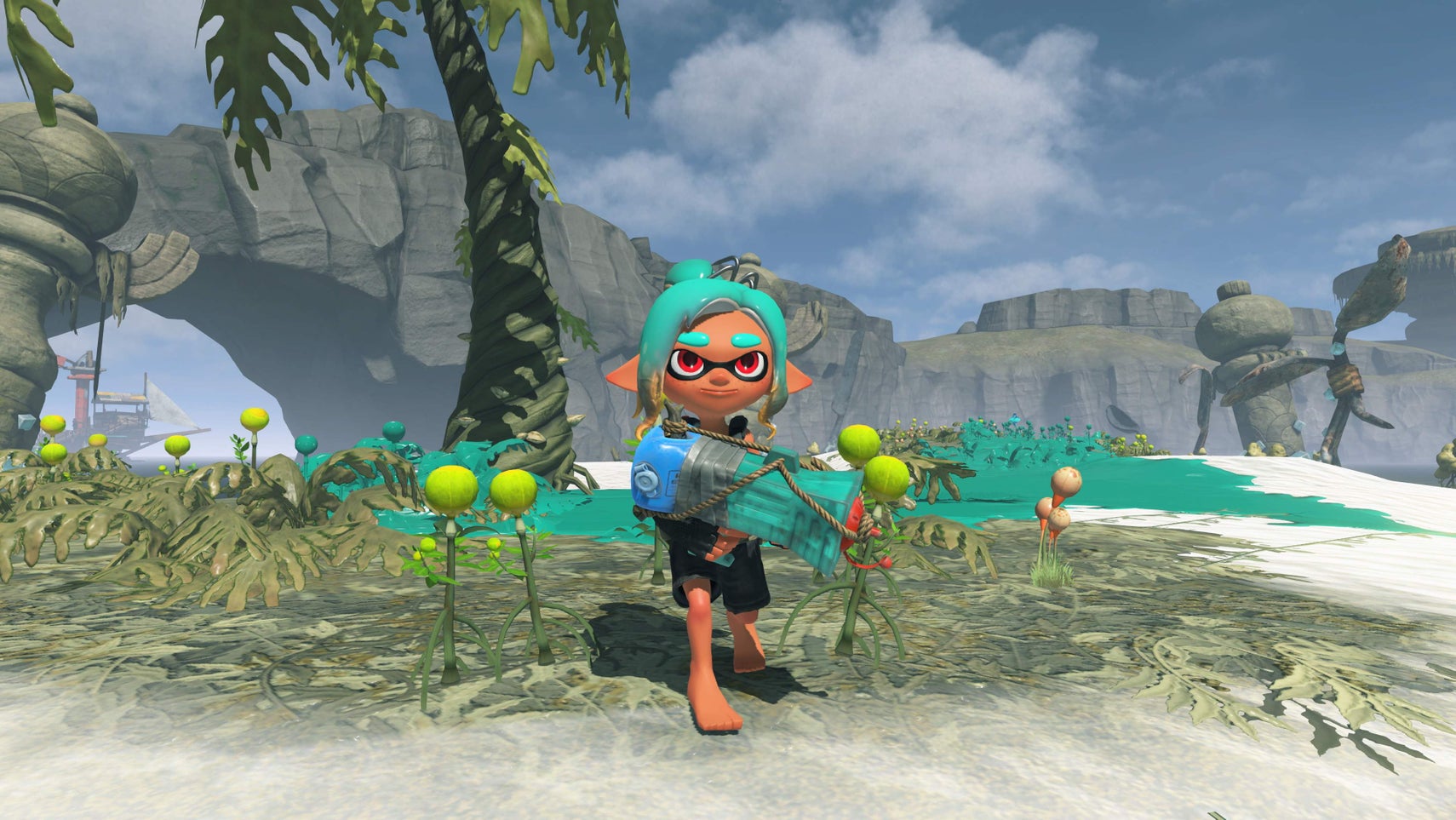
However, the team soon realized that this approach felt passive. The core appeal of Splatoon has always been the tactile, rhythmic sensation of movement and ink-spraying. The trap-heavy prototype resulted in players feeling detached from the action; they were essentially watching a simulated battle rather than participating in a visceral combat experience.
Restoring the "Splatoon-ness"
The development team identified that the magic of Splatoon lies in the "sense of unity between the player and the character." Whether through the gyro controls or the satisfying feedback of firing ink, the team felt that the game needed to remain an active shooter.
"The team felt there was a strong sense of action and dynamic encounters, and they wanted to preserve that," notes the development report. Consequently, the team pivoted. They stripped away the reliance on static traps and focused on expanding the player’s personal mobility and combat repertoire. This led to the inclusion of "gadgets"—items that fundamentally change how players interact with the environment and fight off enemies.
Supporting Data: The Looter-Shooter Loop
The success of Splatoon Raiders hinges on its ability to sustain player interest over dozens of hours. Unlike a standard match-based shooter, Raiders relies on a progression loop that rewards player time with loot, upgrades, and increased difficulty scaling.
Equipment and Skill Progression
The progression in Splatoon Raiders is twofold. First, there is the horizontal and vertical growth of equipment. Players earn new weapons and gear that modify stats, allowing for a build-centric approach to combat. Second, the game focuses on the "ultimate multitasker"—a concept director Yoshihiko Ito highlights as a primary goal.
By rewarding players for mastering both their gear and their mechanical skill, the game encourages a deeper level of engagement. As players progress through increasingly difficult missions and face off against gargantuan Salmonid bosses, the necessity of fine-tuned loadouts becomes apparent. The game is designed to challenge players to manage ink resources, mobility, and gadget usage simultaneously, creating a high-skill ceiling that keeps the PvE loop engaging.
Official Developer Perspectives
The "Ask the Developer" volume provides rare insight into the synergy between different departments at Nintendo.

- Seita Inoue (Producer): Emphasized the "spin-off" status of the title, clarifying that this game serves as an experimental ground for PvE mechanics rather than a replacement for the competitive series.
- Yoshihiko Ito (Director): Highlighted the shift from "trap-based" to "active-combat" gameplay. His philosophy centers on the player taking an active, physical role in the destruction of enemies.
- Koji Sonoyama (Art Director): Focused on maintaining the vibrant, chaotic aesthetic of Splatoon while scaling it to support larger, more horde-heavy environments.
- Shu Tamura (Sound Director): Addressed the importance of audio cues in a game where spatial awareness is paramount, particularly in hectic, co-operative settings.
Implications for the Future of Nintendo
The launch of Splatoon Raiders on the Switch 2 is a significant signal regarding Nintendo’s hardware and software strategy.
A New Platform, A New Direction
By launching this title on the Switch 2, Nintendo is likely utilizing the increased processing power to handle larger hordes of enemies, more complex particle effects, and higher-fidelity environments. The switch to a looter-shooter model also implies that Nintendo is comfortable leaning into "Games-as-a-Service" (GaaS) elements, provided they retain the "Nintendo polish" and local/co-op sensibilities.
Impact on the Franchise
If Splatoon Raiders succeeds, it establishes a secondary pillar for the Splatoon brand. It proves that the franchise is versatile enough to support genres outside of the arena shooter. This could lead to a future where Splatoon titles are released in alternating cycles: one entry focusing on competitive e-sports, and the next on cooperative, narrative-driven, or loot-heavy PvE adventures.
Critical Reception
Early reviews, including Eurogamer’s four-star assessment, suggest that the game succeeds in its primary goal: providing a "hectic, often overwhelming delight." While some might argue the gameplay loops are simple—boiling down to "blasting something and trying to stay alive"—the execution of that loop is what differentiates Splatoon Raiders from its competitors. It manages to feel like a high-octane action game while retaining the charm and accessibility that defines the Nintendo label.
Conclusion
Splatoon Raiders represents a calculated, creative risk. By moving away from the safety of competitive turf wars and into the complex, often crowded genre of the PvE looter-shooter, Nintendo has forced itself to re-examine the core mechanics that make Splatoon such a beloved franchise.
Tomorrow’s launch will serve as the true test of whether this "rethinking of the approach" will resonate with the millions of fans who have spent years in the competitive ink-splattered arenas of the past. If the developers’ dedication to dynamic, action-oriented movement and deep progression systems holds true, Splatoon Raiders may well be the first essential title for the Nintendo Switch 2, proving that even a decade-old franchise can find new ways to make a splash.
 Lina Irawan
  Asep Darmawan
  Nana Wu