
 By Sagoh
In the modern digital landscape, the "one-size-fits-all" approach to email marketing is rapidly becoming a relic of the past. Thousands of businesses continue to blast identical campaigns to entire subscriber lists, treating a customer who purchased a product for a specific dermatological condition the same as one who bought it as a last-minute gift. This generic strategy is not merely inefficient; it is a missed opportunity to build the kind of hyper-personalized relationships that define successful modern brands.
The solution to this disconnect lies in the adoption of zero-party data. As third-party cookies crumble and consumer privacy concerns shift the regulatory goalposts, zero-party data has emerged as the gold standard for sustainable, high-conversion email marketing.
The Evolution of Consumer Data: From Inference to Intent
To understand the shift toward zero-party data, one must first distinguish it from the traditional data streams that have dominated digital marketing for the last two decades.
The Data Hierarchy
- Third-Party Data: Aggregated information gathered by external sources. With the sunsetting of third-party cookies and aggressive tracking restrictions from Apple (iOS) and Google, this source is effectively becoming obsolete.
- First-Party Data: Behavioral insights collected directly from a brand’s ecosystem, such as purchase history, browse activity, and email clicks. While useful, it relies on inference—guessing what a customer wants based on what they have done in the past.
- Zero-Party Data: Coined by Forrester Research, this is information that customers share intentionally and proactively. It is a direct signal of intent, preference, and lifestyle, provided in exchange for a perceived value or a more personalized experience.
The fundamental difference is the "inference gap." When you rely on behavioral data, you are interpreting actions. When you leverage zero-party data, you are listening to declarations. If a customer tells you via a quiz that they have sensitive skin and a specific budget, you no longer need to guess—you have the blueprint for their entire buyer journey.
A Chronology of the Privacy Shift
The industry’s pivot toward zero-party data was not sudden, but rather the result of a multi-year convergence of policy and technology:
- The GDPR/CCPA Era (2018–2020): Regulatory frameworks began prioritizing user consent, signaling the end of the "wild west" era of data collection.
- The Death of the Cookie (2021–2023): Major browsers began blocking third-party tracking, forcing marketers to look inward at their own databases.
- The Rise of Transparency (2024–Present): Consumers have become increasingly skeptical of how their data is used. Brands that prioritize "honest" data collection—where the customer is an active participant in the value exchange—are winning the trust battle.
The Power of the Pre-Purchase Quiz
The most effective tool for gathering zero-party data at scale is the interactive quiz. A well-designed quiz serves three distinct functions: it creates an engaging experience, it provides immediate value to the user (such as a tailored recommendation), and it establishes a data-rich segment before a transaction has even occurred.
Designing for Conversion
For a quiz to be effective, it must be more than just a data extraction form. High-performing quizzes operate on the principle of "utility-first" design:
- Intent-Based Questioning: Every question must feel like a step toward a better outcome for the user.
- Mapping to Automation: Data collected must be mapped directly to an email service provider (ESP) like Omnisend. If the answer "I have oily skin" does not trigger a specific, tailored welcome flow, the data remains trapped in a spreadsheet.
- Length Optimization: Studies indicate that engagement drops significantly after eight questions. Keep the barrier to entry low while keeping the insights high-impact.
Post-Purchase: The Lifecycle of Learning
Collecting data does not stop at the point of sale. Many brands fall into the trap of assuming their work is done once a customer makes a purchase. In reality, the post-purchase phase is a critical juncture for gathering context that analytics cannot reveal.
Surveys and Preference Centers
A survey sent 24 to 48 hours after product delivery can uncover "hidden segments." For instance, a brand might discover that 40% of their top-selling product is being purchased as a gift. Marketing to a gift-giver requires an entirely different tone and strategy than marketing to a repeat, personal-use buyer.
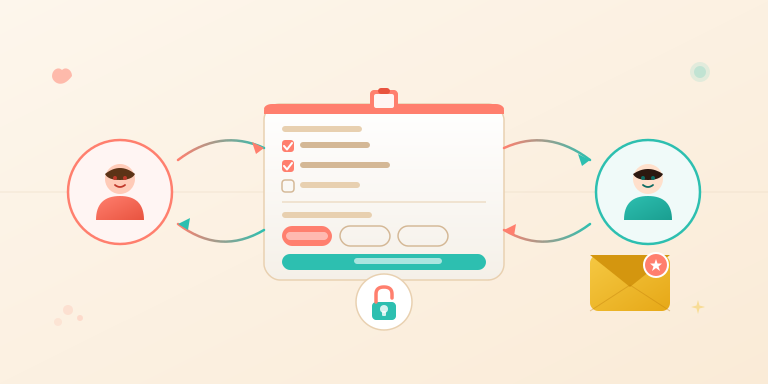
Furthermore, the Preference Center is perhaps the most underutilized tool in the retention toolkit. Instead of forcing a binary choice—"stay on the list" or "unsubscribe"—a well-structured preference center empowers the subscriber to curate their own experience. By allowing them to choose their preferred content frequency and topics, brands demonstrate respect for the subscriber’s time, which builds long-term loyalty and reduces churn.
Implications for the Modern Ecommerce Business
The implications for businesses that fail to adopt this strategy are clear: they will struggle with declining open rates and lower customer lifetime value (CLV). Conversely, businesses that embrace zero-party data enjoy several competitive advantages:
- Increased Relevance: By aligning content with user-declared needs, brands see higher engagement across the board.
- Durable Infrastructure: Because this data is owned and volunteered by the customer, it is immune to the whims of privacy policy changes or algorithm updates.
- Operational Efficiency: Automating flows based on zero-party data reduces the manual workload of segmentation, as the system effectively "segments itself" based on user input.
Turning Data into Actionable Automations
Collecting data is merely the first step; the true value lies in the infrastructure that makes that data actionable. Advanced platforms like Omnisend allow businesses to store custom properties at the subscriber level, enabling dynamic, granular segmentation.
For example, a subscriber who identifies as a "beginner" in a brand’s quiz can be funneled into an educational, low-pressure onboarding sequence. Simultaneously, an "expert" user can be moved directly into a product-heavy or high-intent sequence. Neither user receives the "generic" experience, and both feel as though the brand understands their specific needs.
Official Strategies for Implementation
For founders and marketers looking to implement these systems, the following roadmap is recommended:
- Audit Your Current Flow: Determine which stages of your customer journey lack personalization.
- Integrate Data Sources: Ensure your quiz, survey, and preference center tools are natively integrated with your ESP.
- Standardize Data Mapping: Define exactly how each answer maps to a profile property or tag. If a data point doesn’t influence a future email, don’t ask for it.
- Test and Refine: Use A/B testing to refine your quiz questions and survey prompts, focusing on the ones that generate the highest completion rates and the most useful insights.
The Future of the Inbox
The brands that win in the coming years will not be those with the largest lists, but those with the most "useful" subscriber data. When a customer provides information—whether through a quiz answer or a survey response—they are signaling a level of trust. They are inviting the brand into their personal sphere with the expectation of value in return.
Treating that information with respect is the cornerstone of sustainable growth. By moving away from passive observation and toward active, consensual data collection, marketers can move beyond the "guesswork" of the past and build an email program that feels less like a broadcast and more like a conversation.
Taking the Next Step
For those looking to upgrade their infrastructure, platforms like Omnisend offer the necessary tools to scale this approach, from custom properties to seamless quiz integrations. For founders, the transition to a more sophisticated email architecture is often simpler than anticipated, with many providers offering migration services to move lists and flows without disrupting business operations.
In a world of noise, relevance is the ultimate currency. Zero-party data is how you buy into your customers’ lives, and it is the only way to ensure your brand earns its place in their inbox for the long haul.
 Suro Senen
  Evan Lee Salim
  Ammar Sabilarrohman