
 By Nana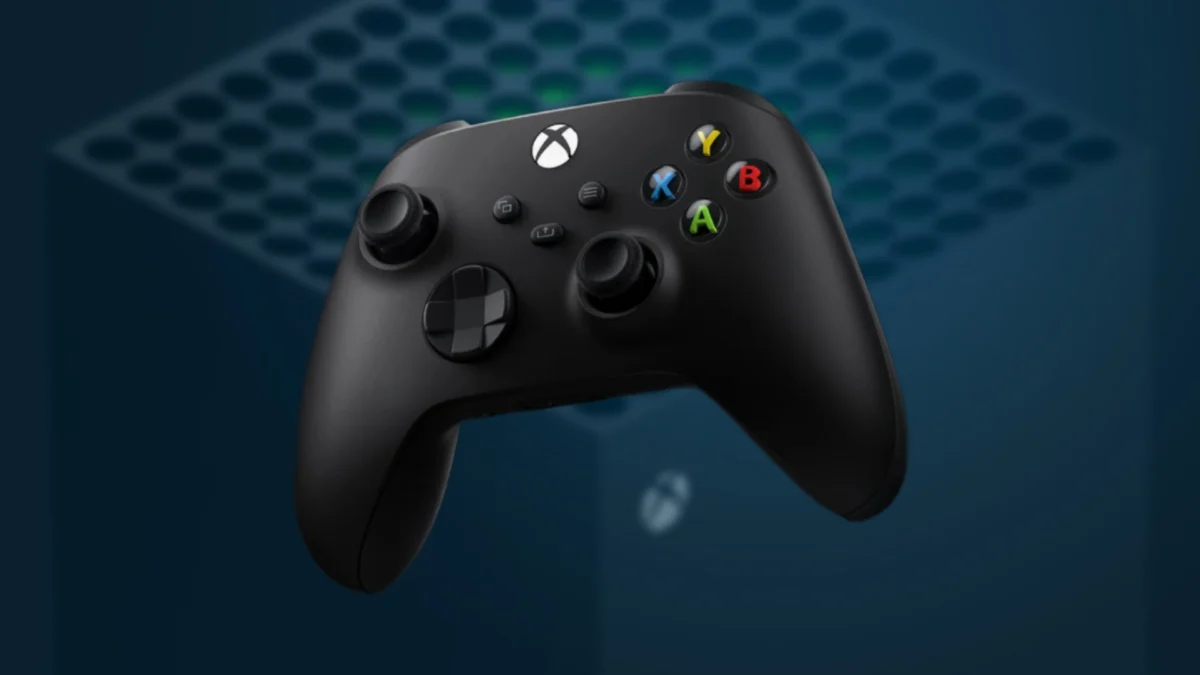
The global video game industry, a sector often defined by its rapid cycles of innovation and massive consumer engagement, is currently navigating a period of significant volatility. According to the latest monthly report from market research giant Circana, the United States gaming market experienced a sharp contraction in June 2026. Across hardware, software, and accessories, total consumer spending plummeted by 21 percent compared to the same period in the previous year, with revenues falling from $5.7 billion to $4.5 billion.
While the figures appear grim at first glance, industry analysts caution against interpreting this as a sign of long-term collapse. Instead, many suggest that the market is currently caught in a "perfect storm" of high-bar comparisons and a transitional phase between major hardware releases.
The State of the Industry: Breaking Down the Numbers
The 21 percent decline in total spending is the most significant indicator of the current cooling trend. However, when viewing the industry through a year-to-date lens, the picture is more nuanced. Through the first half of 2026, total spending is only one percent behind the same period in 2025. This suggests that while June was undeniably a difficult month, the industry is essentially treading water rather than sinking.
Hardware: The Steepest Climb
The most dramatic impact was felt in the hardware sector, which saw a staggering 62 percent year-over-year decline. To understand the severity of this drop, it is necessary to look at the baseline. June 2025 marked the explosive launch of the Nintendo Switch 2, which shattered records to become the fastest-selling video game hardware device in U.S. history. Because June 2025 set the bar for the highest hardware and accessory spending in recorded U.S. history, any subsequent June would inevitably face a difficult comparison.
Software and Services: A Mixed Bag
Game content spending dropped by 12 percent overall, reflecting a broader trend of consumer caution regarding full-priced game purchases. Interestingly, the subscription model proved resilient; it was the only segment tracked by Circana to show growth, climbing by 7 percent. This indicates that while consumers may be hesitant to drop $70 on a new title, they remain deeply committed to service-based ecosystems that offer ongoing value.
Chronology of the June Slump
To understand how the market reached this point, one must examine the progression of the last few months:
- May 2026: The PlayStation 5 recorded a 58 percent year-on-year decline, its lowest performance since May 2000. Meanwhile, the Xbox ecosystem hit its own historic low, struggling to maintain momentum during a quiet release period.
- Early June 2026: Anticipation for new software releases was high, but the market began to show signs of hardware exhaustion. The Nintendo Switch 2, while still the market leader, began to normalize after its record-breaking 2025 debut.
- Mid-June 2026: New releases such as UFC 6 and the viral sensation Meccha Chameleon (which surpassed 4 million copies sold) provided a much-needed injection of revenue. However, they were unable to offset the lack of new hardware sales.
- Late June 2026: Final data confirmed a cooling period across the board, with hardware sales failing to find a new floor, leading to the reported 21 percent aggregate decline.
Platform-Specific Performance: A Tale of Three Giants
The performance of the "Big Three" manufacturers—Nintendo, Sony, and Microsoft—provides a fascinating look at how different market strategies are weathering the current downturn.
Nintendo: Managing the Hangover
The Nintendo Switch 2 remains the best-selling platform in both unit and dollar sales for the month of June and continues to hold the lead year-to-date. However, the decline is undeniable; spending on the platform dropped by 79 percent compared to June 2025. While this number is jarring, it is a predictable byproduct of "launch-year syndrome," where the sheer volume of early adopters creates an impossible benchmark for the following year.

Sony: Finding Stability
The PlayStation 5, while still down 19 percent year-on-year, showed signs of a potential recovery. After a disastrous May, the platform’s performance in June suggests that the console has reached a stabilization point. Despite being the second-place platform in both unit and dollar sales, the PS5 remains the preferred choice for high-fidelity, AAA gaming experiences, which continues to drive consistent, if moderated, hardware and accessory revenue.
Microsoft: The Xbox "Growth" Anomaly
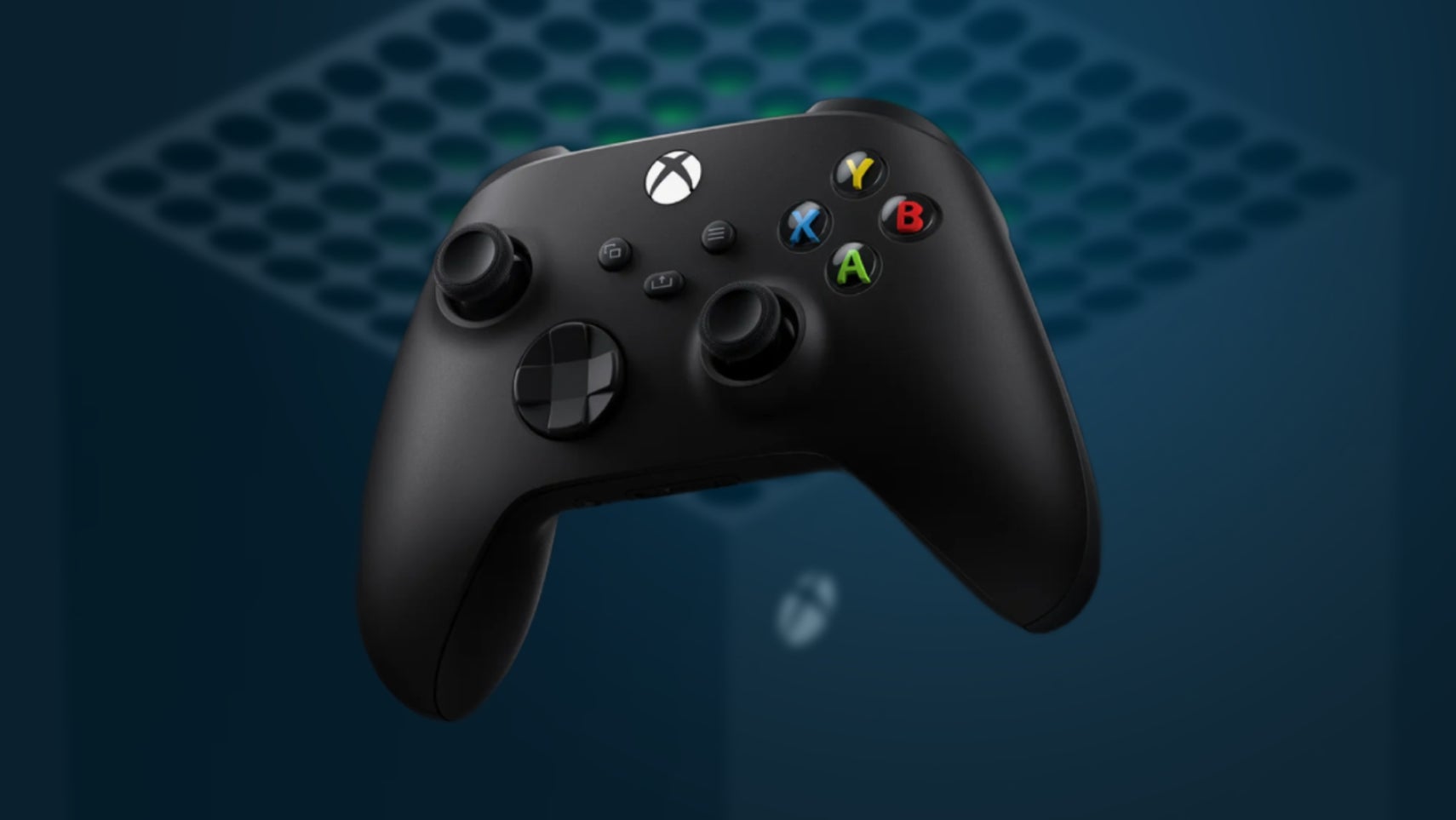
Perhaps the most surprising statistic in the Circana report is the performance of the Xbox Series X/S. Microsoft’s hardware spending more than doubled compared to June 2025. While this sounds like a massive success, context is essential: the platform is rebounding from the lowest-ever sales figures recorded for a May month. By effectively "starting from the bottom," any increase in marketing or bundle activity was destined to show high percentage growth. Whether this represents a genuine shift in consumer interest or merely a successful clearing of inventory remains to be seen.
The Software Landscape: New Hits and Viral Trends
Despite the decline in spending, the software market saw significant activity. The release of UFC 6 took the top spot, proving that sports simulation titles continue to hold a massive, loyal audience. The most notable development, however, was the success of Meccha Chameleon. The indie-turned-viral-hit has achieved over 4 million sales, highlighting the continued power of social media-driven gaming trends to disrupt the market even during economic downturns.
Star Fox also made a respectable debut, landing at the number four position. The presence of these titles in the top ten demonstrates that while the industry is cooling, consumer appetite for high-quality, engaging content remains robust.

Implications for the Second Half of 2026
If the first half of the year was defined by a difficult transition and "hangover" effects from record-breaking 2025 sales, the industry is positioning the second half of 2026 as a comeback story.
The industry is entering a "heavy" period for game releases. July and the subsequent months are expected to provide a substantial lift to the overall spending figures. Anticipated titles—such as Assassin’s Creed Black Flag Resynced, EA Sports College Football 27, Splatoon Raiders, and the highly anticipated Halo: Campaign Evolved—are expected to drive significant software revenue.
Furthermore, the industry is waiting with bated breath for the release of Grand Theft Auto 6. Historically, entries in the GTA franchise have the power to single-handedly shift market metrics, driving hardware sales and record-breaking software attach rates. When combined with the continued resurgence of titles like Palworld, the July-December period is projected to be the engine that pulls the industry back into positive growth territory for the fiscal year.
Conclusion: A Temporary Correction or a Long-Term Trend?
The June 2026 report is undoubtedly a sobering document for stakeholders and investors. However, when examined in the context of record-breaking prior-year performance and the cyclical nature of the gaming market, it is likely a temporary correction rather than a systemic decline.

The industry is currently in a state of flux, balancing the exhaustion of the "new console" phase with the preparation for a massive software pipeline. As the market pivots toward the heavy-hitting releases of the holiday season, the focus will shift from the dry spells of early summer to the potential of a record-setting winter. For now, the takeaway is clear: the gaming industry is not losing its audience, but it is waiting for the next big catalyst to ignite the next wave of consumer spending.
 Lina Irawan
  Asep Darmawan
  Nana Wu