
 By Dwi Wanna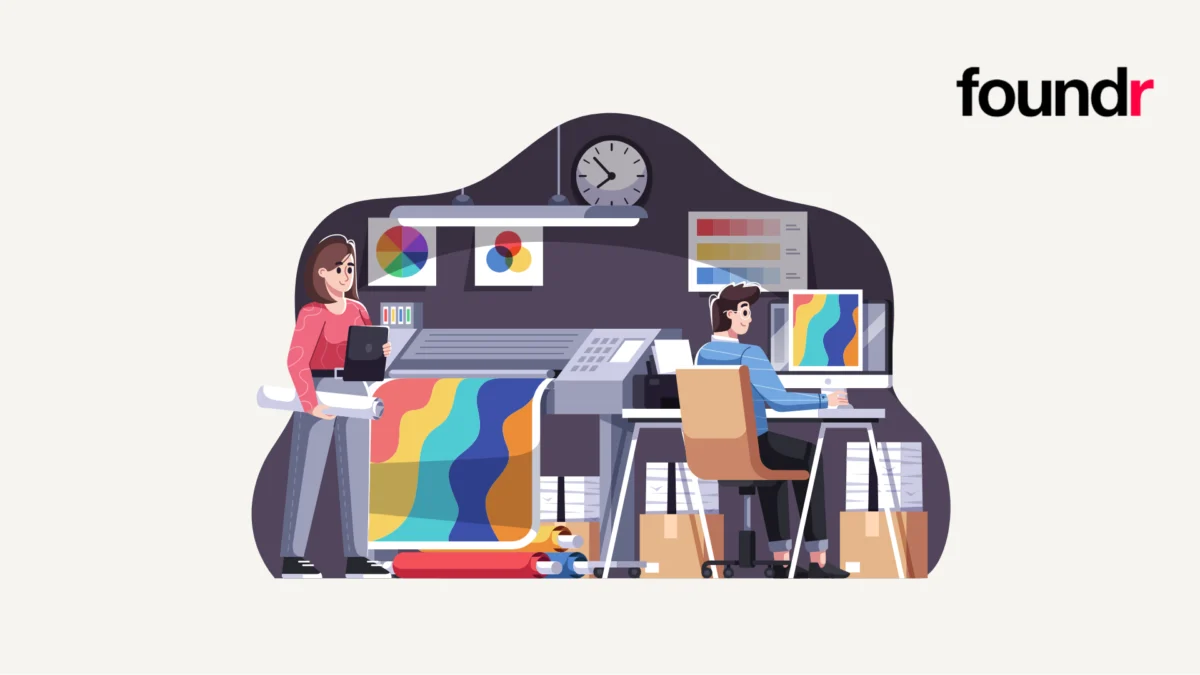
In the modern digital economy, the barrier to entry for aspiring entrepreneurs has never been lower. Yet, the traditional hurdles of retail—inventory management, warehousing, and the crushing overhead of unsold stock—remain the primary "graveyard" for new businesses. Enter Print-on-Demand (POD), a fulfillment model that has fundamentally altered the landscape of e-commerce. At the center of this movement is Printful, a platform that has become synonymous with the "sell first, produce later" philosophy.
Whether you are a creator looking to monetize your art or a startup founder testing the viability of a new clothing line, understanding the machinery behind Printful is essential. This guide explores the platform’s architecture, its strategic implications for business owners, and why it remains a pivotal tool in the 2025 e-commerce ecosystem.
The Core Concept: What is Printful?
At its most fundamental level, Printful is a white-label, print-on-demand fulfillment partner. Unlike traditional retail models that require a merchant to purchase stock in bulk, Printful operates on a "just-in-time" manufacturing basis. When a customer purchases a product from your online store, the order data is automatically routed to a Printful facility. They print, package, and ship the item directly to your customer under your brand name.
The platform serves as the bridge between a merchant’s digital storefront and the physical manufacturing floor. By integrating directly with major e-commerce ecosystems—including Shopify, WooCommerce, Etsy, and Amazon—Printful removes the logistical friction of order fulfillment.
Chronology of the POD Evolution
To understand why Printful dominates the market today, one must look at the shift in consumer manufacturing trends over the last decade:
- Pre-2010s: E-commerce was dominated by the "Bulk-Buy" model. Entrepreneurs had to predict demand, source inventory from overseas, and risk thousands of dollars in capital on stock that might never sell.
- 2013–2015: Printful launches, capitalizing on the rising popularity of Shopify. The platform addresses the "inventory trap" by offering high-quality DTG (Direct-to-Garment) printing on demand.
- 2016–2020: The rapid expansion of "Creator Economies" sees influencers and artists leveraging POD to launch merchandise without the need for a warehouse or supply chain expertise.
- 2021–Present: The focus shifts toward global fulfillment and sustainability. Printful expands its global infrastructure, adding localized printing hubs to reduce shipping times and carbon footprints, cementing its status as an enterprise-grade solution.
Supporting Data: The Business Case for POD
The allure of Printful lies in its risk-mitigation profile. For a lean startup, the numbers are compelling:

- Zero Inventory Risk: Traditional retail requires an upfront investment that can exceed $5,000–$10,000 for a basic product launch. With Printful, the "cost" is only realized after the sale is made.
- Scalability: A merchant can start with one design and scale to a catalog of 500+ items without hiring a logistics team.
- Reduced Overhead: By outsourcing warehousing, packaging, and shipping, founders reclaim 20–30 hours per week typically spent on manual order fulfillment, allowing them to focus on marketing and customer acquisition.
However, data also suggests a "profitability ceiling." Because Printful charges a premium for the service of on-demand production, the cost-per-unit is higher than bulk-wholesale printing. Industry benchmarks show that while POD margins typically hover around 20–35%, moving to bulk manufacturing after proving a product’s viability can push those margins toward 50–60%.
The Operational Reality: Official Responses and Insights
When we examine the platform’s utility, the feedback from founders is consistent: Printful is not a "get rich quick" scheme; it is an infrastructure play.
Quality Control and Brand Integrity
A recurring concern for entrepreneurs is the "blind spot" of quality control. Because the merchant does not touch the product, there is an inherent reliance on the fulfillment partner. Printful has addressed this by implementing rigorous internal quality checks, including automated image-check tools that analyze print files for resolution issues before production begins.
The "White Label" Advantage
One of the most frequent questions from prospective users is, "Will the customer know it’s Printful?" The company has designed its service to be entirely transparent. Custom packing slips, branded stickers, and the absence of any Printful branding on the exterior of the package ensure that the customer’s journey is exclusively with your brand.
Strategic Implications: Pros and Cons
The Benefits
- Ease of Integration: With API connections to almost every major marketplace, the technical setup time is minimal.
- Design Support: The built-in mockup generator allows non-designers to create professional-looking assets, reducing the cost of hiring graphic artists.
- Global Reach: With facilities across North America, Europe, and Asia, Printful mitigates international shipping nightmares by printing closer to the customer.
The Drawbacks
- Lower Margins: As previously noted, the convenience of on-demand fulfillment costs money. This requires a premium pricing strategy to remain profitable.
- Limited Customization: You are limited to the items, colors, and printing techniques offered by the facility. For brands looking to create bespoke packaging or highly unique fabric weaves, the platform may feel restrictive.
- Lack of Direct Oversight: If a shipment is delayed or a print is misaligned, the customer’s anger is directed at the shop owner, not the fulfillment company. This necessitates a proactive customer service strategy.
Is Printful Right for Your Business?
The decision to use Printful should be viewed as a phase in your business’s lifecycle rather than a permanent solution.
You should use Printful if:
- You are in the "Validation Phase," testing which designs resonate with your audience.
- You are a content creator or influencer wanting to monetize an audience without becoming a logistics company.
- You are a niche brand that values agility and the ability to pivot designs in real-time based on social media trends.
You should consider moving beyond Printful if:
- You have a consistent "Best Seller" that sells hundreds of units per month. At this volume, the economies of scale from a local wholesaler will significantly outperform the POD model.
- Your brand requires unique packaging (e.g., custom boxes, handwritten notes, or specialized inserts) that POD facilities cannot accommodate.
Looking Ahead: The Future of POD in 2025 and Beyond
As we move further into 2025, the competitive landscape of POD is shifting toward personalization and speed. Printful is increasingly focusing on AI-integrated tools that help merchants predict which products will trend based on regional data.
The successful entrepreneur of today uses Printful as a "launchpad." It is the safest way to enter the market, build a customer base, and gather the data necessary to make informed decisions about future, larger-scale inventory investments.
Summary Checklist for Beginners:
- Validate: Start with 3–5 designs on basic products (t-shirts, hoodies, mugs).
- Optimize: Use the Printful mockup generator to ensure high-quality product photography.
- Integrate: Sync your storefront (Shopify or Etsy) to automate the entire fulfillment chain.
- Analyze: After 90 days, look at your sales data. Identify the winners, calculate your margins, and decide if it is time to move to bulk printing or stay the course with POD.
By leveraging these frameworks, you aren’t just selling products—you are building a scalable, data-driven business that is insulated from the most common pitfalls of traditional retail. The technology is ready; the question is, are you ready to launch?
Unlock your potential: Join the growing community of founders utilizing advanced e-commerce frameworks to build sustainable, profitable businesses. Whether you are scaling a passion project or launching a global brand, the tools are available to turn your vision into a reality.
 Asep Darmawan
  Suro Senen
  Evan Lee Salim