
 By Muslim
Executive Summary: A Breach of Trust
In a move that has sent shockwaves through the Canadian video game development sector, Bethesda’s Montréal studio is currently embroiled in a significant labor dispute. Following the broader wave of layoffs across Microsoft’s gaming division—which impacted approximately 3,200 employees worldwide—the Bethesda Game Studios union, known as OneBGS, has formally filed a legal complaint against the company.
The core of the dispute centers on the nature of recent terminations. According to union representatives, Bethesda informed staff of their dismissal on July 17th, offering what the union describes as the "bare legal minimum" in severance pay. This action allegedly contradicts prior assurances given to employees during a video conference on July 6th, during which staff were reportedly told they would remain employed through September while severance packages were negotiated in good faith with the union.
The Chronology of Discontent
To understand the gravity of the situation, one must look at the timeline of events that led to the current legal stand-off.
- July 6th: During an all-hands video call, management reportedly provided employees with a timeline for their continued employment, explicitly stating that staff would remain on the payroll until September. Furthermore, leadership indicated that severance packages were a matter of active negotiation with the OneBGS union.
- July 17th: In a stark departure from the July 6th briefing, employees received notification that their terminations were effective immediately. The exit packages provided were significantly reduced compared to what staff had anticipated, offering only eight weeks of pay in-lieu and outstanding vacation accrual.
- Late July: Following the receipt of these termination notices, the OneBGS union moved to file a formal legal complaint, citing a violation of Canadian labor laws.
- Ongoing: The studio remains in a state of flux as the union prepares to challenge the company’s decision in the Canadian labor courts.
The Financial Impact on Displaced Workers
The "bare minimum" severance package cited by OneBGS is a point of significant contention. By providing only the statutory minimum required by law, Bethesda has effectively circumvented the standard bargaining processes that typically accompany unionized environments.
The financial blow is compounded by the immediate cessation of benefits. According to reports from the union, employees were stripped of their access to group health insurance coverage on the day of their termination. For many workers—particularly those with dependents or ongoing medical needs—the immediate loss of healthcare in the midst of a sudden job loss creates a precarious financial situation.
OneBGS has publicly criticized this maneuver, stating, "Bethesda and Xbox leadership depend on our labor to make them millions, and yet when we do, we are disposed of. The cycle of workers paying for the mistakes of management ends here."
Corporate Context: The Xbox "Reset"
The situation at the Montréal studio cannot be viewed in isolation. It is a microcosm of the massive, industry-wide restructuring currently being undertaken by Microsoft. Earlier this month, Microsoft announced broad layoffs affecting its various gaming subsidiaries, including Double Fine, Compulsion Games, and Ninja Theory.
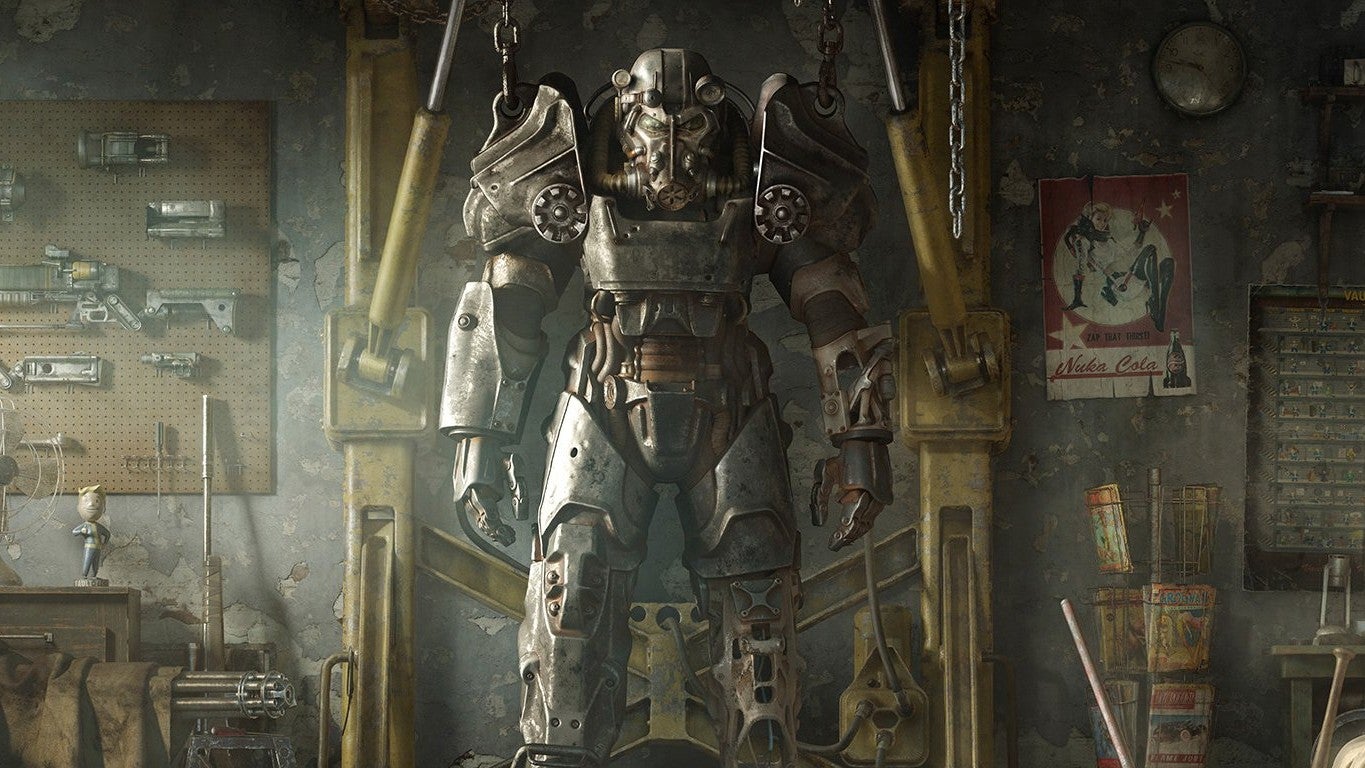
Curiously, the news of the Bethesda layoffs broke on the same day the company was aggressively pushing positive PR regarding the future of its flagship intellectual properties. Bethesda’s marketing machine was in full swing, detailing expansion plans for Fallout 76, providing updates on the pre-production phase of Fallout 5, and reaffirming the company’s commitment to The Elder Scrolls VI.

This dissonance—touting the success and longevity of these massive franchises while simultaneously trimming the workforce responsible for their development—has drawn heavy criticism from labor advocates and industry observers alike. Reports have surfaced suggesting that even high-profile projects like The Elder Scrolls VI have been impacted by the "firing spree," signaling that no corner of the studio is safe from the current cost-cutting mandates emanating from Microsoft leadership.
Implications for Canadian Labor Law
Canada maintains some of the most robust labor protections in the Western world. Unlike the "at-will" employment models common in many U.S. jurisdictions, Canadian labor laws—governed by both federal and provincial statutes—impose strict requirements on employers regarding notice periods, collective bargaining, and termination procedures.
If OneBGS can prove that Bethesda intentionally misled employees during the July 6th call, or that the company failed to engage in mandatory negotiations with the union prior to issuing termination notices, the legal ramifications could be severe. A court ruling in favor of the union could force Microsoft to provide significantly higher severance payouts, cover the cost of benefits for an extended period, or even face fines for failure to adhere to union-management protocols.
Furthermore, this case serves as a litmus test for the growing movement of game developer unionization. As the industry faces a period of correction following the pandemic-era boom, developers are increasingly turning to collective bargaining to protect themselves from the volatility of corporate "resets."

Looking Ahead: A Standoff of Principles
The decision by OneBGS to organize a protest march serves as a clear indicator that the workforce is no longer willing to accept unilateral corporate decision-making as the status quo. By declaring "We mean business," the union has signaled that it is prepared for a protracted struggle.
For Microsoft and Bethesda, the challenge is twofold. First, they must navigate the legal complexities of a high-profile labor dispute that could set a precedent for future layoffs in the Canadian tech sector. Second, they must contend with a potential PR crisis. The gaming community, which has become increasingly sensitized to the plight of developers, has begun to voice concerns about the sustainability of the current "crunch-and-cut" business model.
As the legal proceedings unfold, the gaming world will be watching closely. Whether Microsoft chooses to settle the dispute to avoid further negative attention or decides to fight the union in court, the outcome will likely shape the labor landscape for game developers for years to come. The era of "disposable" labor in the gaming industry is being challenged, and the outcome of the Bethesda Montréal case may well mark the beginning of a new chapter in corporate accountability within the interactive entertainment space.
Key Takeaways for the Industry
- Unionization as a Shield: The presence of OneBGS has provided a platform for employees to organize and challenge corporate actions that would otherwise go unchecked.
- The Cost of "Restructuring": Corporate efficiency drives that ignore the human cost are increasingly being met with legal and public resistance.
- The Canadian Standard: Companies operating in Canada must be aware that local labor laws are not merely suggestions; they are enforceable statutes that can lead to significant litigation if breached.
In conclusion, the situation at Bethesda Montréal is more than just a local labor dispute; it is a manifestation of the growing tension between the creative workforce that builds the world’s most beloved games and the corporate entities that control their livelihoods. As the industry matures, the ability of companies to manage their human capital with transparency and fairness will be just as vital as their ability to ship a successful product.
 Lina Irawan
  Asep Darmawan
  Nana Wu