
 By Laily UPN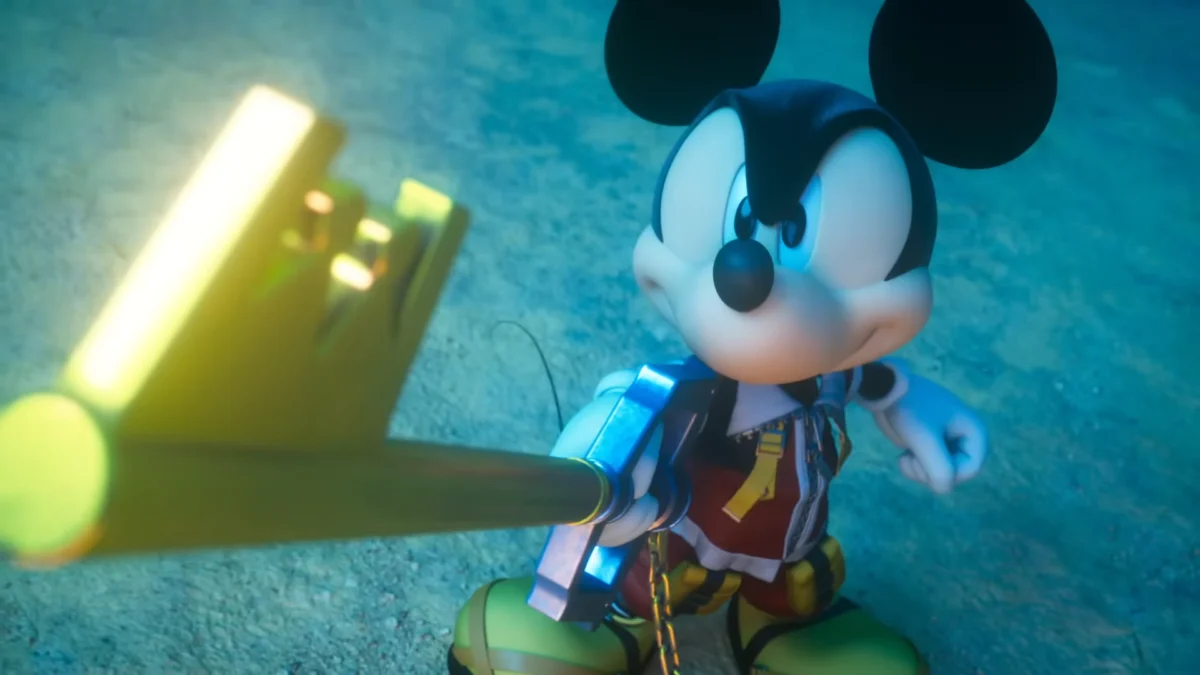
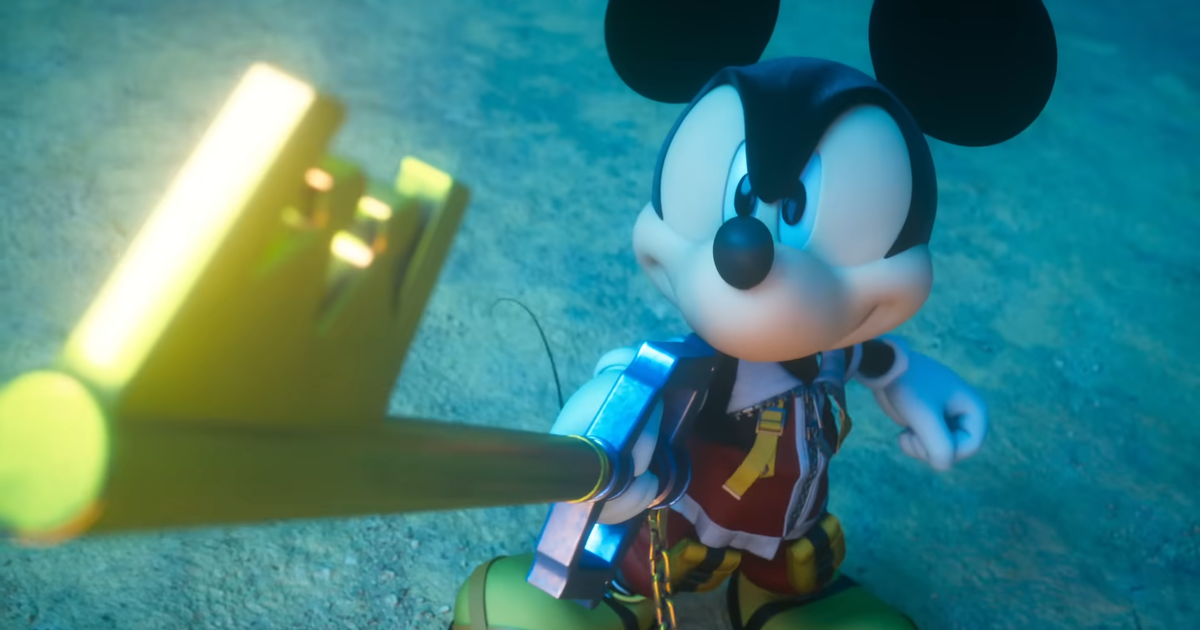
For millions of players worldwide, Kingdom Hearts is more than a video game; it is a cultural cornerstone that masterfully weaves the whimsical charm of Walt Disney animation with the complex, melodramatic narratives of Square Enix’s Final Fantasy universe. Yet, in a revelation that highlights the disconnect between corporate boardrooms and the legacy of interactive media, former Disney CEO Michael Eisner has admitted he holds no personal memory of greenlighting what would become one of the most successful franchises in gaming history.
The disclosure occurred during a recent industry panel in New York, where Eisner was promoting the gaming venture Delphi Interactive. While the industry titan has moved on to new frontiers, the revelation serves as a poignant reminder that some of history’s most influential creative decisions are often made as mere footnotes in the ledger of a massive conglomerate.
The Pitch That Almost Wasn’t: A Corporate Oversight
The origins of Kingdom Hearts are now the stuff of gaming legend. It was a project born of an unlikely meeting in an elevator between executives from Disney and Square (now Square Enix). However, behind the scenes, the path to production was far more treacherous than the polished final product suggests.
Shuji Utsumi, currently the COO of Sega, was working for Disney in Japan at the time. He was tasked with the daunting responsibility of shepherding the Kingdom Hearts proposal to the highest levels of Disney’s American leadership. According to Utsumi, the project was an "experimental" endeavor that had not yet received the official blessing of Disney headquarters.
"I was told shortly after joining the company that Square was unaware of this and was energetically developing the project, which surprised me greatly," Utsumi noted in a recent reflection.
The pressure was immense. Veteran Disney staff in Japan, wary of the risks involved in merging two distinct corporate brands, advised Utsumi to abandon the project entirely. They believed that approval from the American headquarters was a logistical impossibility. Undeterred, Utsumi engaged in a series of strategic meetings with his superiors in the United States, building the necessary groundwork to present the pitch. When the moment of truth finally arrived, Eisner’s reaction was characteristically understated. There were no grand pronouncements of genius or visionary foresight; simply a pragmatic, "Keep up the good work."
A Chronology of a Crossover Phenomenon
The journey from a vague pitch meeting to a multi-billion dollar franchise spans over two decades of technical evolution and narrative expansion.
- 2002: The Foundation: The original Kingdom Hearts launches on the PlayStation 2. It introduces Sora, Riku, and Kairi, creating a template that would define the series: the Keyblade, the Heartless, and the seamless integration of Disney worlds like Aladdin, The Little Mermaid, and Hercules.
- 2005: The Transition: As the series finds its footing, Michael Eisner concludes his tenure as Disney CEO. By this time, Kingdom Hearts had already established itself as a commercial juggernaut, proving that the synergy between Japanese RPG mechanics and Western animation was a potent formula.
- 2006–2018: The Expansion Era: The series moves through various platforms, including the Game Boy Advance, Nintendo DS, and PSP. Titles like Chain of Memories, Birth by Sleep, and Dream Drop Distance serve to deepen the lore, creating a narrative web so intricate it requires a dedicated fandom to decipher.
- 2019: The Climax: Kingdom Hearts III is released, serving as the conclusion to the "Dark Seeker Saga." It is a massive technical achievement that pushes the boundaries of Unreal Engine, featuring stunning recreations of films like Frozen and Toy Story.
- 2024–Future: With the announcement of Kingdom Hearts 4, the series prepares to enter its next phase, moving into more realistic art styles and deeper narrative themes.
Supporting Data: The Scale of the Kingdom
The financial and cultural footprint of Kingdom Hearts is staggering. As of the latest industry reports, the franchise has shipped over 36 million units globally. Its success is not merely measured in sales, but in the longevity of its community. The series has spawned countless spin-offs, mobile iterations, and high-fidelity remasters, maintaining a presence on almost every major gaming platform for over 20 years.
However, the path has not been without its setbacks. The recent cancellation of Kingdom Hearts: Missing-Link—a mobile title intended to bridge narrative gaps—serves as a reminder that even established franchises are subject to the volatility of the modern market. The developers at Square Enix made the difficult decision to shelve the project, citing concerns that it would not meet the high expectations of the core fanbase. Despite this, leaked footage showing Keyblade-wielding astronauts battling colossal Heartless entities has only served to fuel further speculation about the future direction of the series.
Official Perspectives and the "Eisner Effect"
Michael Eisner’s lack of recollection regarding the approval of Kingdom Hearts is perhaps the most human aspect of the story. In the context of a company as vast as Disney, individual game pitches—even those that eventually spawn massive franchises—can easily be lost in the shuffle of high-level executive duties.
Stephen Totilo, who interviewed Eisner for Game File, noted that the former CEO only regained a sense of the project’s identity once the specific details of the Tokyo pitch and the inclusion of Final Fantasy characters were highlighted. This disconnect between executive decision-making and the creative output of the teams on the ground is a common phenomenon in the entertainment industry.
For Utsumi, however, the experience was pivotal. His ability to navigate the corporate labyrinth allowed a project that was essentially "unauthorized" to flourish into a global phenomenon. It remains a testament to the idea that sometimes, the most successful creative endeavors are those that bypass the traditional, stifling bureaucracy of major corporations.

Implications for the Future of Creative Collaborations
The story of Kingdom Hearts serves as a case study for the value of creative risk. When Utsumi and his team decided to push for the project despite the warnings of their peers, they were betting on the belief that audiences wanted something new—a collision of two worlds that, on paper, had no business being together.
As the industry looks toward the release of Kingdom Hearts 4, the series finds itself in a unique position. It is no longer just an experiment; it is an established pillar of Square Enix’s portfolio. Yet, it must balance its legacy with the demands of a modern gaming landscape that is increasingly impatient and hyper-critical.
The lesson for developers and executives alike is clear: the most iconic products often begin as "experimental projects" that rely on the passion of mid-level managers and the persistence of creative teams. The fact that Eisner cannot recall the approval is less an indictment of his leadership and more a celebration of the creative teams who took his vague "keep up the good work" and turned it into a masterpiece.
As the series continues to evolve—moving past the closure of the Dark Seeker Saga and into new, uncharted narrative territory—it carries with it the spirit of its unlikely birth. Kingdom Hearts remains a reminder that in the world of high-stakes corporate gaming, it is the heart, the imagination, and the occasional act of defiance against the status quo that truly determine the longevity of a legacy. Whether the original architects of the deal remember it or not, the "Kingdom" they helped build is stronger than ever.
 Sagoh
Sagoh  Lina Irawan
  Asep Darmawan