 By Suro Senen
After a two-year hiatus that left the community speculating about the company’s direction under Microsoft’s stewardship, BlizzCon returns this weekend. As the industry descends upon the convention center, the atmosphere is charged with anticipation. This year’s opening ceremony, scheduled for 6:30 PM BST, is not merely a showcase of new products; it is a critical statement of intent for a studio navigating a rapidly changing landscape of layoffs, unionization, and shifting player expectations.
The Main Stage: Setting the Agenda
The opening ceremony is slated to run for approximately 75 minutes, a window of time that Blizzard typically reserves for its most explosive announcements. With the gaming industry moving toward long-term service models, the pressure on Blizzard to justify its continued dominance in the PC and console markets has never been higher.
The Return of StarCraft
The headline act, and perhaps the most closely guarded secret, is the long-rumored StarCraft shooter. Developed under the guidance of former Far Cry director Dan Hay, the project represents a significant pivot for the franchise. Rather than a traditional RTS, early reports suggest a co-op shooter experience, potentially drawing inspiration from the success of Warhammer 40,000: Space Marine 2.
Industry insiders have questioned whether a studio as entrenched in the multiplayer-as-a-service model as Blizzard can successfully pivot to a dedicated co-op experience. Furthermore, rumors regarding a potential partnership with Nexon have fueled speculation about the game’s development cycle and target audience. If successful, this title could serve as the "third pillar" alongside World of Warcraft and Diablo, diversifying Blizzard’s portfolio away from its legacy genres.
Chronology of Speculation and Expectations
To understand the weight of this year’s BlizzCon, one must look at the trajectory of the studio’s recent releases and leaks.
- February 2026: The release of Overwatch’s "Reign of Talon" expansion marked a turning point in the studio’s adoption of an annual content cycle.
- April 2026: Diablo IV: Lord of Hatred launched, setting a high bar for seasonal expansions and proving that players are willing to pay for significant narrative and mechanical updates.
- Late 2026: Dataminers uncovered CSS and asset code pointing toward a "Classic Plus" version of World of Warcraft, a project aimed at revitalizing the original game through non-canonical, evolutionary updates—much like the successful introduction of the Warlock class in Diablo 2 earlier this year.
- The Present: The industry is bracing for a potential "shadow-drop" of a Diablo IV port for the long-rumored Switch 2, which would mark a major technical milestone for the company’s flagship RPG.
Supporting Data: The Evolution of the Blizzard Model
The shift toward an annual expansion cadence is not coincidental. It is a calculated response to the challenges of modern game development, where the "forever game" model often struggles to maintain engagement without constant, meaningful injections of new content.
The "Classic Plus" Strategy
The proposed World of Warcraft: Classic Plus initiative is particularly telling. Blizzard has identified a segment of their player base that feels alienated by the complexity of the current retail expansion model. By iterating on the Classic framework, Blizzard is effectively hedging its bets. It allows them to maintain a "legacy" experience while providing developers a sandbox to experiment with mechanics that might be too radical for the modern WoW ecosystem.
Technical Frontiers
The persistent rumors surrounding a Diablo IV release for the Nintendo Switch 2 suggest that Blizzard is keen to maintain parity across all viable platforms. Given the technical limitations of the original Switch, this move would signify that the company is confident in the next-generation hardware’s capability to handle their high-fidelity engine, potentially unlocking a new demographic of players who prefer the hybrid handheld experience.
Official Responses and Corporate Climate
The backdrop to this year’s festivities is the shadow of Microsoft’s corporate restructuring. Earlier this year, wide-ranging layoffs impacted several studios under the Microsoft/Activision-Blizzard umbrella, including Double Fine, Compulsion, and Ninja Theory.
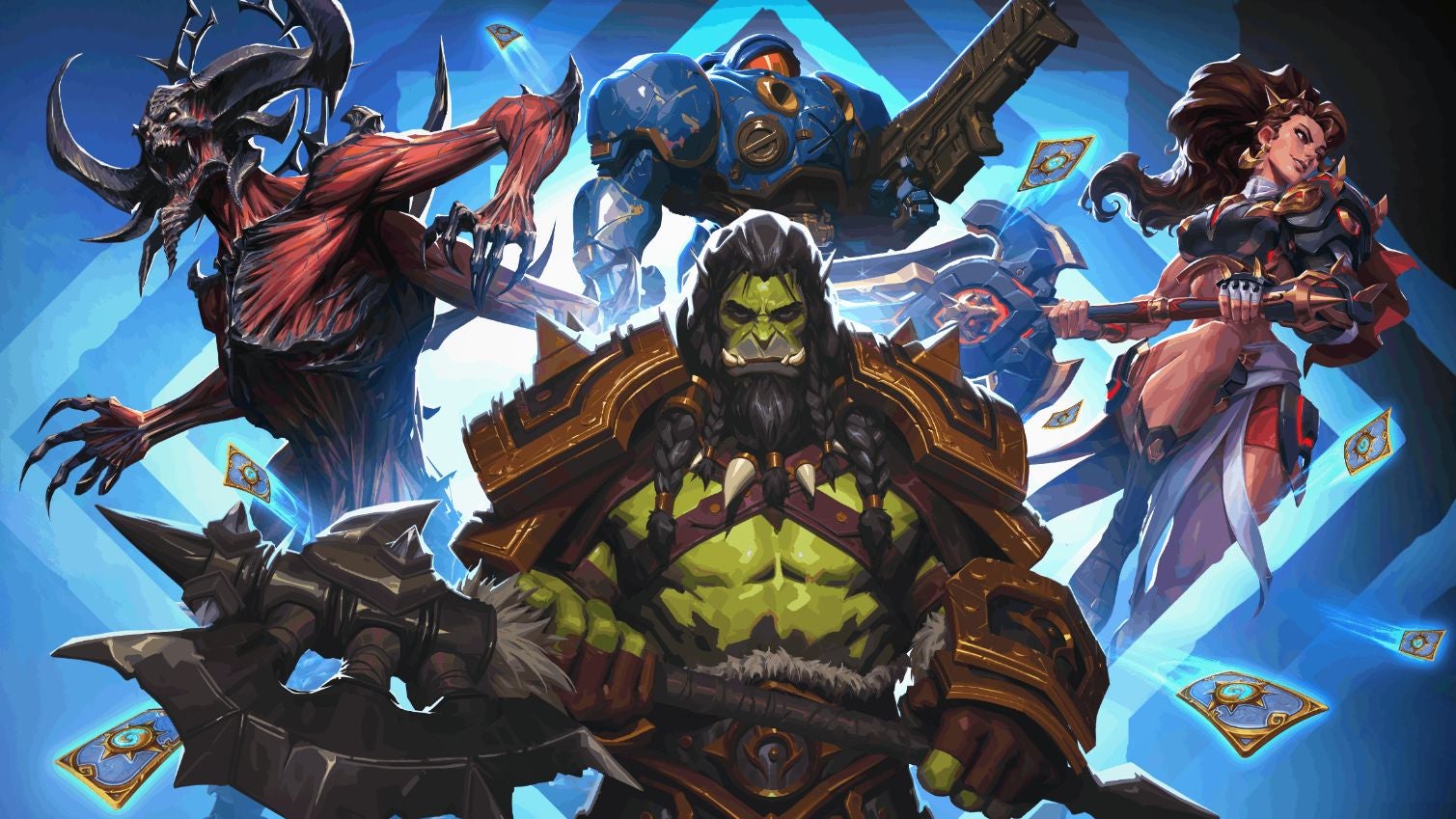
While Blizzard has remained relatively insulated from these specific cuts, the industry is watching closely to see how the company addresses the recent historic union recognition vote. For the first time in Blizzard’s history, organized labor has gained a formal foothold. During pre-show briefings, leadership has maintained a focus on "creativity and player satisfaction," though the absence of a detailed roadmap regarding labor relations remains a point of friction for many employees.
The Union Factor
The union vote is more than a labor issue; it is a cultural one. As Blizzard attempts to present a unified front at BlizzCon, the tension between the "old guard" of Blizzard—the ones who grew up with the company’s legendary status—and the new generation of developers who are prioritizing job security and workplace equity, will be palpable. How the leadership acknowledges these internal changes during the ceremony will be a litmus test for the company’s culture.
Implications for the Future
What happens on the main stage this weekend will ripple through the industry for the next fiscal year.
1. Market Diversification
If the StarCraft shooter is indeed a co-op experience, it signals that Blizzard is moving away from the "competitive-only" label that has defined its last decade. By branching into cooperative, narrative-driven gameplay, the studio is attempting to capture the market currently dominated by titles like Helldivers 2 and Space Marine 2.
2. The Subscription/Expansion Tug-of-War
The success of Lord of Hatred has validated the expansion-first model. If Overwatch also announces a significant, paid expansion during the opening ceremony, it will confirm that Blizzard is effectively moving away from the "free-to-play with microtransactions" model toward a more traditional, high-value content model.
3. Community Trust
Perhaps the most important implication is the restoration of trust. After two years away, the brand equity of "BlizzCon" is not what it once was. To regain its status as the premier event in the gaming calendar, the company must deliver more than just trailers; it must provide a coherent vision for where these franchises are headed in 2027 and beyond.
Conclusion
As the countdown to 6:30 PM BST begins, the stakes could not be higher. Blizzard Entertainment stands at a crossroads. It is a studio burdened by its own legacy, challenged by new market realities, and influenced by a parent company that demands efficiency above all else.
Whether this year’s opening ceremony serves as a triumphant return to form or a quiet admission that the studio is changing its stripes remains to be seen. However, one thing is certain: for the developers, the players, and the investors, the next 75 minutes will define the Blizzard of the future. We will be providing live coverage of every announcement, trailer, and developer statement as they happen, right here.
Stay tuned for our live updates, beginning at 6:30 PM BST.
 Jia Lissa
  Nila Kartika Wati
  Laily UPN