 By Evan Lee Salim
Global Retail & E-Commerce Analysis
Main Facts: The Evolution of Seasonal Email Marketing
As the digital landscape becomes increasingly saturated, seasonal shopping periods—spanning Black Friday, Cyber Monday, the winter holidays, Valentine’s Day, and summer clearance events—have transformed consumer inboxes into digital war zones. During peak retail windows, subscribers are routinely bombarded with aggressive subject lines, generic all-caps promotions, and relentless discount pushes.
The immediate result for most consumers is fatigue, leading to a reflexive cycle of mass deletions and high unsubscribe rates. However, modern e-commerce data indicates a paradigm shift. High-growth brands are moving away from brute-force marketing tactics in favor of relationship-driven, data-backed email strategies.
By prioritizing long-term brand equity over short-term conversion spikes, these businesses are proving that seasonal campaigns can drive robust revenue while actually enhancing customer loyalty. The core mechanism of this modern approach relies on intelligent calendar planning, narrative-driven copywriting, micro-segmentation, and authentic urgency rather than manufactured panic.
Chronology: The Lifecycle of a High-Converting Seasonal Campaign
To understand how successful brands execute profitable seasonal campaigns without alienating their subscriber base, industry experts map the process across distinct chronological phases.
Phase 1: Months in Advance – Strategic Calendar Mapping
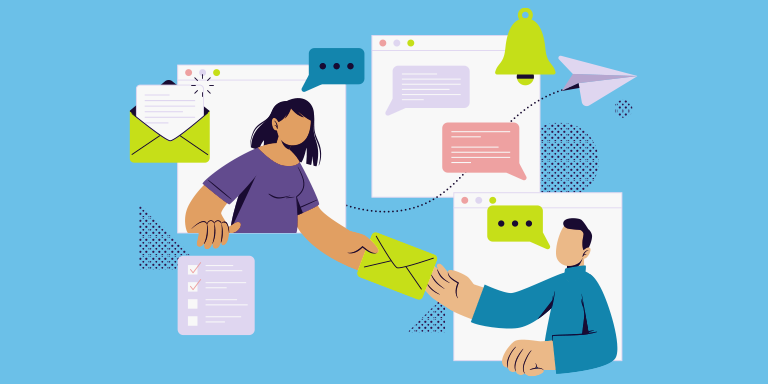
Long before a promotional email hits an inbox, the foundational work must be completed. High-performing founders and marketing directors build comprehensive content calendars weeks or months ahead of key retail moments. This involves mapping out a structured ratio: for every single promotional or sales email planned, brands commit to sending at least two pieces of content designed to educate, entertain, or inspire.
Phase 2: Weeks in Advance – The Give-and-Take Warm-Up
During the pre-season phase, brands deploy the "give-and-take" psychological approach. By consistently offering value without asking for a transaction, brands build relational capital and trust. When the actual sales push finally arrives, subscribers are already warmed up, highly engaged, and primed to open incoming messages.
Phase 3: Days in Advance – Tiered Segmentation and Early Access
Rather than executing a single, blunt-force broadcast to an entire database, sophisticated marketers segment their lists. Days before public launches, VIP tiers, loyal buyers, or highly engaged subscribers receive early-access invites. This establishes exclusivity and genuine anticipation rather than rushed anxiety.
Phase 4: Launch Day – Narrative Execution
On the day of the campaign, communications do not lead with raw discount percentages. Instead, they open with compelling storytelling, behind-the-scenes context, or user experiences. The financial offer is introduced as a complementary element—the "cherry on top"—rather than the core narrative.
Phase 5: Post-Campaign – Automation and Review
Once the seasonal rush concludes, automated lifecycle flows (such as post-purchase sequences, cross-sell recommendations, and win-back campaigns) take over the heavy lifting, allowing lean teams to maintain momentum without burning out.
Supporting Data: Why Storytelling and Segmentation Outperform Discounts
Industry research underscores the financial risk of relying solely on generic discount messaging. In an ecosystem where consumers are desensitized to words like "50% OFF" and "FINAL HOURS," performance metrics reveal clear preferences for smarter engagement models.
- Information Retention: According to cognitive marketing studies, humans retain approximately 63% of stories, compared to a meager 5% of standalone statistics or raw data points. Translating this to email marketing, campaigns that anchor a product discount within a narrative framework achieve significantly higher memorability and subsequent conversion intent.
- The Cost of Fatigue: Consumer surveys across retail sectors indicate that over 65% of email subscribers will actively unsubscribe from a brand if they receive more than three consecutive "hard-sell" promotional emails without intermediate value-driven content.
- Segmentation Impact: Case studies from leading automation platforms demonstrate that targeted campaigns—split by past purchase behavior, engagement history, or customer lifecycle stage—generate up to 300% higher revenue per recipient compared to non-segmented, blanket blasts. Brands utilizing basic filters to separate first-time buyers from repeat loyalists routinely experience a drop in immediate churn.
Real-world applications validate these metrics. For instance, emerging apparel brands like Luu Lounge, founded by entrepreneur Lily, consistently build massive pre-launch demand. By relying on community anticipation, scheduled drop dates, and transparent storytelling rather than last-minute panic-inducing subject lines, such brands cultivate queues of eager buyers before a single discount code is ever activated.
Official Responses and Industry Perspectives
Marketing strategists and e-commerce founders emphasize that the traditional, high-pressure playbook of email marketing is rapidly losing its efficacy.
"We’ve all experienced inbox fatigue during major shopping holidays," notes one senior digital marketing consultant specializing in direct-to-consumer (DTC) brands. "When every single company in a consumer’s life is shouting the exact same promotional phrase at the top of their digital lungs, nobody stands out. The brands winning today are the ones whispering with authority, context, and genuine personality."
Founders who successfully navigate high-stakes retail seasons echo this sentiment, pointing out that treating subscribers like human beings rather than transactional metrics changes the entire dynamic of the business-consumer relationship.
"Seasonal emails shouldn’t feel like shouting into a crowded room," industry practitioners explain. "They should feel like a well-timed conversation with someone who actually wants to hear from you. The founders who win aren’t the ones with the loudest subject lines; they are the ones who respect their audience’s time and attention."
Furthermore, software providers powering these automated workflows report a massive surge in demand for intuitive segmentation tools. Platforms like Omnisend have highlighted that solo founders and small business teams no longer need massive data science departments to execute hyper-personalized campaigns. Accessible filtering and automation templates allow lean teams to deploy sophisticated strategies that rival enterprise-level operations.
Implications: The Future of E-Commerce and Relationship-Driven Marketing
The transition toward smarter, less "salesy" seasonal email strategies carries profound implications for the future of digital commerce. As consumer privacy regulations tighten, cookie tracking becomes less reliable, and customer acquisition costs (CAC) across paid social channels continue to rise, owned media channels like email and SMS are more critical than ever.
- Brand Equity Protection: Brands that abuse their email lists with constant, frantic discount cycles erode their perceived product value. By adopting a narrative-led, value-first approach, companies protect their profit margins and avoid the race to the bottom that discount-heavy models often trigger.
- Democratization of Advanced Tools: With the integration of user-friendly marketing automation suites, independent creators and small business owners can leverage enterprise-grade segmentation and behavioral triggers. This levels the playing field, allowing bootstrap founders to compete with legacy retailers through superior customer connection.
- Sustainable Growth over Short-Term Spikes: Shifting away from desperate end-of-quarter or holiday scrambles forces businesses to build predictable, automated revenue engines. By utilizing evergreen workflows alongside well-planned seasonal moments, companies secure steady cash flow year-round while dramatically reducing team burnout.
Ultimately, mastering seasonal email campaigns is no longer about finding the most aggressive combination of capitalization and punctuation. It is about discipline, strategic foresight, and treating the subscriber inbox as a privileged space built on mutual respect and shared narrative value.
 Nana
Nana  Ammar Sabilarrohman
  Reynand Wu