
 By Ammar Sabilarrohman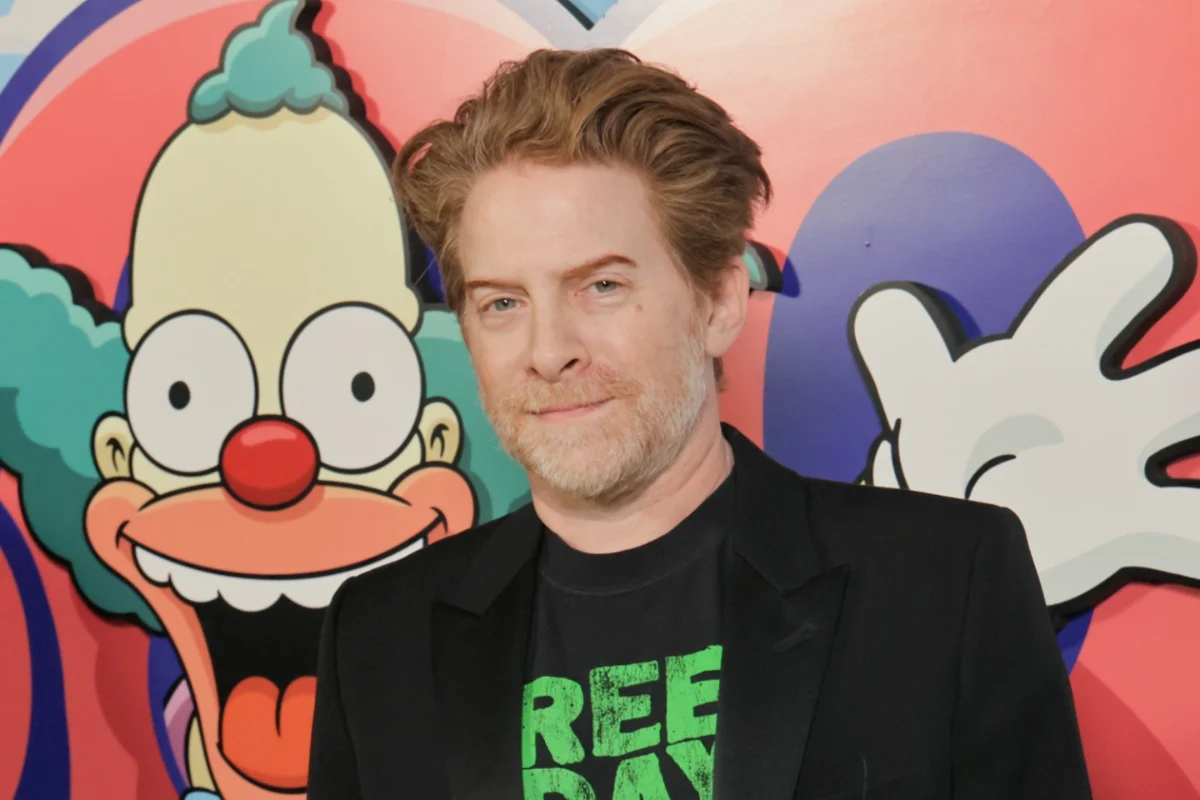
The supernatural halls of Sunnydale High have once again gone quiet. Following the definitive news that Hulu has officially shuttered the development of Buffy the Vampire Slayer: New Sunnydale, fans and former cast members alike are reflecting on what might have been. Among those reflecting is Seth Green, the beloved actor behind the stoic, guitar-playing werewolf Daniel "Oz" Osbourne, who recently revealed that despite the buzz surrounding the project, he was never part of the conversation.
The Silence from the Hellmouth: Seth Green’s Revelation
During the September 8 episode of the podcast The McBride Rewind, Seth Green offered clarity regarding his potential involvement in the ambitious, albeit ultimately doomed, reboot of the iconic 1990s franchise. When pressed on whether the production team had reached out to him to reprise his role as the cult-favorite werewolf, Green was unequivocal.
"I was not part of those talks," Green stated, putting to rest months of fan speculation that his character might return to mentor a new generation of slayers.
However, the actor’s tone was far from dismissive. While the bridge to a potential return was never built by the studio, Green expressed a genuine intellectual curiosity regarding the character’s trajectory. "If they wrote an Oz story, I’d love to see where Oz is right now," he added. The sentiment underscores a lingering affection for the role that catapulted Green to prominence in the late 90s, suggesting that for the right creative vision, the actor remains open to stepping back into the supernatural world of Joss Whedon’s creation.
A Chronology of a Canceled Legacy
To understand the weight of this cancellation, one must look at the timeline of the Buffy franchise’s tumultuous relationship with reboots.
- 1997–2003: The original series, created by Joss Whedon, aired for seven seasons, defining a generation of television and cementing Sarah Michelle Gellar as a pop-culture icon.
- 2018: Early rumblings of a potential Buffy reboot began to circulate in trade publications, causing a polarizing reaction among the show’s die-hard fanbase.
- 2023–2024: Hulu officially moved forward with a project titled Buffy the Vampire Slayer: New Sunnydale. Development progressed to the pilot stage, with Academy Award-winning director Chloé Zhao reportedly attached to the project’s creative vision.
- Early 2025: The project, which aimed to revitalize the brand with a new Slayer (Ryan Kiera Armstrong) and a returning Sarah Michelle Gellar, was officially shelved by Hulu.
- September 2025: Seth Green speaks publicly on the podcast The McBride Rewind, confirming his lack of involvement and his willingness to return had the project moved forward differently.
The journey of New Sunnydale was marked by high expectations and significant creative ambition. By bringing in a talent like Chloé Zhao, the studio signaled an intent to pivot the franchise from its campy, action-heavy roots toward a more grounded, auteur-driven aesthetic. Yet, despite the star power—including the return of the original Slayer herself—the pilot failed to convince the brass at Disney/Hulu that the franchise possessed the necessary momentum to sustain a long-term series.
The Anatomy of the Failed Reboot
Buffy the Vampire Slayer: New Sunnydale was designed to be a bridge between the past and the future. The narrative would have centered on Ryan Kiera Armstrong as the new Slayer, a young woman grappling with the weight of destiny in a world that had moved on from the trauma of the original Sunnydale events.
The cast list was a blend of established industry figures and fresh faces:
- Sarah Michelle Gellar as Buffy Summers (in a mentorship/legacy capacity).
- Ryan Kiera Armstrong as the new Slayer.
- Faly Rakotohavana as Hugo.
- Ava Jean as Larkin.
- Sarah Bock as Gracie.
- Daniel di Tomasso as Abe.
- Jack Cutmore-Scott as Mr. Burke.
The production was heavily guarded, but reports suggested a tone shift that focused on the emotional toll of the Slayer lineage. When the cancellation was finally confirmed, Sarah Michelle Gellar took to Instagram to address the disappointment directly, framing the news with a blend of professional grace and personal sadness.
"I am really sad to have to share this, but I wanted you all to hear it from me. Unfortunately, Hulu has decided not to move forward with Buffy: New Sunnydale," Gellar wrote. "I want to thank Chloé Zhao, because I never thought I would find myself back in Buffy’s stylish yet affordable boots. And thanks to Chloé, I was reminded how much I love her and how much she means not only to me but to all of you."
Gellar’s message was a poignant reminder of the show’s legacy, concluding with a nod to the fans: "And this doesn’t change any of that, and I promise if the apocalypse actually comes, you can still beep me."
Institutional Silence and Industry Implications
Despite the high-profile nature of the project and the eventual public statement from Gellar, representatives for 20th Century Television and Hulu have remained largely silent regarding the specific reasons for the cancellation. Requests for comment from Variety and other major outlets were met with standard industry non-responses.
In the streaming era, the cancellation of a high-budget pilot is not an anomaly, but rather a reflection of the current "correction" phase in television production. With platforms tightening their budgets and focusing on proven IP that guarantees high retention, the bar for a franchise reboot is higher than ever. New Sunnydale faced the unenviable task of satisfying a nostalgic audience while simultaneously justifying its existence to a younger demographic that had no connection to the original 1997 run.
The "Oz" Factor: Why Legacy Matters
The interest in Seth Green’s potential return touches on a larger industry trend: the "Legacy Sequel." Audiences are increasingly wary of reboots that discard the original cast, yet they are equally critical of reboots that rely too heavily on nostalgia.
Oz is a unique character in the Buffy canon. As a werewolf who mastered his inner demon through meditation and discipline, his character arc is one of the most respected in the series. Unlike other characters who were defined by their volatility, Oz was a beacon of stability. If the New Sunnydale project had succeeded, the inclusion of a legacy character like Oz could have provided a bridge of continuity that might have comforted longtime fans.
However, his absence from the production talks suggests that the creative team may have been looking to make a clean break from the past, focusing instead on the new ensemble. Whether that strategy was the correct one will remain a subject of debate among television historians.
Implications for the Future of the ‘Buffy’ Brand
Is this the final nail in the coffin for the Buffy universe? History suggests otherwise. In Hollywood, valuable intellectual property rarely stays dormant for long. The Buffy brand remains one of the most recognizable in the supernatural drama genre, and its impact on the "strong female lead" archetype is still studied in film schools today.
While New Sunnydale has been shelved, the appetite for stories involving the Slayer, the Hellmouth, and the fight against darkness remains high. The failure of this specific pilot may be less a commentary on the brand’s viability and more a commentary on the specific execution of this iteration.
For now, fans are left with the original seven seasons and the realization that some stories are perhaps best left as they are. As for Seth Green, he continues his career across various media, from voice acting in Family Guy to his ongoing creative ventures, leaving the door to Sunnydale slightly ajar, should the right opportunity ever present itself again.
In an era where streaming platforms are constantly re-evaluating their portfolios, the story of Buffy: New Sunnydale serves as a cautionary tale: even the strongest legacies are not immune to the cold realities of the boardroom. But as Gellar reminded her followers, the apocalypse is always a possibility—and until then, the original Slayer’s legacy remains safe, preserved in the archives of television history.
 Lina Irawan
  Nana
Nana  Muslim