
 By rifanmuazin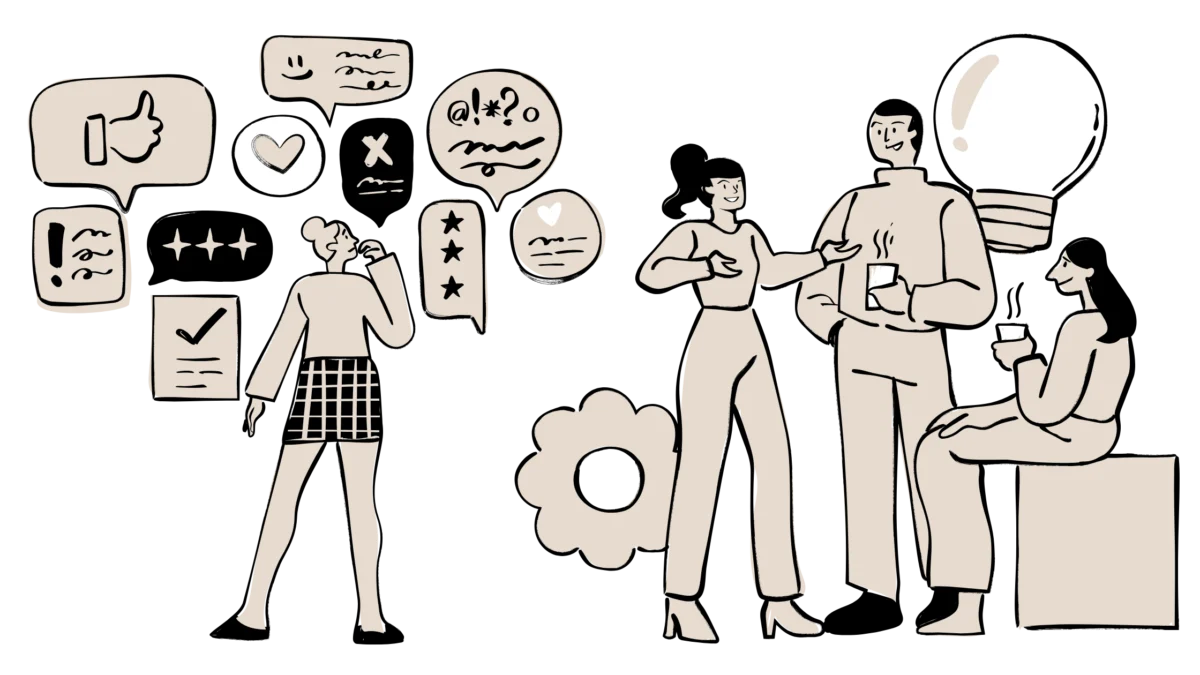
In the modern digital landscape, the average consumer’s inbox is a battlefield of noise. Between automated notifications, transactional receipts, and a relentless tide of promotional blasts, brands are fighting harder than ever just to earn a glance. Yet, while countless marketing teams obsess over pixel-perfect layouts, flashy animations, and clever copywriting hacks, the brands driving truly staggering revenues understand a deeper, more fundamental truth: great emails do not just inform—they make people feel.
Behind every open rate, click-through metric, and conversion milestone lies a human brain making a series of micro-decisions. Long before a consumer analyzes pricing tiers or evaluates product features, they are subconsciously asking themselves three critical questions: Do I trust this brand? Am I missing out? Is this really for me?
Mastering these psychological instincts is the dividing line between forgettable digital clutter and unforgettable, high-converting campaigns. By tapping into four core psychological levers—urgency, scarcity, social proof, and personalization—marketers can transform promotional blasts into compelling opportunities that effortlessly guide readers from passive scrollers to active buyers.
The Core Facts: Beyond Logic and Into Emotion
To understand why certain email campaigns achieve record-breaking conversion rates while others fall flat, marketers must first discard a common misconception: people do not make purchasing decisions logically.
Decisions are fundamentally emotional. When a consumer opens an email, they are rarely conducting a cold, rational analysis of a product’s utility. Instead, they are responding to invisible psychological forces that shape human behavior. Once the emotional decision to buy is made, the human brain immediately employs logic to justify the action afterward.
When brands align their messaging with these intrinsic human instincts rather than leaning solely on features and benefits, everything changes. The email ceases to feel like an intrusive sales pitch and begins to feel like a timely, valuable solution.
Chronology of an Email Evolution: From Batch-and-Blast to Behavioral Triggers
The transformation of email marketing over the past two decades mirrors our growing understanding of human psychology in the digital age.
- Early 2000s (The Batch-and-Blast Era): Email marketing was largely transactional and monolithic. Brands sent the exact same promotional message to their entire subscriber list simultaneously, treating every recipient as an identical data point. Engagement was high simply because inboxes were uncrowded.
- 2010s (The Segmentation Awakening): As inboxes grew saturated, marketers realized that generic messaging no longer worked. The industry shifted toward basic segmentation—dividing lists by demographics, past purchases, or geographic location to deliver slightly more relevant offers.
- The Mid-2010s (The Rise of Behavioral Automation): Platforms began tracking user actions on websites, allowing automated emails to trigger based on real-time behavior, such as cart abandonment or browsing history. This introduced the foundational elements of genuine personalization.
- The Present Day (Psychology-Driven Ecosystems): Today’s top-performing email marketers view campaigns not as single-channel announcements, but as psychological ecosystems. By weaving urgency, scarcity, real-time social proof, and hyper-personalization into automated sequences, brands are achieving unprecedented return on investment (ROI) by meeting consumers precisely where they are in their emotional decision-making journey.
Supporting Data and the Four Psychological Levers
Data consistently proves that targeted, psychology-driven triggers outperform generic marketing. According to industry benchmarks, personalized emails deliver transaction rates six times higher than non-personalized ones, while urgency-driven campaigns regularly see double-digit lifts in click-through rates.
To harness these metrics, top brands build their messaging around four distinct psychological pillars:
1. Urgency: Why Timing Triggers Action
Urgency taps into one of our most deep-seated aversions: the fear of missing out. When a consumer feels an immediate need to act—rather than postponing a decision until "later"—their hesitation dissipates. The longer a reader delays, the more internal doubts creep in.
Authentic urgency—such as a genuine flash sale, a product drop, or a seasonal expiration—cuts through doubt by assigning weight to the present moment. Phrases like “Ends tonight,” “Last chance,” or “Only a few hours left” turn passive readers into decisive buyers. However, manufactured urgency (such as a "flash sale" that resets every single day) quickly erodes consumer trust.
2. Scarcity: Elevating Value Through Exclusivity
While urgency relies on speed, scarcity relies on value. When an item, offer, or experience is framed as limited, exclusive, or difficult to obtain, our brains automatically elevate its perceived importance.
In email marketing, scarcity manifests subtly: limiting a product release to a specific tier of buyers, offering a limited-edition colorway, or capping registrations for an exclusive workshop. The underlying message shifts from a desperate “hurry up” to an exclusive “not everyone gets this.” The product instantly feels more coveted, and the customer feels like an insider.
3. Social Proof: Bridging the Trust Gap
In a digital marketplace crowded with bold promises, consumers are inherently skeptical. Social proof acts as a psychological safety net, whispering to the reader: “Others tried this, and it worked out well.”
A single authentic customer review, a user-generated photo, or a short video testimonial can dismantle a shopper’s final hesitation faster than a paragraph of polished copywriting. By weaving social proof naturally into the narrative of an email—letting customers speak on behalf of the brand—marketers reduce the perceived financial and emotional risk of making a purchase.
4. Hyper-Personalization: Answering the Unspoken Question
Most inboxes are flooded with generic templates, identical discount codes, and monotone brand voices. Genuine personalization shatters this pattern by directly answering the customer’s unspoken question: “Why are you showing me this right now?”
Whether it’s recommending complementary items based on a past purchase, acknowledging a customer’s loyalty milestone, or referencing recent browsing behavior, personalization signals that the brand understands the individual’s unique needs and preferences.
Official Perspectives and Industry Insights
Marketing strategists and consumer psychologists alike emphasize that the future of digital commerce belongs to brands that prioritize relationship-building over aggressive selling.
"Consumers today have sophisticated radar for manipulation," notes leading marketing analysts. "They don’t want to be sold to; they want to feel understood. When brands utilize tools like behavioral triggers and dynamic personalization, they aren’t tricking the consumer—they are simply removing friction from a buying journey the consumer already wants to complete."
Industry leaders stress that the most successful email programs treat subscribers as partners in a conversation. By combining behavioral data with timeless psychological principles, brands can create campaigns that feel less like corporate announcements and more like personalized recommendations from a trusted friend.
Implications for Modern Founders and Marketers
For business owners, entrepreneurs, and digital marketers, the implications of these psychological frameworks are profound. Shifting the focus from aggressive volume to intentional, psychology-backed messaging can drastically improve bottom-line results without requiring an expanded marketing budget.
Implementing these strategies effectively requires the right infrastructure. Advanced email and customer engagement platforms—such as Omnisend—empower founders by providing behavior-based automations, dynamic personalization features, and built-in social proof blocks. These tools bridge the gap between smart psychological strategy and seamless technical execution.
Ultimately, high-converting email campaigns are not born from loud subject lines or steep discounts. They are built on a foundational understanding of human behavior. By intentionally weaving urgency, scarcity, social proof, and personalization into every send, brands can turn standard promotional emails into memorable moments that respect the customer’s intelligence, reduce hesitation, and effortlessly guide them toward what they already desire.
 Nana
Nana  Ammar Sabilarrohman
  Reynand Wu