
 By Iffa Jayyana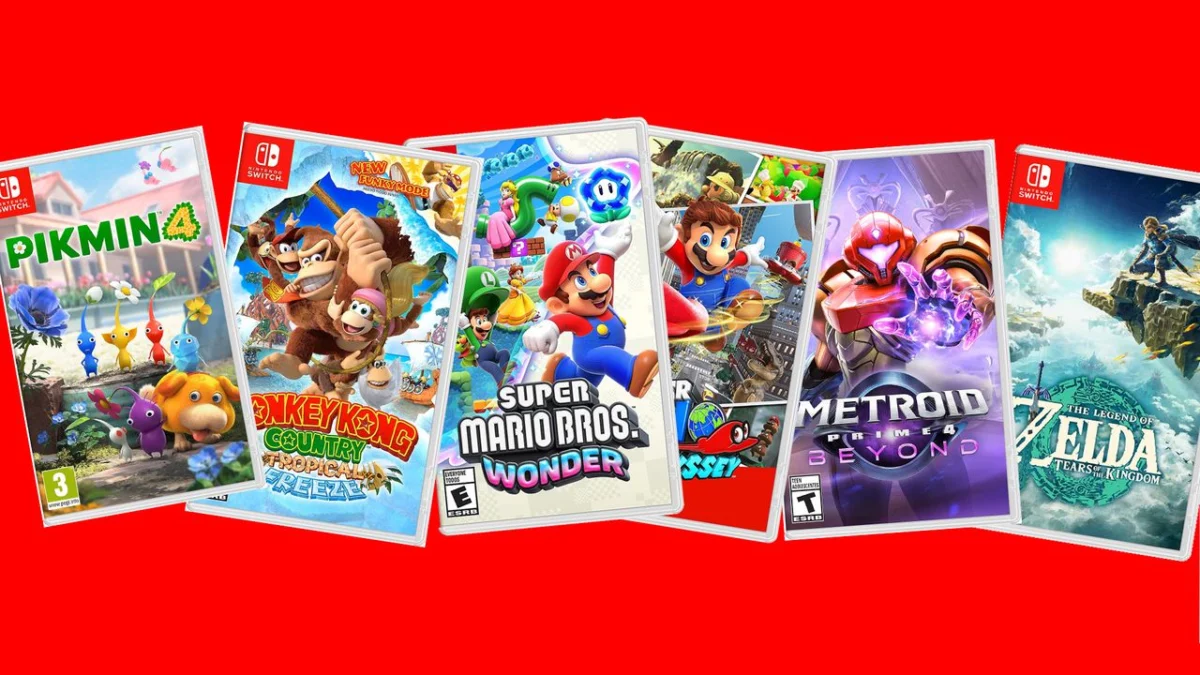
In a surprising turn of events that underscores the complex intersection of global trade policy and consumer electronics, Nintendo of America has officially launched its "Customer Appreciation Sale." This promotional event, which offers significant discounts across a wide array of Nintendo Switch hardware, software, accessories, and apparel, arrives in the wake of a massive financial windfall for the gaming giant. Earlier this year, the company successfully recouped approximately $300 million from the United States government following a Supreme Court ruling that invalidated specific, inflation-heavy trade tariffs implemented during the Trump administration.
While the refund initially sparked controversy due to Nintendo’s decision not to issue direct rebates to consumers who paid inflated prices during the tariff period, this new two-week sale serves as a strategic olive branch. Running until September 26, the promotion is framed as a direct acknowledgment of the loyalty shown by the Nintendo community during a period of economic uncertainty.
The Chronology: From Trade War to Judicial Relief
To understand the scale of this "Customer Appreciation" gesture, one must first look at the timeline of the legal and economic battle that preceded it.
The Tariff Era (2019–2023)
The saga began with the implementation of Section 301 tariffs, which targeted a broad spectrum of imported goods from China. For Nintendo, which manufactures a significant portion of its hardware, including the Nintendo Switch, in Chinese facilities, these tariffs acted as an immediate "inflation tax." Throughout the period these measures were in effect, the cost of manufacturing and importing consoles rose, a burden that was—to varying degrees—passed down to the end consumer.
The Judicial Challenge
Nintendo, alongside several other major technology companies, initiated a protracted legal battle to contest the legality of these specific tariffs. The core of their argument rested on the procedural application of the trade measures. In a landmark decision earlier this year, the U.S. Supreme Court effectively ruled in favor of the plaintiffs, determining that the administration had overstepped its procedural bounds in the implementation of the tariff hikes.
The $300 Million Payout
Following the court’s decision, the U.S. government was legally obligated to refund the collected duties. Nintendo’s successful reclamation of $300 million was a significant victory for the company’s balance sheet. However, the immediate public response was one of skepticism. Many gamers questioned why a company that had previously raised prices to "offset" the tariffs was not returning those funds directly to the people who had essentially subsidized the company’s legal costs.
The Customer Appreciation Sale: A Strategic Response
The "Customer Appreciation Sale," which runs through September 26, is Nintendo’s official response to the public pressure regarding the $300 million refund. By branding the sale as a direct result of these tariff-related refunds, Nintendo is attempting to convert a potential public relations liability into a marketing asset.
Scope of the Promotion
The sale is arguably one of the most comprehensive in the company’s history. Unlike typical seasonal discounts that focus solely on digital software, this promotion encompasses:
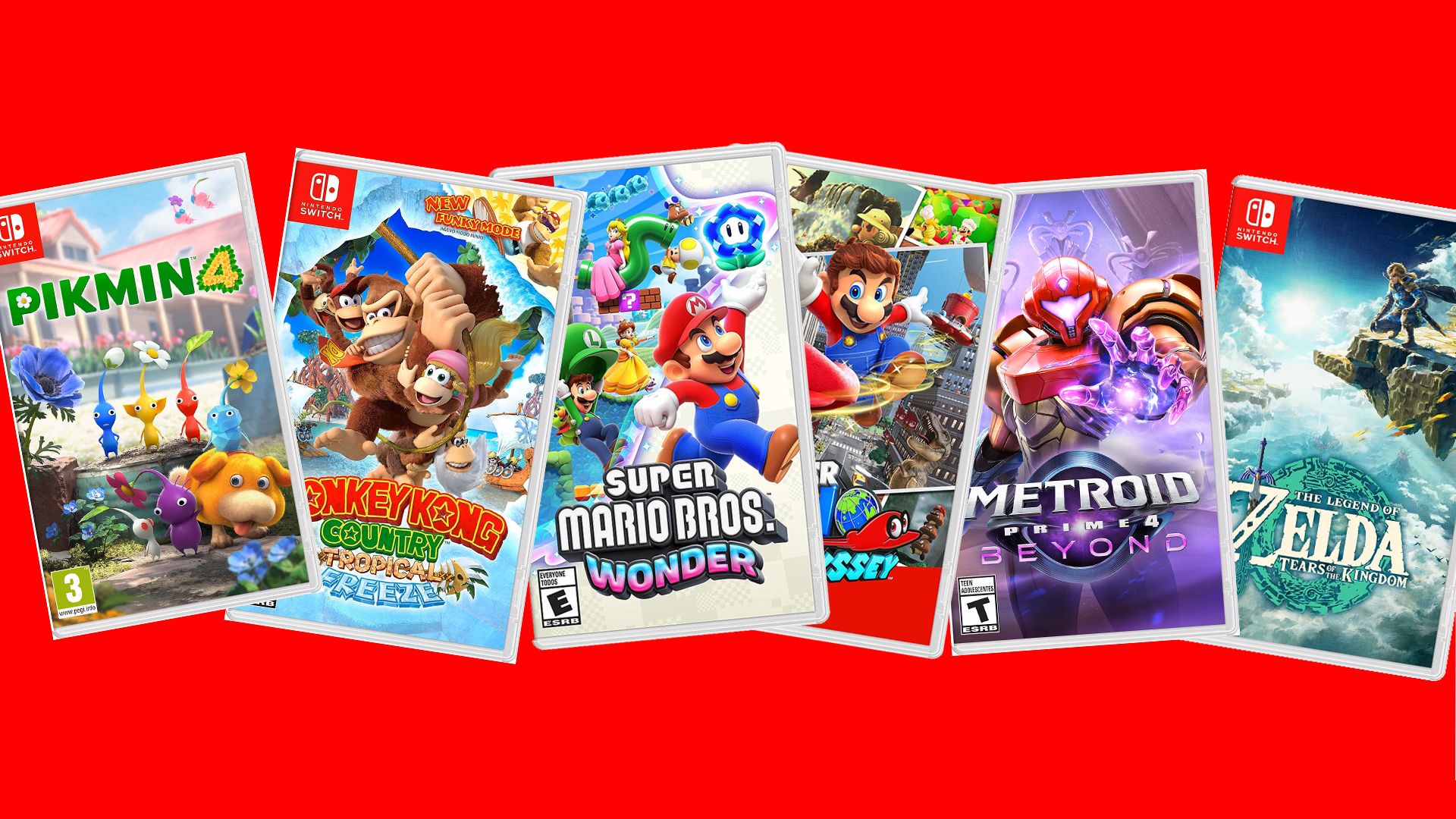
- Nintendo Switch Software: A wide library of titles, with a standard discount of 30% on many core offerings.
- Accessories: Discounts on Pro Controllers, Joy-Cons, and charging docks.
- Amiibo: Reduced pricing on the company’s collectible figure line.
- Apparel and Merchandise: Significant markdowns on official branded gear.
The "Compatibility" Caveat
It is important for consumers to note that the sale is focused on the existing Nintendo Switch ecosystem. While the industry is currently abuzz with rumors and anticipation regarding the "Switch 2," Nintendo has explicitly excluded potential next-generation exclusives from this promotion. The sale is designed to move inventory within the current, well-established Switch library, ensuring that the existing user base remains engaged as the current generation enters its twilight years.
Supporting Data: Why This Matters to the Gamer
For the average consumer, the nuance of trade law is secondary to the price tag on a new game. However, the economic implications of this event provide a unique look at how "macro" economic policies trickle down to "micro" consumer experiences.
The Consumer Impact
For years, gamers faced "tariff-driven" pricing that made hardware and AAA software acquisitions more expensive than in previous generations. By offering a 30% discount, Nintendo is effectively neutralizing the impact of those previous price hikes for the duration of the sale. When one considers that many of these games are perennial best-sellers that rarely see deep discounts, the current sale represents a rare opportunity for value-conscious players.
Competitive Positioning
Beyond the refund itself, Nintendo is facing a competitive landscape where both Sony and Microsoft are aggressively pushing high-end hardware. By leveraging these funds to lower the barrier to entry for the Switch, Nintendo is effectively subsidizing its own market share. This ensures that the Switch remains a dominant force in the holiday shopping window, regardless of when the next-generation console is officially revealed.
Official Responses and Corporate Philosophy
Nintendo’s official statement regarding the sale is characterized by a mix of gratitude and corporate pragmatism. "This is our way of saying thank you to Nintendo players for their continued support, and is made possible in part by tariff-related refunds," a company representative stated.
Addressing the Criticism
Observers have noted that Nintendo’s delay in addressing the refund issue was likely due to concerns about future trade volatility. In the volatile environment of international trade, keeping a liquidity buffer of $300 million is a prudent business decision. By choosing to launch a sale rather than a direct cash refund, Nintendo avoids the logistical nightmare of identifying and reimbursing millions of individual customers, while simultaneously driving sales volume that bolsters their quarterly earnings.
Analyst Perspectives
Market analysts suggest that this approach is a "win-win" for the company. While it might not satisfy every critic who wanted a direct check in the mail, it provides tangible value to the consumer base while keeping the capital within the ecosystem. It encourages the purchase of digital content and physical accessories, which in turn deepens user investment in the Nintendo ecosystem—a phenomenon known as "ecosystem lock-in."
Implications: The Future of Trade and Tech
The resolution of the Nintendo tariff case sets a precedent for how multinational corporations handle the intersection of legal victories and consumer perception.
Precedents for Other Tech Giants
Other companies in the gaming and electronics space are watching this situation closely. As trade tensions between major global powers continue to fluctuate, the strategy of using legal windfalls to fund "appreciation" campaigns may become a new template for managing public relations during economic transitions.
Looking Toward the Next Generation
For those looking to enter the Nintendo ecosystem, the current climate is uniquely favorable. As the industry awaits the successor to the Switch, the current hardware has become more accessible than ever. Whether you are a long-time fan looking to complete your collection or a newcomer curious about the platform, the current sales—bolstered by the $300 million refund—offer a rare window of affordability.
If you are still weighing which console to purchase, it is worth considering that the current Switch lineup remains the most diverse in gaming history. For professional creators, digital artists, and casual gamers alike, the console’s versatility—now available at a significantly lower price point—remains an attractive proposition.
Conclusion
The $300 million refund saga serves as a reminder that the world of gaming is intrinsically linked to global policy. While the path to this sale was paved with legal disputes and macroeconomic friction, the end result is a tangible benefit for the gaming community. As the industry looks toward the future, the "Customer Appreciation Sale" stands as a testament to the fact that when companies are forced to play by the rules of international trade, the best way to maintain a loyal fanbase is to ensure that the rewards of their success are shared with the players who make that success possible.
Readers are encouraged to check their local retailers and the official Nintendo eShop before September 26 to take advantage of these limited-time offers.
 Basiran
  Sagoh
Sagoh  Laily UPN