
 By Ali Ikhwan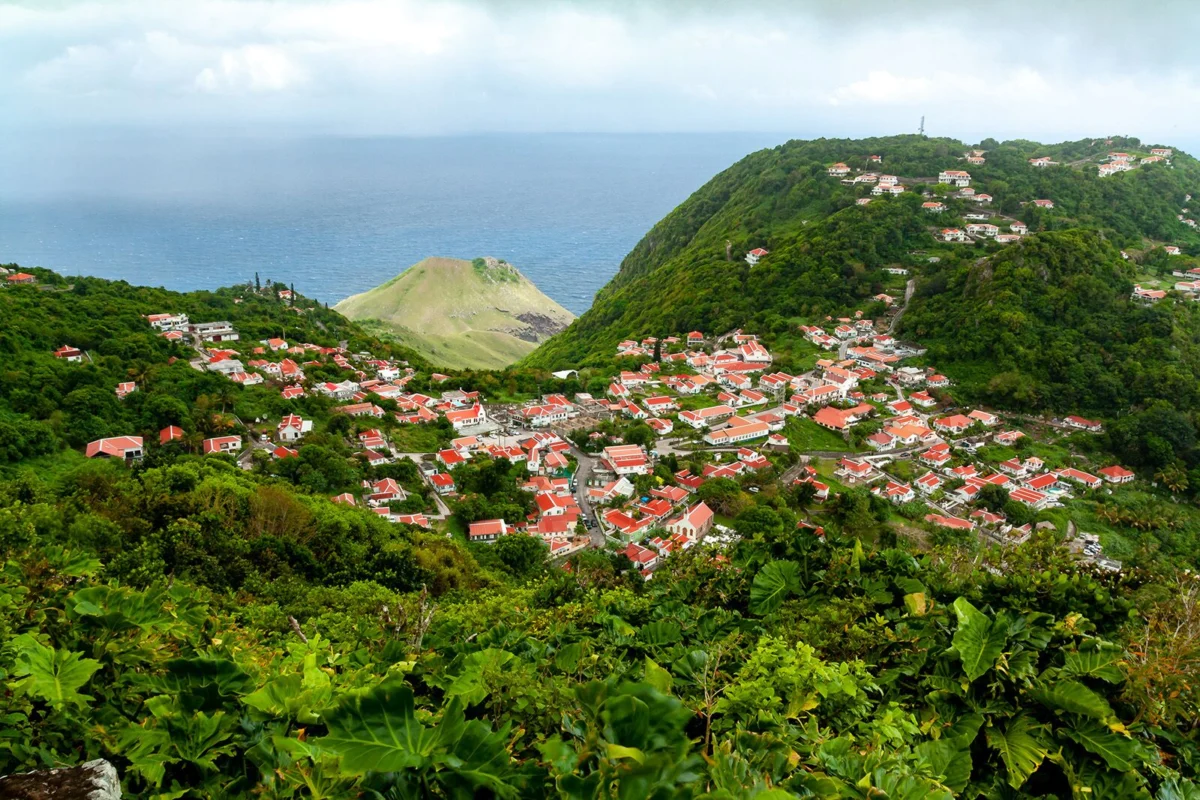
In an era defined by mass tourism, sprawling mega-resorts, and the homogenization of tropical destinations, the island of Saba stands as a defiant anomaly. Rising sharply from the Caribbean Sea like a verdant emerald crown, this five-square-mile volcanic peak has successfully resisted the commercial tide that has reshaped its neighbors. Known affectionately as the "Unspoiled Queen of the Caribbean," Saba offers a masterclass in how a destination can prioritize ecological integrity and cultural heritage over short-term industrial expansion.
Main Facts: A Geography of Preservation
Saba’s identity is anchored in its commitment to conservation. Approximately one-third of the island’s total landmass is protected as national parkland, a designation that ensures the preservation of its diverse ecosystems. This protection is divided among three primary entities: the Mount Scenery National Park, the Saba National Marine Park, and the Saba Bank National Park.
The absence of sprawling beachfronts—or indeed, any significant sandy beaches—has served as a natural deterrent to the type of high-density tourism that plagues other parts of the region. Instead, the island relies on a collection of small-scale boutique hotels and locally owned businesses that function in harmony with the volcanic topography.
Tom Brokke, a Senior National Park Officer with the Saba Conservation Foundation, views this lack of development not as a shortcoming, but as a deliberate strategic choice. “What makes Saba special is its natural beauty, the dramatic landscapes, and the fact that development has remained relatively small-scale and in character with the island,” Brokke explains. “The small boutique hotels and locally owned businesses actually add to that identity rather than taking away from it.”
Chronology: Building Against the Odds
The story of modern Saba is inextricably linked to "The Road," a feat of civil engineering that transformed the island’s connectivity. In the mid-20th century, outside engineers famously surveyed the island and concluded that building a road across such precipitous terrain was impossible.
Undeterred, the Saban people took matters into their own hands. Starting in the late 1930s and continuing through 1963, locals taught themselves the principles of road construction, carving the path through volcanic rock and dense forest by hand. The resulting thoroughfare is a testament to the island’s self-reliance. It is a steep, serpentine route that requires expert navigation, and it serves as the only artery connecting the Juancho E. Yrausquin Airport—home to one of the world’s shortest commercial runways—to the village of Windwardside.
Supporting Data: An Ecosystem Below the Surface
While the terrestrial heights of Mount Scenery (the highest point in the Kingdom of the Netherlands at 2,900 feet) capture the imagination, the true biological richness of the island lies beneath the waterline. Established in 1987, the Saba National Marine Park protects the waters surrounding the island.
Data from the region’s biodiversity assessments show a thriving underwater ecosystem, largely attributed to the stringent regulations enforced by the park. For visitors and researchers alike, the visibility is world-class. Snorkelers and divers frequently encounter complex volcanic rock formations adorned with vibrant coral, sea turtles, and nurse sharks. Operators like Sea Saba, a local dive shop, emphasize that the island’s commitment to marine protection has created a "living laboratory" where human interaction is carefully balanced with ecological preservation.
Cultural Preservation: The Women of Saba
Saba’s cultural legacy is as robust as its ecology. The island’s traditions, particularly the art of drawn-threadwork known as "Saba Lace," emerged from necessity. During the late 19th century, as the men of the island spent months or years away at sea, the women of Saba developed a mail-order lace industry that sustained the economy for decades.
Peggy Barnes, a prominent figure among the "Lace Ladies," remembers learning the intricate craft from her mother by the light of a kerosene lamp. Today, the tradition is undergoing a revival. Barnes leads weekly workshops, and the Saba Heritage Center in Windwardside provides a comprehensive look at how this trade earned the island the moniker "The Island of Lace."
"No barriers to entry," Barnes says of her teaching philosophy. "We always make room for whoever wants to come."
This ethos of preservation extends to other artisanal crafts. Marie Petit, a local resident, is currently working to revive the nearly lost art of plaiting. By sourcing local materials—seeds from her own garden and dried palm fronds—Petit is mentoring a new generation in techniques she traveled as far as Fiji and New Zealand to master.
Logistics: Navigating the Remote Gem
Accessing Saba requires a degree of intention. There are no direct commercial flights from major international hubs. Travelers must first route through St. Maarten. From there, Winair operates daily 15-minute flights into the island’s unique airstrip, or visitors can take the Makana Ferry, a 90-minute sea crossing that offers a more visceral connection to the Caribbean geography.
Once on the island, the infrastructure reflects the traditional Saban aesthetic: white-walled cottages with red-shingled roofs, green-and-white shutters, and intricate gingerbread trim. Juliana’s Hotel, a family-run establishment, exemplifies this style. Guests staying in properties like the Lily Pond Cottage find themselves immersed in a landscape of lily ponds and lush flora, a far cry from the standardized hotel experience found elsewhere.
Dining on the island is equally hyper-local. Tropics Cafe, situated at Juliana’s, utilizes ingredients farmed directly on the island. Other institutions, such as The Hideaway and the historic Brigadoon, highlight the bounty of the surrounding waters, with Saban lobster standing out as the culinary hallmark of the region.
Implications: The Future of "Slow Tourism"
Saba serves as a critical case study for the future of travel. As climate change and over-tourism threaten the stability of small island nations, Saba’s model suggests that economic viability does not require the sacrifice of landscape or culture.
The island’s reliance on "slow tourism"—encouraging long-stay hikers, divers, and those interested in cultural immersion—creates a sustainable economic loop. By keeping development in check, the island ensures that its primary asset, its "hidden gem" status, remains intact for future generations.
However, the challenge for the island remains the balance between growth and tradition. As the global travel market continues to seek authentic, untouched experiences, Saba faces the pressure of increased demand. Whether the island can maintain its current trajectory of low-impact, high-value tourism depends on the continued dedication of its people, like the Lace Ladies and the conservation officers who act as the island’s stewards.
In the final analysis, Saba is not just a place to visit; it is a philosophy. It reminds the modern traveler that the most luxurious experience is not found in high-rise resorts or white-sand beaches, but in the silence of a cloud forest, the complexity of a handmade piece of lace, and the integrity of a community that has chosen to preserve its soul in the face of a changing world. For those willing to navigate its steep roads and hike its volcanic trails, the "Unspoiled Queen" offers a rare glimpse into a Caribbean that has not been paved over—a destination that remains as wild, rugged, and welcoming as the sea that surrounds it.
 Dwi Wanna
  Nana Wu
  Suro Senen