
 By Suro Senen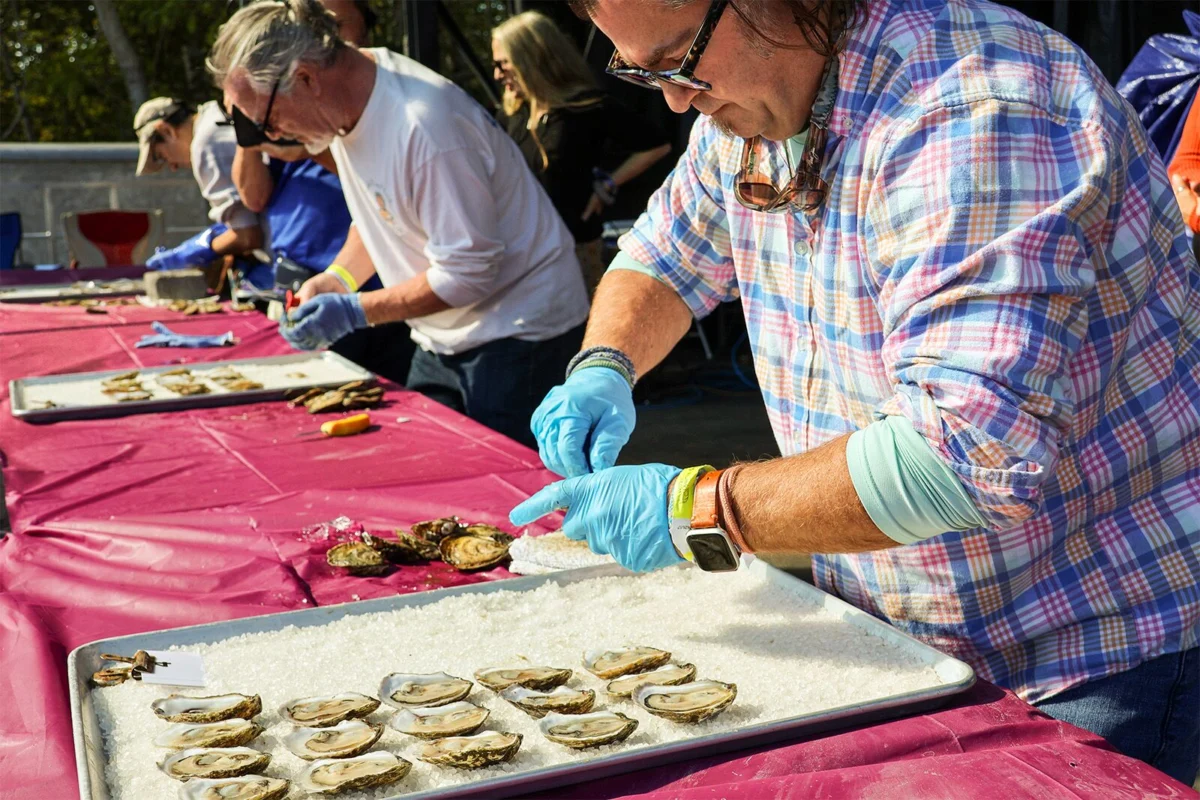
As the sweltering heat of summer wanes and the crisp air of autumn descends, the United States transforms into a vast, sensory landscape for food and beverage enthusiasts. From the rugged deserts of West Texas to the oyster-rich coasts of Massachusetts, the fall season represents the zenith of the American culinary calendar. These festivals are more than mere gatherings; they are profound reflections of regional identity, agricultural heritage, and the evolving sophistication of the American dining scene.
The Landscape of Flavor: Main Facts
The phenomenon of the American food festival has evolved from local church-basement bake sales into multi-day, high-production events that draw hundreds of thousands of visitors. These gatherings serve as vital economic engines for their host cities, fostering tourism while highlighting the "farm-to-table" ethos that has become the gold standard of modern gastronomy.
Whether it is the fiery heat of a New Mexican chile pepper or the briny, cold-water perfection of a Wellfleet oyster, these events capitalize on the harvest season. By curating experiences that pair world-class chefs with local producers, these festivals offer a unique educational window into how regional foodways are preserved and innovated.
A Seasonal Chronology of Taste
The fall festival season follows a rhythmic progression across the country. Understanding this timeline is essential for the serious culinary traveler.
September: The Kickoff
As summer ends, events like Chicago Gourmet take center stage. Set against the iconic skyline of the Windy City, this festival highlights the urban sophistication of the American Midwest. It represents a transition from outdoor grilling to refined, chef-driven tasting experiences.
October: The Harvest Peak
Mid-autumn is defined by the Santa Fe Wine & Chile Fiesta and Fall for Greenville. In Santa Fe, the focus is deeply rooted in the agricultural cycle of the high desert, where the green chile harvest dictates the menu. Simultaneously, in the South, Greenville turns its downtown corridor into an open-air dining room, celebrating the transition to cooler weather with comfort food elevated to high art.
November: The Grand Finale
The season closes with high-stakes competitions and specialized celebrations. The Original Terlingua International Championship Chili Cookoff in Texas and San Diego Beer Week in California represent the two poles of American indulgence: the rugged, traditional pursuit of the perfect bowl of red, and the innovative, cutting-edge evolution of the craft brewing industry.
Regional Spotlights: Supporting Data
The Southwest: Chile and Chili
The Santa Fe Wine & Chile Fiesta has grown from a 20-restaurant gathering in 1991 to a massive five-day event hosting 60 restaurants and 90 wineries. The data is clear: the integration of local crop-centric events, such as "Chile Friday," creates a high-density consumer interest that bridges the gap between viticulture and agriculture.
In contrast, the Terlingua International Championship Chili Cookoff remains a cultural touchstone. Tracing its lineage to the 1967 competition between Frank X. Tolbert and H. Allen Smith, the event adheres to strict "no beans" regulations, reinforcing the historical sanctity of Texas-style chili.
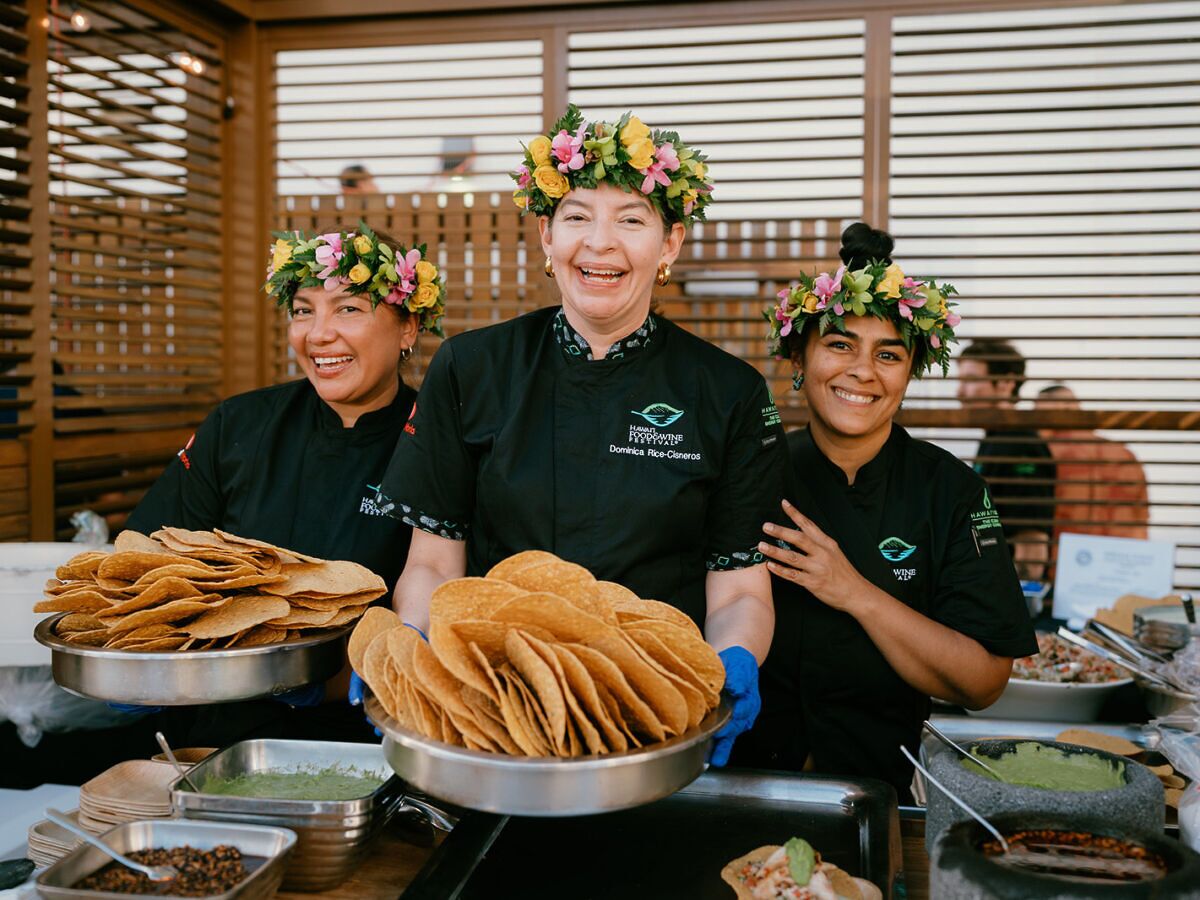
The Pacific: Hawaiʻi Food & Wine Festival
Co-founded by culinary legends Roy Yamaguchi and Alan Wong, this festival is a masterclass in regional sustainability. Spanning three islands and three weekends, it enforces a strict rule: all ingredients must be grown, caught, or raised in Hawaiʻi. With nearly 100 chefs—including Michelin-starred talent—it serves as a primary fundraiser for culinary scholarships, proving that indulgence can effectively support agricultural infrastructure.
The Atlantic: Wellfleet OysterFest
In the tight-knit community of Wellfleet, Massachusetts, the local economy relies heavily on the success of the annual oyster harvest. Attracting 20,000 attendees, the festival manages a delicate balance between tourism and environmental stewardship. The town’s initiative to recycle shells back into the ocean for reef restoration highlights a circular economy model that other festivals are beginning to emulate.
Official Responses and Strategic Vision
Festival organizers emphasize that these events are no longer just about consumption; they are about community integration.
"We don’t just want people to eat; we want them to understand the source," says a representative from the Arkansas Cornbread Festival. By moving to a low-waste model, including paper-over-plastic initiatives and water refill stations, the festival organizers in Little Rock have signaled a shift in how food events address their environmental footprint.
Similarly, the San Diego Brewers Guild has transitioned its strategy to focus on decentralized events. By encouraging attendees to explore the Miramar brewing corridor and North Park’s taproom culture, they have successfully transformed a week-long festival into a city-wide immersive experience, rather than a single, crowded venue.
The Economic and Cultural Implications
The rise of these festivals has profound implications for both local communities and the broader American culinary identity.
Economic Impact
The infusion of thousands of visitors into a city like Greenville, South Carolina, or Bowling Green, Kentucky, provides a significant end-of-year revenue boost for hospitality workers. The Bowling Green Bourbon and Brewfest, for example, utilizes the local ballpark to create a low-cost, high-volume environment that avoids the prohibitive price tags of larger, more commercialized spirits festivals in major metropolitan hubs.
Cultural Preservation
There is an implicit "culinary diplomacy" occurring at these festivals. When a celebrity chef works with local taro or reef fish in Hawaii, or when a sommelier in New Mexico pairs a vintage red with a specifically fire-roasted green chile, they are codifying regional traditions. This acts as a bulwark against the homogenization of American dining.
The Future of the "Foodie" Experience
As consumer expectations rise, festivals are responding with increased levels of curation. The shift toward VIP experiences—such as early access, private sommelier seminars, and intimate winery dinners—indicates that attendees are seeking deeper knowledge alongside their meals.
Furthermore, the integration of technology and logistics has made these events more accessible. The use of shuttle services, as seen in Bowling Green, and digital ticketing platforms for Chicago Gourmet, suggests that the "festival of the future" will prioritize ease of transit and user experience just as much as the quality of the food itself.
Conclusion: A Season to Savor
The American fall festival season is a testament to the diversity of the nation’s palate. Whether it is the competitive fire of a chili cook-off, the refined elegance of a Chicago rooftop tasting, or the community-driven spirit of a Cape Cod oyster roast, these events invite the public to participate in the act of creation.
By supporting these festivals, attendees do more than satisfy an appetite; they invest in the local farmers, the regional chefs, and the historical traditions that define American food. As we look toward the future, these festivals will undoubtedly continue to serve as the heartbeat of the American culinary scene, proving that even in a digital age, there is no substitute for gathering together to share a meal, a drink, and a story.
 Nana Wu
  Asro
Asro  Dwi Wanna