
 By Iffa Jayyana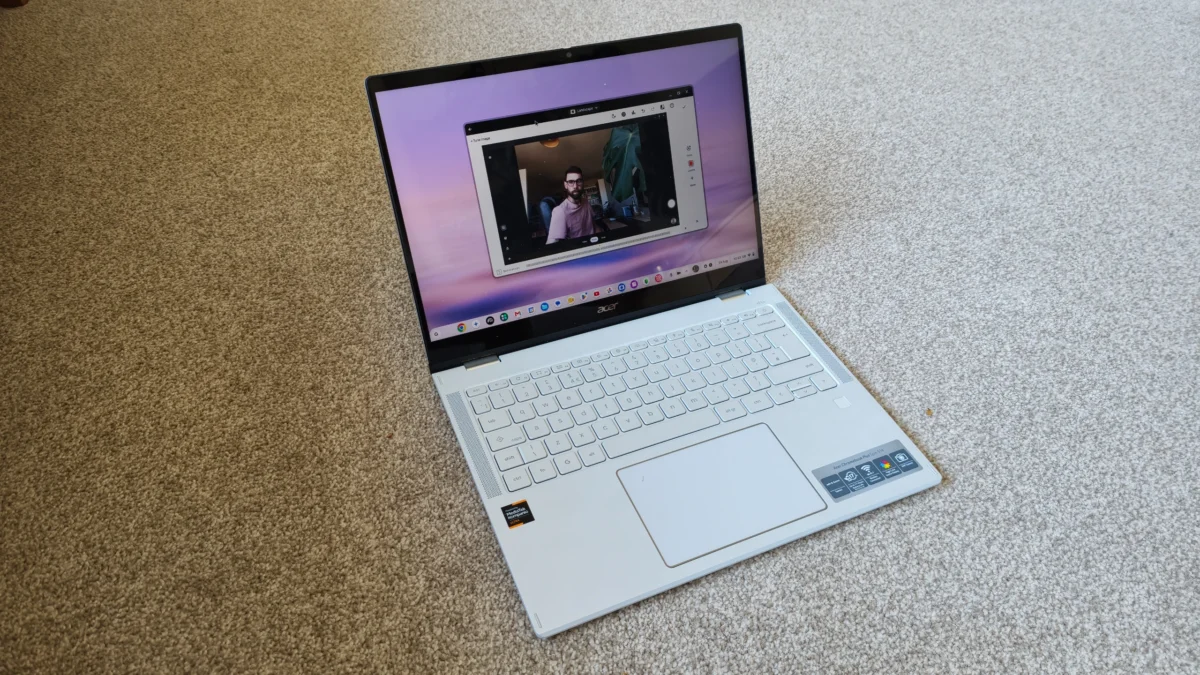
For years, the narrative surrounding Chromebooks has been one of limitation. Often relegated to the classroom or the budget-conscious consumer, the ChromeOS ecosystem has long struggled to shed its reputation as a "glorified web browser." However, a shifting landscape in hardware design and software capabilities—spearheaded by the Chromebook Plus initiative—is forcing a rethink.
The Acer Chromebook Plus Spin 514 stands as a landmark release in this transition. Having spent extensive time with the device, I have come to the conclusion that it is the first Chromebook in half a decade to genuinely challenge the status quo, bridging the gap between an affordable web-based tool and a legitimate creative companion.
Main Facts: A New Breed of Chromebook
The Acer Chromebook Plus Spin 514 is not merely a hardware refresh; it represents a strategic pivot for the Chromebook category. Under the "Chromebook Plus" branding, Acer has committed to a higher baseline of performance—ensuring that this machine carries enough RAM, storage, and processing power to handle modern, resource-intensive workflows.
At its core, the Spin 514 is a 14-inch convertible. It features a stunning 2.8K resolution display with a 16:10 aspect ratio, a format that is becoming the industry standard for productivity because of the additional vertical screen real estate it provides. Unlike the budget plastic laptops of the past, the Spin 514 carries a premium, professional aesthetic that holds its own in a boardroom or a high-end design studio.
A Chronology of Skepticism and Surprise
The relationship between professional creatives and Chromebooks has been, at best, strained. As I explored in my recent inquiry into the viability of the 2-in-1 form factor, the market has been flooded with devices that promised versatility but delivered mediocrity.
The Initial Unboxing
When the Acer Chromebook Plus Spin 514 first arrived on my desk, my expectations were tempered by years of testing devices that failed to meet the demands of a professional workflow. The unboxing experience was, initially, one of apathy. We have all seen 14-inch laptops before; they are the ubiquitous workhorses of the tech world.
The Turning Point
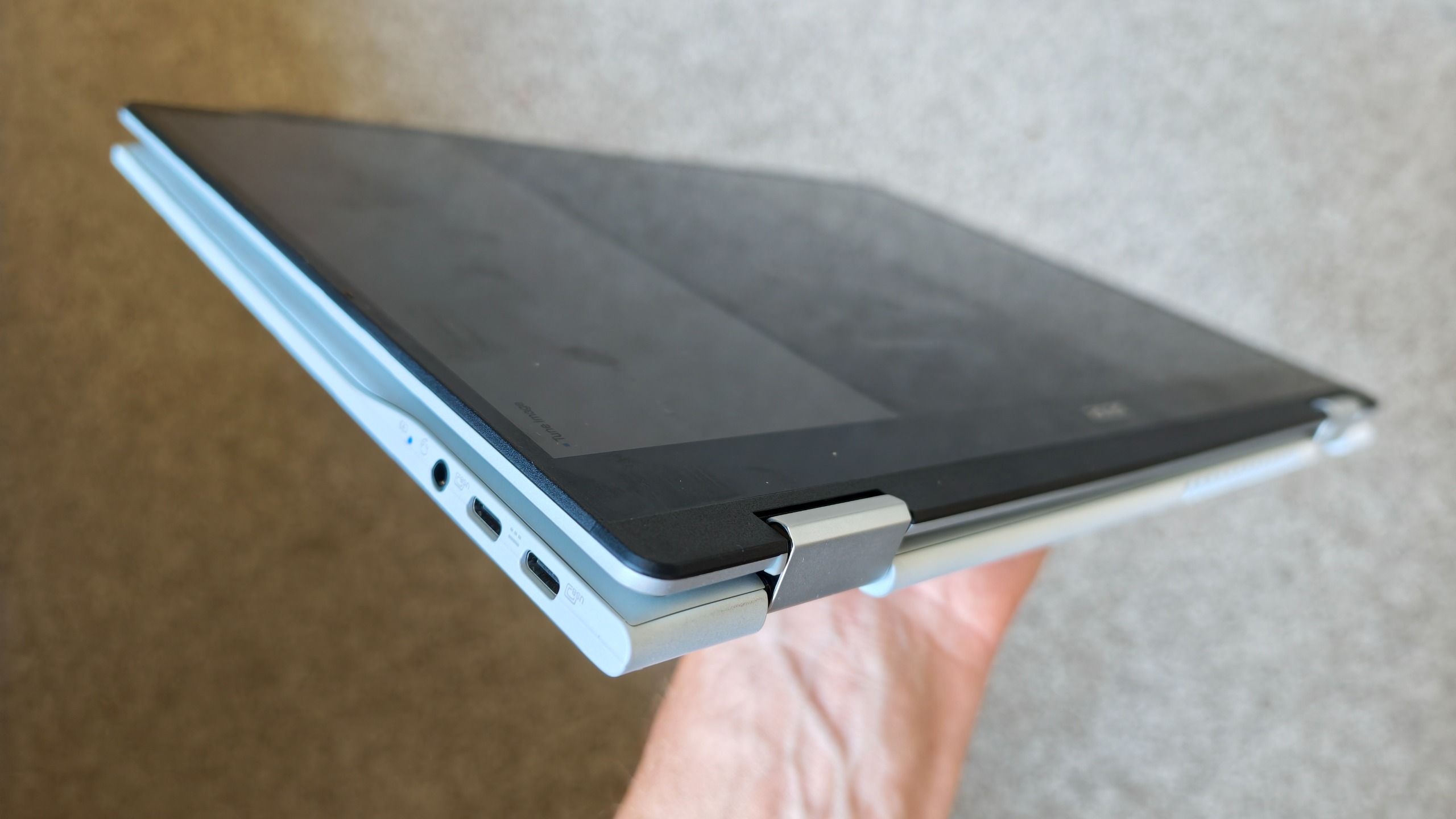
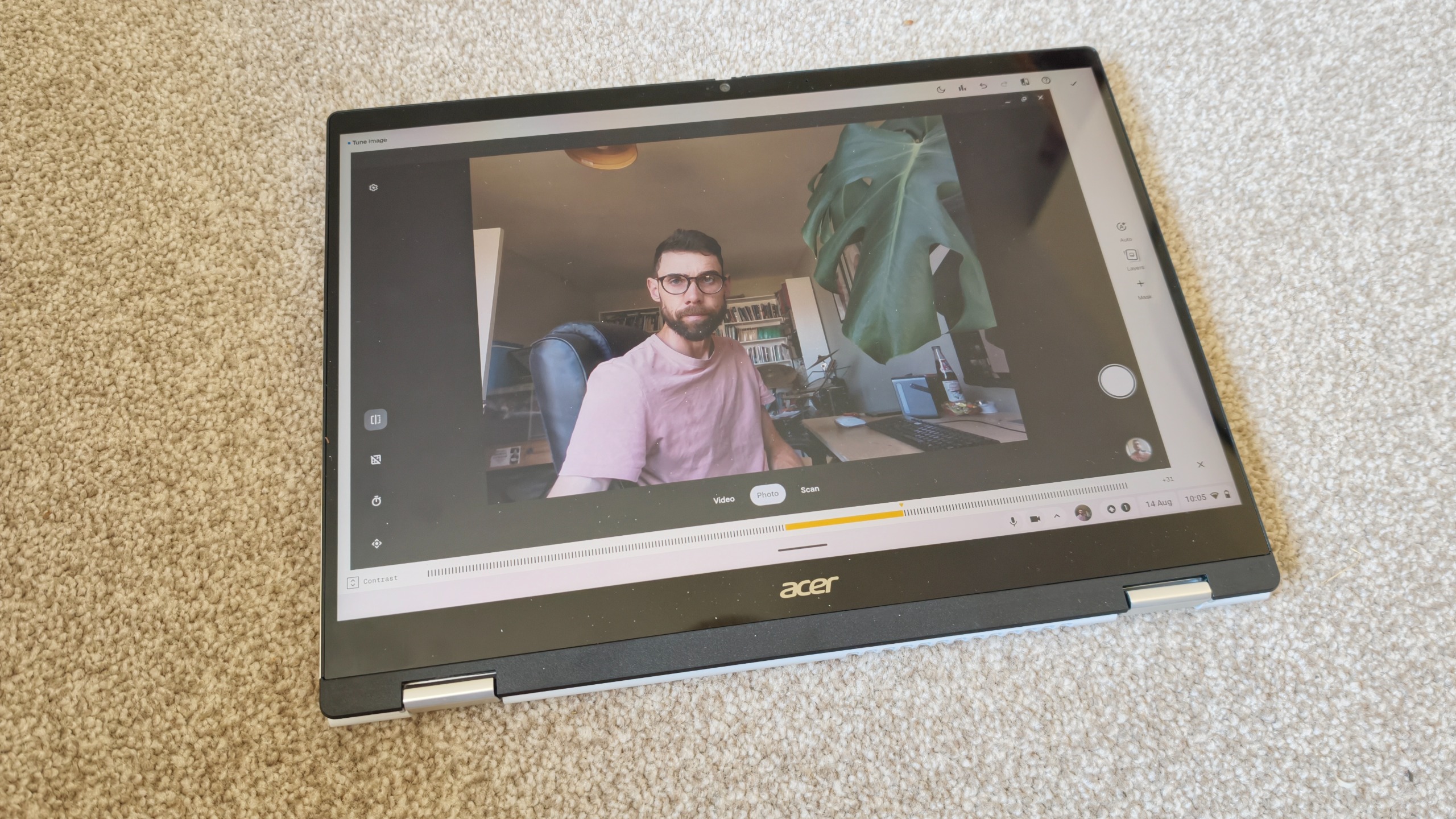
The apathy began to dissipate as I transitioned the device from its traditional laptop mode into its tablet configuration. There is a psychological and functional shift that occurs when a 14-inch screen becomes tactile. Unlike the 11-inch or 13-inch tablets that dominate the market, the Spin 514 offers a massive, high-resolution canvas. It isn’t just a laptop that flips; it is a large-format digital sketchbook that feels responsive and intuitive.
Supporting Data: Why the Workflow Works
The efficacy of a device is measured by the friction it removes from a creative process. My time with the Spin 514 was spent testing it against real-world tasks: sorting through high-resolution media from professional photoshoots, performing color grading in Snapseed, and conducting mobile video editing via InShot.
- Cloud Integration: The seamless synchronization between local media and cloud storage is where ChromeOS finally feels "pro-grade." The ability to offload raw files and have them instantly available across a professional workstation ecosystem is a massive productivity boon.
- Tactile Precision: While many creative tasks require the precision of a mouse and keyboard, the touch-first interface of the Spin 514 shines during the "rough cut" phase of video editing or when applying granular adjustments to photo filters. The transition between keyboard-heavy typing and touch-heavy editing is fluid, thanks to the 360-degree hinge mechanism.
Official Industry Implications
The success of the Chromebook Plus Spin 514 mirrors a broader industry trend toward "hybridized" computing. We are moving away from the era where a user needs a separate device for every task. By elevating the internal specifications to "Plus" standards, Acer and Google are tacitly admitting that the barrier to entry for creative work is no longer just software, but hardware consistency.
Is the 2-in-1 Form Factor Back?
My recent article, Are 2-in-1 laptops dead, or is there still time for a comeback?, addressed the industry-wide slump in convertible interest. The Acer Chromebook Plus Spin 514 provides a definitive answer: the 2-in-1 is not dead; it just needed a screen large enough to make the "tablet" mode useful.
A 14-inch tablet is a rarity. When you pair that form factor with a 2.8K display, you aren’t just looking at a laptop—you are looking at a portable presentation deck, a digital canvas, and a content consumption powerhouse. This is the "comeback" the industry needed.
The Verdict for Creatives
It is important to manage expectations: the Acer Chromebook Plus Spin 514 is not going to replace a dedicated workstation for heavy 3D rendering or high-end architectural modeling. It won’t be appearing in our "Best Laptops for 3D Modeling" guides anytime soon.
However, its value proposition lies elsewhere. For the creative professional who maintains a powerful desktop workstation but requires a secondary, highly portable device for travel, client meetings, and on-the-go iteration, the Spin 514 is a revelation. It occupies the "middle ground" of productivity—a space where affordability meets professional-grade usability.
Final Thoughts
In an era of increasingly expensive and specialized hardware, the Spin 514 is a refreshing reminder that utility often trumps raw power. It is a device that invites you to work, to create, and to present without the constant anxiety of a failing battery or a sluggish operating system.
If you have spent the last five years waiting for a Chromebook that feels like a serious tool rather than a budget toy, the wait may finally be over. The Acer Chromebook Plus Spin 514 is not just a laptop; it is a testament to the fact that with the right specifications and a versatile design, ChromeOS can finally sit at the table with the industry leaders.
About the Author:
Paul is a digital expert with over 20 years of experience in the technology and creative sectors. A graduate with a first-class honors degree in Computer Science, Paul has dedicated his career to demystifying complex hardware and software for both professionals and enthusiasts. His work focuses on the intersection of photography, videography, and 3D visualization, offering deep-dive reviews and insightful commentary for publications such as Creative Bloq, Digital Camera World, and 3D World Magazine.
 Reynand Wu
  Asro
Asro  Asep Darmawan