
 By Asro
In a move that marks a tectonic shift for the desktop manufacturing industry, Bambu Lab has officially stepped outside of its 3D printing stronghold. Known for revolutionizing the hobbyist and professional maker space with its high-speed FDM printers, the company has just unveiled its first-ever standalone laser cutter: the 55-watt R1 CO2 laser. This launch represents a strategic diversification for the brand, signaling a clear intent to challenge established players like xTool and Glowforge in the competitive laser-cutting market.
For the past two weeks, I have had the privilege of putting this machine through its paces. From complex acrylic geometry to precision engraving on stone and glass, the R1 is not merely a "first attempt"—it is a sophisticated, feature-rich powerhouse that threatens to disrupt the status quo.
The Core Specs: A New Contender in the Maker Space
At the heart of the R1 is a 55-watt CO2 laser tube, a workhorse capable of slicing through materials with surgical precision. While the machine’s footprint is undeniably "chonky"—a common trait for high-performance CO2 lasers—it remains remarkably efficient, utilizing a footprint roughly one-third smaller than traditional machines with equivalent working areas.
The R1 offers a generous standard work area of 600 x 300 mm, providing ample room for dual-sheet layouts of standard materials like basswood plywood. For those engaged in large-scale projects, such as furniture design or expansive signage, an optional conveyor attachment expands the cutting length to a staggering 3,000 mm.
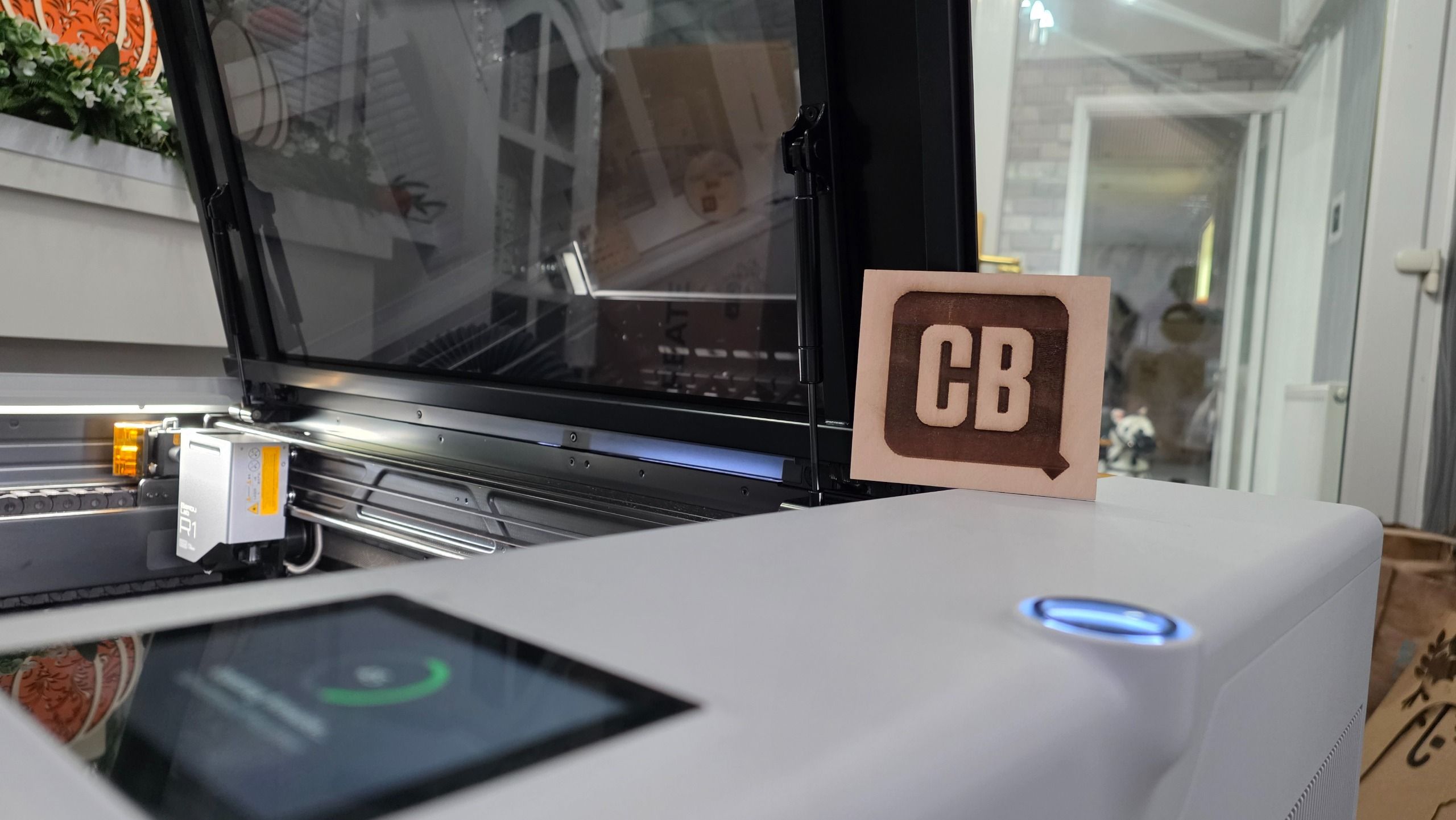
Priced at $2,499.00 (£2,249.00 / €2,499.00 / AU$3,849.00), the R1 positions itself as a premium yet highly competitive offering. When benchmarked against industry stalwarts like the xTool P2S, which launched with an MSRP near $4,299, the R1 arrives as a disruptive force, offering professional-grade specs at a price point that is significantly more accessible for small businesses and serious hobbyists.
Chronology of Development: From 3D Printers to Laser Precision
Bambu Lab’s entry into the laser space did not happen overnight. For the past year, the company has been systematically integrating laser cutting and engraving capabilities into its H-series 3D printers. The H2S, which I currently own, serves as a bridge between the company’s additive manufacturing roots and its new subtractive manufacturing ambitions.
By experimenting with modular heads that allow for both laser cutting and blade-based cutting—much like the functionality found in dedicated craft machines like Cricut—Bambu Lab was essentially running a large-scale, long-term beta test on its user base. The R1 is the culmination of those insights. It moves away from the "all-in-one" compromise of a printer-laser hybrid and into the realm of dedicated, high-performance machinery.
The development timeline reflects a company that prioritizes software-hardware synergy. By leveraging the same UI and ecosystem that have made their 3D printers global successes, Bambu Lab has ensured that the transition for existing users is nearly seamless.
The TriSense System: Revolutionizing Alignment
One of the most persistent pain points in the world of CO2 laser cutting is optical alignment. On traditional machines, this is a "rite of passage" for owners—a tedious, manual process involving thermal paper, mirror adjustments, and hours of calibration.
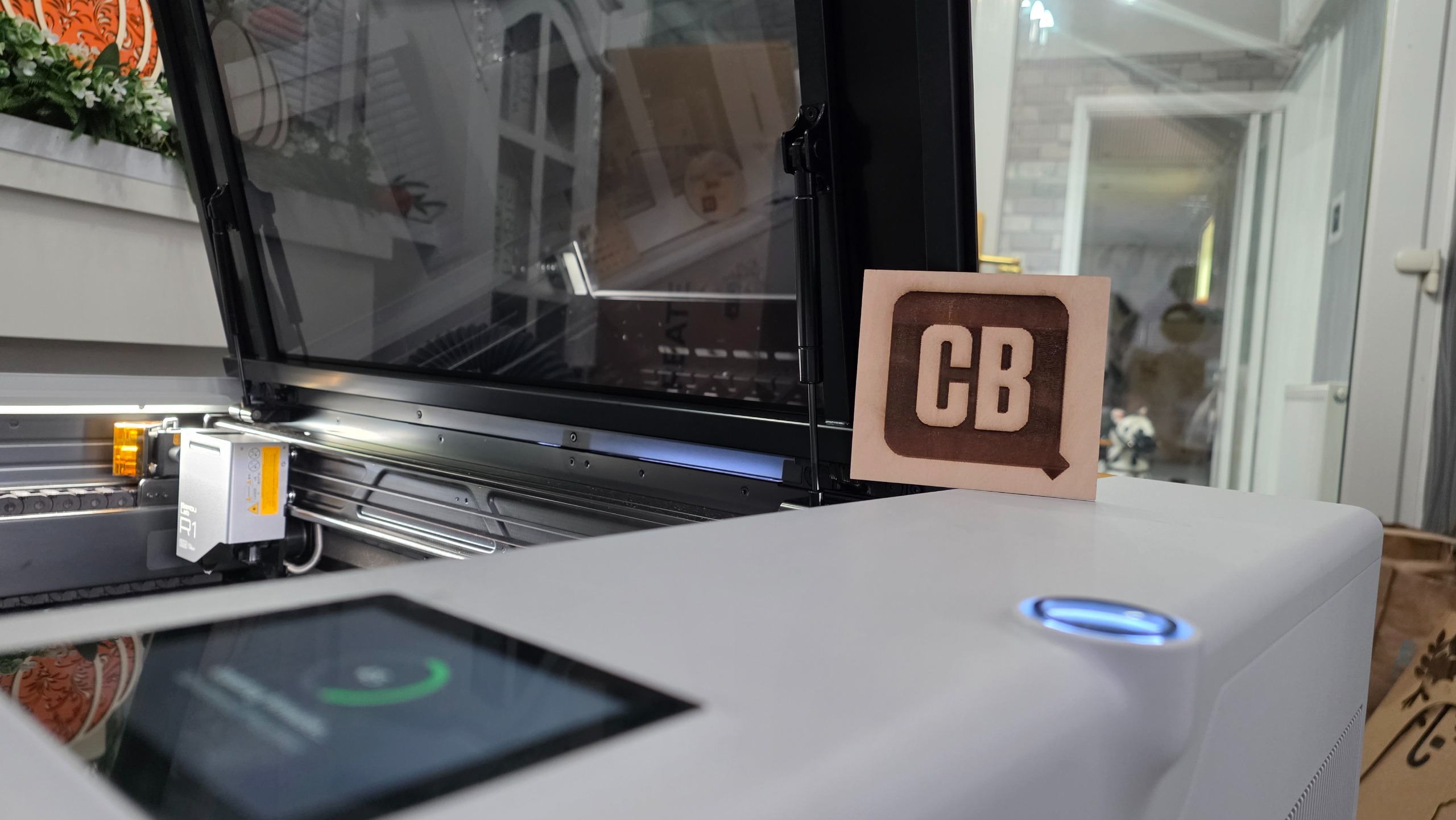
The R1 introduces the TriSense System, which, in my testing, proved to be its greatest competitive advantage. This system automates the optical path alignment, material detection, and surface height mapping with a single click. By utilizing advanced sensors and automated calibration, the R1 eliminates the need for manual mirror adjustments entirely.
Furthermore, Bambu Lab is offering a "Vision Encoder" as an optional accessory. This calibration board acts as a diagnostic tool that measures mechanical drift over time, allowing the machine to perform self-corrections. For professional users who rely on consistent accuracy across long-term production runs, this feature effectively mitigates the inevitable wear-and-tear that impacts machine precision.
Software and User Experience: The Bambu Suite
While many manufacturers rely on third-party software or pay-walled AI features, Bambu Lab has opted for a vertically integrated approach. The R1 operates on Bambu Suite, a dedicated, free-to-use software package.
Crucially, the software includes built-in background removal and image-tracing tools that convert standard JPEGs into clean SVGs in seconds. This ease of use is a direct carryover from the company’s 3D printing software, Bambu Studio. The interface is intuitive, removing the steep learning curve typically associated with industrial laser software.
However, there is a limitation to note: currently, Bambu Suite is only available as a desktop download. Users who rely exclusively on mobile devices or tablets for their design workflow will find this a hurdle, as the current mobile app, Bambu Handy, is primarily for monitoring and basic control rather than complex file preparation.
Safety and Practical Considerations
In a home or small-studio environment, safety is paramount. The R1 is Class 1 certified, meaning it is designed to be safe for use in residential settings without the need for additional safety goggles.
The machine features a comprehensive suite of safety protocols:
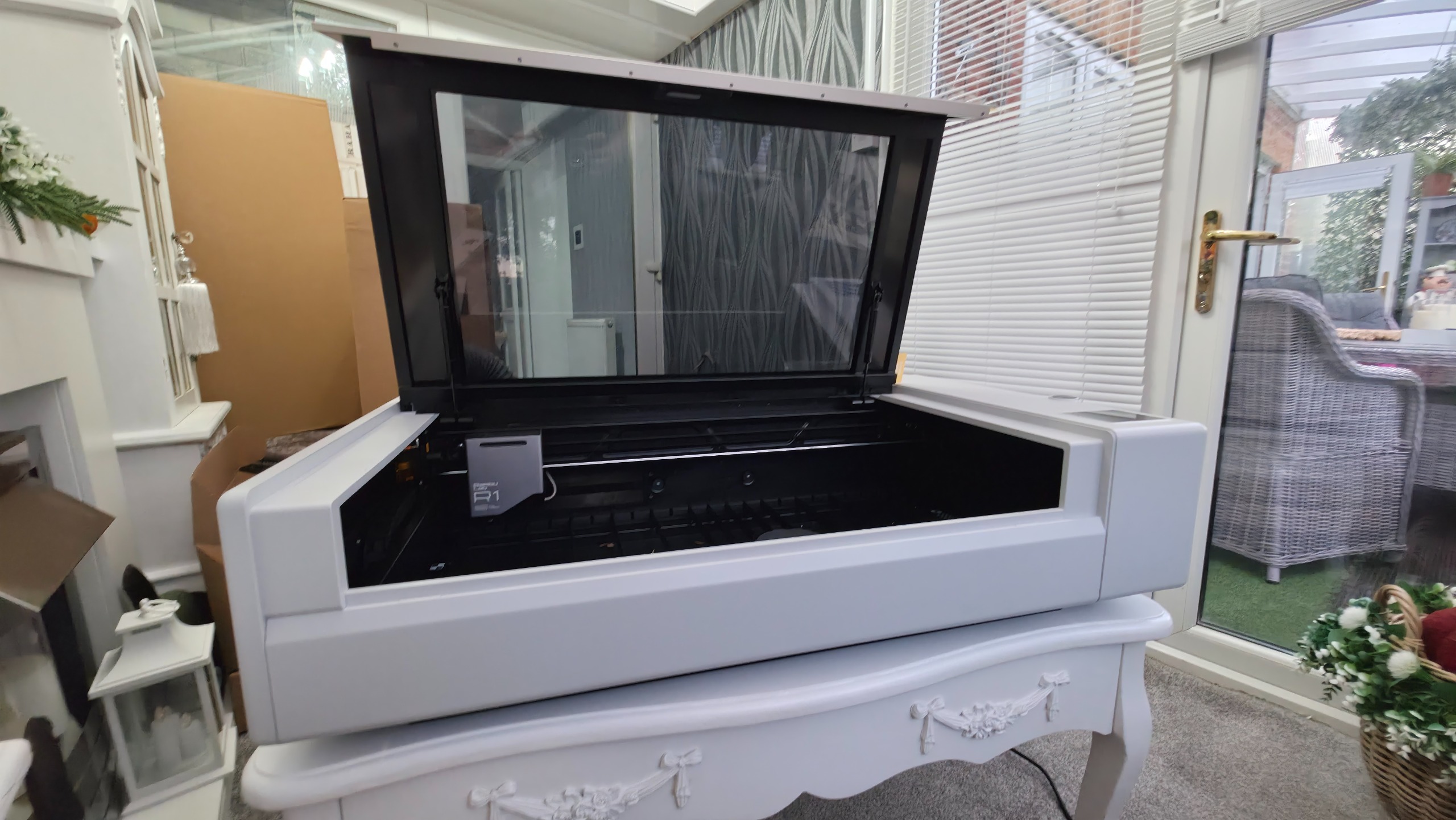
- Emergency Stop: A physical, high-visibility button for immediate power-down.
- Auto-Stop: Sensors detect if the lid is opened during operation and instantly pause the beam.
- Flame Detection: The internal monitoring system detects abnormal heat signatures or fires.
- Fire Suppression: While the Auto Fire Extinguishing System is sold separately, the machine is designed to integrate with it, allowing for autonomous fire suppression.
While the machine is remarkably user-friendly, it does not currently support every material under the sun. My testing confirmed that it handles wood, acrylic, leather, paper, and fabric with ease, and is capable of engraving glass and coated metals. While I successfully tested the unit on PLA (a material not officially listed), I would advise users to adhere strictly to the manufacturer’s safety guidelines to preserve the life of the laser tube and the safety of their workspace.
Implications for the Market
The arrival of the R1 suggests a shift in how consumer-grade laser cutters are marketed and maintained. By standardizing features that were once considered "premium" or "manual-only," Bambu Lab is pushing the entire industry toward a more user-centric, "plug-and-play" future.
For the competitor market, this is a wake-up call. The, "it just works" philosophy that made the Bambu Lab X1-Carbon a household name in the 3D printing world has now been translated to the laser industry. The competitive pricing and the inclusion of advanced, automated alignment features suggest that the company intends to capture a significant market share from established brands.
Final Thoughts: A New Era of Making
The Bambu Lab R1 is, without question, a triumphant first foray into the standalone laser market. It is heavy, it is large, and it requires a dedicated space, but it delivers on its promise of professional-grade results without the typical headaches of CO2 laser ownership.
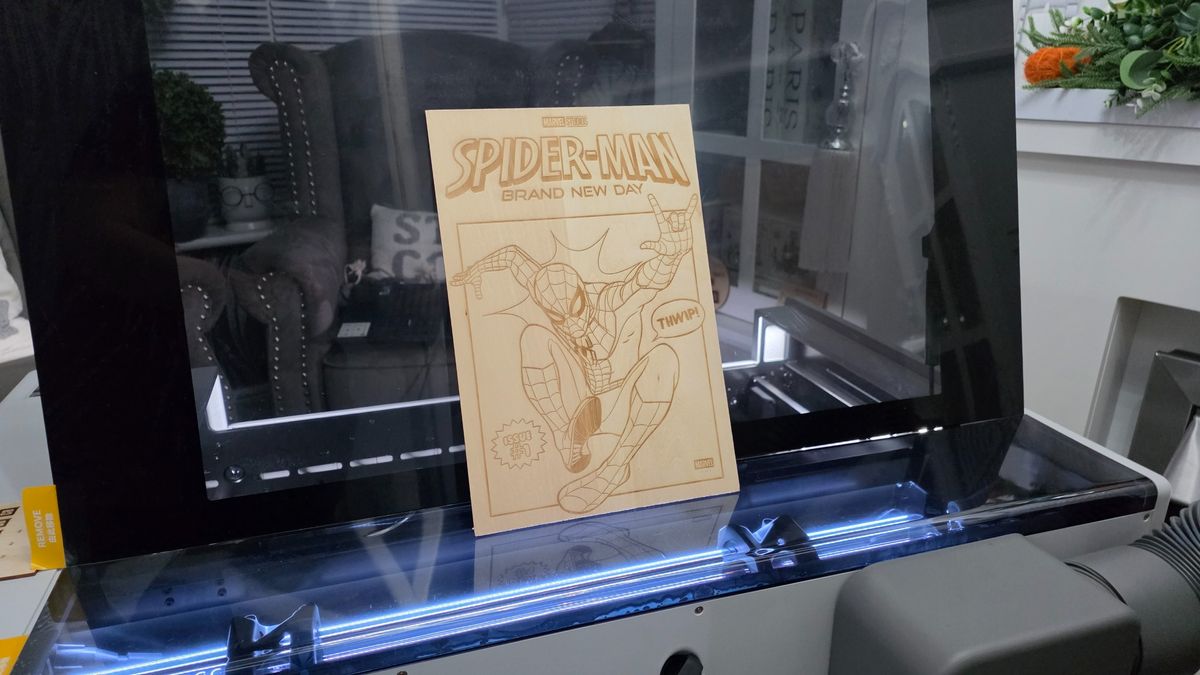
During my two weeks with the unit, I experienced zero operational hiccups. The machine’s ability to "cut like butter" while maintaining perfect alignment is a testament to the engineering quality of the R1. While it is still a new product and I am continuing to stress-test it for potential long-term flaws, my initial impressions are overwhelmingly positive.
For those waiting to pull the trigger on a high-end laser cutter, the R1 makes a compelling case. It is a machine that respects the user’s time, offers an intuitive software experience, and brings industrial-grade capability into a residential footprint. Pre-orders are currently live via the official Bambu Lab store, with the first wave of units expected to ship in October. As for me, the R1 has already found a permanent place in my workshop—and I suspect many other makers will soon follow suit.
 Asep Darmawan
  Basiran
  Neng Nana