
 By Azzam Bilal Chamdy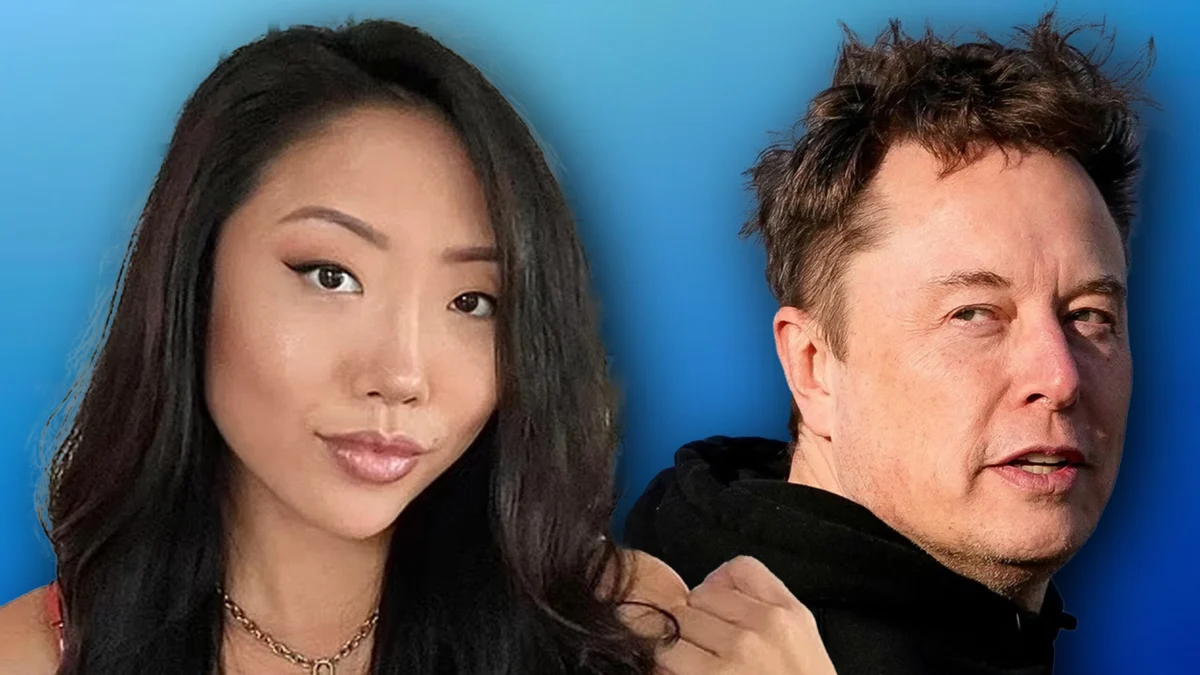
In the high-stakes intersection of Silicon Valley techno-oligarchy and modern internet celebrity culture, few figures command the daily news cycle quite like Elon Musk. As the world’s richest man—heading entities ranging from SpaceX and Tesla to X (formerly Twitter)—Musk’s personal and professional lives frequently collide in spectacular fashion.
A bombshell investigative report published by The Wall Street Journal has once again thrust Musk’s private life into the public eye, revealing explosive new details regarding his alleged family planning initiatives, friction with high-profile associates, and unexpected ripple effects across the social media ecosystem he controls.
While the core of the Journal’s reporting focused on serious accusations leveled by Ashley St. Clair—one of Musk’s alleged "baby mamas," who claims the billionaire has denied a paternity test and failed to meet child support obligations—a secondary revelation concerning right-wing cryptocurrency influencer Tiffany Fong has captivated social media users. The unfolding saga offers a fascinating lens into how contemporary digital culture processes institutional power, parasocial relationships, and corporate decision-making at the highest levels.
Main Facts: The Wall Street Journal Exposé and the Fong Revelation
The recent Wall Street Journal feature introduced multiple explosive elements to an already complex public narrative surrounding Musk’s family dynamics. According to the report, Ashley St. Clair alleged that Musk has refused to take a paternity test and has flaked on financial support for a child she claims they share.
However, hidden deeper within the investigative piece was a revelation concerning Tiffany Fong, a prominent right-wing crypto influencer on X. According to an unnamed source cited by the Journal, Musk slid into Fong’s direct messages (DMs) in late 2024—a period when Fong was temporarily "Twitter’s main character"—and bluntly asked if she wanted to have his child.
The two individuals had reportedly never met in person. According to the report, Fong rejected the proposal, expressing a desire for a more traditional, nuclear family structure. She subsequently confided in friends about the interaction, including Ashley St. Clair.
When word of Fong’s disclosure allegedly reached Musk, the billionaire swiftly unfollowed her on X. This public disengagement triggered immediate speculation across the platform, connecting Musk’s romantic overtures, subsequent rejection, and apparent retaliation to broader ongoing controversies regarding his approach to platform governance and personal privacy.
Chronology: From Viral Earnings to Platform-Wide Speculation
To understand how the narrative evolved from a private DM exchange into a viral internet phenomenon, it is necessary to examine the timeline of events stretching from late 2024 to the publication of the Wall Street Journal piece:
- Late 2024: Tiffany Fong surges in visibility on X, briefly capturing the collective attention of the platform’s user base as a prominent right-wing cryptocurrency influencer and earning the informal title of "Twitter’s main character." During this window, Musk reportedly sends an unprompted direct message to Fong, proposing that she bear his child.
- Late November 2024: Fong posts a screenshot of her X Premium earnings, revealing a staggering payout of roughly $21,000 for a two-week span. The post goes viral, drawing widespread attention to the monetization mechanics of Musk’s platform.
- Late November to Early December 2024: Shortly after boasting about her high earnings, Fong is abruptly unfollowed by Elon Musk. Concurrently, her platform earnings drop significantly. Users immediately suspect retaliation, with online commentators speculating that she had rejected Musk either romantically or reproductively.
- Early 2025: The Wall Street Journal publishes its investigative exposé detailing Ashley St. Clair’s paternity and child support claims against Musk. The piece also publicly confirms the rumors surrounding Fong, detailing the alleged DM proposal, Fong’s rejection in favor of a traditional nuclear family, and her decision to share the story with confidants like St. Clair.
- Post-Publication (Spring 2025): The revelation goes viral on X. Users begin drawing lines between the Fong incident and upcoming platform changes, such as the rumored replacement of traditional DMs with a new feature tentatively dubbed "XChat." Online commentators and meme creators frame platform updates as reactionary measures taken by Musk in response to personal slights or leaked conversations.
Supporting Data: Platform Monetization, Metrics, and the Anatomy of a Viral Rumor
The intersection of Musk’s personal romantic pursuits and his platform’s infrastructure relies heavily on verifiable data points and digital metrics that fueled public speculation.
The catalyst for the initial December 2024 conspiracy theories was Fong’s transparency regarding her X Creator Revenue Sharing program payouts. By sharing a screenshot demonstrating a $21,000 revenue haul over a two-week period, Fong highlighted the lucrative potential—and the centralized control—wielded by the platform’s owner. When her follower count dropped and her monetization metrics plummeted immediately following the alleged DM rejection, observers seized upon the data as empirical evidence of algorithmic or administrative retaliation.
Furthermore, the mechanics of X’s direct messaging system have become a central character in the ongoing digital discourse. Industry reports indicate that X is planning to phase out traditional DMs in favor of a revamped system referred to internally and externally as "XChat." While tech journalists at outlets like Mashable and Dexerto have clarified that XChat is designed to function as an upgraded messaging suite rather than an outright elimination of private communication tools, the timing has provided endless ammunition for online critics.

Meme creators on platforms like 4chan and X quickly adopted classic formats—such as green-text stories—to draw satirical, cause-and-effect conclusions:
> Elon gets rejected by Tiffany Fong
> Removes DMs
While tech analysts emphasize that platform updates are driven by product roadmaps and monetization strategies rather than interpersonal rejection, the blurring of lines between Musk’s personal grievances and corporate policy decisions remains a potent driver of online engagement.
Official Responses and Public Discourse
As of the publication of the Wall Street Journal exposé, neither Elon Musk nor representatives for X have issued formal statements directly addressing the specific claims made by Tiffany Fong or Ashley St. Clair regarding private communications and family planning proposals. True to his usual playbook, Musk has largely ignored the direct allegations on his timeline, continuing to post about engineering updates, political commentary, and company milestones.
However, the public response across the digital landscape has been sharply polarized. Musk’s detractors have seized upon the investigative piece as validation of long-standing criticisms regarding his personal conduct, corporate governance, and the unchecked power of tech billionaires over digital public squares. For critics, the narrative underscores a troubling pattern where platform tools and creator monetization programs allegedly serve as extensions of personal whims.
Conversely, supporters and casual observers have cautioned against leaping to unfounded conclusions, noting a persistent online tendency to invent causal links between Musk’s personal life and unrelated platform features. Internet historians and tech commentators have drawn parallels to previous viral hoaxes—such as a thoroughly debunked mid-2024 screenshot alleging that Musk made user "likes" private in response to a joke tweet about his own anatomy. These historical precedents highlight the internet’s insatiable appetite for finding patterns, poetic justice, and narrative symmetry in the chaotic behavior of high-profile figures.
Implications: The Overlap of Personal Power and Platform Integrity
The convergence of the Wall Street Journal’s reporting on Ashley St. Clair, the revelations concerning Tiffany Fong, and the ongoing structural evolution of X highlights profound questions regarding the modern digital ecosystem.
When the owner of a global town square possesses unilateral control over both platform algorithms and personal messaging infrastructure, the boundary between private behavior and public governance inevitably dissolves. Users, advertisers, and regulators are forced to grapple with the reality that personal interpersonal conflicts can seemingly bleed into platform-level changes—or, at the very least, that the public perceives such a dynamic to be at play.
St. Clair’s allegations regarding child support and paternity, combined with Fong’s reported refusal of Musk’s unconventional family-planning overtures, paint a picture of a billionaire attempting to engineer a personal legacy on a grand scale—what St. Clair colorfully described as Musk’s desire to reach a "legion-level before the apocalypse." Yet, the resistance he has encountered from figures within his own digital orbit demonstrates the limits of personal influence, even for the world’s wealthiest individual.
Ultimately, whether platform modifications like XChat are interpreted as routine software updates or reactionary measures following high-profile rejections, the discourse reveals a public deeply fascinated by the friction between tech-utopian ambitions and messy human reality. As long as the personal lives of Silicon Valley elites remain tethered to the infrastructure of our primary communication channels, the line between corporate news and interpersonal soap opera will continue to blur.
 Nila Kartika Wati
  Laily UPN