
 By Basiran
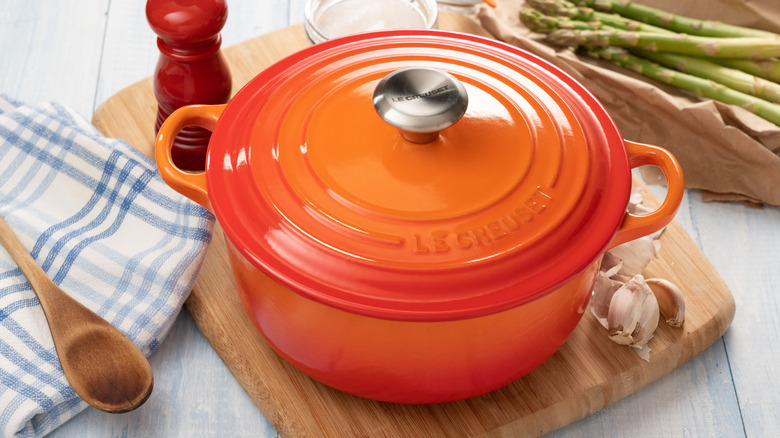
GLOBAL — For more than a century, Le Creuset has occupied a rarified tier in the culinary world. Synonymous with heirloom quality, French craftsmanship, and vibrant kitchen aesthetics, the brand’s signature enameled cast-iron Dutch ovens, braisers, and skillets are frequently treated as collector’s items rather than mere kitchen tools. Vintage hues command high prices at estate sales, and a new generation of home cooks proudly displays the iconic orange Flame or cherry red pots on stovetops across the globe.
Yet, even the most revered luxury legacy brands are not immune to modern consumer scrutiny. In an era defined by digital reviews, social media forums like Reddit, and intense competition from specialized alternative cookware lines, Le Creuset is facing a reckoning. While millions of customers swear by the lifelong durability of their purchases, a growing chorus of buyers is questioning whether the brand’s steep price tag matches its evolving build quality, customer service, and product consistency.
This investigative report breaks down the thirteen most common customer complaints leveled against Le Creuset, exploring the gap between the brand’s century-old reputation and the contemporary consumer experience.
1. Main Facts: The Anatomy of Le Creuset’s Consumer Backlash
The friction between Le Creuset and its consumer base centers primarily on a paradox: a brand that commands premium, luxury-tier pricing while simultaneously battling accusations of inconsistent quality control, fragile components, and products that fail to meet high performance expectations.
Key pain points highlighted by disgruntled buyers include:
- Enamel Vulnerability: Chipping, cracking, and "crazing" (a web of micro-cracks) occurring far sooner than expected.
- Performance Issues: Persistent food sticking on cast-iron surfaces and sub-par performance in non-stick and stainless-steel lines.
- Component Fragility: Plastic knobs, handles, and glass lids that warp, crack, or fail prematurely.
- Service Inconsistencies: A lifetime warranty that often depends heavily on the discretion of individual customer service representatives.
- Sky-High Costs: Prices ranging from $200 for basic Dutch ovens to nearly $1,000 for specialized pieces, raising expectations that are frequently unmet.
2. Chronology: From Heritage Icon to Mass-Market Scrutiny
To understand how Le Creuset arrived at its current customer relations climate, it is necessary to examine the trajectory of the company’s evolution:
- 1925–1950s (The Foundation): Founded in Fresnoy-le-Grand, France, by casting specialist Armand Desaegher and enamel expert Octave Aubecq, Le Creuset established itself as an innovator in enameled cast iron. The introduction of its iconic orange hue solidified its visual identity.
- 1960s–1990s (Global Expansion): The brand expanded its market footprint into North America and Asia, successfully marketing its cookware as both functional and display-worthy. During this era, even cultural icons like Marilyn Monroe collected specialized kitchenware brands, cementing the cultural cachet of high-end cookware.
- 2000s–2010s (Diversification): Le Creuset broadened its portfolio significantly, moving beyond cast iron into stoneware, stainless steel, non-stick aluminum pans, kettles, and accessories like salt and pepper mills.
- 2020–Present (Digital Critique and Public Relations Friction): As e-commerce surged, customer feedback became centralized on platforms like Reddit and independent review sites. Public scrutiny intensified—highlighted by a notable 2025 promotional misstep involving mystery gift boxes that failed to meet guaranteed values—leading to heightened consumer skepticism regarding quality control and brand value.
3. Supporting Data & Detailed Consumer Grievances
A deeper dive into the thirteen specific areas of consumer dissatisfaction reveals recurring themes regarding materials, pricing, and manufacturing tolerances.
Fragile Enamel and "Crazing"
Le Creuset’s signature enameled cast iron is beloved because it eliminates the need to pre-season traditional raw cast iron. However, customers frequently report that the enamel layer chips, cracks, or develops "crazing" (fine surface cracks across the bottom of the pot) within weeks or months of purchase. While thermal shock (heating a cold pan too quickly) is often cited by manufacturers as the cause, many users maintain they followed strict care guidelines, pointing instead to potential manufacturing flaws.
Sticker Shock and Overhyped Value
With standard Dutch ovens starting around $200 to $250—and specialized or limited-edition items climbing much higher—the financial barrier to entry is immense. Many budget-conscious home cooks argue that the brand has become heavily overhyped, noting that more affordable alternatives, such as heavy-duty Dutch ovens from budget retailers or warehouse clubs, deliver comparable culinary results.
Food Adhesion on Cast Iron
Enenameled cast iron does not develop the non-stick polymer seasoning layers found on traditional seasoned cast iron or carbon steel. Countless users complain that proteins and vegetables constantly adhere to the bottom of their pans. While Le Creuset notes that preheating cast iron too fast creates hot spots that exacerbate sticking, many consumers find the learning curve frustrating relative to the cost of the cookware.
Subpar Non-Stick and Stainless-Steel Lines
While Le Creuset is famous for cast iron, its modern expansions into stainless steel and PTFE non-stick pans (retailing upwards of $180) have received heavy criticism. Customers report that the non-stick coatings degrade within months, failing to outperform cheaper mass-market alternatives. Similarly, its stainless-steel line has been criticized for warping under standard cooking temperatures, failing to compete with specialized legacy stainless brands like All-Clad or Demeyere.
Inconsistent Lifetime Warranties
Le Creuset advertises a generous lifetime warranty for defects in materials and workmanship. However, user forums are filled with reports of inconsistent enforcement. Whether a warranty claim is honored often depends entirely on the specific customer service representative evaluating the product, leading to accusations of arbitrary decision-making and double standards.
Excessive Weight and Ergonomic Challenges
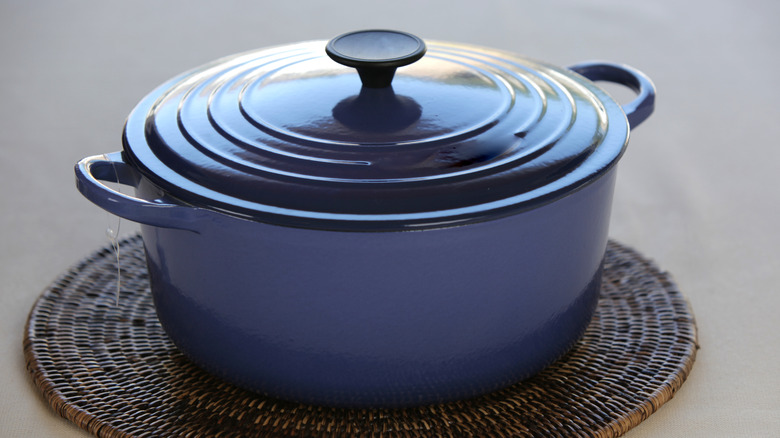
Weighing well over 10 pounds empty for standard models, Le Creuset Dutch ovens can be overwhelmingly heavy. For cooks with wrist injuries, arthritis, or limited upper-body strength, the sheer mass of the cookware renders it practically unusable.
Fragile Knobs and Plastic Handles
While the main body of a Dutch oven may last generations, the attached hardware often does not. Customers frequently report that plastic lid knobs melt, shatter, or degrade, while wooden or synthetic handles on utensils and pans lose their finish rapidly after minimal use.
Temperamental Stovetop Kettles
Le Creuset’s aesthetic kettles are frequent targets of negative reviews. Buyers report severe internal rusting and poor spout geometry that causes water to dribble down the side rather than pour cleanly, creating both a mess and a safety hazard.
Perceived Decline in Quality Control
Long-term brand loyalists argue that modern production methods have diluted the rigorous attention to detail that once defined the French manufacturer. An increasing number of items arrive with cosmetic or structural defects, fueling a narrative that the company relies more heavily on lifestyle marketing than manufacturing integrity.
Defective and Dangerous Lids
Both cast-iron and glass lids have faced criticism. Cast-iron lids occasionally fail to sit flush against the pot’s rim, allowing steam to escape. More alarmingly, some users have reported that Le Creuset glass lids have shattered or exploded spontaneously inside ovens, even when operated below maximum temperature ratings.
Inadequate Shipping and Packaging
For an item costing hundreds of dollars, proper transit protection is essential. Customers frequently complain that Le Creuset ships heavy items in flimsy cardboard with little to no bubble wrap, resulting in chipped enamel and dented surfaces upon arrival.
Underwhelming Salt and Pepper Mills
Priced between $80 and $100, Le Creuset’s salt and pepper mills are often purchased as affordable entry points into the brand. However, consumers frequently condemn them as overpriced plastic gadgets that feature inconsistent grinding mechanisms and are notoriously difficult to refill.
4. Official Responses and Corporate Stance
In response to growing online scrutiny, Le Creuset maintains that its products remain gold standards in the culinary industry. The company continually emphasizes its adherence to strict European manufacturing standards, noting that every piece of enameled cast iron passes through multiple manual inspections before leaving the foundry in France.
Regarding the lifetime warranty, corporate representatives maintain that the policy is designed to cover genuine manufacturing defects while excluding normal wear and tear, thermal shock damage, or commercial misuse. To address consumer concerns over transparency, Le Creuset has periodically updated its digital care guides and customer service training protocols to better educate buyers on proper preheating techniques, medium-heat cooking limits, and hand-washing recommendations.
Furthermore, following public relations missteps—such as the backlash over promotional mystery boxes—the company has issued formal apologies and implemented more responsive customer satisfaction measures to rebuild trust among alienated buyers.
5. Implications for Consumers and the Luxury Cookware Market
The accumulation of these complaints signals a broader shift in the luxury kitchenware market. As digital communities empower consumers to share honest, long-term product reviews, heritage brands can no longer rely solely on reputation and nostalgia to justify premium price points.
- For the Consumer: Buyers must carefully weigh whether the aesthetic appeal and brand legacy of Le Creuset justify the financial investment, or if specialized, more agile competitors offer better value for specific kitchen needs. Understanding the strict maintenance requirements of enameled cast iron is vital to avoiding user-error damage.
- For the Industry: The backlash serves as a cautionary tale for legacy manufacturers. As consumer expectations rise alongside prices, brands must balance mass production demands with uncompromising quality control and robust, transparent customer support to protect their hard-earned equity.
 Asro
Asro  Pevita Pearce
  Iffa Jayyana