
 By Layla Zulfa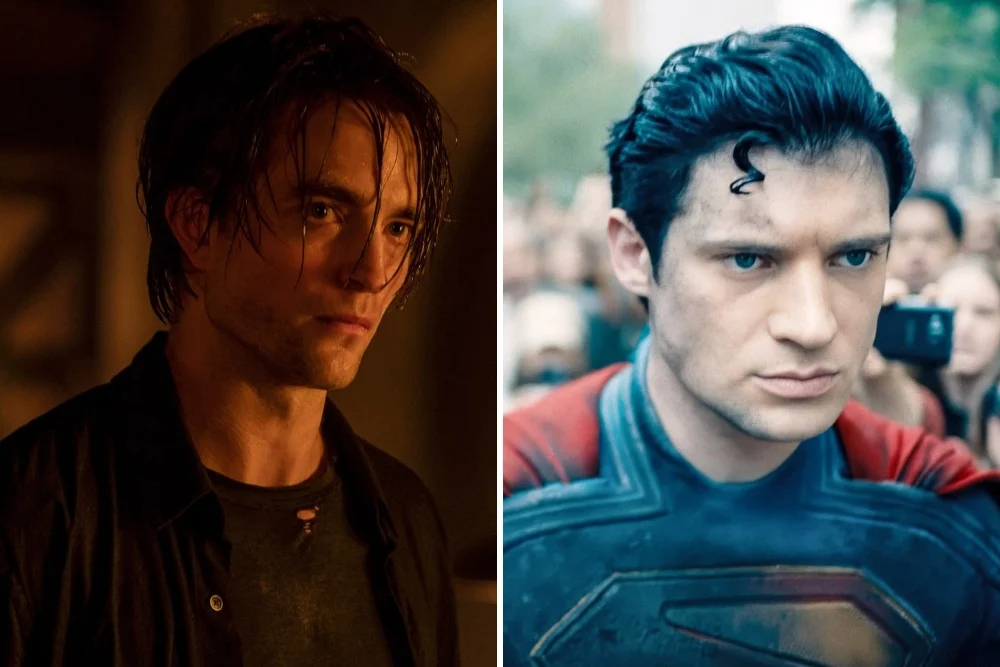
The landscape of superhero cinema is currently undergoing its most significant structural evolution in a decade. With James Gunn and Peter Safran at the helm of the newly minted DC Universe (DCU), the studio is attempting to weave a cohesive, interconnected tapestry of heroes. However, one of the most prominent threads in the DC tapestry—Matt Reeves’ gritty, noir-inspired Gotham—remains conspicuously isolated. Robert Pattinson, the star of 2022’s The Batman, has finally put to rest any lingering speculation regarding a potential crossover with Gunn’s cinematic world, confirming that his iteration of the Caped Crusader is destined to exist within its own hermetically sealed reality.
The Verdict: Pattinson Defines the Boundaries of Gotham
For years, fans have speculated whether the "Elseworlds" banner—the designation DC uses for projects outside the main continuity—was merely a temporary measure. Could Pattinson’s Bruce Wayne eventually share the screen with David Corenswet’s Superman? According to Pattinson, the answer is a resounding "no," driven not by studio politics, but by the sheer psychological and stylistic weight of the character he has built under the direction of Matt Reeves.
In a recent interview with LADbible, Pattinson explained that his version of Bruce Wayne is fundamentally incompatible with the broader, more colorful scope of the DCU. "I think it would be kind of tough to have this version of Bruce outside of that world," Pattinson remarked. He described the process of inhabiting the role as an all-consuming, transformative experience that requires a level of psychological immersion that would be diluted by the inclusion of meta-human teammates or cosmic stakes.
"It’s one of the only characters, I guess, because of the length of the shoots, but also it’s such a specific kind of style; the tone of it gets inside you," Pattinson admitted. "I remember that happened to me the last time I did it, it took a while. You’re just in the dark the whole time. Both mood-wise and light-wise, I can’t see anything for like months. It does affect you, like you feel strange afterwards."
This "darkness" is not merely an aesthetic choice; it is the fundamental DNA of the Reeves-verse. For Pattinson, the performance requires a degree of isolation that would be impossible to maintain if he were required to share a screen with an alien from Krypton or a speedster from Central City.
A Chronology of the Modern Batman
To understand why Pattinson’s Batman remains solitary, one must look at the trajectory of the character over the last two decades. The modern cinematic Batman has been defined by a constant push-pull between realism and fantasy.
- 2005–2012: The Nolan Era. Christopher Nolan’s The Dark Knight trilogy set a high-water mark for grounded, serious-minded superhero filmmaking. By the time The Dark Knight Rises concluded, the audience had been conditioned to view Batman through the lens of political thriller and crime drama rather than high-concept comic book action.
- 2016–2021: The DCEU Transition. The subsequent attempt to integrate Batman into a Justice League framework via Ben Affleck’s portrayal resulted in a more mythic, brawling version of the character. While visually impressive, it struggled to find the narrative cohesion that critics and audiences demanded.
- 2022: The Reeves Reset. Matt Reeves’ The Batman arrived as a deliberate pivot. It was, in many ways, a reaction to the sprawling, interconnected nature of the previous DCEU. By stripping away the Justice League and focusing on a detective-noir narrative, Reeves successfully revitalized the brand.
- 2025: The Gunn Rebirth. James Gunn’s Superman introduced a new, brighter, and more optimistic era for DC. This film emphasized "genuine emotional stakes" over the "dark, ambitious mistakes" of the past, signaling a clear stylistic divergence from the Reeves model.
The Stylistic Chasm: Noir vs. The Multiverse
The separation between these two worlds is not merely a matter of creative preference; it is a fundamental difference in genre. Matt Reeves’ Gotham is a world of shadows, systemic corruption, and tactile, low-tech brutality. As Variety’s Peter Debruge noted in his 2022 review, Reeves’ strategy was to "go darker than The Dark Knight, deadlier than No Time to Die and longer than Dune."
By contrast, the DCU under James Gunn seeks to embrace the more fantastical elements of the source material. In his review of the 2025 Superman film, Variety’s Owen Gleiberman highlighted that the film functions as a "loopy, spinning, multifaceted story." This is a world where the fantastical is embraced, not grounded in the gritty, urban realism of a serial killer hunt.
If Pattinson’s Batman were to appear in the DCU, the tonal dissonance would be palpable. To force a character who operates in the shadows of a decaying, realistic Gotham into a world of cosmic deities would risk undermining the very "specific kind of style" that Pattinson and Reeves have spent years cultivating.
Implications for the Future of DC
The decision to keep the The Batman franchise separate has significant implications for the long-term health of the DC brand. By operating under the "Elseworlds" label, DC is effectively utilizing a two-pronged strategy:
- The DCU (Main Continuity): This will be the home for the interconnected stories, including the upcoming Superman sequels, The Authority, and the planned The Brave and the Bold film. The latter is expected to introduce a different version of Batman—one who has a history with the Bat-Family and is more suited to the team-up dynamics of a shared universe.
- The Reeves-verse (Prestige Standalone): This allows filmmakers like Matt Reeves to pursue a singular, auteur-driven vision without the constraints of a larger cinematic timeline. It offers audiences a "prestige" version of the character that emphasizes character study over franchise building.
This strategy mirrors the success seen in other mediums, such as comic books, where various iterations of Batman (e.g., Batman: Year One vs. Justice League) exist simultaneously, catering to different audience tastes.
Anticipation for ‘The Batman Part II’
As of now, all eyes are turned toward February 18, 2028, the scheduled release date for The Batman Part II. The anticipation surrounding the sequel is immense, fueled by the success of the first film and the continued curiosity regarding how Reeves will expand his gothic, rain-slicked version of Gotham.
The fact that Pattinson is so committed to the isolated nature of his Batman only serves to heighten the excitement for the next chapter. It confirms that the production team is prioritizing the depth and integrity of their specific story over the commercial pressure to participate in a "crossover event."
In a market saturated with interconnected cinematic universes, there is a rare and distinct value in a standalone story. By remaining outside the DCU, Pattinson’s Bruce Wayne is allowed to remain what he has always been in the best stories: a tragic, obsessed, and deeply human detective whose only concern is the shadows of his own city.
Conclusion: The Strength of Independence
The modern audience has shown an increasing appetite for diverse takes on iconic characters. By maintaining the separation between the DCU and the Reeves-verse, the studio is effectively catering to two different demographics: those who want the epic, colorful scope of a shared superhero universe, and those who prefer the grounded, intense, and atmospheric character study that a standalone film provides.
Robert Pattinson’s refusal to force his Batman into the DCU is not a sign of resistance, but rather a sign of respect for the character. He recognizes that the "tone of it" is a fragile thing, and once broken by the expectations of a shared universe, it could never be fully repaired. As the DCU continues to expand, the existence of a separate, dark, and singular Gotham serves as a reminder that sometimes, the most compelling stories are the ones told in the quiet, isolated corners of the map. With The Batman Part II on the horizon, fans can rest assured that the dark knight of Gotham will remain exactly where he belongs: in the dark.
 Laily UPN
  Ali Ikhwan