
 By Basiran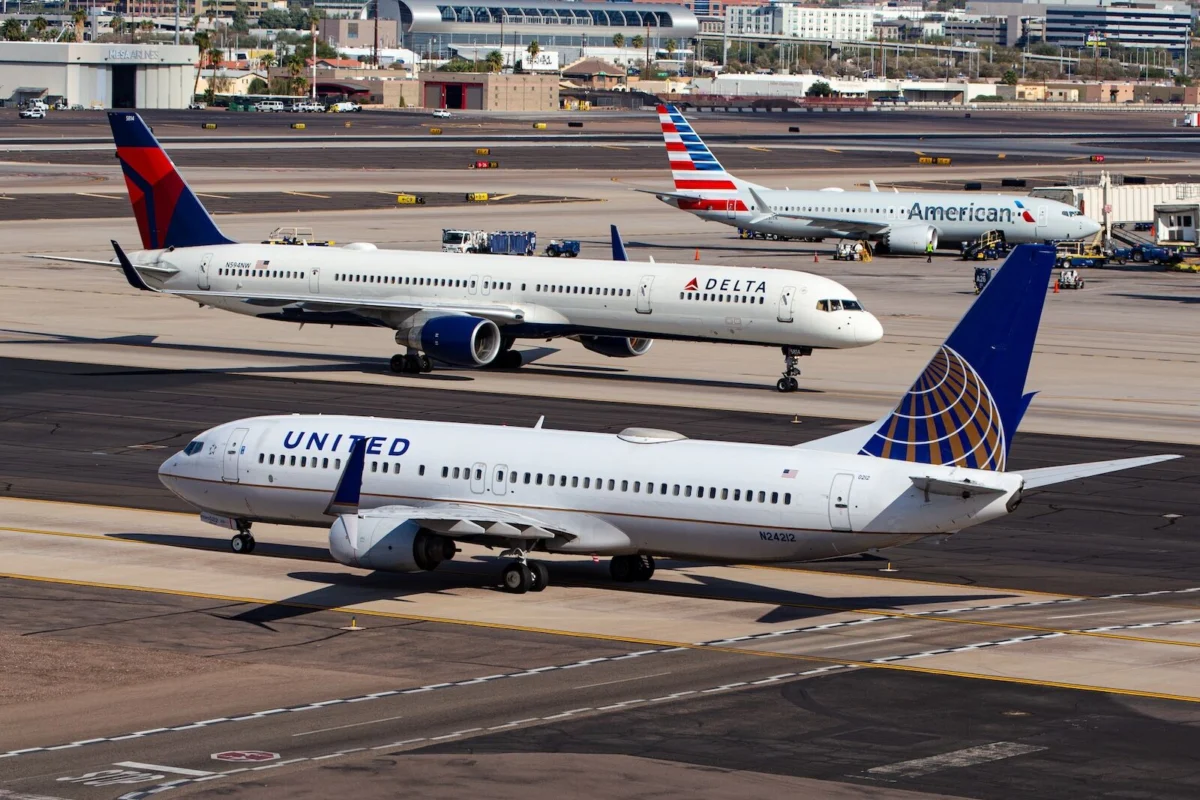
For the average American traveler, the experience of booking a flight is often defined by a familiar, limited set of options. Whether flying from New York to Los Angeles or Chicago to Houston, the logos on the tail fins rarely change: American, Delta, United, or Southwest. While travelers might grumble about the lack of variety or the perceived decline in service, few realize that this uniformity is not merely a result of market forces. It is the product of a rigid, century-old aviation protectionist policy known as "cabotage."
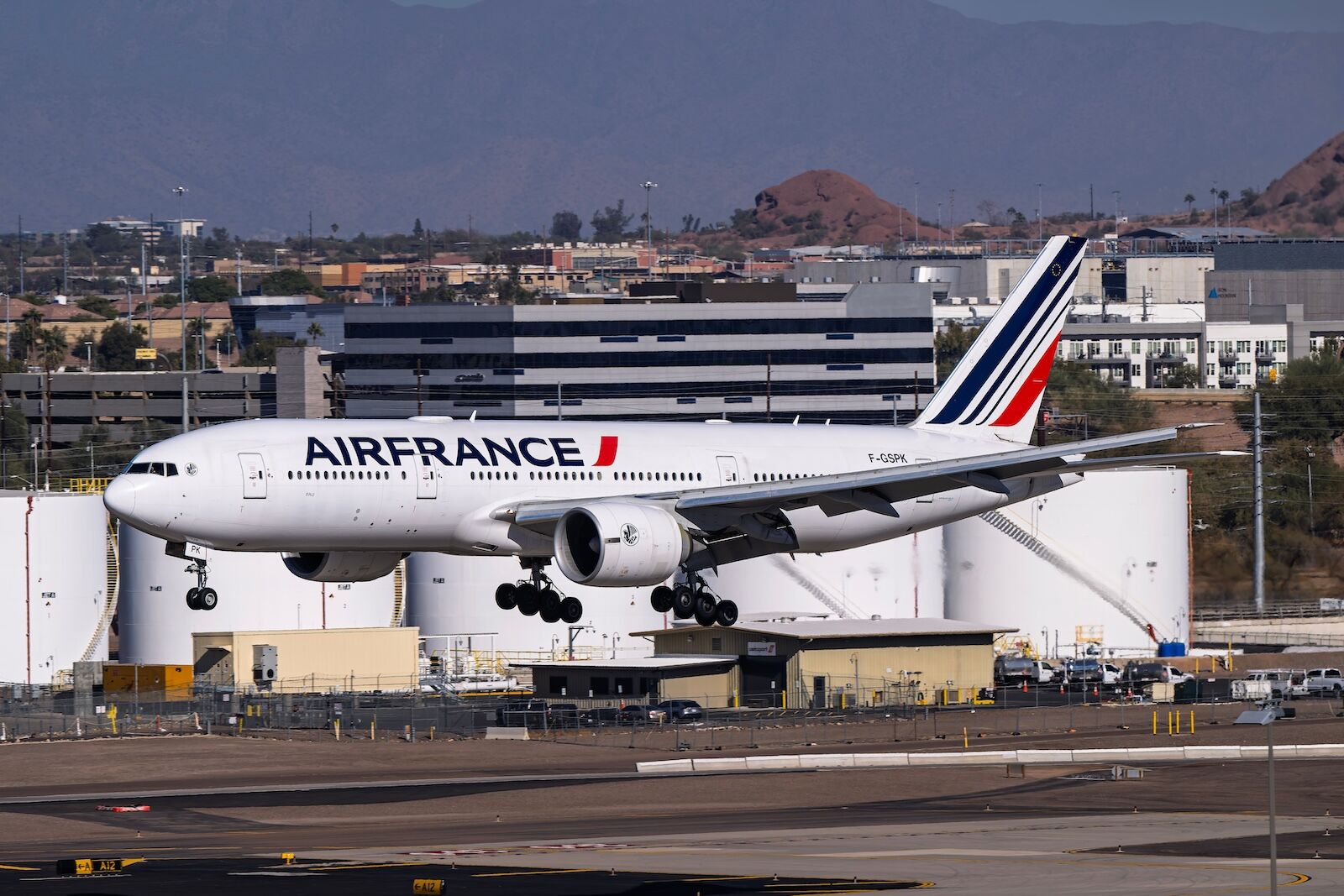
Cabotage, a term rooted in maritime history, acts as a near-impenetrable wall around the U.S. domestic aviation market. It prevents foreign airlines from carrying passengers or cargo between two points within the United States. While an Emirates jet can whisk you from Dubai to New York, and a Lufthansa flight can deliver you from Frankfurt to Los Angeles, neither is permitted to pick up a passenger in New York and drop them off in Los Angeles. This restriction effectively insulates U.S. carriers from international competition on domestic routes, sparking an ongoing debate between those who prioritize national security and labor stability, and those who argue that consumers are paying the price for a shielded, stagnant industry.
The Origins of a Protectionist Legacy
The concept of cabotage—derived from the French word caboter, meaning "to sail along the coast"—dates back to 16th-century protectionist laws designed to secure trade routes for domestic ships. In the modern era, this logic was transferred from the high seas to the skies.
The foundation of American aviation restrictionism was laid with the Air Commerce Act of 1926. Signed into law in May of that year, the act was designed to regulate the burgeoning industry, but it included a blunt, non-negotiable mandate: "No foreign aircraft shall engage in interstate or intrastate air commerce."
This protectionist stance hardened in the post-WWII era. In 1944, global powers gathered in Chicago to establish the "Convention on International Civil Aviation," now known as the Chicago Convention. While the convention sought to standardize international air travel, it explicitly granted sovereign nations the right to prohibit foreign carriers from conducting domestic "point-to-point" flights. The United States eagerly embraced this provision, codifying it into the Federal Aviation Act of 1958.
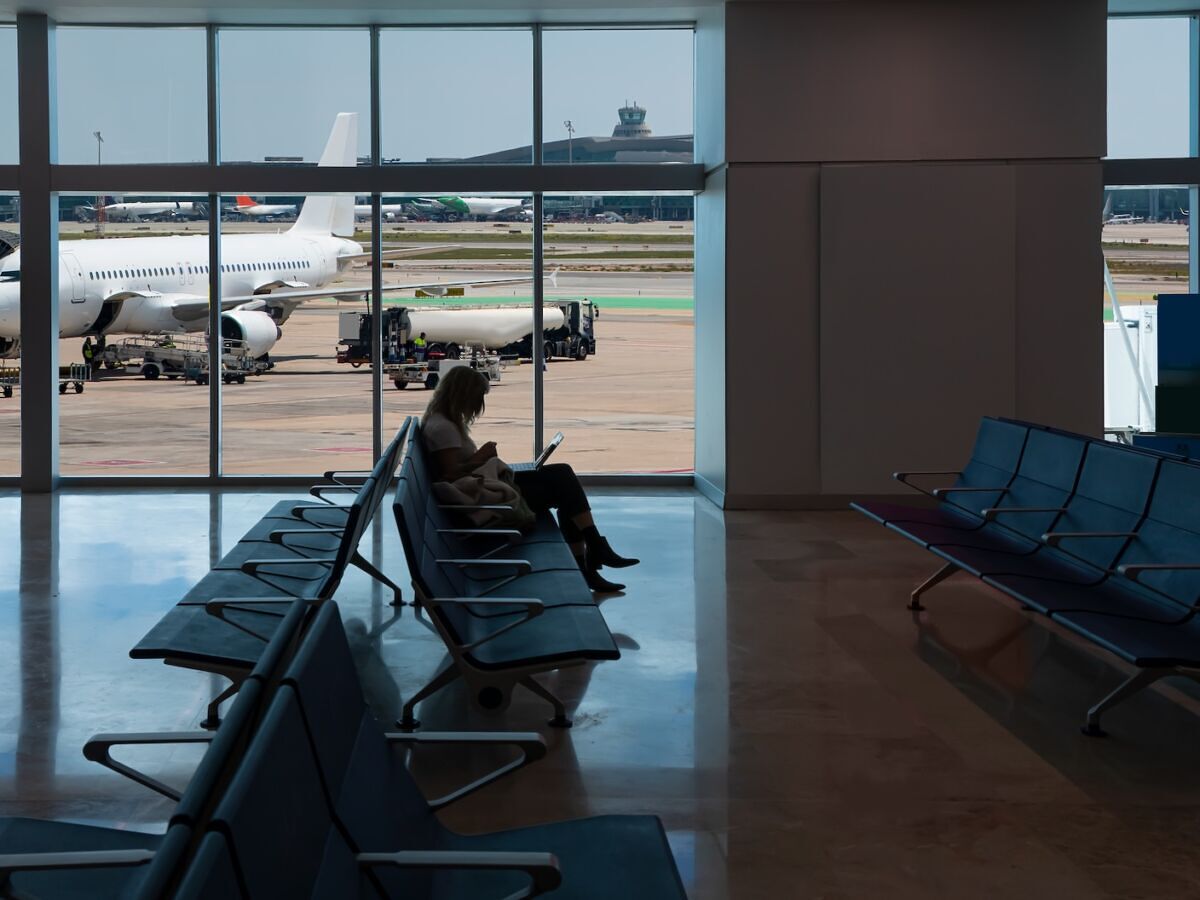
Today, this law remains firmly on the books. While other nations, including Canada, Australia, India, and members of the European Union (which operates as a single internal market), maintain similar restrictions, the U.S. model remains one of the most strictly enforced in the world.
The Case for Protection: National Security and Labor Stability
Supporters of cabotage—including major U.S. airline unions and industry trade groups—argue that aviation is not a typical commodity. It is, they contend, a critical component of national infrastructure and defense.
Central to this argument is the Civil Reserve Air Fleet (CRAF) program. Under this federal mandate, participating U.S. carriers agree to make their aircraft available to the Department of Defense (DOD) during national emergencies or military conflicts. In exchange for this essential readiness, these airlines receive preferential treatment in government contracting. Proponents of the status quo argue that allowing foreign competitors—who may not be beholden to U.S. military interests—to saturate domestic routes could undermine the viability of the very airlines the nation relies upon for strategic mobility.
Furthermore, there is the issue of labor. The U.S. airline industry employed over 555,000 people as of July 2026. Unions argue that opening the skies would force American workers to compete with foreign carriers that operate under vastly different regulatory, labor, and tax structures. They warn that "open skies" within domestic borders would lead to a "race to the bottom," where U.S. airlines are forced to cut wages or safety standards to survive against foreign competitors subsidized by their own governments.
The Case Against Cabotage: A Market Without Competition
Critics of cabotage paint a very different picture. They argue that by shielding U.S. airlines from international competition, the government has inadvertently fostered an oligopoly that prioritizes profit margins over passenger experience.
The concentration of the U.S. market is stark. According to a 2026 report from the Government Accountability Office (GAO), the domestic market is dominated by the "Big Four"—United, Delta, American, and Southwest—which collectively control more than 75 percent of all domestic travel. This consolidation was the result of a wave of mergers between 2008 and 2013, a period that fundamentally reshaped the American flying experience.
The impact of this lack of competition is quantifiable. The GAO report found that consumers consistently face "higher fares and lower service quality" on routes where competition has vanished. When the number of airlines flying a specific route drops from three to two, average delays increase by 25 percent, and cancellation rates climb by roughly seven percent.
The Justice Department has long acknowledged that competition is the primary driver of quality. In a 2024 statement, the department noted that robust competition is the only mechanism that consistently delivers "lower airfare and higher quality" to the public. Yet, by banning foreign carriers, the U.S. has effectively neutralized one of the most effective tools for inducing that competition.
The "Quality Gap": Why U.S. Airlines Lag Globally
The frustration of the American flyer is supported by global data. In the 2025 Skytrax World Airline Awards, which aggregate passenger satisfaction data from over 100 countries, not a single U.S.-based carrier placed in the top 20. The top 10 were dominated by international giants like Qatar Airways, Singapore Airlines, Emirates, and Turkish Airlines.
The disparity in airport connectivity further highlights the issue. International hubs that allow for broader competition—such as Istanbul (116 airlines), Hong Kong (140 airlines), and Dubai (106 airlines)—offer a vastly different level of service and efficiency than U.S. hubs. By comparison, Hartsfield-Jackson Atlanta International, often cited as the busiest airport in the world, is serviced by only 28 passenger carriers.
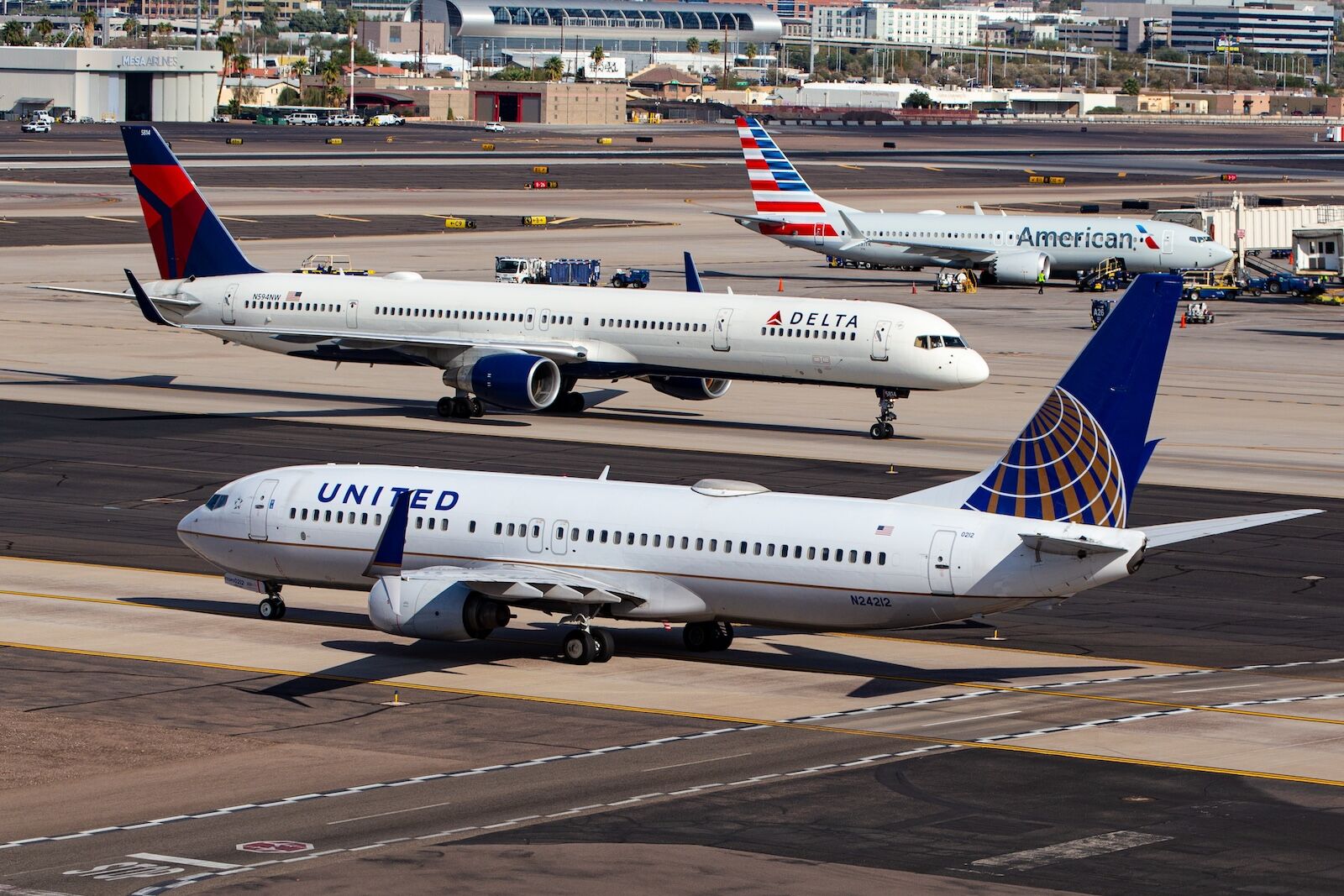
Critics argue that the U.S. market has become complacent. Because the "Big Four" have little to fear from a superior international competitor on a route like Los Angeles to Chicago, they have little incentive to improve in-flight amenities, reduce delays, or lower prices.
Implications: A Potential Shift in Policy?
Would repealing cabotage laws actually solve the problems facing American flyers? Economists are divided. While research by the Federal Trade Commission’s Bureau of Economics suggests that "competition improves on-time performance," there is no guarantee that foreign airlines would immediately lower prices or provide better service if they entered the U.S. market. Many international carriers have their own labor challenges and cost structures that might not translate well to the unique geography of the United States.
However, the debate is no longer strictly theoretical. As dissatisfaction with domestic air travel reaches new heights, policymakers are being forced to consider whether the "protectionist" model of the mid-20th century is compatible with the needs of a modern, globalized economy.
For the traveler, the implications of cabotage are almost entirely invisible. They are felt in the slightly higher ticket price, the recurring flight delay, and the lack of innovation in cabin service. While the aviation industry defends the status quo as a pillar of national security, a growing chorus of critics argues that the invisible walls of cabotage are doing more to harm the American passenger than to help the American economy.
As the debate continues into the late 2020s, the central question remains: Is the cost of shielding the "Big Four" worth the decline in the quality of the American flying experience? Until that question is answered, the U.S. domestic market will likely remain a closed loop, sheltered from the winds of global competition and stuck in a status quo that few travelers seem to appreciate.
 Lina Irawan
  Nana
Nana  rifanmuazin