
 By Dwi Wanna
The pursuit of a "Platinum" trophy in a major RPG is often considered a badge of honor—a testament to a player’s dedication, skill, and willingness to engage with every corner of a developer’s world. However, with the release of Final Fantasy VII Rebirth, Square Enix inadvertently sparked a global conversation about the intersection of "difficulty by design" and player burnout.
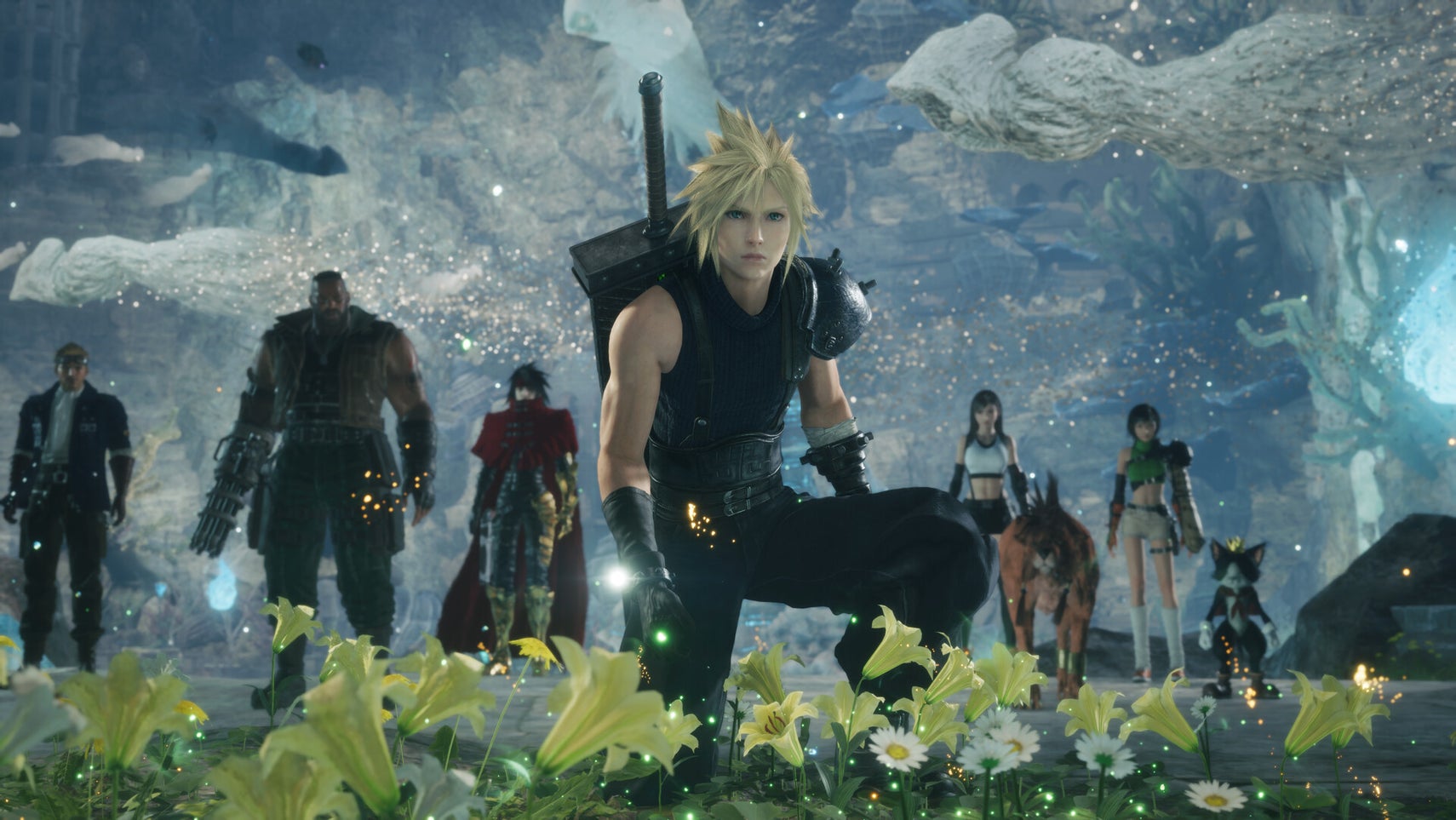
With only 2.6% of the player base successfully unlocking the Rebirth Platinum, director Naoki Hamaguchi and his team have engaged in a period of introspection. As the studio prepares for the final chapter of the trilogy, Final Fantasy VII Revelation, the leadership team has confirmed a significant pivot in their approach to completionism, promising a more accessible path to the ultimate trophy.
The Design Philosophy Behind the "Rebirth" Hurdle
To understand the shift toward a more accessible experience in Revelation, one must first look at the intent behind Rebirth. When Final Fantasy VII Rebirth launched, it was marketed as a massive, sprawling open-world experience that expanded significantly on the foundation laid by Remake.
Director Naoki Hamaguchi explained that the high barrier to entry for the Platinum trophy was not an accidental oversight; it was a deliberate structural choice. "We wanted to make people go through all this content and perfect it," Hamaguchi noted in a recent interview with Anime News Network. The team viewed the Platinum trophy as a natural reward for players who engaged with every minigame, combat challenge, and side quest.
However, the team underestimated the cultural shift in how modern gamers approach trophy hunting. Rather than viewing the Platinum as a niche goal for the top 1% of players, the community viewed the high barrier as a gatekeeping mechanism that penalized those who wanted to experience the story without mastering high-level combat mechanics or completing exhaustive completionist checklists.
A Chronology of the Trophy Debate
The evolution of this discussion can be traced through the release cycle of the trilogy:
- 2020: Final Fantasy VII Remake: The initial entry established a high, yet manageable, bar for completion. It required a "Hard Mode" playthrough, which served as a skill check but did not rely on the sheer volume of side-content found in the sequel.
- 2024: Final Fantasy VII Rebirth: Released to critical acclaim, the game’s scope proved gargantuan. The requirement to master every minigame and tackle the most punishing combat simulators created a bottleneck. Public sentiment began to shift from praise for the "amount of content" to frustration regarding the "grind" required to earn the Platinum.
- 2026: The "Regret" Period: Following the Tokyo Game Show, interviews with Hamaguchi and battle director Teruki Endo revealed that the developers were closely monitoring player completion data and social media discourse. The realization that their "designed difficulty" had alienated a large portion of the dedicated fanbase led to an internal reassessment.
- 2027: Final Fantasy VII Revelation: The upcoming finale is positioned as the corrective step. By recalibrating the requirements, Square Enix aims to invite a wider audience to celebrate their mastery of the game without requiring the level of perfection that Rebirth demanded.
Supporting Data: The 2.6% Reality
The discrepancy between developer intent and player behavior is best illustrated by the statistics. In the world of AAA gaming, a Platinum trophy completion rate of 2.6% is exceptionally low for a game that received such widespread critical and commercial success.
Usually, a "healthy" completion rate for a major title’s Platinum ranges between 5% and 10%, depending on the complexity of the requirements. The fact that Rebirth fell significantly below this threshold suggested that the "friction" in the game’s late-game loop was too high.
Hamaguchi acknowledged that the team had simply misread the room. "We didn’t expect so many people to want the platinum trophy," he confessed. This admission highlights a common issue in modern game development: the disconnect between a studio’s vision of a "perfected" playthrough and the reality of how players balance their limited leisure time.
Official Responses: "I Feel Bad—I Have Regrets"
The most striking aspect of the recent discourse is the emotional honesty coming from the development leads. Battle director Teruki Endo, who oversaw the systems that many players found punishingly difficult, expressed genuine remorse upon seeing the fan reaction.
"I feel bad—I have regrets," Endo stated, reflecting a rare moment of humility from a studio of Square Enix’s stature. This sentiment suggests that the team isn’t just looking to appease fans for the sake of sales; there is a genuine desire to ensure that the final chapter of this iconic trilogy feels like a rewarding conclusion for the player, rather than an exhausting academic exercise.
Hamaguchi has emphasized that for Revelation, the focus is on "enjoyable" combat rather than "challenging" combat. While this doesn’t mean the game will be "easy" in a traditional sense, it indicates a shift away from punishing, high-precision requirements toward systems that reward player creativity and engagement.
Implications for the Future: "Revelation" and Beyond
The goal for Final Fantasy VII Revelation is ambitious: the developers are aiming for a Platinum trophy acquisition rate of 20% or higher. This is a massive jump, essentially seeking to make the goal achievable for one in every five players.
1. Rebalancing Combat and Exploration
By shifting the focus to making battles "enjoyable," the team is signaling a move toward more balanced difficulty curves. This means players won’t be forced to engage in high-stress combat loops just to tick a box for a trophy. The combat will likely remain deep and tactical, but the barrier to entry for the "mastery" required for the trophy will be lower.
2. The Multi-Platform Strategy
The release of Revelation on April 8, 2027, across Nintendo Switch 2, PC, PS5, and Xbox Series consoles marks a significant moment for the franchise. By lowering the difficulty of the Platinum, Square Enix is making the game more "pick-up-and-play" friendly for a diverse range of hardware owners. A more attainable Platinum trophy acts as a marketing tool, encouraging players to spend more time in the game’s world without the fear of hitting an insurmountable wall.
3. Open-World Ambitions
There has been lingering concern regarding whether Revelation can sustain the scope of the trilogy’s conclusion without "crumbling under its own weight." However, by simplifying the trophy requirements, the team is effectively streamlining the player experience. It allows players to focus on the narrative and world-building—the heart of Final Fantasy VII—rather than being forced to spend dozens of hours in minigame menus.
Conclusion: A Lesson in Player Agency
The journey from Rebirth to Revelation serves as a masterclass in the importance of player feedback in the live-service and modern RPG era. Square Enix has demonstrated that even with a game as legendary as Final Fantasy VII, listening to the community is essential.
By acknowledging their "regrets" and committing to a more inclusive trophy structure, Hamaguchi and his team are setting the stage for what could be the most accessible, and perhaps the most beloved, entry in the modern trilogy. As we look toward the April 2027 release, the industry will be watching closely to see if this shift in design philosophy successfully captures the hearts of the players—and whether the 20% target for Platinum trophies becomes the new gold standard for the franchise.
 Nila Kartika Wati
  Evan Lee Salim
  Basiran