
 By Dwi Wanna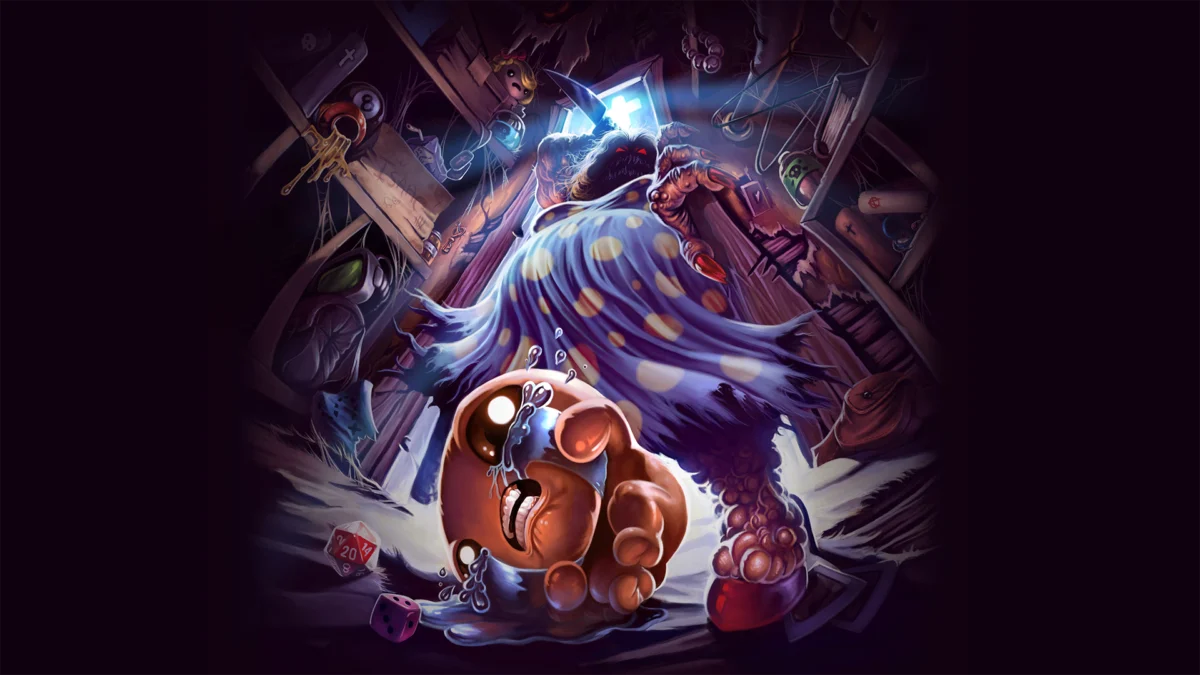
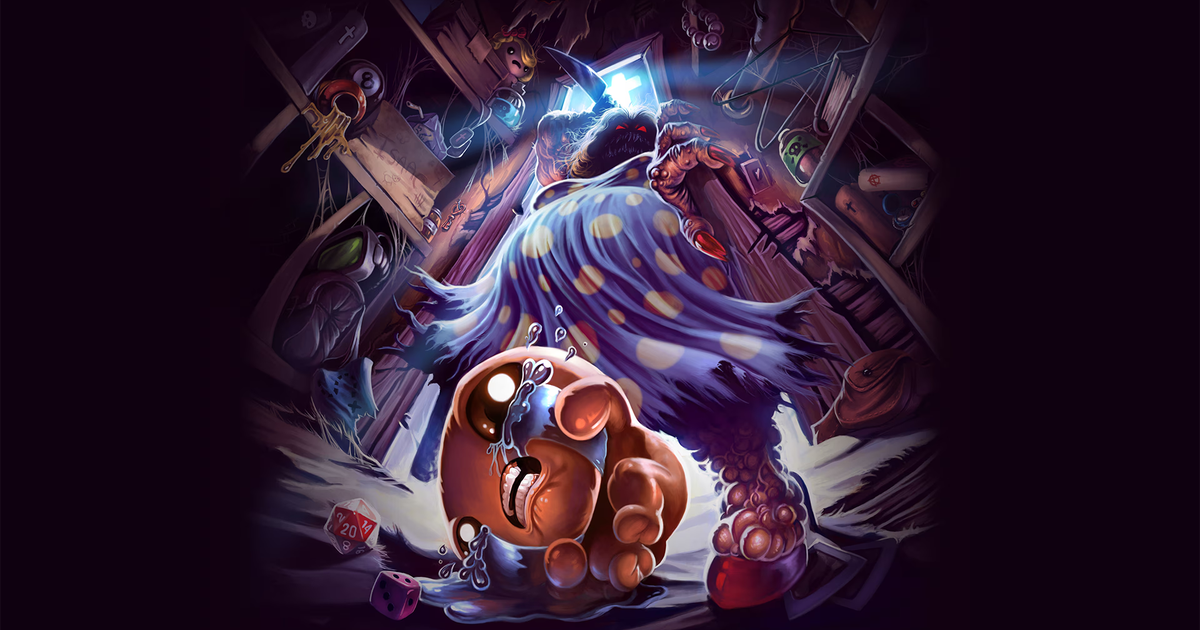
It is a rare phenomenon in the gaming industry when a title, more than a decade removed from its initial release, experiences a "second act" that dwarfs its original cultural footprint. The Binding of Isaac: Rebirth, the definitive reimagining of Edmund McMillen’s 2011 classic, has achieved exactly that. Following a historic discount during the 2026 Steam Summer Sale, the game has surged to the upper echelons of the Steam charts, cementing its status not just as a cult classic, but as a perennial titan of the roguelike genre.
The Unprecedented Surge: A Statistical Phenomenon
The data is nothing short of staggering. Following the implementation of a massive 90 percent discount on Steam, The Binding of Isaac: Rebirth saw its concurrent player count skyrocket to nearly 131,000 players. To put this in perspective, the game’s previous all-time peak—recorded in April 2021 following the launch of the Repentance expansion—was 70,701.
According to metrics provided by SteamDB, the game has experienced a 394.9 percent increase in active players over the last 30 days. As of this writing, The Binding of Isaac sits comfortably at the 10th position on Steam’s "Most Played" chart. In a move that surprised industry analysts, it has outperformed highly anticipated 2025 and 2026 releases, including Path of Exile 2 and Slay the Spire 2. It has also eclipsed the concurrent player peaks of long-standing multiplayer juggernauts like Dead by Daylight.
For many, the "Complete Bundle"—offered at an unprecedented price point of roughly £3.70—has served as the ultimate "no-brainer" purchase. By lowering the barrier to entry to the cost of a coffee, developer Nicalis and creator Edmund McMillen have effectively revitalized a community that already possessed some of the highest retention rates in the industry.
A Chronology of Chaos: From 2011 to the Present
To understand the longevity of The Binding of Isaac, one must look at the game’s erratic, almost organic growth.
- 2011: The original Binding of Isaac is released on Flash. Despite technical limitations, it becomes a breakout hit due to its dark, biblical themes and procedurally generated depth.
- 2014: The Binding of Isaac: Rebirth launches, moving the game to a modern engine and effectively acting as a complete remake. This establishes the framework for the endless content updates to follow.
- 2015-2017: The Afterbirth and Afterbirth+ expansions are released, drastically expanding the item pool, adding new characters, and introducing modding support that would keep the community engaged for years.
- 2021: The Repentance expansion arrives. Described by McMillen as "basically a sequel," it integrates years of fan-made content from the popular Antibirth mod, massive rebalancing, and a narrative conclusion.
- 2024: The surprise launch of Repentance+, a free update that finally implemented long-requested features like official online co-op.
- 2026: The current "Summer Sale" surge, bringing the game to a massive new audience and solidifying its place in the modern gaming zeitgeist.
The "Repentance+" Factor: Why the Game Won’t Die
The longevity of The Binding of Isaac is not merely a result of pricing; it is a result of a design philosophy that refuses to stagnate. The introduction of Repentance+ served as a turning point for the game’s social utility. For years, the community had begged for a robust, official online co-op mode. By delivering this for free, the developers turned a solitary, punishing dungeon-crawler into a shared social experience.
The game’s core loop—descending into a basement of horrors, managing health through complex item synergies, and navigating hidden paths—remains the gold standard for the roguelike genre. Every run offers a distinct narrative. One session might see the player become an unstoppable engine of destruction, while the next ends in a heartbreakingly narrow defeat. This "just one more run" mentality is the bedrock upon which the game’s success is built.
Official Responses and Industry Implications
While Edmund McMillen has moved on to other projects—most notably the successful Mewgenics, which sold over 150,000 copies in its first six hours of release—the shadow of Isaac remains long. McMillen has frequently expressed a complex relationship with the series, viewing it as a deeply personal project that evolved far beyond his initial expectations.
Industry experts note that the 2026 surge of The Binding of Isaac proves that there is a massive, underserved market for high-quality, high-content-density indie titles. As triple-A studios grapple with ballooning development costs and bloated budgets, the success of Isaac serves as a reminder that a well-maintained, feature-rich indie game can compete with the industry’s biggest players.
Furthermore, the announcement of a physical release for the Nintendo Switch 2 in Q3 2026 suggests that the appetite for The Binding of Isaac is not limited to the digital storefronts of PC gaming. Collectors and console players remain a vital segment of the game’s enduring legacy.

The Future: What’s Next for the Basement?
As The Binding of Isaac: Rebirth settles into its new, heightened state of popularity, questions regarding the future naturally arise. Is there room for further expansion, or is the book finally closed?
McMillen has previously stated that Repentance was intended to be the final chapter. However, given the game’s capacity for reinvention and the recent release of Repentance+, fans have learned to take such declarations with a grain of salt. For now, the focus is on the current player base. The influx of new players has invigorated the modding community, leading to a renaissance of user-generated content on the Steam Workshop, which in turn ensures that the game remains fresh for veterans who have already clocked thousands of hours.
Conclusion
The Binding of Isaac: Rebirth is a testament to the power of iteration. By consistently providing value, listening to the community, and maintaining a high standard of mechanical depth, the team behind the game has achieved what few others have: they have made a decade-old game feel like the most essential purchase of the year.
Whether it is the dark, unsettling art style, the addictive musical score, or the sheer mathematical complexity of its item synergies, Isaac remains a masterclass in game design. As the player count continues to hold steady, one thing is clear: the basement is not empty, and as long as there are players willing to face the horrors within, The Binding of Isaac will continue to thrive, defying the typical lifecycle of a video game and proving that, in the right hands, a game can truly be eternal.
 Laily UPN
  Nila Kartika Wati
  Asro
Asro 