
 By Nana Muazin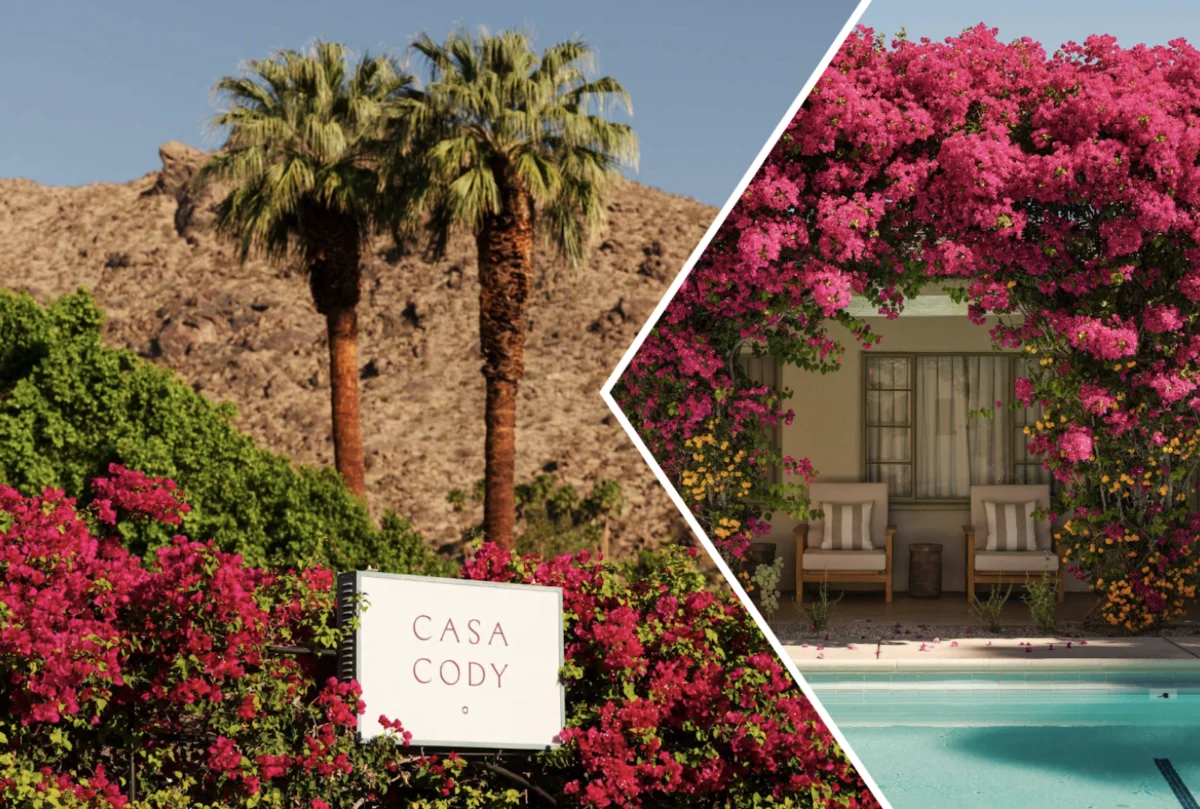
In the heart of the Coachella Valley, where the San Jacinto Mountains cast long, violet shadows over the desert floor, lies a property that functions less like a hotel and more like a living time capsule. Casa Cody, the oldest operating hotel in Palm Springs, is a masterclass in preservation. Designated as a Class 1 Historic Site—the city’s highest preservation accolade—it remains a quiet, sun-drenched monument to the era when the desert transformed from a rugged frontier into a playground for the creative elite.
The Genesis of an Oasis: Main Facts
Casa Cody is not merely a collection of rooms; it is a repository of California history. Spanning over an acre of lush gardens, citrus groves, and terracotta-tiled courtyards, the property serves as an architectural bridge between the early 20th-century pioneer spirit and the modern boutique hospitality movement.
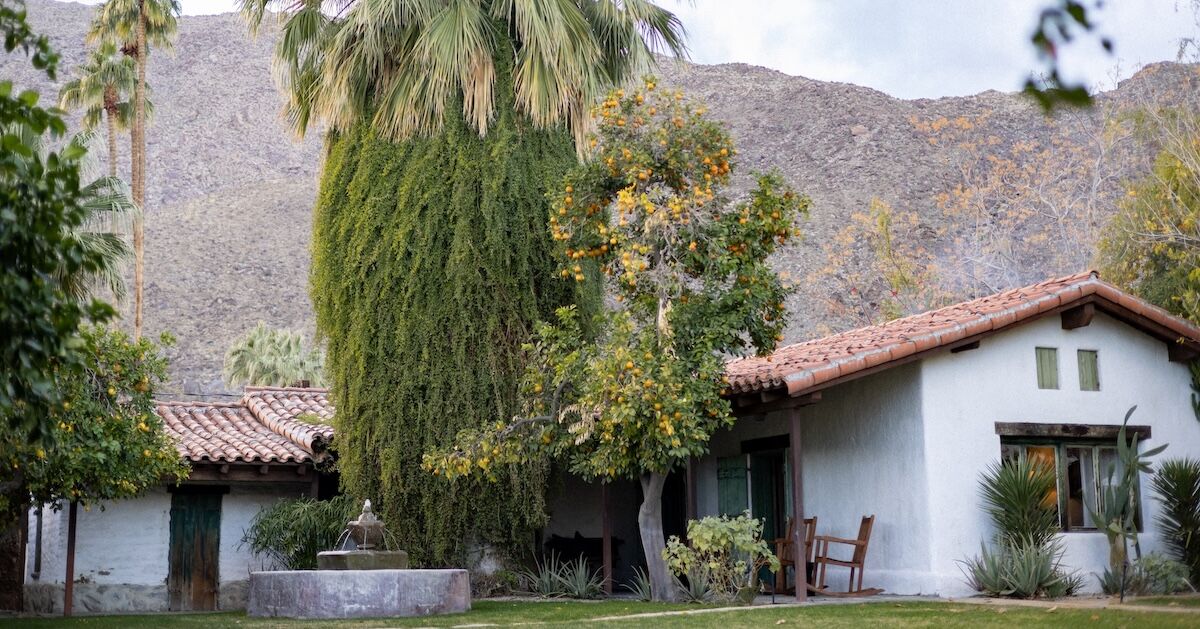
The hotel, now managed by the acclaimed Casetta Hotels group, retains the authentic “pueblo-chic” aesthetic that defined the region’s early development. It currently offers 26 distinct units, ranging from intimate studios to expansive multi-bedroom suites, all maintaining a muted, luxurious Western palette. The property’s defining characteristic is its ability to offer absolute tranquility despite its location just steps away from the vibrant, bustling thoroughfares of downtown Palm Springs.
A Century of Influence: The Chronology
The story of Casa Cody begins in 1916, when Harriet and Harold Cody migrated from San Francisco to the Coachella Valley. Their relocation was prompted by necessity; Harold sought the restorative, dry climate of the desert to manage his battle with tuberculosis.
The Pioneer Years (1916–1924)
Upon arriving, Harriet Cody quickly integrated herself into the burgeoning social fabric of the valley. Drawing on her connections to the Hollywood equestrian community—including legendary film cowboys like Tom Mix and Jack Holt—she established the desert’s first riding stable. This venture not only sustained the couple but positioned the property as a nascent hub for the artists, writers, and film stars who were beginning to discover the mystical allure of the California desert.
Transition to Hospitality
Following Harold’s passing in 1924, Harriet converted their residence into a guest house, formalizing its identity as Casa Cody. Under her stewardship, the property became an unofficial clubhouse for the cultural juggernauts of the early 20th century.
Historical Milestones
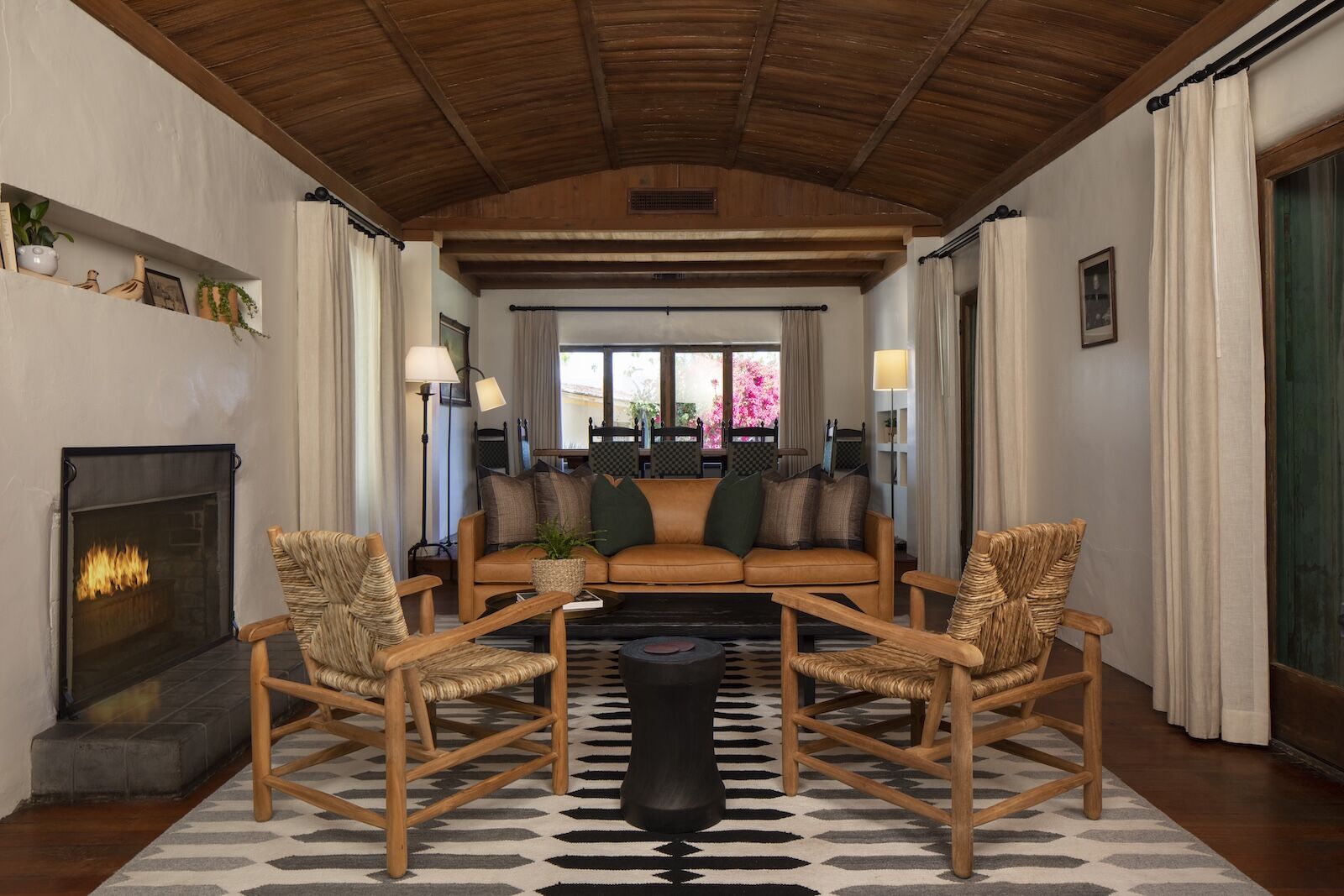
- The Opera and the Icon: The property’s Adobe House, still available for guest bookings, boasts a storied past. It once served as a performance space for opera star Lawrence Tibbett, who installed a private stage in the living room. Local lore insists that Charlie Chaplin, a frequent visitor to the area, used the space for impromptu performances.
- Olympic Stature: In 1932, as Los Angeles hosted the Summer Olympic Games, the property’s "Olympic Cottage" served as a lodging site for visiting athletes, cementing its place in international sporting history.
- The Rediscovery of the Whitewater Ditch: In 2010, during a site expansion, contractors unearthed a section of the historic Whitewater Ditch. Originally established by the Agua Caliente Band of the Cahuilla tribe and completed in 1877 by John Guthrie McCallum, this water system was once the lifeblood of early settler agriculture. Its discovery provided a tangible link to the region’s indigenous and pioneer roots.
Architectural Significance and Supporting Data
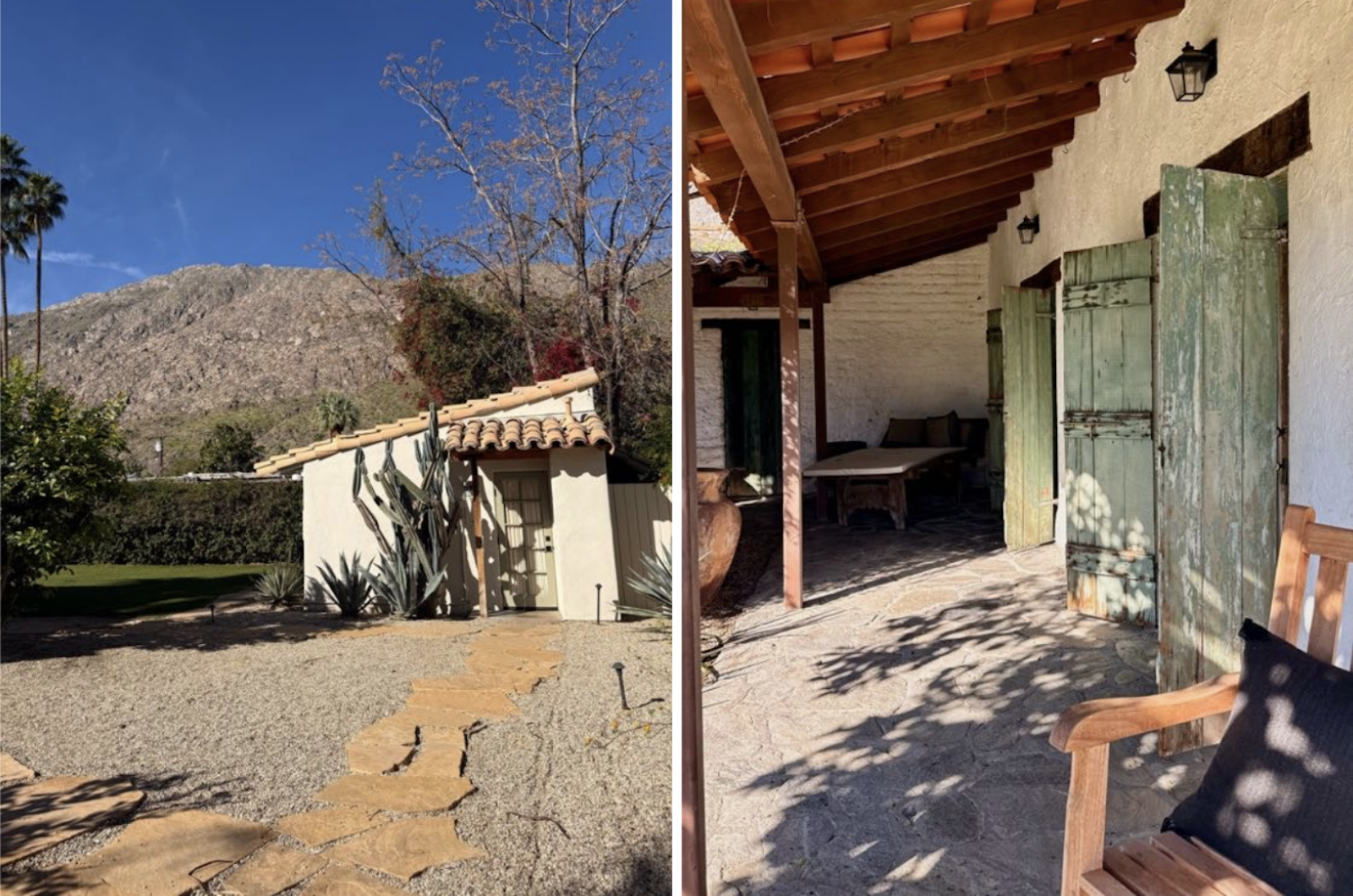
The architectural integrity of Casa Cody is a major draw for visitors. The property is characterized by its heavy use of Spanish clay tiles, thick adobe walls, and desert-native landscaping.
The Winter’s House
Perhaps the most notable structure on the grounds is the Winter’s House, designed by the same architect responsible for the iconic Pasadena Rose Bowl. The structure is a architectural chameleon: it has served as a military housing unit for WWII trainees, a private residence, and, eventually, a luxury vacation rental. It exemplifies the transition of the property from a functional, utilitarian space to one defined by "muted luxury."
Modern Preservation Metrics
- Class 1 Historic Status: This designation ensures that the exterior character of the buildings remains protected under municipal law, preventing modern encroachment on the site’s historic visual identity.
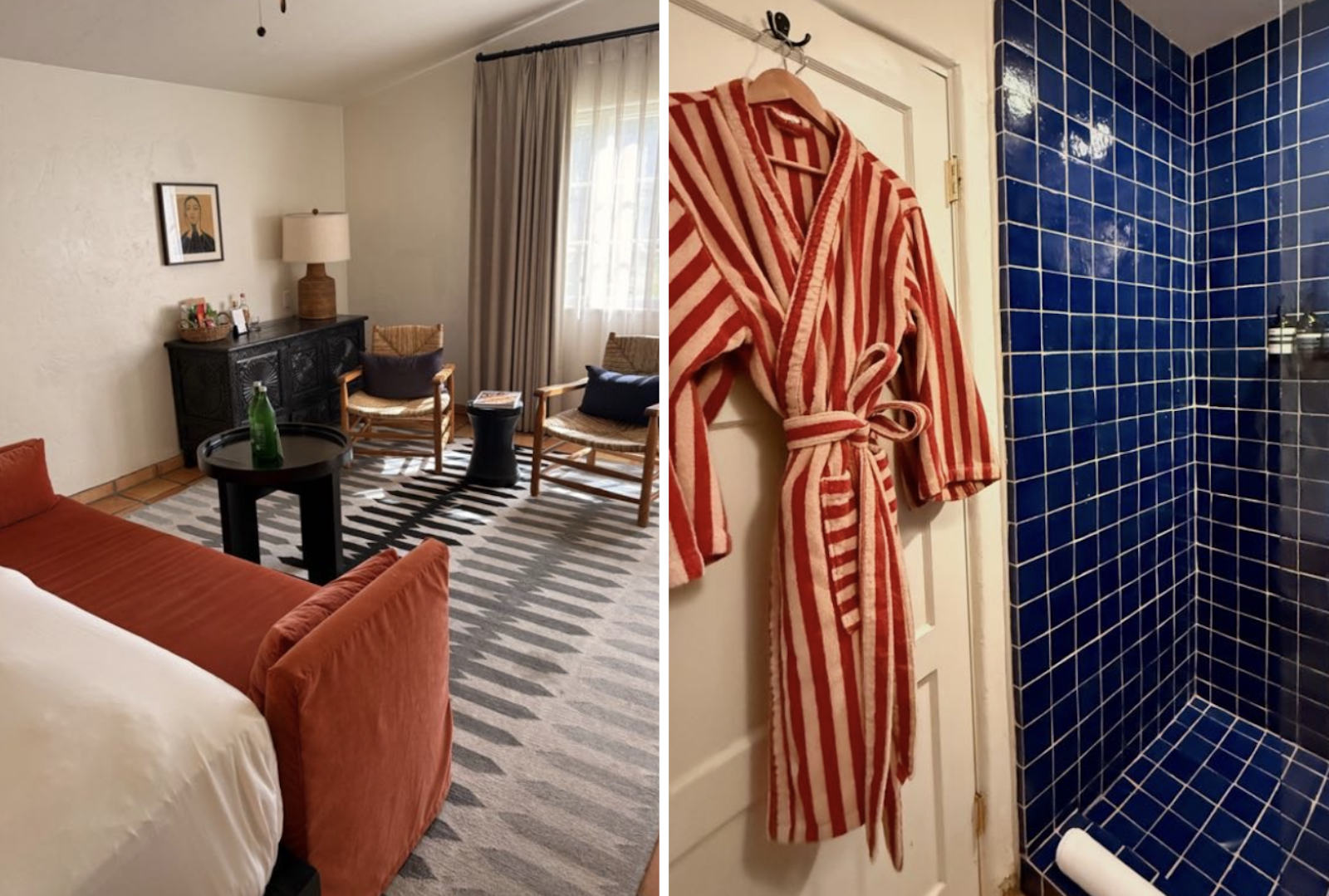
- Unit Diversity: Guests can choose from 300-square-foot standard studios to 400-square-foot large studios, all designed with a consistent neutral-tone aesthetic, blue tiles, and terracotta accents that mirror the surrounding mountain colors.
- Sustainability: The property encourages a closed-loop experience. Guests are invited to harvest citrus from the on-site trees—lemon, lime, orange, and grapefruit—and are provided with professional juicing kits to minimize waste and promote the health of the groves.
Official Perspectives: Cultural Preservation
Sana Keefer, the head of brand for Casetta Hotels, views the property as a critical cultural anchor. "It was a turning point culturally when Harriet Cody and her husband arrived," Keefer notes. "They helped start this enclave of artists, musicians, writers, and Hollywood elites."
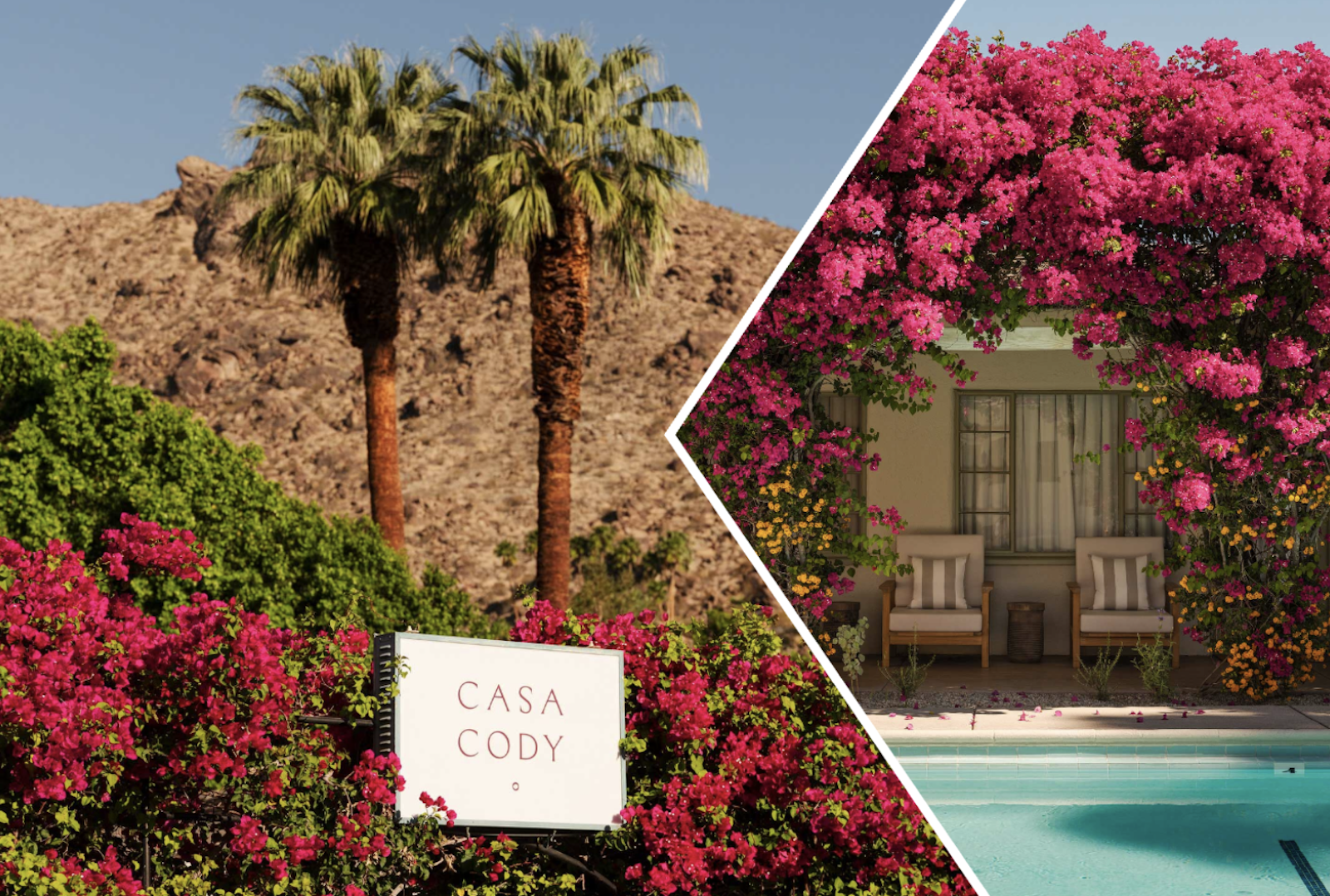
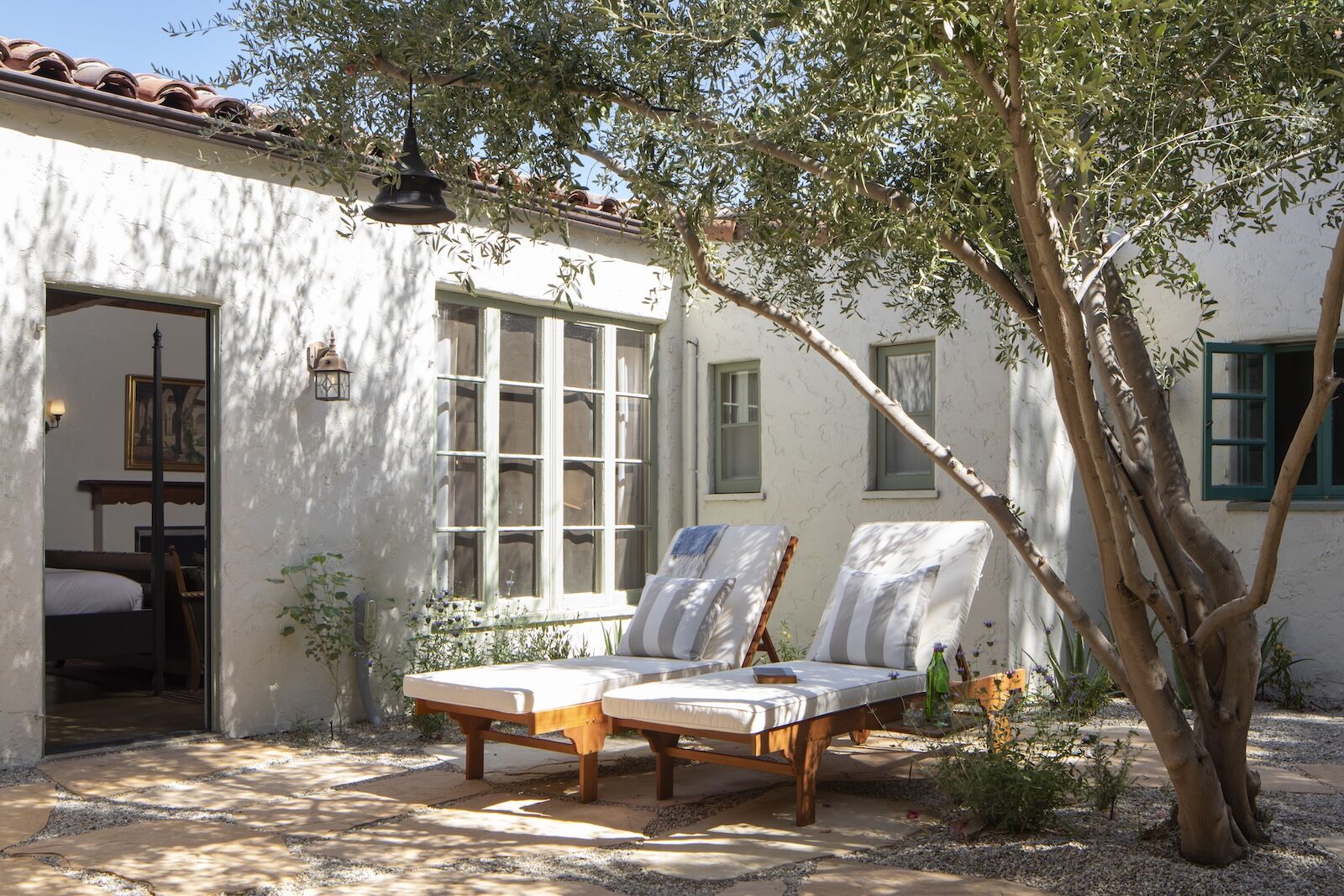
For Casetta, the goal is not to modernize Casa Cody into irrelevance, but to curate an experience that allows the history to speak for itself. The hotel management prioritizes the "backyard oasis" feel, using natural barriers like bougainvillea and mature fruit trees to maintain a sense of seclusion that keeps the outside world—and the modern reality of downtown Palm Springs—at arm’s length.
The Modern Experience and Implications
Today, Casa Cody occupies a unique space in the Palm Springs market. While the city has become synonymous with "mid-century modern" design, Casa Cody offers a counter-narrative of "Western Americana."
The "Village Fest" Phenomenon
The property’s location is a paradox. On Thursday nights, the adjacent streets come alive with Village Fest—a massive local street fair featuring food trucks, musicians, and crowds. Yet, inside the walls of Casa Cody, the atmosphere remains hushed. This provides guests with a dual experience: the ability to engage with the modern, pulsing heart of the city, and the ability to retreat instantly into a quiet, historic sanctuary.
Implications for Tourism and Development
The success of Casa Cody serves as a blueprint for historic preservation in high-traffic tourist destinations. By maintaining the property’s historical narrative—from the 1932 Olympic ties to the 19th-century irrigation history—the owners have created a product that transcends seasonal trends.
The property also highlights the ongoing tension between development and heritage. In a city where real estate is increasingly valuable, the preservation of an entire acre of low-density, historical structures is an anomaly. The fact that the property is frequently bought out by major brands for influencer and artist retreats suggests that the modern market places a premium on "authenticity" and "storytelling." Casa Cody has successfully commodified history without stripping it of its dignity, proving that heritage can be a sustainable business model in the 21st century.
Conclusion: A Wrinkle in Time
Staying at Casa Cody is an exercise in slowing down. Whether you are lounging by the market pool, reading a book under the shade of an orange tree, or listening to the ambient noise of a distant fountain, the property demands a shift in pace.
As the sun sets over the San Jacinto Mountains and the terracotta walls begin to glow with a deep, earthy warmth, the distinction between the 1920s and the 2020s feels increasingly thin. Casa Cody does not just provide a place to sleep; it provides a portal to a version of California that is rapidly disappearing elsewhere. For the traveler seeking a connection to the past, it remains the quintessential Palm Springs destination—a place where the ghosts of opera singers, Olympic athletes, and Hollywood pioneers still seem to linger in the desert breeze.
 Asep Darmawan
  Layla Zulfa
  Lina Irawan