
 By Neng Nana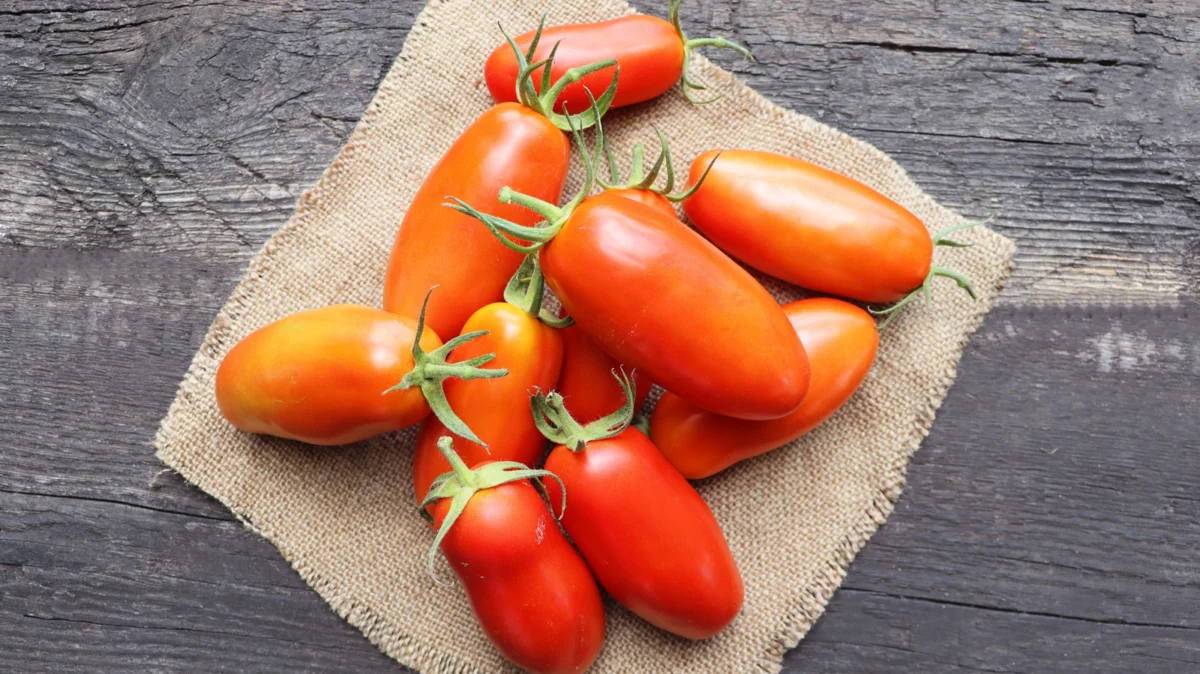
For home cooks and culinary enthusiasts, the tomato is the ultimate litmus test for quality. Whether sliced thin for a crisp Caprese salad, diced into a vibrant salsa, or slow-cooked into a rich, aromatic ragu, the humble tomato—botanically a fruit but culinarily a vegetable—defines the character of a dish. However, navigating the produce aisle can be a minefield. While a perfectly ripe tomato is a symphony of sweetness, acidity, and umami, a poor selection can result in a mealy, flavorless, or metallic experience that ruins an entire recipe.
With the rising cost of produce in 2026, the stakes for making the right choice at the checkout counter have never been higher. To demystify the process, we consulted two agricultural experts: Adam Weiss, founder and master gardener at Pike Lane Gardens, and Lindsey Chastain, founder and managing editor of the homesteading resource Waddle and Cluck. Together, they provide a roadmap for separating the truly juicy from the merely decorative.
The Anatomy of Quality: Visual Cues and Sensory Testing
The journey to the perfect tomato begins before you even touch the produce. Understanding what to look for is the first step in avoiding the disappointment of "cardboard" tomatoes.
Deciphering Visual Cues
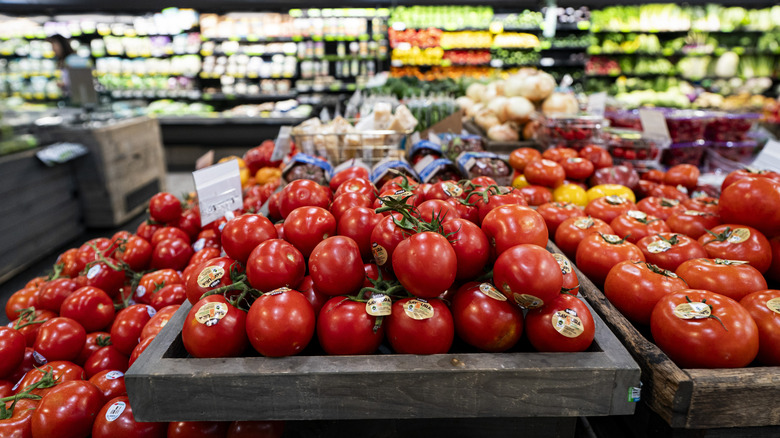
It is a common misconception that the most vibrant, uniform red tomato is the best. In reality, commercial agriculture often prioritizes aesthetic perfection for shelf stability and consumer appeal. Lindsey Chastain warns that "the prettiest tomato usually isn’t the best-tasting." If a tomato appears unnaturally uniform in color, it may be a sign of gas-induced ripening, which often bypasses the development of complex sugars.
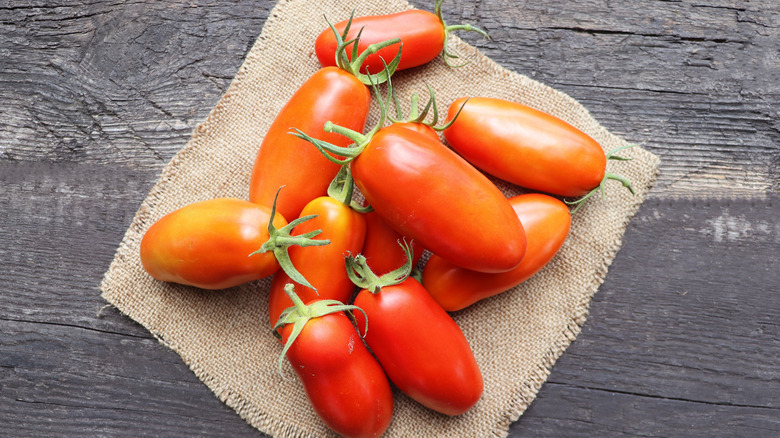
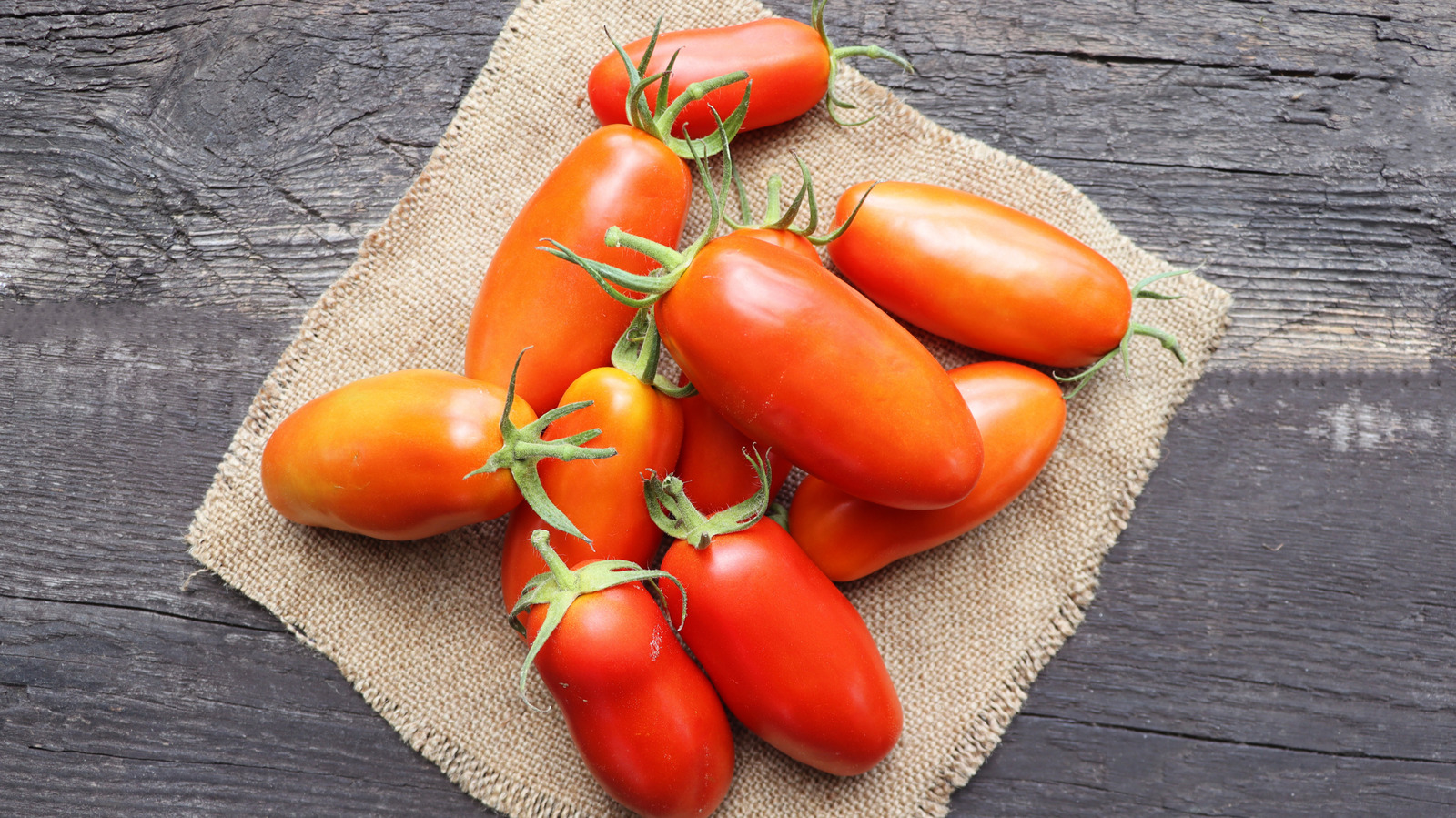
Instead, look for color variation. A hint of pink, orange, or even a soft green can indicate a tomato that has ripened naturally on the vine. However, there is a clear red line: avoid wrinkled skin. Wrinkles are a definitive signal that the tomato has passed its prime and is beginning to dehydrate or decay.
The "Goldilocks" Test: Firmness and Weight
To truly gauge quality, you must be tactile. A high-quality, juicy tomato should feel substantial for its size. When you pick it up, it should have a noticeable heft. Furthermore, the texture should mimic that of a ripe peach: it should offer a gentle "give" when pressed lightly, yet possess enough structural integrity to bounce back.
If a tomato is rock-hard, it was likely picked prematurely and will never develop the necessary enzymatic sweetness. Conversely, if it feels soft or mushy, it is past its peak. "Heavier tomatoes are generally juicier," Chastain notes, "but you have to be comparing tomatoes of about the same size for that comparison to work."
The Stem and the Scent
The stem acts as a window into the tomato’s freshness. A green, slightly sticky stem is a hallmark of a recently harvested fruit. If the stem is brown, dry, and brittle, the tomato has likely been sitting in transit or storage for an extended period. If you purchase a stemless tomato, inspect the scar. It should be clean and dry; any signs of mold, persistent wetness, or dark, sunken lesions should be an immediate disqualification.
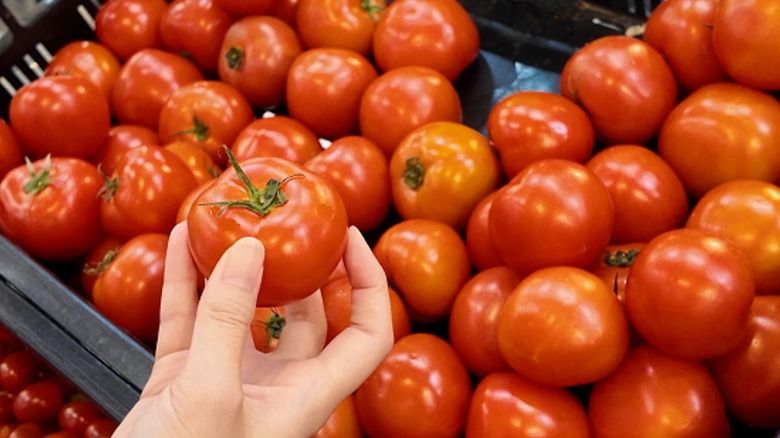
Your nose is perhaps your most reliable instrument. A ripe, high-quality tomato should emit a distinct, herbaceous, and peppery fragrance from the stem scar. If a tomato has no scent, it will almost certainly lack flavor. If it smells musty, leave it behind.
Strategic Sourcing: Where and When to Buy
Quality is not just about the fruit itself; it is about the supply chain that brought it to your basket.
The Case for Seasonality
"I don’t think I’ve ever had a great tomato in the winter months," admits Adam Weiss. Despite advancements in greenhouse technology, tomatoes are intrinsically warm-weather plants that thrive under specific solar cycles. While they are available year-round, the quality fluctuates wildly. During the off-season, your best strategy is to look for preserved options—such as slow-roasted or canned tomatoes—rather than forcing a fresh tomato to perform in a salad when it lacks the necessary flavor profile.
Boutique Grocers and Farmers’ Markets
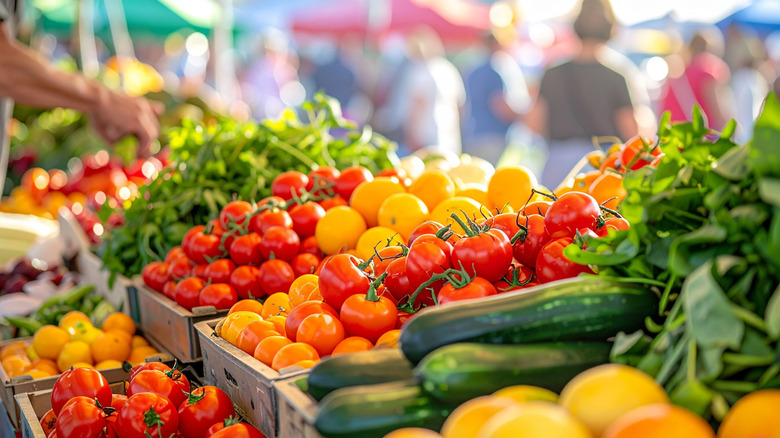
If you have access to a farmers’ market or a local boutique grocer, the difference in quality is often stark. These venues typically maintain shorter supply chains, meaning the time from harvest to table is significantly reduced. Furthermore, smaller suppliers are more likely to stock heirloom varieties. These heritage plants, often grown from seeds passed down for generations, are cultivated specifically for flavor, nuance, and texture, rather than the ability to survive long-haul trucking.
The Organic Advantage
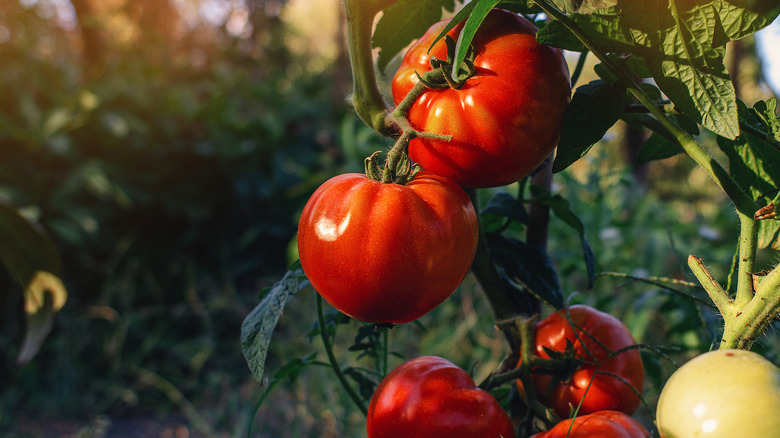
Adam Weiss advocates for organic produce whenever possible. Organic farming practices tend to produce tomatoes with thinner skins and more intense, complex flavor profiles. In mainstream grocery stores, organic options may be limited, but they are consistently superior to their conventionally grown, mass-market counterparts, which are often bred for hardiness and long shelf-life at the expense of juiciness.
Implications: Proper Handling and Home Ripening
Once you have secured the perfect specimens, your responsibility as a handler begins. Proper storage is the final hurdle in ensuring your tomatoes remain culinary-ready.
The Cold Storage Trap
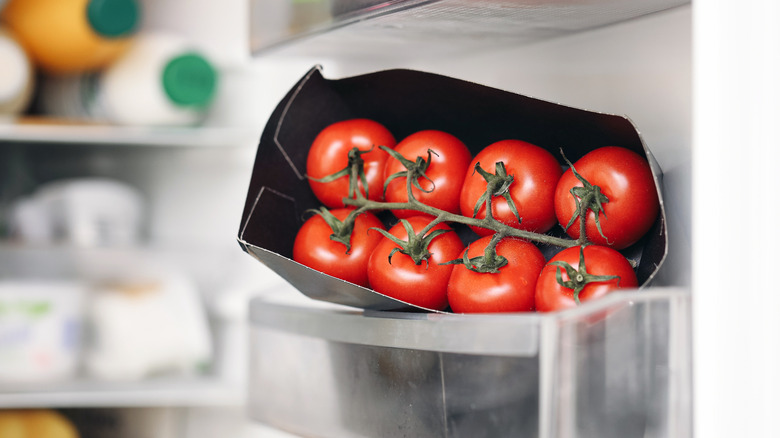
The most critical rule in tomato preservation is simple: Do not refrigerate. Cold temperatures disrupt the enzymatic processes that create the tomato’s signature flavor and can destroy its cell structure, leading to a mealy, gritty texture. "Cold damages the tomato and it will lose flavor," Chastain emphasizes. "You can’t fix it by resting it on the counter later."
Ripening at Home
If you find yourself with tomatoes that are almost, but not quite, ready, you can finish the ripening process at home. Place them stem-down in an area with a consistent room temperature between 65 and 75 degrees Fahrenheit. Avoid sunny windowsills, which can cause them to ripen unevenly or spoil.
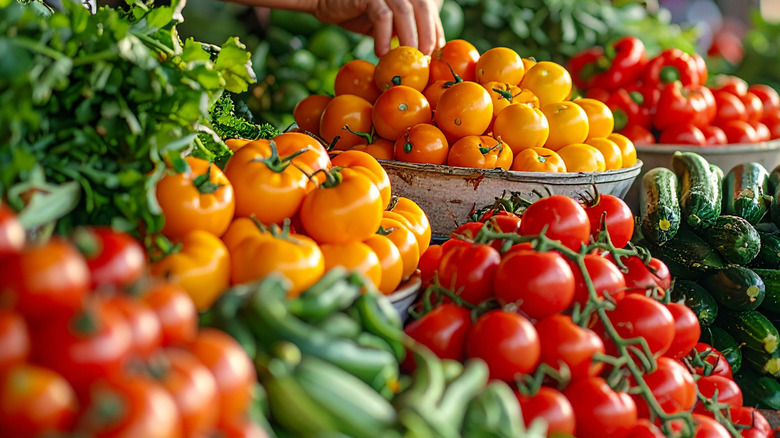
Crucially, do not store tomatoes in a crowded bowl with other produce. Tomatoes release ethylene gas as they ripen, which will accelerate the decay of neighboring fruits and vegetables. Keep them isolated and check them daily; they should reach peak maturity within 24 to 48 hours.
Embracing Irregularity: A Shift in Perspective
Finally, consumers must unlearn the "supermarket standard." Commercial agriculture has conditioned us to believe that a tomato should be perfectly round, blemish-free, and deep red. However, the most delicious tomatoes are often "ugly."
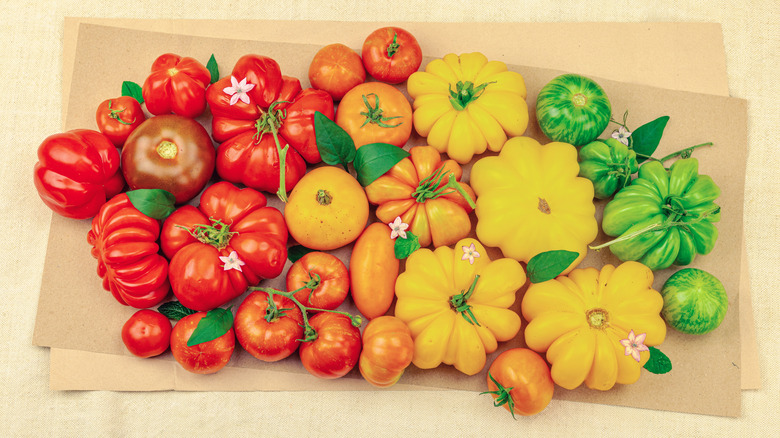
Heirloom varieties, such as the vibrant orange Sungold or the deep, complex Brandywine Pink, often feature folds, irregular shapes, and slight skin imperfections. These characteristics are not flaws; they are often indicators of high sugar content and unique mineral absorption. By focusing on scent, weight, and proper sourcing rather than cosmetic uniformity, the home cook can elevate their culinary repertoire.
In an era of rising costs, the ability to discern quality is not just a luxury—it is a vital skill for anyone committed to the integrity of their ingredients. By following these professional guidelines, you can ensure that the next tomato you purchase is not just a piece of produce, but the highlight of your meal.
 Raul Delapena Setiawan
  Basiran
  Nana
Nana 