
 By Basiran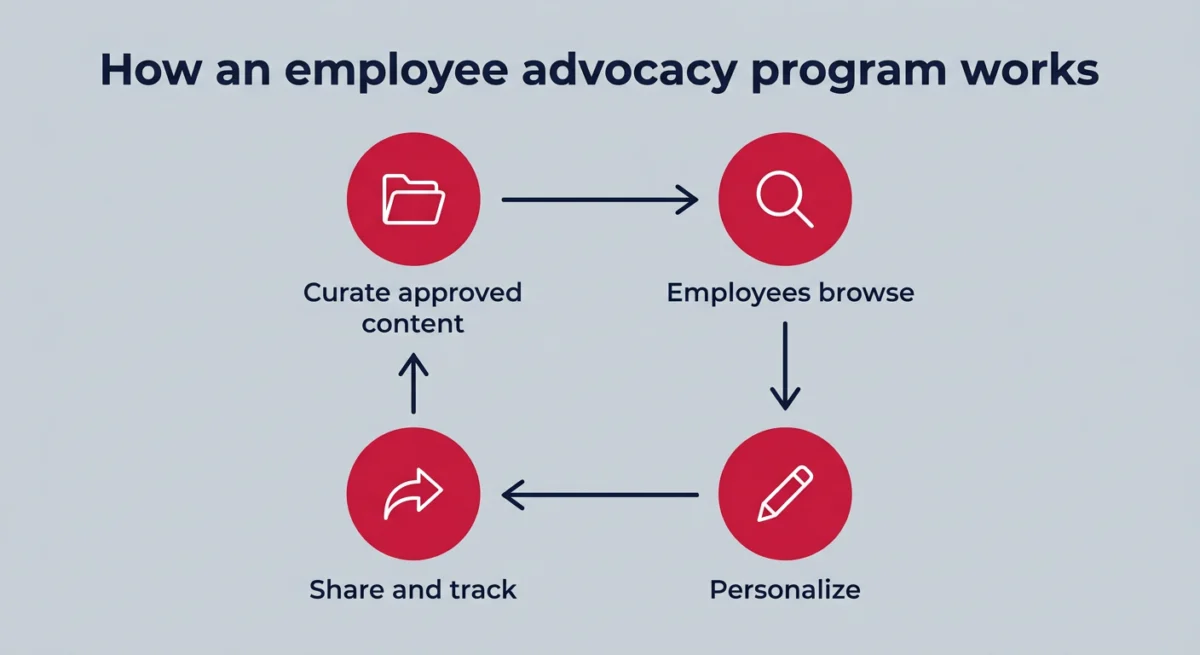
In an era defined by consumer skepticism and algorithmic shifts, modern brands are discovering that their most potent marketing asset isn’t a polished corporate advertisement or an expensive external influencer. Instead, it sits right at their own desks. Employee advocacy—the practice of staff members promoting their company, culture, and products across personal social media channels—has rapidly evolved from an experimental HR tactic into a cornerstone of enterprise marketing and trust-building strategies.

As digital landscapes become increasingly saturated with corporate noise, organizations are looking inward. By leveraging the personal networks of their workforce, companies are bypassing the limitations of traditional brand pages and unlocking unprecedented levels of reach, authenticity, and consumer trust.

Main Facts: What Is Employee Advocacy?
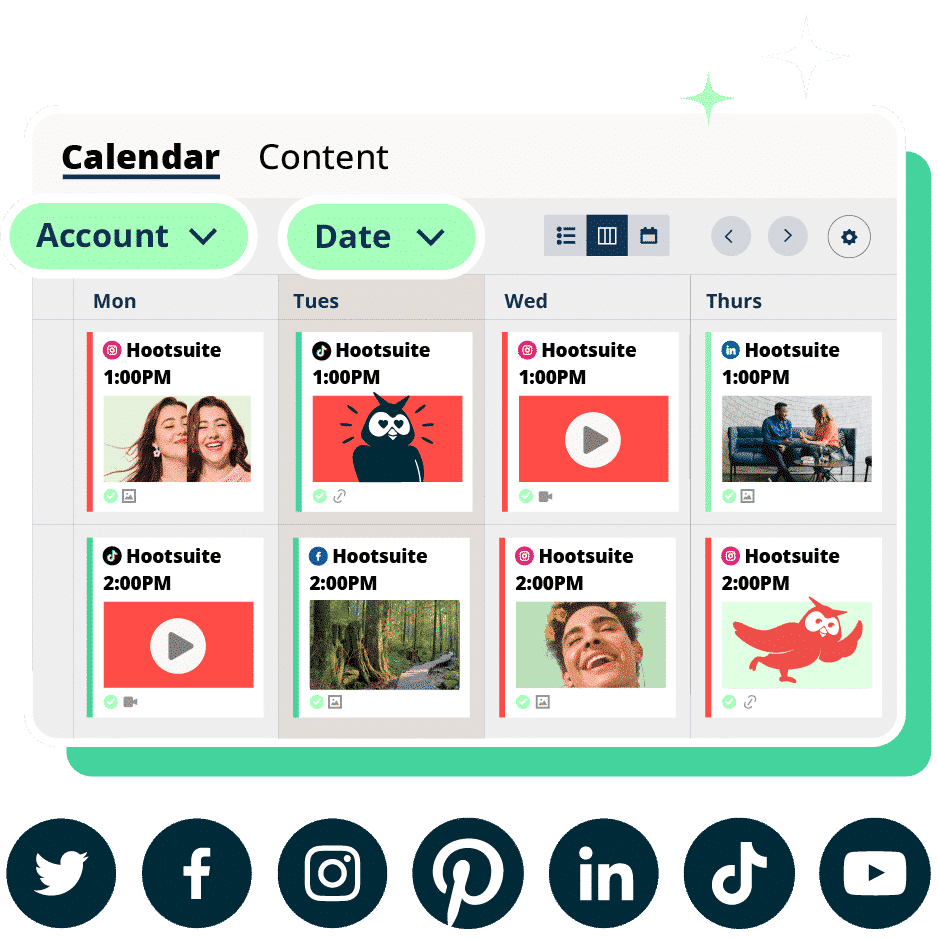
At its core, employee advocacy involves internal staff—ranging from frontline workers to executive leadership—sharing company-related content, news, products, and culture milestones on their personal profiles. While a significant portion of this activity happens on professional networking powerhouses like LinkedIn, it also extends across platforms like X, TikTok, Instagram, and specialized industry Slack communities.
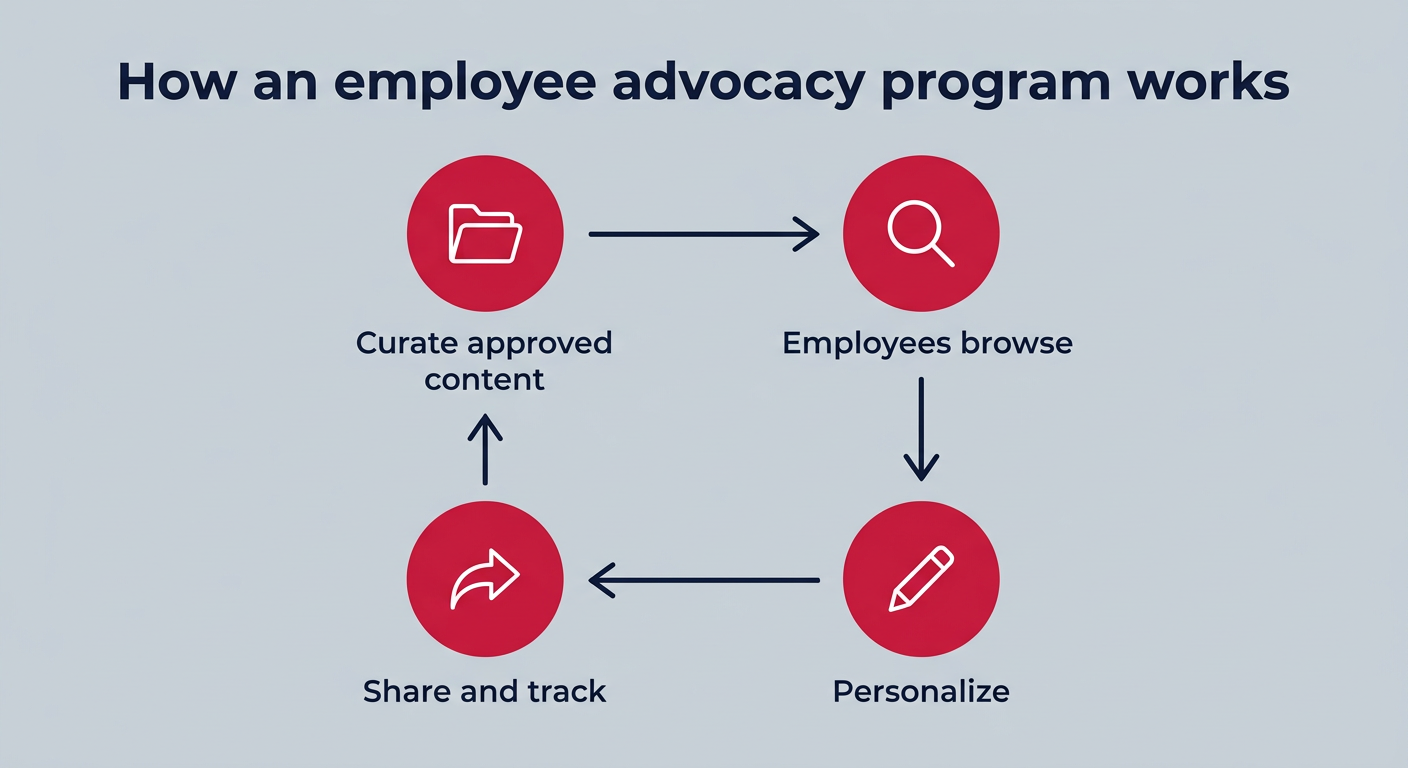
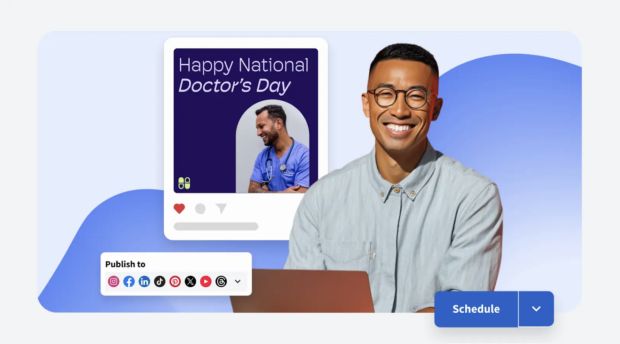
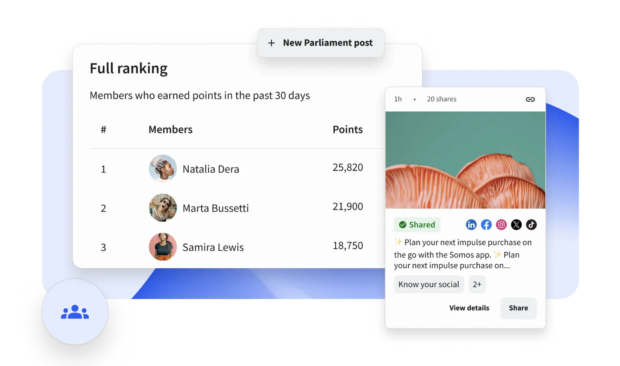
Advocacy can manifest organically, driven purely by employee enthusiasm and pride, or through structured, enterprise-grade programs. Structured initiatives typically utilize centralized platforms—such as Hootsuite’s Parliament tool—to provide teams with curated, pre-approved content libraries, clear guidelines, and seamless distribution capabilities.
To understand its place in the modern ecosystem, industry analysts distinguish employee advocacy from two closely related disciplines:
- Influencer Marketing: Relies on external, usually paid creators to promote a brand to their dedicated audiences. Employee advocacy is internal, voluntary, and rooted in an actual employment relationship.
- Brand Advocacy: Stemming from external supporters, customers, and dedicated fans who post reviews, recommendations, and use cases. While powerful for social proof, brand advocacy offers companies less structural consistency and control than an internal team.
According to global trust data, individuals remain far more trusted than corporate entities. Edelman trust barometers consistently place ordinary employees and peers among the most trusted voices globally, outstripping corporate logos and institutional statements by wide margins. When employees speak, audiences listen.
Chronology and Evolution: From Organic Sharing to Automated Enterprise Programs
The trajectory of employee advocacy has undergone a massive transformation over the past decade.
- Early Phase (The Organic Era): In the early days of social media, employee sharing was entirely ad-hoc. Employees who felt a strong connection to their workplace would manually share company blog posts or milestone announcements. However, this yielded unpredictable results, lacked measurement, and offered companies zero control over narrative consistency.
- The Standardization Era (Mid-2010s): Recognizing the massive multiplier effect of employee networks—which research indicates are, on average, ten times larger than a company’s official follower base—enterprises began formalizing programs. Companies realized that personal profiles organically outranked corporate pages in algorithmic priority.
- The Platform Era and AI Integration (Present Day): Today, employee advocacy is a streamlined, technologically advanced discipline. Modern organizations deploy specialized enterprise software integrated directly into daily workspaces like Slack and Microsoft Teams. Furthermore, the introduction of AI orchestration layers (such as AI-driven content curation and conversational drafting tools) has removed the friction of "not knowing what to say," allowing organizations to scale programs securely across thousands of global employees while maintaining strict regulatory compliance.
Supporting Data: Quantifying the Impact
The statistical backing for employee advocacy highlights why major enterprises are heavily investing in the space. Data drawn from internal Hootsuite metrics and industry-wide studies paint a clear picture of performance:
- Amplified Reach: Employee networks are estimated to be 10x larger than corporate follower bases, acting as a megaphone that broadcasts brand messaging far beyond traditional boundaries.
- Trust Advantage: Approximately 60% of consumers place more trust in what an individual creator or employee says about a brand than what the brand states about itself.
- Hootsuite Internal Benchmark Data:
- Active participation typically hovers between 40% and 50% of total staff in a well-managed program.
- Employees share an average of 1.2 posts per week.
- The average reach per shared post clocks in at an impressive 21,920 impressions, with top-performing individual posts occasionally surging past 200,000 views and generating over 100 direct shares.
Real-World Case Studies
- Carahsoft: The IT solutions provider deployed Parliament by Hootsuite, resulting in 8,700 new website visits and up to 35% of total event registrations driven entirely by employee-shared posts.
- Athletico Physical Therapy: By empowering physical therapists and trainers to share personal and seasonal stories, the organization grew its overall social reach by 40%.
- DaVita: Utilizing employee-driven storytelling for recruitment, the global healthcare company achieved a 136% increase in LinkedIn careers page traffic and a 27% year-over-year lift in inbound job applications from social channels.
Official Responses and Strategic Perspectives
Industry leaders emphasize that successful advocacy requires balancing corporate objectives with genuine personal growth for the employees involved.
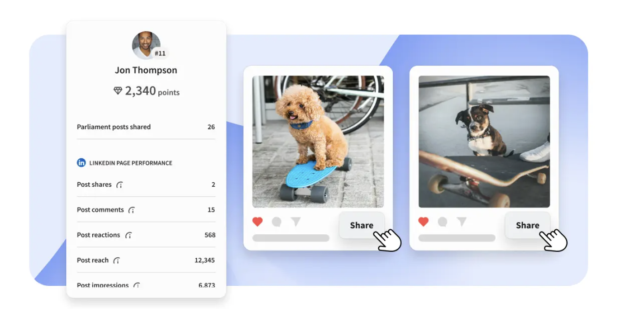
Eileen Kwok, former Social and Influencer Marketing Strategist at Hootsuite, notes that the key to sustained participation is routine and authenticity. "I’ve found that encouraging employees to begin their workday by sharing a post through Parliament helps make it a natural part of their daily routine," Kwok explains. She advises organizations to foster first-person storytelling and avoid rigid, logo-heavy corporate messaging. "Write copy in the first person, give team members opportunities to customize their posts, and avoid overly rigid branding."
Experts also stress that employees must perceive clear professional benefits—such as enhanced personal branding, expanded industry networks, and thought leadership positioning—to ensure that participation feels like a smart career move rather than an administrative chore.
Implications: Overcoming Challenges and Looking Ahead
While the upside is undeniable, scaling an employee advocacy program comes with distinct challenges. Organizations frequently encounter hurdles such as low initial adoption, content fatigue, compliance risks in regulated sectors, and difficulties in proving granular ROI to executive leadership.

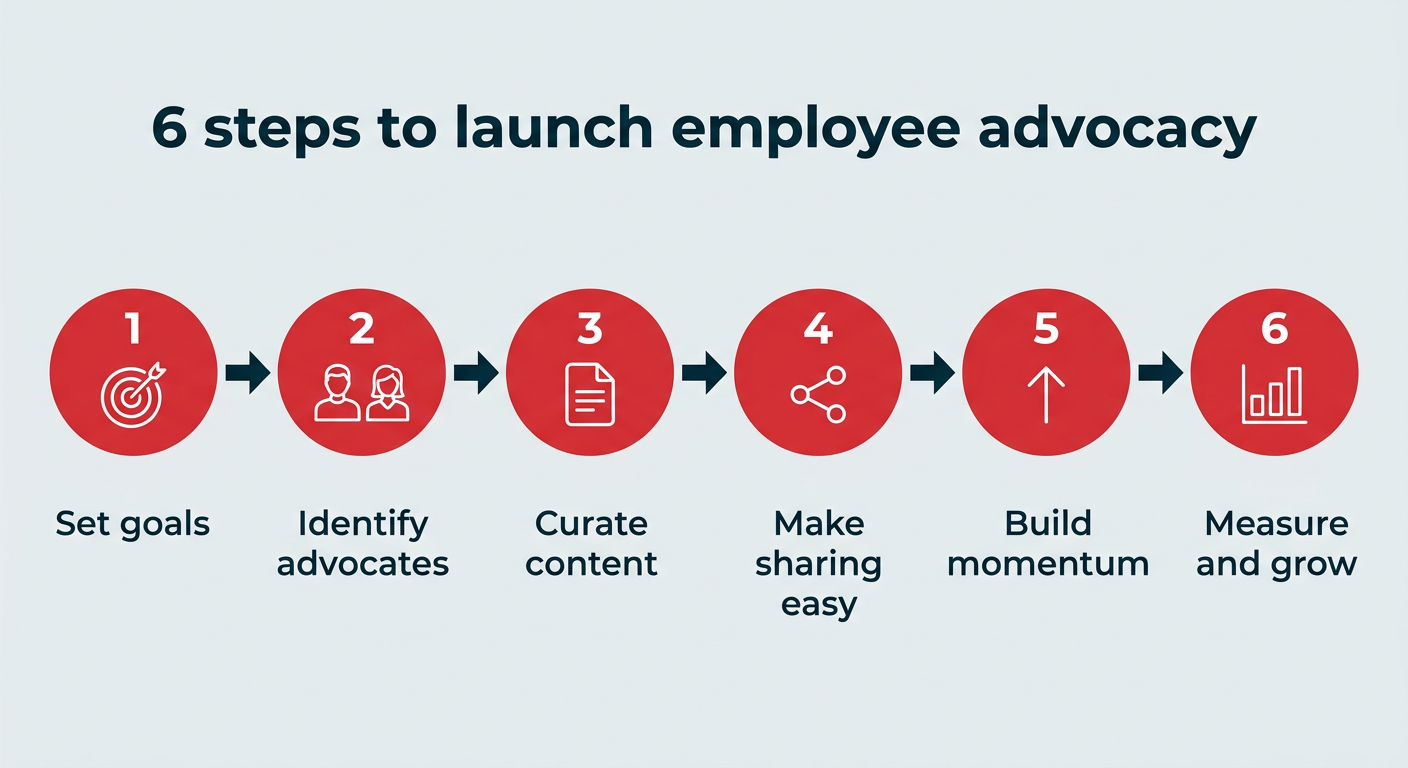
To mitigate these risks, successful organizations rely on a multi-pronged framework:

- Clear Guidelines and Governance: Establishing explicit "do’s and don’ts" alongside automated approval workflows (such as governance layers for regulated industries) ensures brand safety without stifling human voice.
- Content Diversity: Blending brand announcements with industry news, third-party thought leadership, and behind-the-scenes culture pieces prevents feeds from looking like continuous promotional loops.
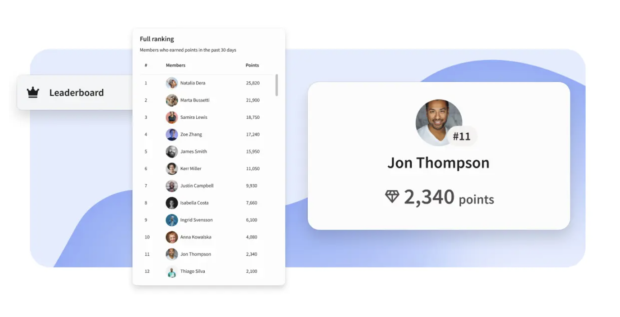
- Gamification and Recognition: Utilizing leaderboards, friendly inter-team competitions, and incentives helps maintain momentum and rewards top-performing advocates.
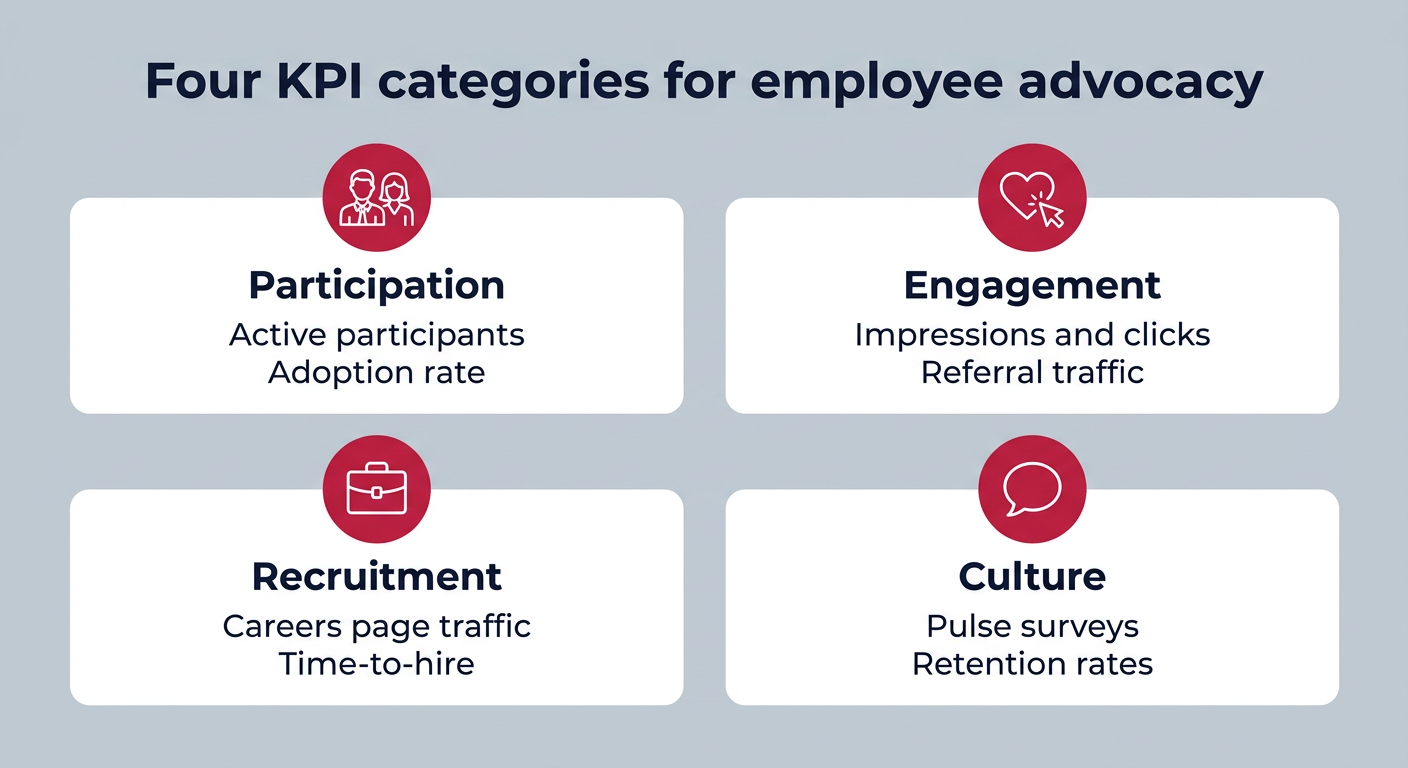
- Integrated Measurement: Connecting advocacy analytics directly to core business metrics—such as earned media value (EMV), website traffic, talent acquisition funnels, and recruitment cost savings—allows marketing and HR leaders to demonstrate a tangible return on investment.
Conclusion
As digital algorithms continue to favor human connection over institutional broadcasting, employee advocacy has cemented its status as a vital strategic lever. By empowering internal teams with intuitive tools, trust-based guidelines, and share-worthy content, organizations can transform their workforce into a powerful, authentic network of brand champions—proving once and for all that the most effective marketing voice is a human one.
 Raul Delapena Setiawan
  Asro
Asro 