
 By Neng Nana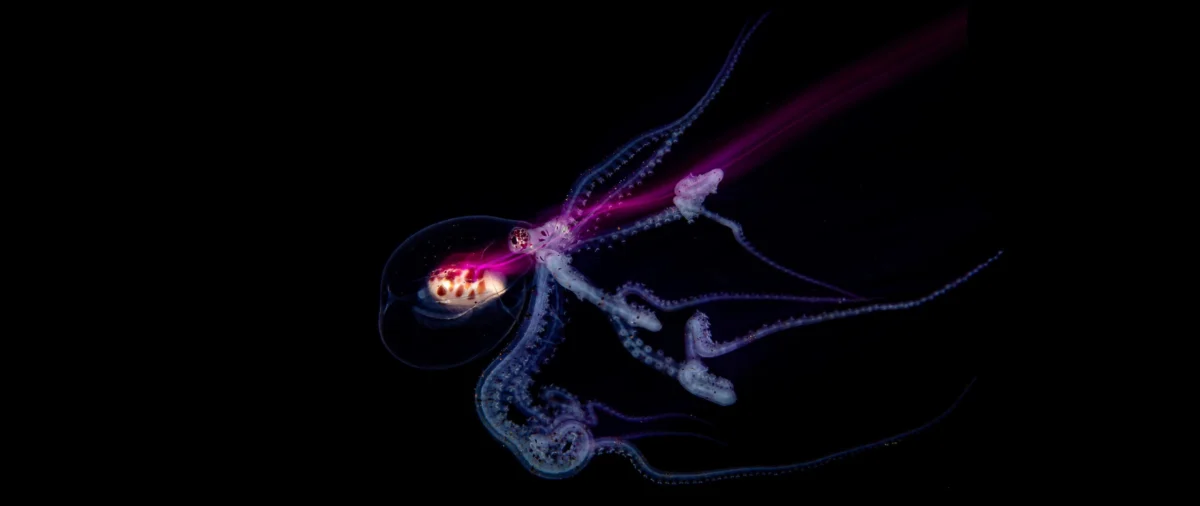
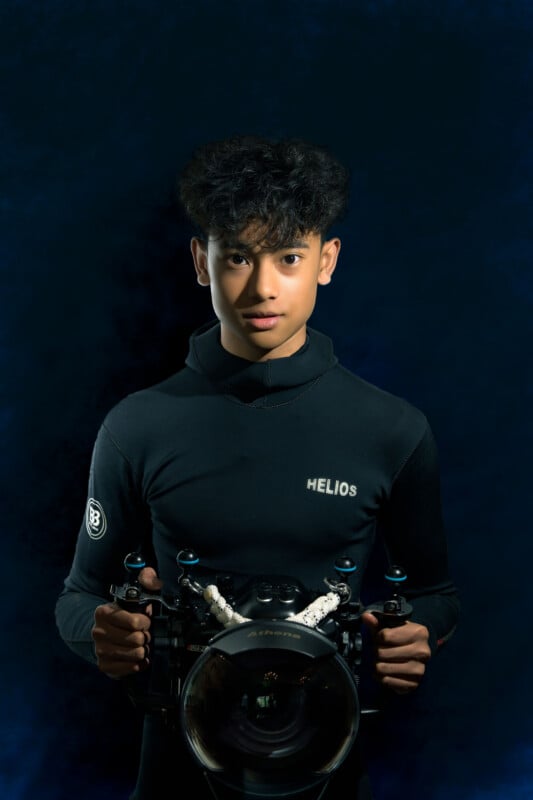
In the silent, pressure-heavy realm of the open ocean, most divers find only darkness. But for 14-year-old Thai underwater photographer Panitbhand “Pari” Na Ayudhya, that darkness is a canvas. Late last month, the young lensman achieved a career-defining milestone, claiming victory in the “Project // 21” category of the prestigious 2026 Hasselblad Masters photo contest.
The award, which honors the most exceptional imagery from photographers aged 21 and under, serves as the latest validation of a rapidly ascending talent. While many teenagers spend their summers in front of screens, Pari has spent his navigating the dangerous, deep-sea abyss of the Philippines, capturing images that have stunned the global photographic community.
A Victory of Strategy and Skill
Winning the Hasselblad Masters is no small feat; it is a competition known for grueling standards and elite international participation. For Pari, the win came as a shock. “I was really glad I made it to the finalists,” he tells PetaPixel. “I didn’t expect to win because there were really good other photographers I was competing with. I just thought, ‘It was really good that I made it to the finalists.’ I just didn’t expect to make it to the top.”
The victory is not merely a triumph of timing, but of deliberate, mature strategy. Before submitting his entry, Pari conducted a deep analysis of previous years’ winners to understand the unspoken language of the judges. “I looked at all the categories, and I saw there’s this pattern in which all the photos have to be unique, but they also have to go along with each other,” he notes.
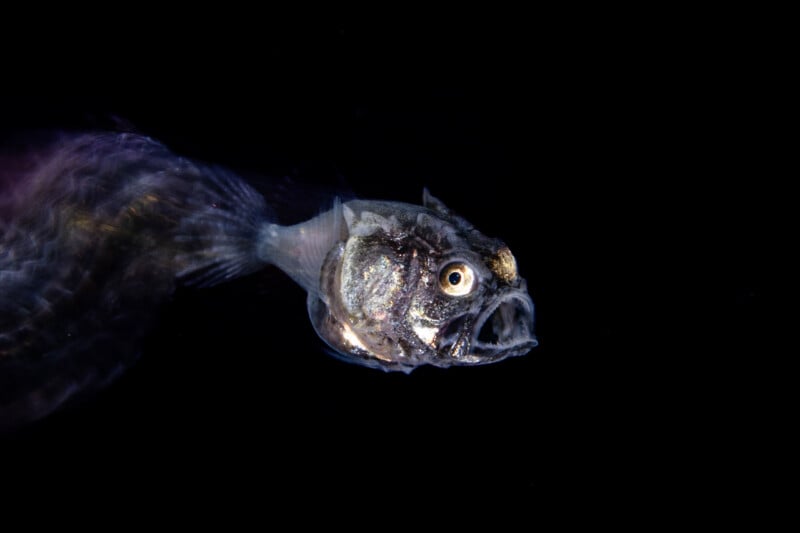
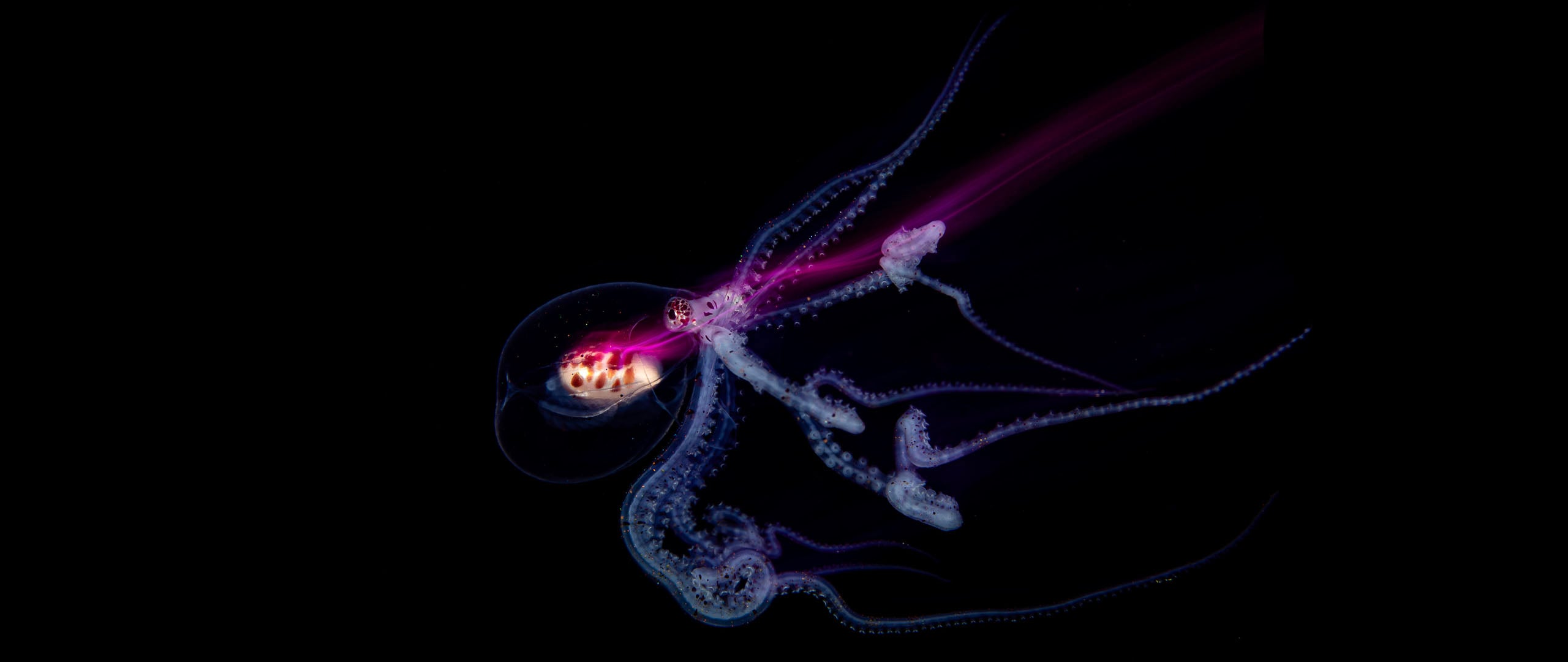
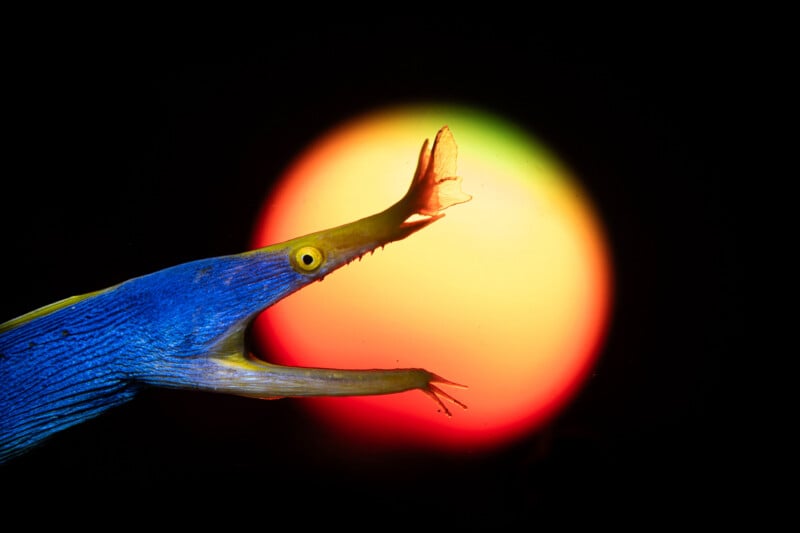
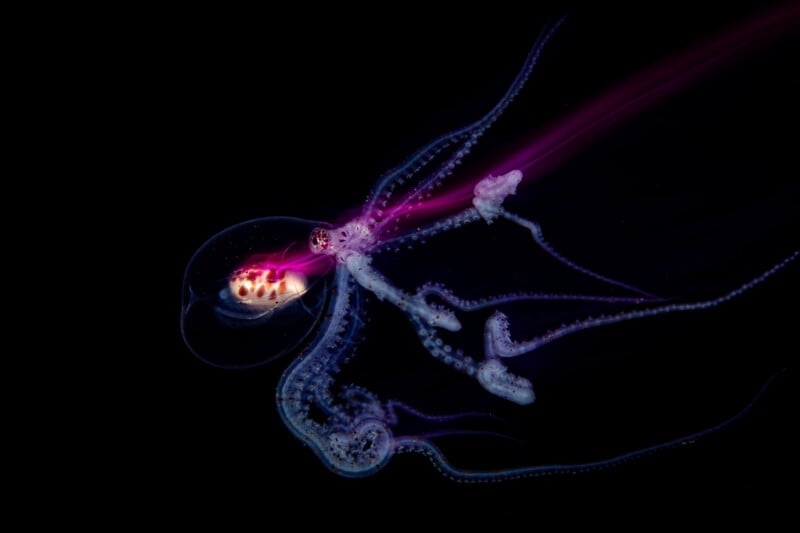
In the Hasselblad Masters format, entrants must submit a cohesive series of three images. Pari’s winning selection—a triptych of deep-sea creatures—demonstrated a masterclass in visual consistency. “They all look similar, but they’re all different in a way,” he says. For his efforts, he was awarded a 5,000-euro creative fund and his choice of a high-end Hasselblad 100-megapixel camera system with two XCD Series lenses.
Chronology of an Underwater Journey
Pari’s trajectory in the world of photography is as swift as it is remarkable. His journey began, as many do, with a simple curiosity for the world beneath the waves. Picking up an action camera at a young age to document his early dives, he quickly realized that his initial efforts were far from professional.
“I had to improve,” he recalls, laughing at his early, blurry attempts. That determination spurred a rigorous cycle of practice and education. By age 10, he had earned his scuba diving certification, immediately followed by a rescue diver qualification. He viewed the water not just as a playground, but as a classroom.
His transition from casual documentarian to award-winning photographer was defined by his move to high-end equipment, specifically the Nikon Z8 paired with a Nikkor Z MC 105mm f/2.8 VR S macro lens. This gear choice is idiosyncratic; while most underwater photographers favor wide-angle lenses to capture the vastness of the sea, Pari favors the intimacy of macro. He often focuses on subjects no larger than a ping-pong ball, using a combination of Kraken strobes and custom-filtered video lights to isolate his subjects against the impenetrable blackness of the open ocean.
The Science of the “Blackwater Dive”
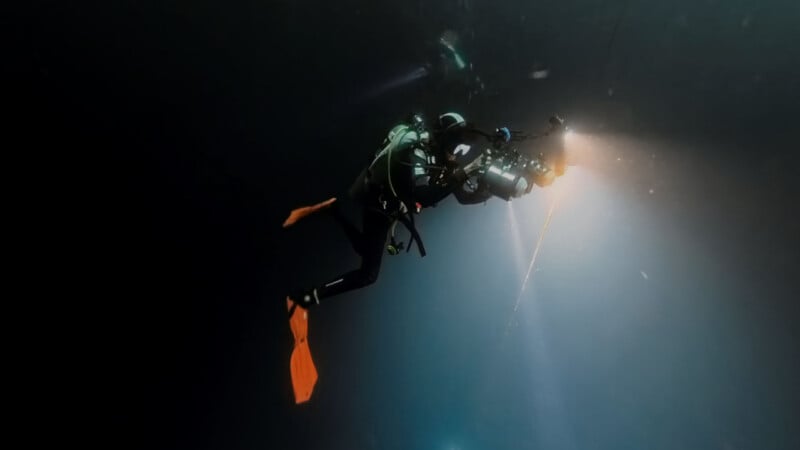
The photographs that secured his Hasselblad win were captured during a “blackwater dive” in the Philippines. Blackwater diving is arguably the most challenging environment for any photographer. It involves drifting in the open ocean over abyssal depths at night. Divers rely on powerful lights to attract plankton, which in turn draws up rare, deep-sea creatures from the midnight zone.
Pari’s technique is a testament to his technical ingenuity. Recognizing that standard flash photography often resulted in images that felt “wonky” or disorganized during long-exposure attempts, he turned to improvisation.
“I improvised with a video light and filters,” he explains. “I put the filter on during the slow shutter, and then ended my photo with flash to keep the details.” This hybrid approach—marrying the ethereal motion blur of ambient light with the crisp, clinical detail of a strobe flash—has become his signature style. It is a level of technical problem-solving rarely seen in photographers twice his age.
Supporting Data and Professional Recognition
The Hasselblad Masters is merely the most recent accolade in a growing collection of honors. Pari has previously been named Photographer of the Year (Under-18) by the Shark Trust and received a prestigious Commendation at the Siena Awards.
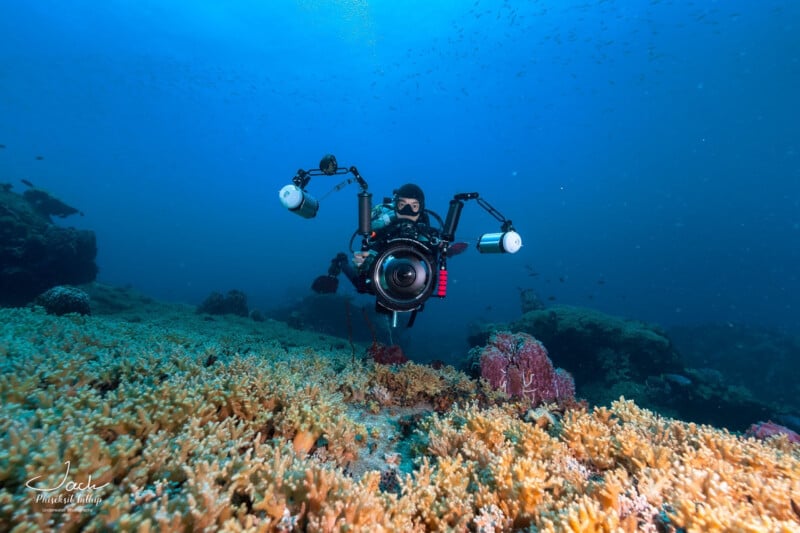
His technical rigors are supported by his deep engagement with the marine research community. As an Ocean Ambassador for the Manta Trust and a Young Shark Ambassador for Fins Attached Marine Research and Conservation, his photography is not just about aesthetics; it is about conservation. He views his work as a “payback” to the ocean.
He maintains an intense, professional-grade routine during his dives. Knowing that marine life is unpredictable, he arrives in the water with his settings pre-dialed. “I practice on the person next to me or a rock or something to make sure the settings are perfect first, because a shark isn’t going to stick around long,” he explains. This foresight prevents the frustration of missing a shot, a discipline that has clearly paid dividends in his competition record.
Official Perspectives: The Philosophy of the Lens
In speaking with Pari, one is struck by his humility and his grounded perspective on the role of photography in his life. While he is undoubtedly a prodigy, he is wary of turning his passion into a transactional burden.
“I want to improve, I want to get better,” he says, reflecting on his future. “But I also want to enjoy it in a way that it might not be the number one job in my life. Because when it becomes a commitment, and something I have to do a lot, I won’t enjoy it as much. I think it’s a number one hobby, but not everything in my life.”
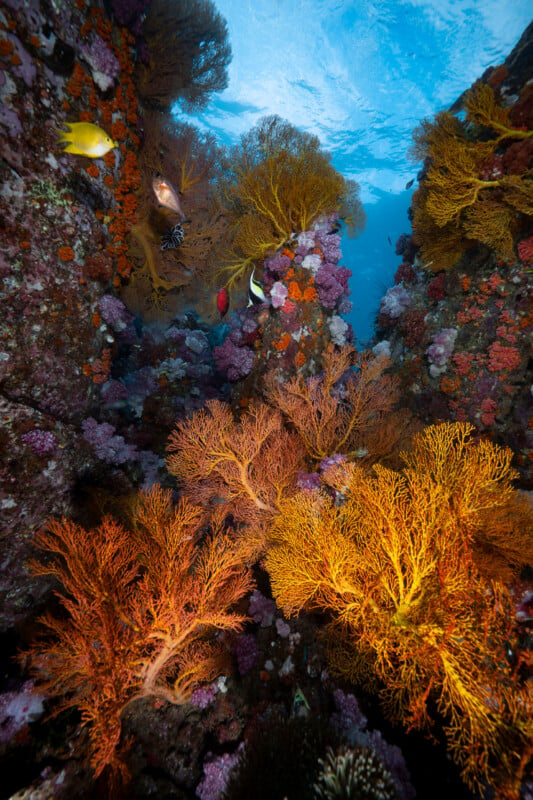
He sees his future in a field related to the ocean—perhaps science—but he refuses to pigeonhole himself as “just” a photographer. His recent exhibition in Bangkok, titled Pay Back to the Ocean, confirms his commitment to advocacy. Unlike those who use data or academic research to push for conservation, Pari has chosen the evocative power of the image to move the needle.
Implications: A New Era for Youth in Photography
The success of Panitbhand “Pari” Na Ayudhya carries significant implications for the world of competitive photography. It signals a shift where younger, digitally native photographers are leveraging advanced technical knowledge and sophisticated post-processing strategies to rival veteran professionals.
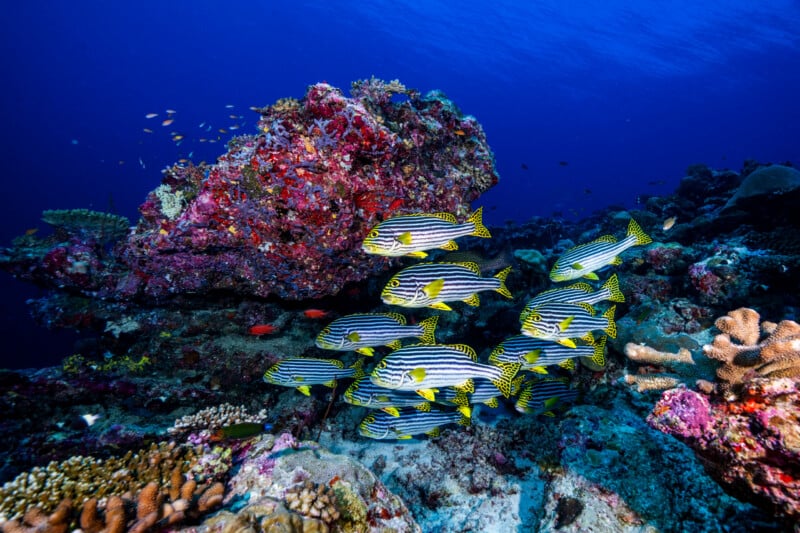
Moreover, his success highlights the growing importance of the “niche” in photography. By mastering the extreme, technical, and often uncomfortable discipline of blackwater macro photography, Pari has carved out a space where his unique vision is undeniable.
As the photography industry continues to evolve, the story of this 14-year-old from Thailand serves as a poignant reminder that age is no barrier to excellence. Whether he chooses to pursue a life as a full-time professional photographer or as a marine scientist who happens to carry a camera, his impact on the field is already established.
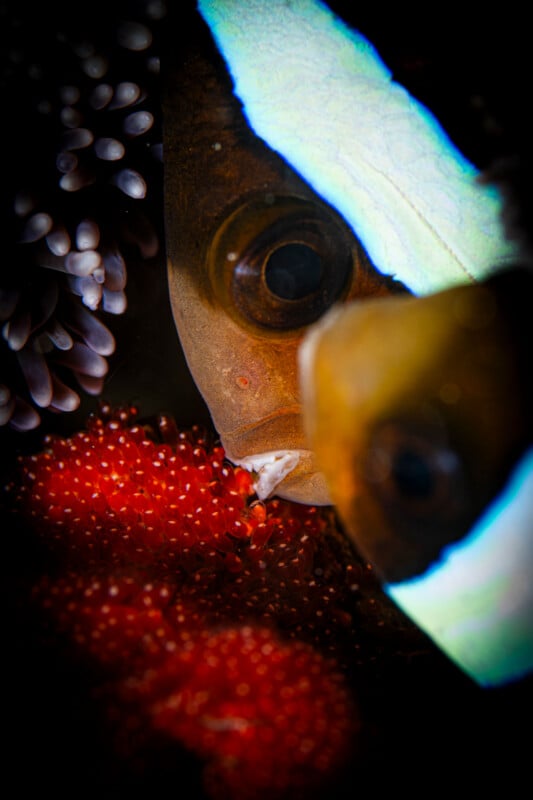
For those who wish to follow his path—or simply witness the beauty he pulls from the abyss—Pari continues to share his work through his personal website and his Instagram, where he documents not only the rare creatures he encounters but the arduous, rewarding process of capturing them.
In the final analysis, Pari represents a new generation of environmental stewards: one that is technically proficient, scientifically informed, and deeply, authentically connected to the natural world. He does not just photograph the ocean; he converses with it. And based on his recent triumph in the Hasselblad Masters, the world is finally starting to listen.
 Raul Delapena Setiawan
  rifanmuazin
  Ammar Sabilarrohman