
 By Raul Delapena Setiawan
By Erin Rodrigue
Content Strategist and Digital Marketing Researcher
In the fast-paced ecosystem of digital commerce, consumer preferences shift faster than most marketing teams can update their persona decks. Yesterday’s high-performing messaging strategy can quickly become tomorrow’s digital blind spot, leaving brands to run costly campaigns based on outdated assumptions. To combat this operational hazard, modern marketing departments are increasingly turning to audience intelligence—an ongoing, data-driven practice that looks far beyond basic age and geographic markers to decode what consumers truly think, feel, and value.

Main Facts: Defining the Core of Audience Intelligence
At its core, audience intelligence is the continuous process of analyzing consumer data to uncover deep insights regarding motivations, behaviors, interests, and external influences. Unlike static market research studies that provide a single snapshot in time, audience intelligence is an ongoing discipline.
Consider the common trap of relying on conventional buyer personas. A profile that defines a target market as "women, ages 25 to 34" is technically a demographic segment, but it offers little actionable guidance for crafting a resonant campaign. In contrast, audience intelligence reveals the psychological drivers and lifestyle affinities of that group—transforming a generic label into a nuanced understanding, such as identifying them as "busy working mothers seeking time-saving household automation who prioritize brand reliability over low price points."

Audience Intelligence vs. Social Listening vs. Market Research
While these terms are often used interchangeably in corporate boardrooms, they serve fundamentally different functions within a research ecosystem:
- Audience Intelligence: Analyzes deep consumer interests, behaviors, and psychological motivations continuously. It relies on demographic data, behavioral patterns, and cross-channel affinities to understand who the audience is and why they act.
- Social Listening: Tracks real-time conversations, direct mentions, and emotional sentiment across social media and the broader web. It excels at showing what people are discussing and how public sentiment fluctuates around a topic.
- Market Research: Conducts structured, project-based investigations through formal surveys, in-depth interviews, focus groups, and consumer panels to answer specific, isolated business questions.
Chronology: The Evolution from Static Guesswork to Real-Time Signals
For decades, marketing strategy followed a rigid, cyclical timeline: quarterly focus groups, annual demographic overhauls, and periodic brand health tracking. This historical model worked well enough in eras of stable media consumption, but it breaks down completely in today’s hyper-connected, algorithmic digital landscape.

- The Era of Static Personas (Early 2000s): Brands built buyer personas once a year based on census data and focus groups, assuming consumer behavior remained constant over a 12-month period.
- The Rise of Social Listening (2010s): Brands began monitoring real-time brand mentions, but data was often siloed, capturing what people said publicly without linking it back to underlying purchasing motivations or CRM profiles.
- The Integrated Intelligence Era (Present Day): Driven by advanced analytics and artificial intelligence, modern marketing operations synthesize multi-source data—combining social metrics, website behavior, CRM history, and search trends—into living, breathing audience models that adapt in real time.
Supporting Data: Separating Hype from True Consumer Shifts
One of the most powerful applications of audience intelligence is its ability to separate genuine cultural shifts from fleeting digital hype cycles.
A prime example is the current market obsession with protein. Industry data indicates that nearly 40% of consumers actively track their daily protein intake, prompting food and beverage brands to flood store shelves with protein-forward products. However, a granular look at the data reveals stark generational divides: 62% of Baby Boomers pay close attention to protein, compared to only about half of Generation Z.
For a snack brand targeting teenagers, investing heavily in a "protein-forward" marketing hook could result in a misaligned campaign. Audience intelligence flags these generational nuances before budget is allocated, preventing costly misfires.
Key Data Sources Feeding Audience Intelligence Programs
To build a reliable intelligence framework, organizations must aggregate data across multiple touchpoints:
- Social Media Analytics: Tracks follower demographics, engagement rates, content shares, and save behaviors.
- Social Listening Data: Captures sentiment shifts, emerging trends, and industry-wide conversations across millions of online sources.
- Customer Relationship Management (CRM) Records: Examines actual purchase history, loyalty program participation, and customer support interactions.
- Website Analytics: Evaluates onsite user journeys, traffic acquisition channels, and conversion paths.
- Search Intent Data: Analyzes search volumes, rising queries, and pre-purchase information gathering.
- Qualitative Research: Gathers first-hand feedback through customer surveys and one-on-one interviews.
- Third-Party Market Data: Benchmarks target audiences against broader macroeconomic and category trends.
- Paid Advertising Metrics: Measures how distinct audience segments respond to varying ad creatives and offers.
Official Perspectives: Expert Insights on Building a Practice
Establishing a successful audience intelligence practice requires transitioning from general curiosity to structured, business-driven inquiry.
Johanna Moscoso, Director of Audience Intelligence at Moonbug Entertainment, emphasizes that the process must always originate from a tangible corporate challenge. "The work has to start with the business question," Moscoso explains. "We can research just about anything these days, but if it isn’t tied to a real problem or decision, you’re going to end up with some really interesting information that you’re not really sure what to do with."
Step-by-Step Framework for Implementation
- Define a Real Business Question: Pinpoint a specific strategic uncertainty—such as identifying which consumer segment represents the highest growth potential for a new product line.
- Centralize Data Sources: Bring together two or three foundational data streams (such as CRM records and social metrics) rather than attempting to ingest every possible data source on day one.
- Build a Living Audience Model: Reject static, once-and-done persona decks. Maintain a dynamic document categorized by a confidence scale (e.g., Known > Supported > Hypothesis > Unknown) to keep teams honest about proven facts versus working assumptions.
- Leverage AI for Pattern Recognition: Utilize advanced artificial intelligence tools to process massive datasets, surface emerging trends, and filter out noise.
- Route Insights Across Departments: Ensure intelligence flows seamlessly from the research team to social media managers, product developers, and sales professionals.
- Close the Loop: Measure the real-world impact of actions taken based on insights, treating every campaign as an experiment that refines future hypotheses.
Common Pitfalls to Avoid
- Over-Relying on AI Without Human Context: While AI can process petabytes of data in seconds, it lacks business intuition. As Moscoso notes, "AI doesn’t know what is relevant to the business and what isn’t. The researcher knows that."
- Confirmation Bias: Entering a research project with a preconceived conclusion and manipulating data to prove it, rather than letting objective findings guide strategy.
- Stopping at Demographics: Relying solely on age and gender metrics, which fail to capture emotional drivers or moments of life transition.
Implications: The Future of Marketing with Integrated Platforms
As the volume of digital data continues to expand exponentially, managing audience intelligence manually is no longer viable for enterprise marketing teams. This realization has driven the development of unified technology ecosystems designed to bridge the gap between raw data and creative execution.
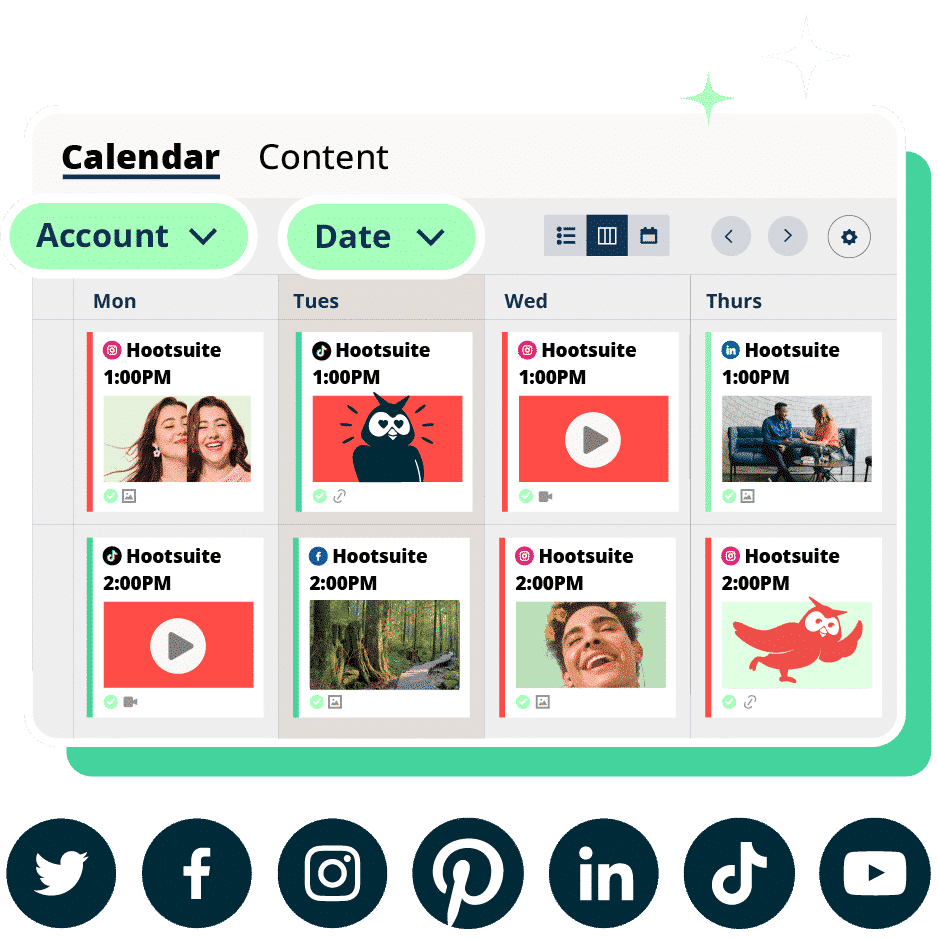
Platforms like Hootsuite have adapted to this paradigm shift by integrating specialized intelligence modules into their core social media management suites:
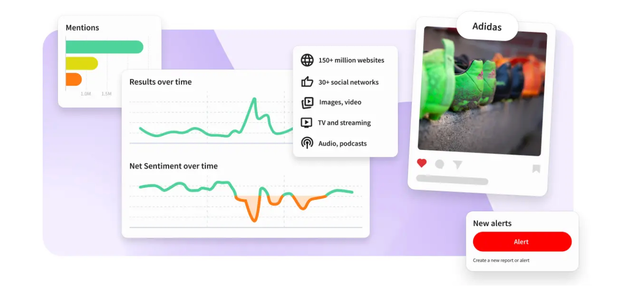
- Lumen: Scans conversations across more than 150 million online sources to track sentiment shifts and emerging industry topics far beyond a brand’s direct mentions.
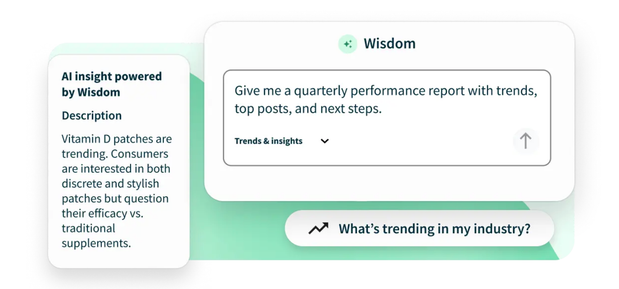
- Wisdom: Empowers marketers to query complex audience databases using plain-language prompts, instantly surfacing actionable behavioral patterns.
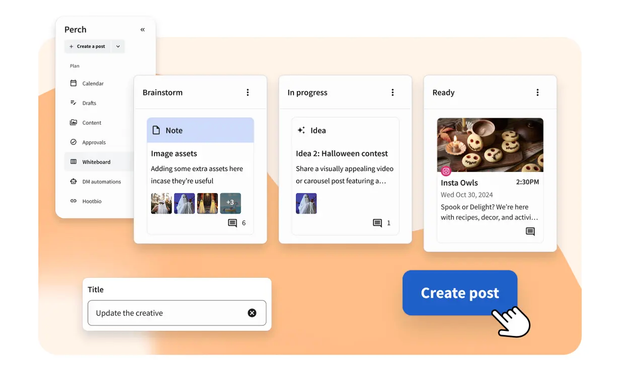
- Perch: Streamlines the transition from insight to execution, allowing teams to draft, approve, schedule, and publish content directly informed by real-time audience data.
Strategic Takeaways
Ultimately, audience intelligence serves as a brand’s primary defense against irrelevance. By replacing internal assumptions with continuous, multi-dimensional consumer data, marketing teams can sharpen their audience segments, refine messaging frameworks, and deliver content that truly resonates. In an era where consumer loyalty is earned through deep relevance and understanding, audience intelligence is no longer an optional luxury—it is the foundational architecture of modern marketing success.
 Basiran
  Asro
Asro 