
 By Asro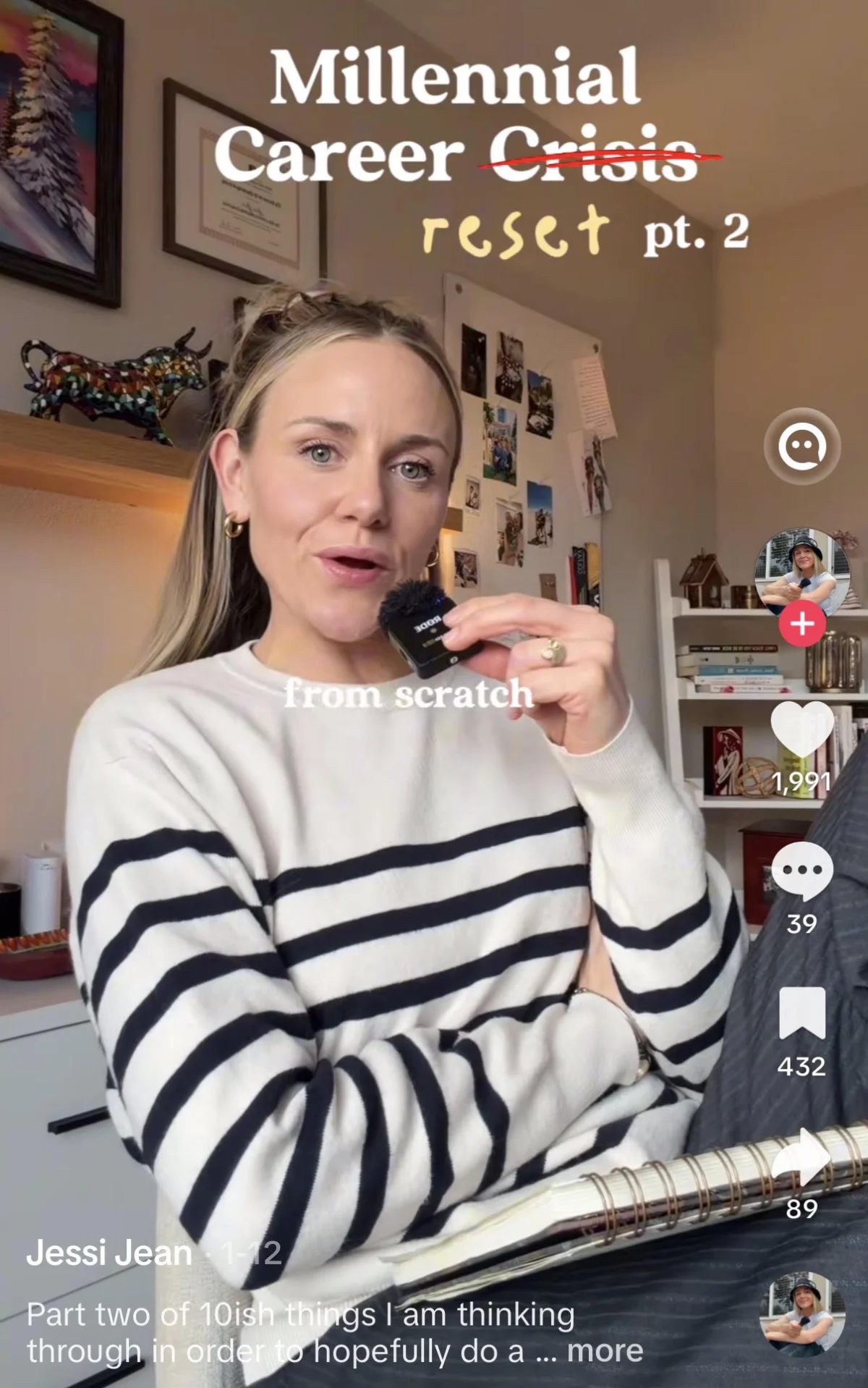
By Erin Rodrigue
Published in Strategy & Marketing
In the fast-paced ecosystem of digital marketing, the cultural spotlight has a habit of chasing the newest shiny object. For the past several years, brands have scrambled to decode Gen Z, structuring entire social media operations around TikTok trends, hyper-ironic humor, and algorithm-dictated aesthetic shifts. Yet, quietly steering the global economy—and maintaining a robust, active digital footprint—is a demographic that predates the algorithmic feed: Millennials.
Born between 1981 and 1996, Millennials are now navigating their late 30s and mid-40s. Far from being the digital novices or passive scrollers they are occasionally mischaracterized as, this cohort represents the largest total global income-earning generation. They have grown up alongside the internet, migrating from the early, awkward days of Facebook pokes and message boards to today’s complex cross-platform landscape.
As recent data demonstrates, writing off Millennials as "old news" is a costly strategic miscalculation. They are online, they are deeply engaged, and they command the purchasing power that turns social media metrics into actual revenue.
Main Facts: The Millennial Social Consumer
To understand the modern Millennial digital footprint, one must look past the generalized stereotypes. Today’s Millennials are busy, time-constrained professionals, parents, homeowners, and decision-makers who utilize social media with intention.
Recent media consumption reports paint a clear picture of their active presence:
- Platform Reach: Over the course of a month, 79% of Millennials engage with YouTube, 71% use Facebook, and 54% are active on Instagram.
- Financial Clout: Millennials now hold the highest total income of any living demographic globally.
- Discovery Engines: According to consumer research from Salsify, 67% of Millennials primarily discover new products via social media platforms, turning feeds into dynamic search engines.
- The Trust Deficit: Unlike younger demographics who are more comfortable completing transactions natively inside apps, Millennials typically use social media for research, discovery, and social proof, often completing purchases across external digital sales channels.
Heather Hildebrandt, Founder and Brand Strategist at Brightcraft Studios, notes that brands frequently stumble by lumping Millennials into marketing playbooks designed for Gen Z. "I see Millennials get lumped into marketing that assumes they’re the age of Gen Z, who are in an entirely different point in their lives and see the world differently," Hildebrandt explains. "It rubs them the wrong way and leaves them feeling dismissed of what their generation is uniquely going through."
Chronology: The Evolution of the Millennial Online Journey
The relationship between Millennials and the internet is defined by a unique evolutionary timeline that shapes how they consume content today.
- The Early Era (Mid-2000s): Millennials were the pioneers of early digital socialization. They populated early forums, built MySpace profiles, and adopted Facebook when it was strictly bound to university networks. They learned to navigate the internet through desktop computers and text-heavy message boards.
- The Creator Vanguard (2010s): Long before brands recognized the term "influencer marketing," Millennials were inventing it. They popularized daily vlogging, haul videos, and early iterations of lifestyle content on YouTube and Instagram. They are not just consumers of creator content; they built its foundation.
- The Multi-Platform Maturity (2020s–Present): Today, Millennials seamlessly bridge the gap between legacy platforms (Facebook, YouTube) and modern interest-driven networks (Reddit, Threads, Bluesky). They are adept at moving between mainstream feeds and hyper-niche communities, using social media as a tool for connection, education, and news consumption rather than just entertainment.
Supporting Data: How Millennials Engage
Data from leading research institutions—including Pew Research, Deloitte, and YouGov—highlights specific behavioral patterns that separate Millennials from other generations:
1. Interest-Based Communities and Fandoms
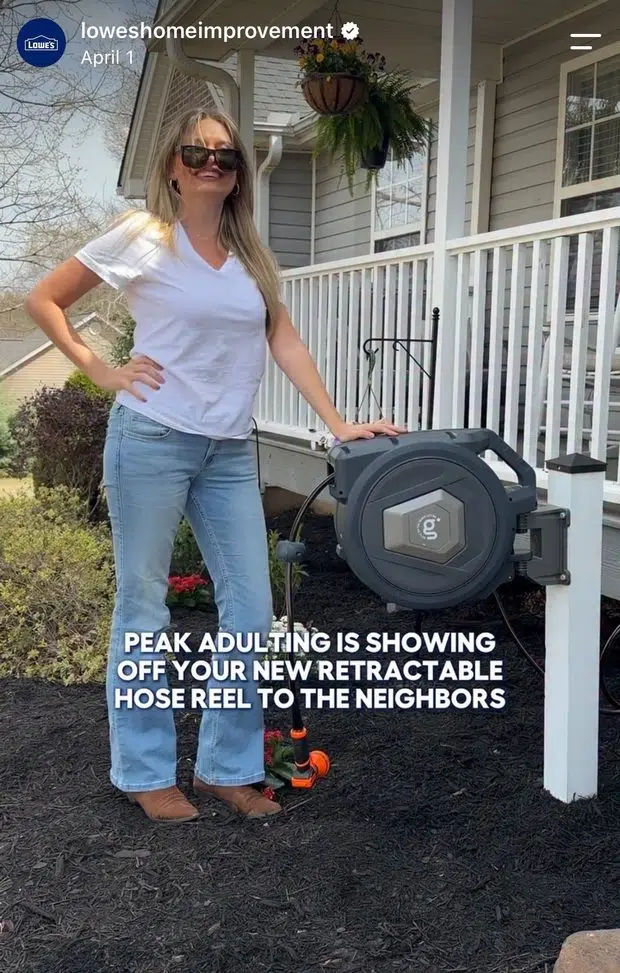
Millennials have maintained the digital habits of their youth. Nearly 40% of Millennials use Reddit monthly—surpassing all other generations in platform adoption. Furthermore, 56% report that the time and money they invest in personal fandoms have remained consistent across different life stages, proving that nostalgia-driven marketing (such as pop-culture-inspired beauty lines or home-renovation humor) commands high engagement.
2. Lifelong Learners
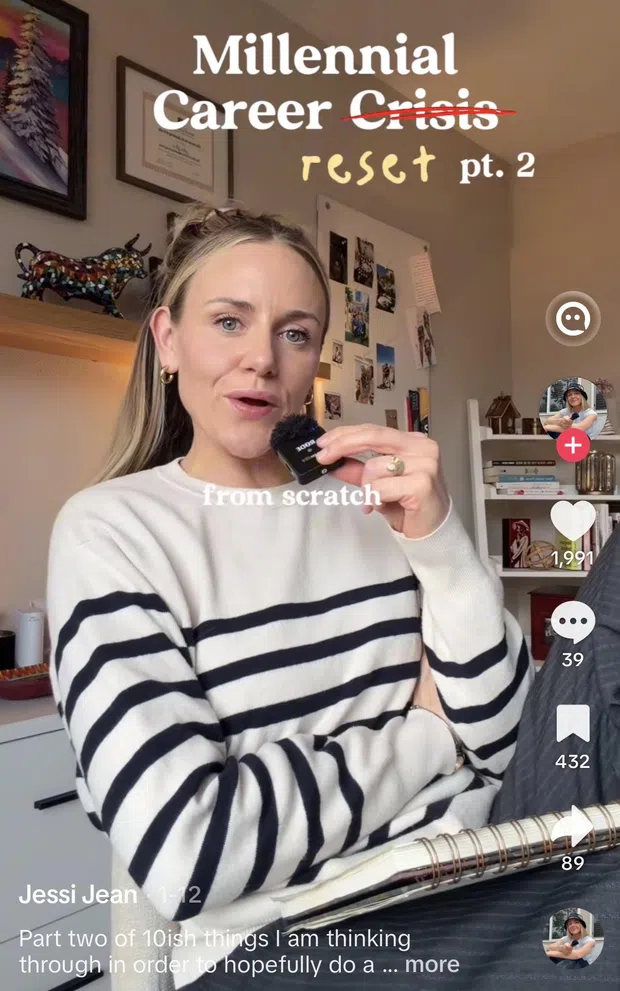
Social media serves as an educational tool for this demographic. Approximately 36% actively seek out how-to and tutorial content, while an overwhelming 90% are inclined to follow creators who teach them practical skills. Whether it is home improvement, financial planning, or career changes, utility drives views.
3. News and Public Life
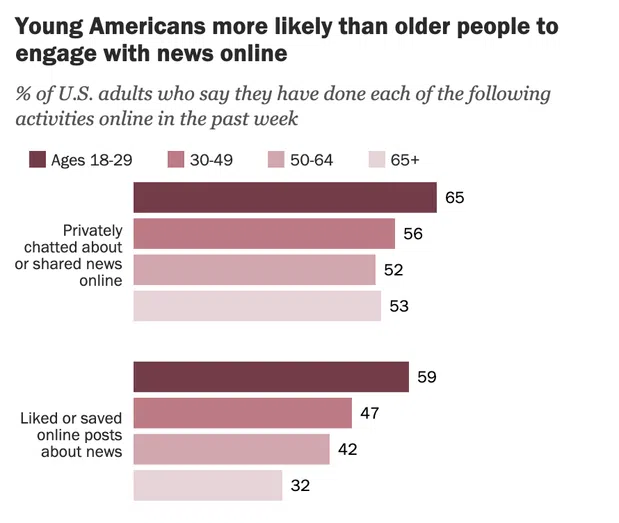
Far from ignoring current events, 60% of U.S. adults aged 30 to 49 rely on social media for news at least sometimes, and 56% report privately chatting about or sharing news online weekly.
4. The Power of Proof
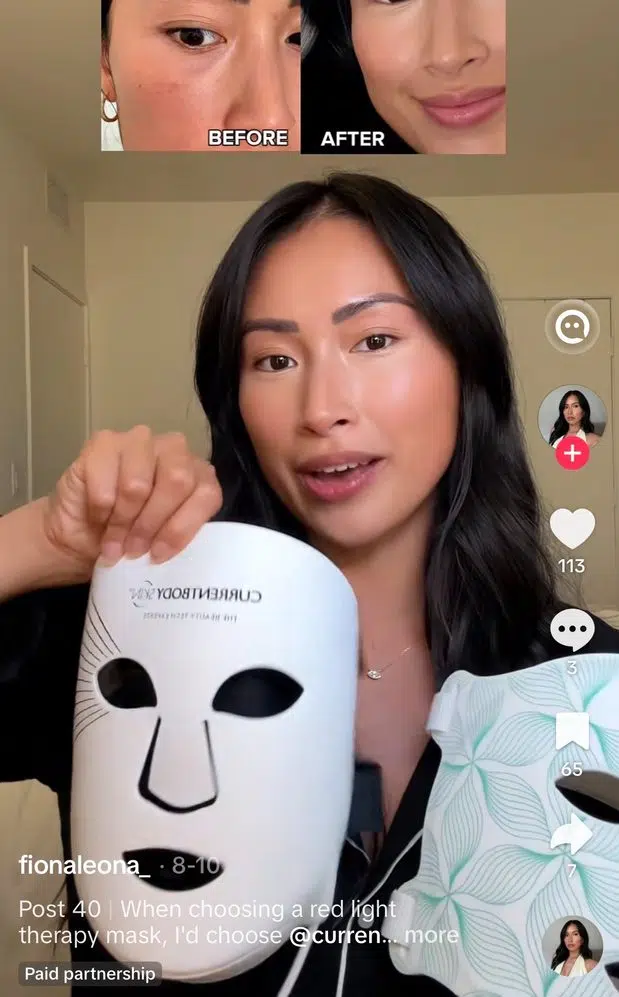
When it comes to purchasing decisions, Millennials demand authenticity. Fifty-two percent state that customer testimonials and reviews are the most influential content types leading to a purchase, outranking flashy, high-budget corporate ad campaigns.
Official Responses and Industry Insights
As marketing agencies adapt to shifting economic landscapes, industry leaders emphasize that trust has replaced mere attention as the ultimate currency.

With the proliferation of AI-generated content and automated marketing, consumer skepticism is at an all-time high. According to recent surveys, 51% of Millennials and Gen Z expect brands to take a public stand on social and political issues—provided those stances are authentic to the brand’s core mission rather than performative.
"Their time is limited, and they aren’t going to spend it with brands that don’t establish trust and see their day-to-day reality," notes brand strategist Heather Hildebrandt.
Successful brands are responding by leaning into human-centric storytelling. Wellness brands like Frenshe, for instance, utilize personal narratives from founders regarding mental health and life transitions, ensuring that brand values align seamlessly with the lived experiences of their audience.
Implications for Modern Marketers
The data yields profound implications for brands structuring their social media strategies. To successfully engage Millennials at scale, marketing teams must pivot away from monolithic age-based stereotypes and adopt a nuanced, data-informed approach.

Key Strategic Takeaways:
- Segment by Life Stage, Not Just Age: Acknowledge that "Millennial" covers everything from new parents and career-switchers to homeowners and singles. Tailor content to solve specific real-world problems.
- Prioritize Connection Over Polish: Shorter-form video (under 15 minutes) performs exceptionally well, but authenticity trumps high production polish. Raw, customer-driven testimonials often outperform studio-quality commercials.
- Integrate Social Listening Tools: Modern enterprise platforms like Hootsuite’s Lumen—which monitors millions of websites and dozens of social channels—allow brands to track real-time sentiment and conversation trends. Moving away from guesswork ensures that campaigns resonate with what audiences are actually talking about.
- Maintain Cross-Channel Consistency: Because Millennials research across multiple touchpoints (checking social feeds, company websites, and review boards simultaneously), messaging, tone, and value propositions must remain airtight across every digital asset.
Scaling the Strategy
Executing a cohesive, multi-platform strategy requires robust operational infrastructure. Tools like Hootsuite’s Perch enable marketing teams to plan, collaborate, and approve human-centric content seamlessly, ensuring that speed does not compromise brand integrity.
Ultimately, the narrative that social media belongs exclusively to Gen Z ignores the fiscal reality of the digital marketplace. Millennials remain active, influential, and financially empowered. Brands that respect their time, understand their daily realities, and meet them with genuine utility will secure the most valuable asset in the modern economy: lasting trust.
 Azzam Bilal Chamdy
  Basiran