
 By Laily UPN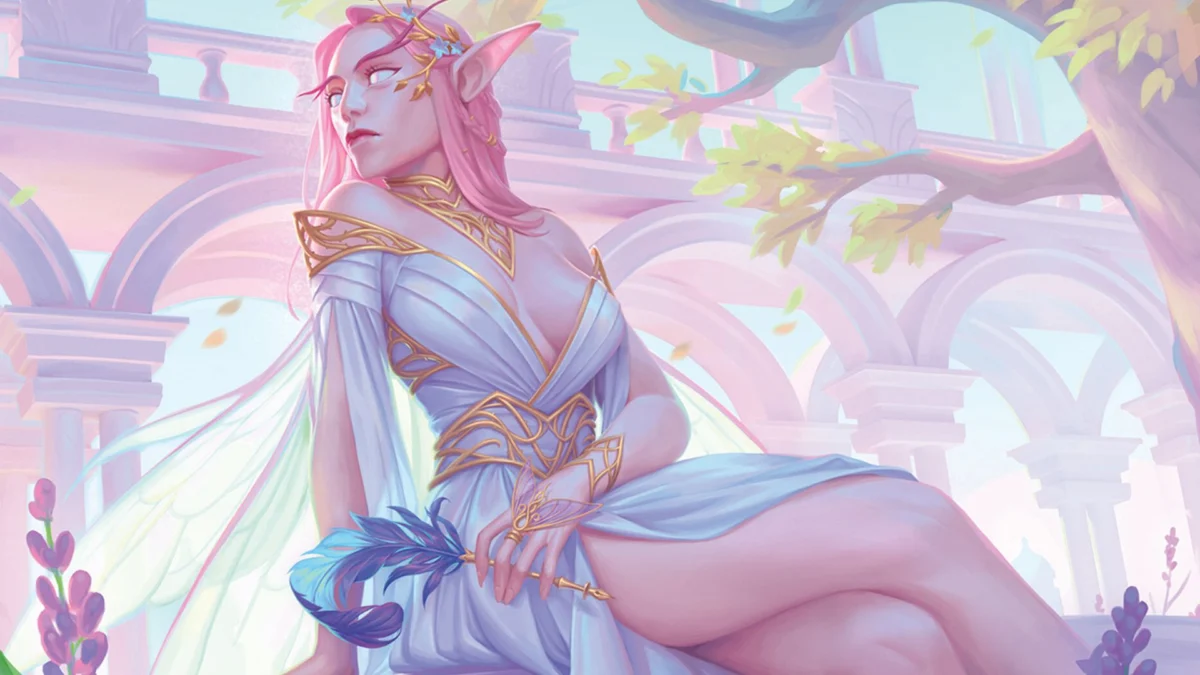
In the expansive landscape of modern digital art, few creators manage to bridge the gap between technical precision and emotional resonance as effectively as Polina Kirillova. A Serbian-based artist with a decade of professional experience in the gaming industry, Kirillova has cultivated a signature aesthetic that blends the structured discipline of game design with the fluid, expressive possibilities of digital painting. Her work, which often finds its roots in the high-fantasy tradition of Dungeons & Dragons, serves as a masterclass in the application of color theory and character narrative.
The Artist’s Journey: A Decade of Digital Craft
Polina Kirillova’s career is a testament to the evolution of the digital artist. Over the past ten years, she has navigated the rigorous demands of the gaming industry, where technical efficiency must constantly contend with creative vision. Her proficiency spans an impressive array of industry-standard software, including Adobe Photoshop, Clip Studio Paint, Art Studio, and the 3D powerhouse Blender.
For Kirillova, the transition from professional game assets to personal art is not a departure, but an expansion. She views her artistic practice as a form of world-building, where the characters she creates are not merely static images but entities with their own backstories and motivations. This deep immersion in D&D has played a pivotal role in her development, providing a framework for her to explore human—and non-human—condition through the lens of fantasy.
The Philosophy of Expression: Color as Language
At the heart of Kirillova’s creative output is a singular, driving focus: the expressive power of color. "I enjoy experimenting with color and finding new ways to make colors more expressive," she notes. Her approach goes beyond mere aesthetic preference; she treats color as a narrative tool capable of shifting the mood, temperature, and emotional weight of an entire composition.
Case Study: A Deep Dive into Four Masterworks
1. Lain: The Intersection of Precision and Fluidity
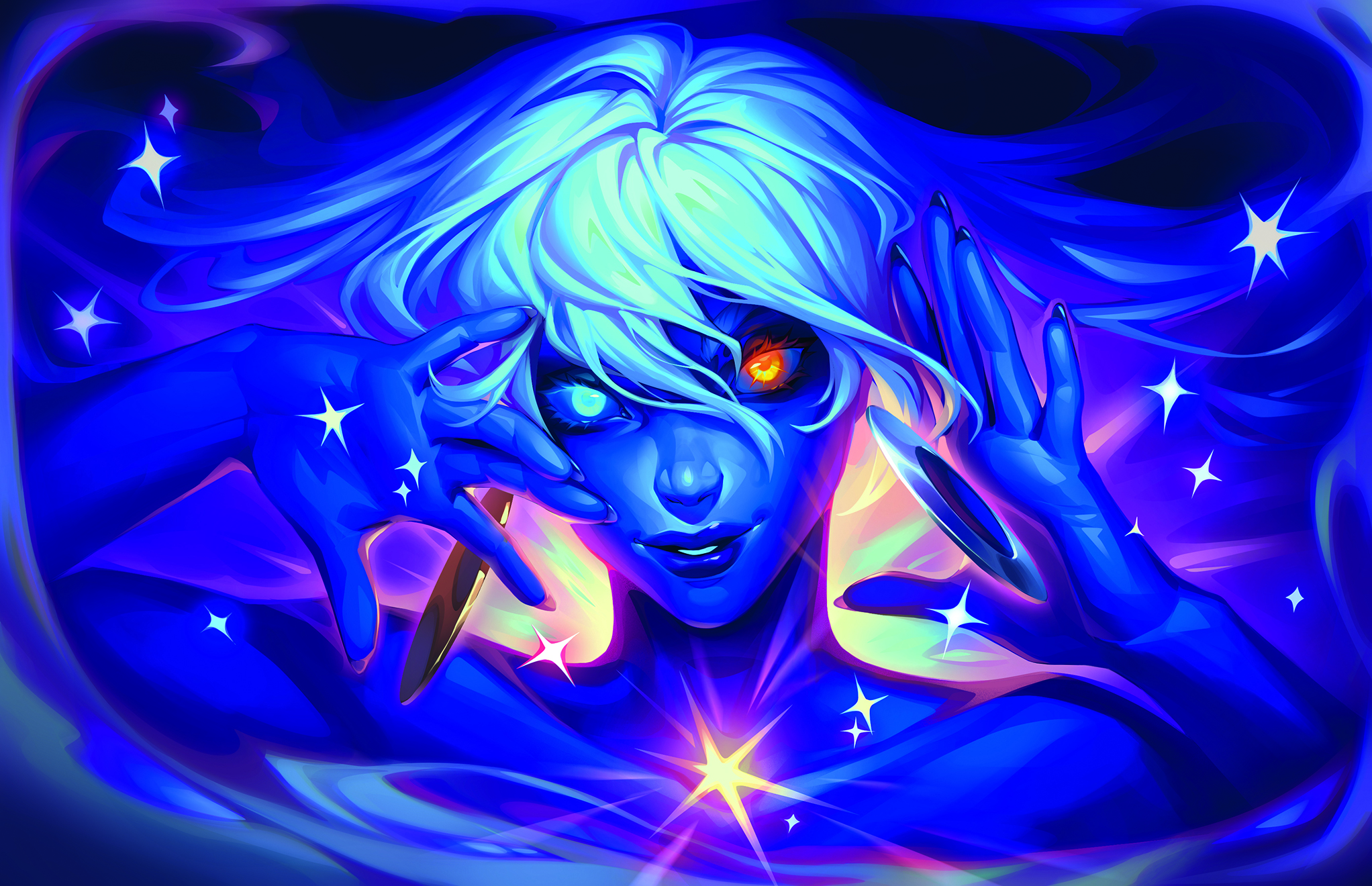
In the piece titled Lain, Kirillova showcases her ability to balance digital technicality with traditional sensibilities. By utilizing the lasso tool—a staple of the Photoshop workflow—she creates sharp, decisive edges that define the character’s silhouette. However, she skillfully maintains a painterly atmosphere, preventing the digital process from feeling overly mechanical. This tension between the "sharpness" of the tool and the "softness" of her brushwork is the hallmark of her style.
2. Master Frog: Paying Homage to the Dungeon Master
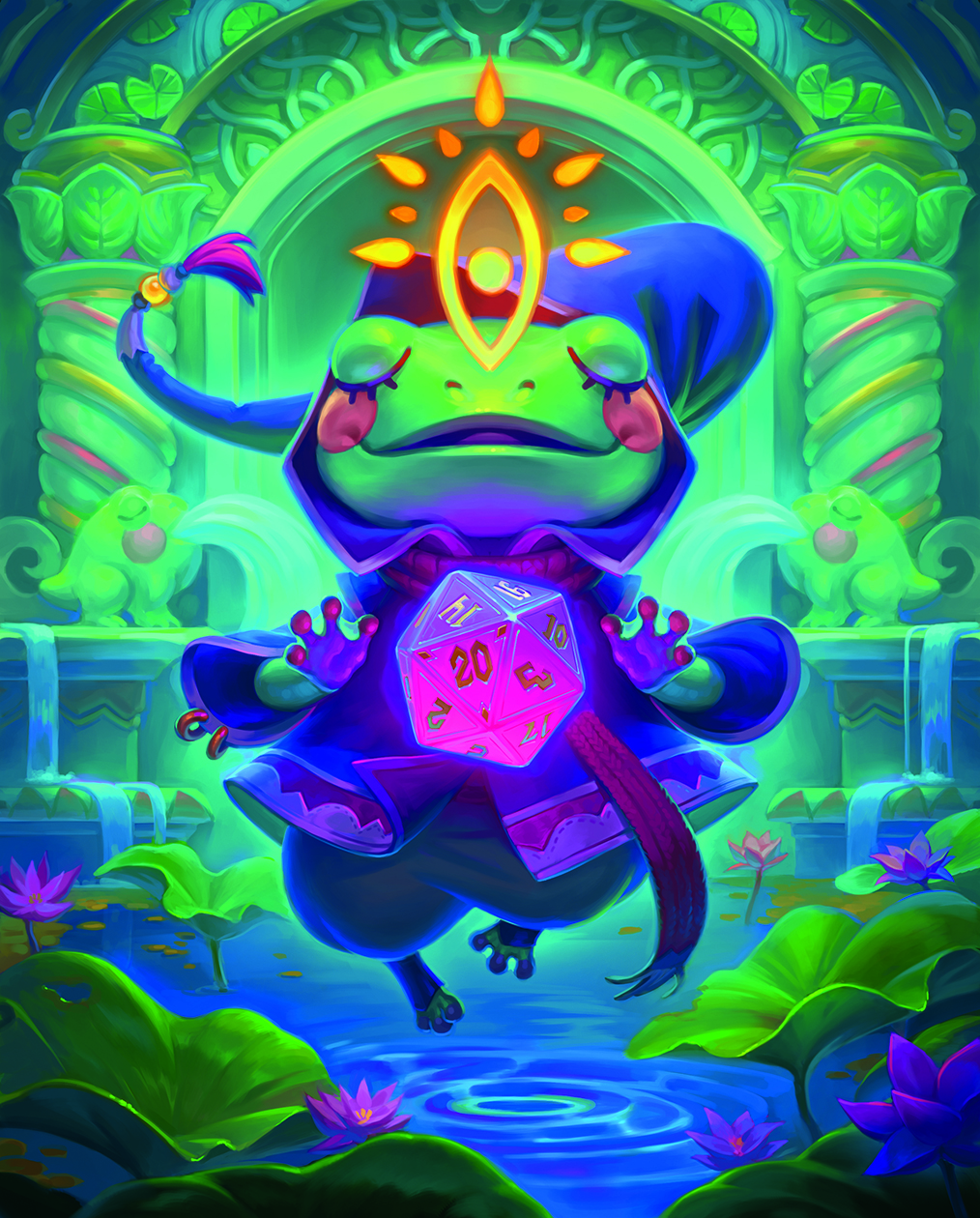
Master Frog serves as both a stylistic experiment and a sentimental tribute. In this composition, Kirillova pushes the boundaries of luminosity. "I wanted the contrasting colors to almost glow on the screen," she explains. By maximizing the saturation and interplay of opposing hues, she achieves a vibrant, almost bioluminescent quality. Beyond the technical achievement, the piece represents a personal milestone, serving as a homage to her long-time D&D Dungeon Master—a poignant reminder of how tabletop gaming continues to inspire contemporary digital illustration.
3. Elven Queen: The High-Key Challenge
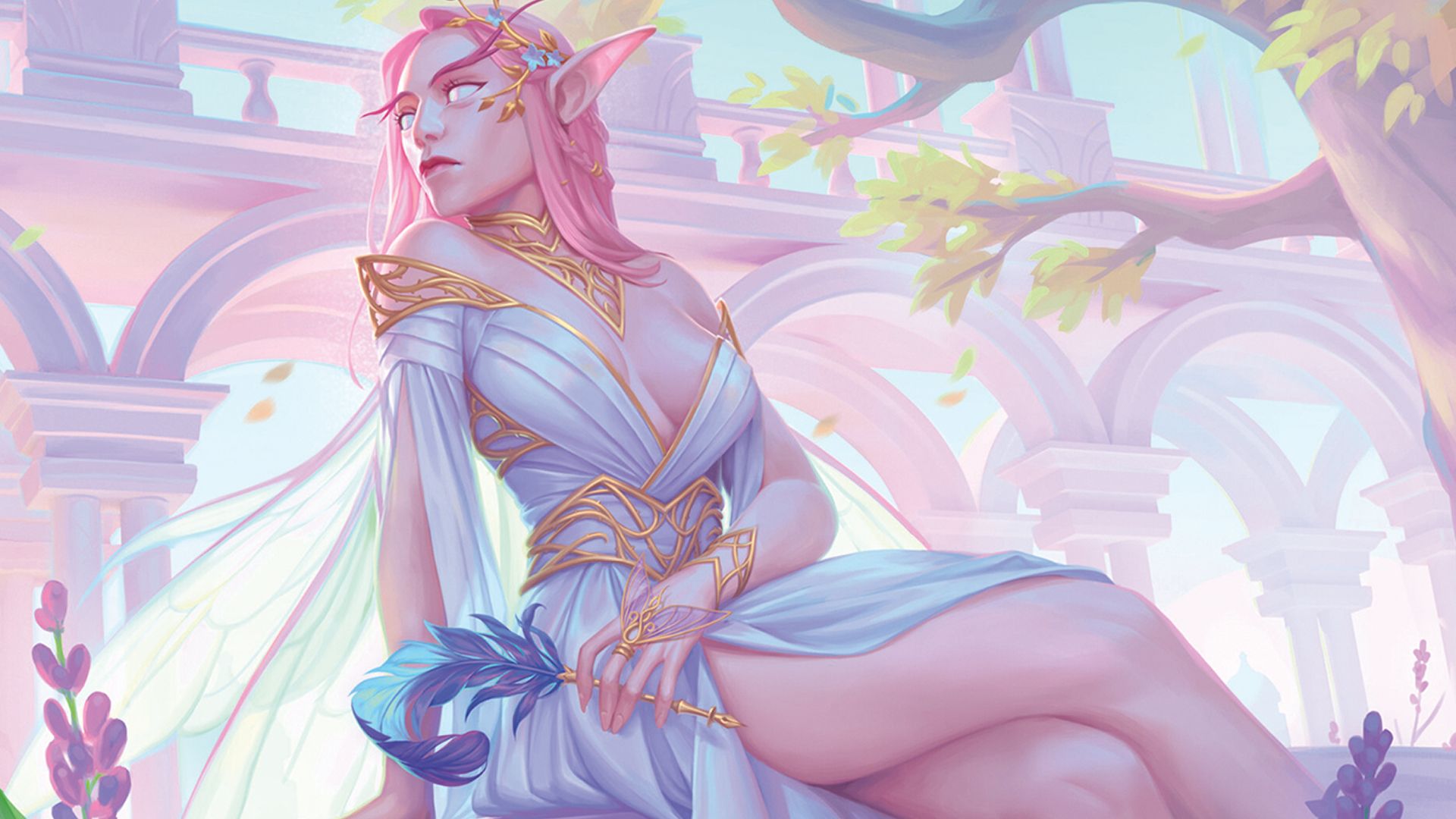
In Elven Queen, Kirillova pivoted toward a more restrictive color palette. The challenge here was to maintain depth while relying heavily on a "high-key" range—meaning she worked primarily with lighter, brighter values. In traditional art, losing contrast in a light-heavy palette is a common pitfall. Kirillova overcame this by carefully manipulating light sources and shadows, proving that one does not need deep blacks to create a sense of dimension and atmosphere.
4. Mena: The Architecture of Composition
The piece Mena represents what the artist considers her favorite character to date. The work is a study in verticality and patience. Kirillova notes that the composition was the most difficult aspect of the process, requiring extensive iteration to find the perfect angle and pose. The result is a portrait that feels grounded and intentional, demonstrating that even in digital art, the "pre-production" phase of sketching and planning is where the soul of the piece is forged.
Industry Implications: The Evolution of Digital Tools
The professional trajectory of an artist like Polina Kirillova highlights a broader trend in the digital arts industry. As tools like Blender and Photoshop become more sophisticated, the distinction between "3D modeler" and "2D painter" is increasingly blurred. Artists are now expected to be multidisciplinary, leveraging 3D blocking to establish perspective before applying 2D painterly textures.
For those looking to follow in Kirillova’s footsteps, the barrier to entry is lower than ever, yet the requirement for a strong foundation in traditional art principles—color theory, anatomy, and composition—has never been higher. As Kirillova demonstrates, the software is merely the medium; the art lies in the artist’s ability to manipulate these digital tools to evoke an emotional response.
Empowering the Next Generation of Artists
The shift toward digital nomadism and remote work within the gaming industry has allowed artists like Kirillova to thrive from their home bases in Europe, contributing to global projects while maintaining a distinct, personal artistic voice. This decentralization of the art world has brought to light a wealth of talent that might have otherwise gone unnoticed in the era of centralized studio hubs.
For students and aspiring professionals, the advice is clear: master your tools, but prioritize your vision. Whether you are using a top-tier Wacom Cintiq or an entry-level drawing tablet, the quality of your output remains tethered to your understanding of light, color, and storytelling.
Conclusion: The Future of Digital Fantasy
Polina Kirillova’s work serves as a reminder that digital art is a living, breathing discipline. By continuously challenging herself with limited palettes, difficult compositions, and new software integrations, she ensures that her work remains fresh and relevant in an industry defined by rapid change.
As she continues to explore the intersections of D&D lore, character design, and innovative color application, one thing is certain: the future of fantasy art is in capable, creative hands. For those inspired by her journey, the path forward is marked by rigorous practice, a willingness to experiment with new technologies, and, above all, an unwavering dedication to the expressive power of color.
For those interested in exploring the digital tools necessary to build their own worlds, it is essential to keep up with the latest hardware, from high-fidelity drawing tablets to the latest portable workstations designed for intensive rendering. Whether you are an illustrator, a 3D modeler, or an aspiring game designer, the right gear is the foundation upon which your creative career is built.
To keep pace with the latest trends, news, and technical tutorials in the world of digital illustration and game design, subscribe to industry-leading publications like ImagineFX. By staying informed about the evolving landscape of creative technology, you ensure that your skills remain as sharp as your creative vision.
 Nana Muazin
  rifanmuazin
  Lina Irawan