For millions of grocery shoppers, the morning routine begins with the familiar hiss of a vacuum-sealed bag or the crack of a freshly opened carton. Among budget-conscious consumers, Aldi has carved out a formidable reputation not only for offering high-end product copycats—ranging from coveted cookware dupes to premium cuts of meat—but also for its private-label grocery items that rival national brands in both taste and quality.
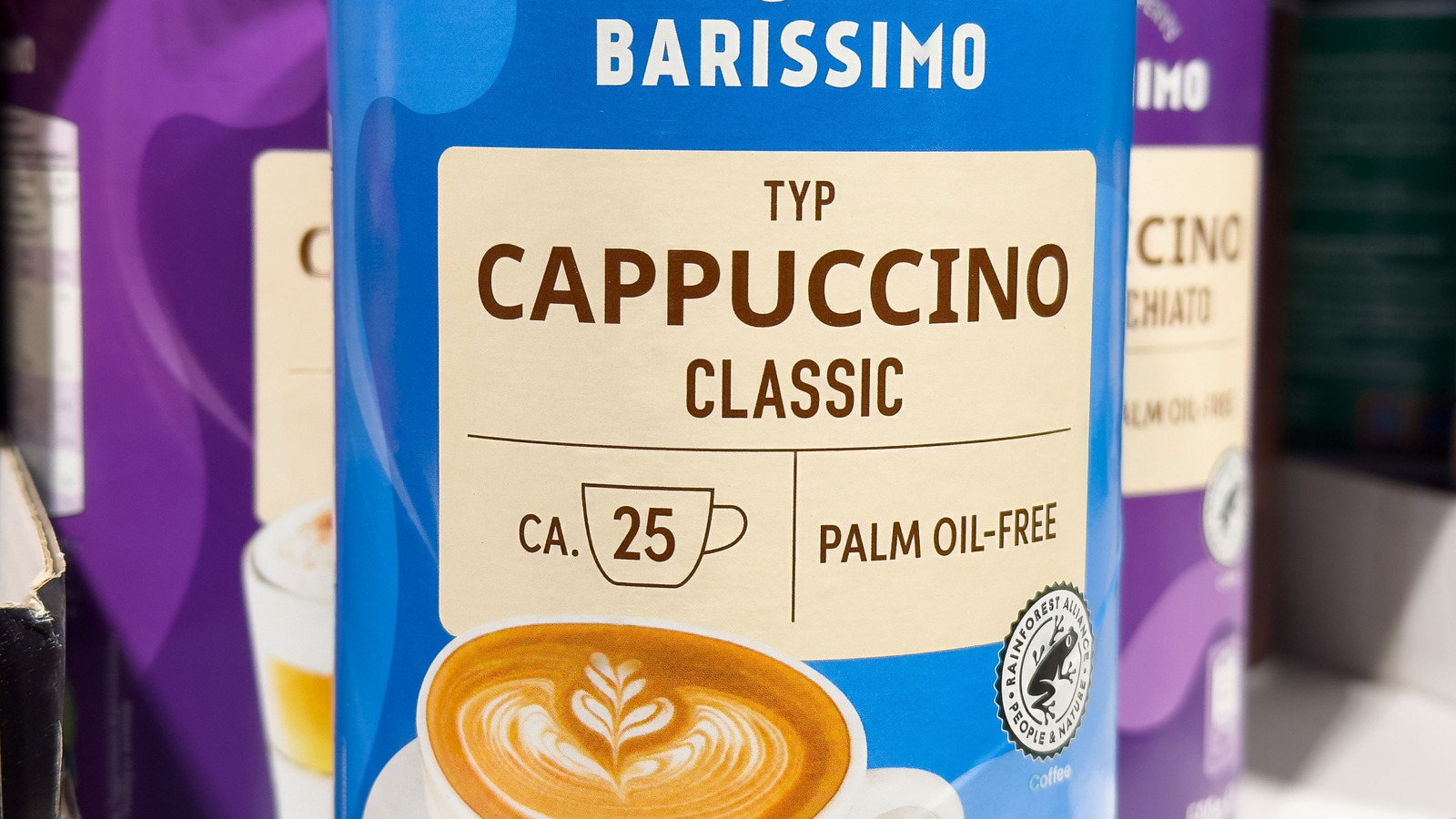
Chief among these household staples is Barissimo, Aldi’s house brand for coffee. Whether shoppers are stocking up on whole-bean varieties, ground flavored blends, or convenient ready-to-drink iced coffee cartons that require nothing more than a handful of ice cubes, Barissimo has become a fixture in kitchen pantries.
Yet, behind the sleek packaging and competitive price point lies a massive, decades-long international supply chain. Who is actually roasting the beans that power America’s Aldi shoppers every morning? The answer leads directly to Germany, where a historic roastery named NewCoffee has quietly operated as the silent engine behind the Barissimo brand.
Main Facts: The Anatomy of the Aldi-NewCoffee Alliance
At first glance, Barissimo appears to be just another proprietary private-label brand created by a major retail chain. However, the operational reality is far more complex, relying on an established partnership between retail giants and industrial-scale manufacturing.
The Producer: NewCoffee, a prominent German coffee roastery based in Ketsch, Baden-Württemberg.
The Retailer: Aldi Süd and Aldi Nord, the parent companies governing the global network of Aldi discount supermarkets. (In the United States, all Aldi stores are owned and operated by Aldi Süd).
Scale of Production: NewCoffee produces and ships more than 35,000 metric tons of coffee annually, servicing global retail stores, commercial bakeries, and automated vending machine operators.
Product Range: The partnership yields a diverse portfolio for Barissimo, encompassing whole beans, standard and flavored ground coffees, and ready-to-drink (RTD) dairy and plant-based coffee beverages.
Ethical and Environmental Standards: The collaboration emphasizes certified sustainability, utilizing frameworks such as Fairtrade, Fair Trade USA, Organic, and Rainforest Alliance, alongside industrial certifications like IFS and ISO (50001, 45001, 14001).
Chronology: The Evolution of a Global Coffee Partnership
To understand how a regional German roastery became the driving force behind a major international supermarket brand, it is necessary to examine the historical trajectory of NewCoffee and its integration into the broader Aldi corporate ecosystem.
1960–1990s: Industrial Foundations in Germany
NewCoffee’s history in the European coffee processing sector stretches back to 1960. Originally established as a regional player in Germany, the company built its reputation on precision roasting, large-scale blending capabilities, and strict quality control. During these formative decades, the German coffee market was experiencing rapid modernization, shifting from specialty local roasting houses to centralized industrial facilities capable of supplying discount supermarkets with uniform, high-volume products.
The Turning Point: Partnering with Aldi Süd
As discount retail chains like Aldi expanded rapidly across Europe, they required reliable, high-capacity suppliers who could maintain stringent quality standards while keeping consumer prices low. NewCoffee initially secured its position by supplying ALDI SÜD with private-label coffee lines. This foundational B2B (business-to-business) relationship allowed NewCoffee to scale its infrastructure, investing heavily in advanced roasting technology and automated packaging lines.
2000s–Present: Global Expansion and Diversification
Over the subsequent decades, as Aldi split into its dual corporate entities—Aldi Süd and Aldi Nord—NewCoffee’s footprint expanded. Today, the roastery supplies both retail factions, effectively bridging the supply chain for millions of shoppers across Europe, the United States, and beyond. In addition to powering Aldi’s private labels, NewCoffee diversified its commercial reach, supplying independent bakeries, hospitality chains, and industrial vending machine operators. The introduction of the Barissimo brand marked a critical turning point for international markets, packaging decades of German roasting expertise into a distinct identity tailored for the modern consumer.
Supporting Data: Volume, Certifications, and Manufacturing Standards
Operating at a scale that exceeds 35,000 metric tons of coffee per year requires rigorous operational frameworks. NewCoffee’s facilities are not merely high-output factories; they are heavily audited centers designed to meet international standards for food safety, energy efficiency, and labor rights.
1. Volume and Distribution Metrics
Annual Output: Over 35,000 metric tons of processed coffee beans.
Global Reach: Millions of units distributed annually across thousands of Aldi locations worldwide.
Consumer demand for transparency in the coffee industry has skyrocketed over the past decade. Coffee farming is notoriously vulnerable to labor exploitation and climate volatility. To mitigate these risks, NewCoffee incorporates multiple third-party verification standards:
Fairtrade & Fair Trade USA: Ensures that small-scale farmers receive fair minimum prices and social premiums to invest in their communities.
Organic Certification: Guarantees that beans are grown without synthetic fertilizers or harmful chemical pesticides, protecting local topsoils and water tables.
Rainforest Alliance: Focuses on biodiversity conservation, sustainable farm management, and the welfare of rural workers.
3. Manufacturing and Environmental Standards
Within the Ketsch roasting facility, production processes adhere to strict industrial benchmarks:
IFS (International Featured Standards): Ensures food safety and quality throughout the manufacturing and packing process.
ISO 50001: Focuses on energy management systems, helping the facility continuously reduce its carbon footprint and optimize power consumption during the energy-intensive roasting phase.
ISO 45001: Establishes occupational health and safety management systems to protect factory workers.
ISO 14001: Outlines environmental management parameters, minimizing waste generation, maximizing water conservation, and promoting material recycling.
Official Responses: Corporate Transparency and Sourcing Philosophy
As private-label items face increasing scrutiny from consumers who want to know the true origin of their food, corporate stakeholders have become more vocal about their supply chain partnerships.
The Aldi Perspective
In an official corporate statement detailing the strategic partnership, representatives from the ALDI SÜD Group—which oversees U.S. operations—emphasized that affordability should never come at the expense of ethics.
"Our goal as a company is not only to deliver first-class products, but also to ensure fair working conditions and environmentally friendly production along our coffee supply chain," the company stated. "To drive change, the ALDI SÜD Group supports direct sourcing models and purchases most of its coffee from certified sources."
This sentiment reflects a broader industry shift where discount retailers are heavily incentivized to prove that their low prices are the result of supply chain efficiency and high-volume logistics, rather than exploitative labor practices in developing nations. By partnering with an established European roaster like NewCoffee, Aldi aims to guarantee a standardized audit trail from coffee cherry to retail shelf.
The NewCoffee Philosophy
NewCoffee mirrors this corporate ethos through its public-facing commitment to responsible manufacturing. By marketing itself as an environmentally conscious partner, the company highlights that large-scale industrial roasting can coexist with sustainability. From capturing thermal energy during the roasting cycle to sourcing exclusively from certified cooperatives, NewCoffee positions itself as an essential steward of the bean’s lifecycle.
Implications: What This Means for the Everyday Consumer
For the average grocery shopper standing in the coffee aisle, understanding the machinery behind the Barissimo brand offers several practical takeaways.
1. High Quality at Discount Prices
The persistent myth that lower-priced private-label goods are inherently inferior is dismantled by supply chain realities like the Aldi-NewCoffee partnership. Because NewCoffee operates at an immense industrial scale (processing tens of thousands of metric tons annually), economies of scale allow Aldi to price Barissimo aggressively. Shoppers are essentially buying expertly roasted, European-engineered coffee without paying the markup traditionally associated with flashy national marketing campaigns.
2. Conscientious Consumption
For socially conscious consumers, the presence of Fairtrade, Organic, and Rainforest Alliance seals on Barissimo packaging provides reassurance. While budget-friendly shopping often forces compromises, the integration of certified ethical sourcing means that purchasing a $5 bag of Aldi coffee does not automatically mean turning a blind eye to farmer welfare or environmental degradation.
3. Consistency in Every Cup
Whether a consumer opts for a whole-bean dark roast, a flavored ground blend, or a ready-to-drink iced carton, the centralization of production through NewCoffee ensures uniformity. The rigorous application of ISO and IFS manufacturing standards means that the taste profile remains reliable across seasonal harvests and international shipping lines.
Ultimately, the next time you pour a morning cup of Barissimo, you are experiencing the culmination of a trans-continental pipeline: decades of German industrial roasting expertise, cooperative farming practices across the global coffee belt, and a retail strategy designed to deliver quality straight to your cup without emptying your wallet.

 By Nana Muazin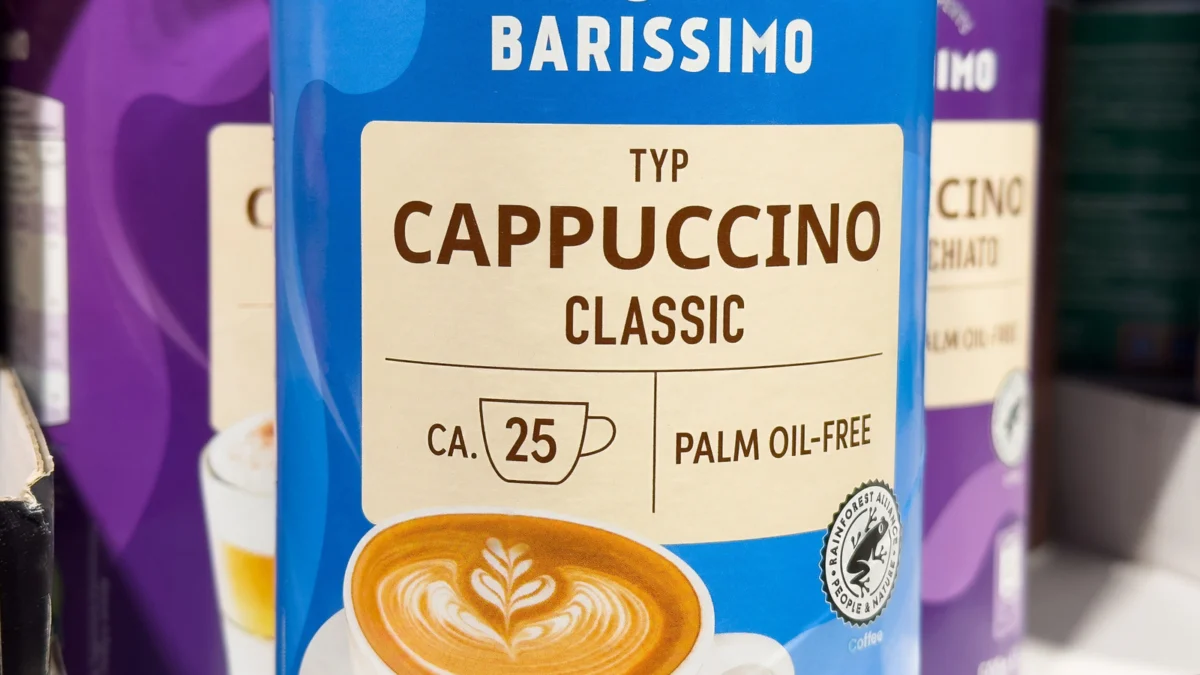
 Iffa Jayyana
  Evan Lee Salim
  Nila Kartika Wati