
 By Evan Lee Salim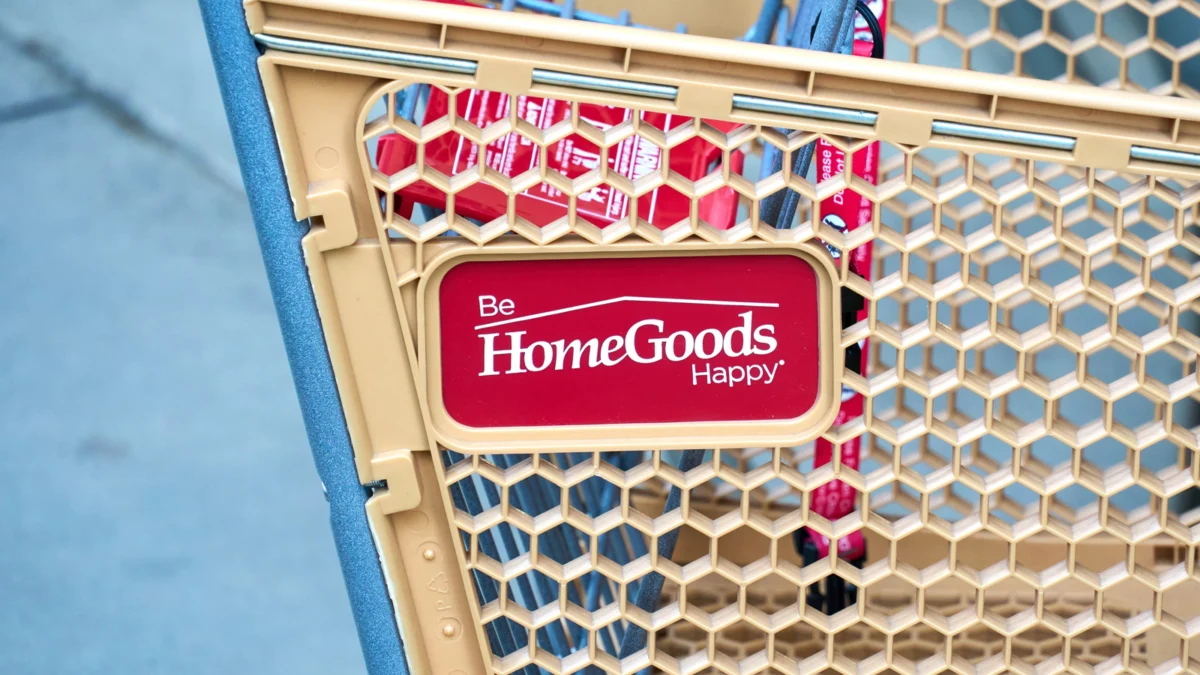
By Retail & Culture Desk
Published: May 2024
Main Facts
For decades, discount home goods retailers like HomeGoods, Ross, and Macy’s have served as treasure troves for bargain hunters, interior design enthusiasts, and holiday decorators. However, a new retail phenomenon has gripped social media and sent collectors scrambling: the sudden, elusive appearance of Lenox Spice Village-themed kitchen and table linens.
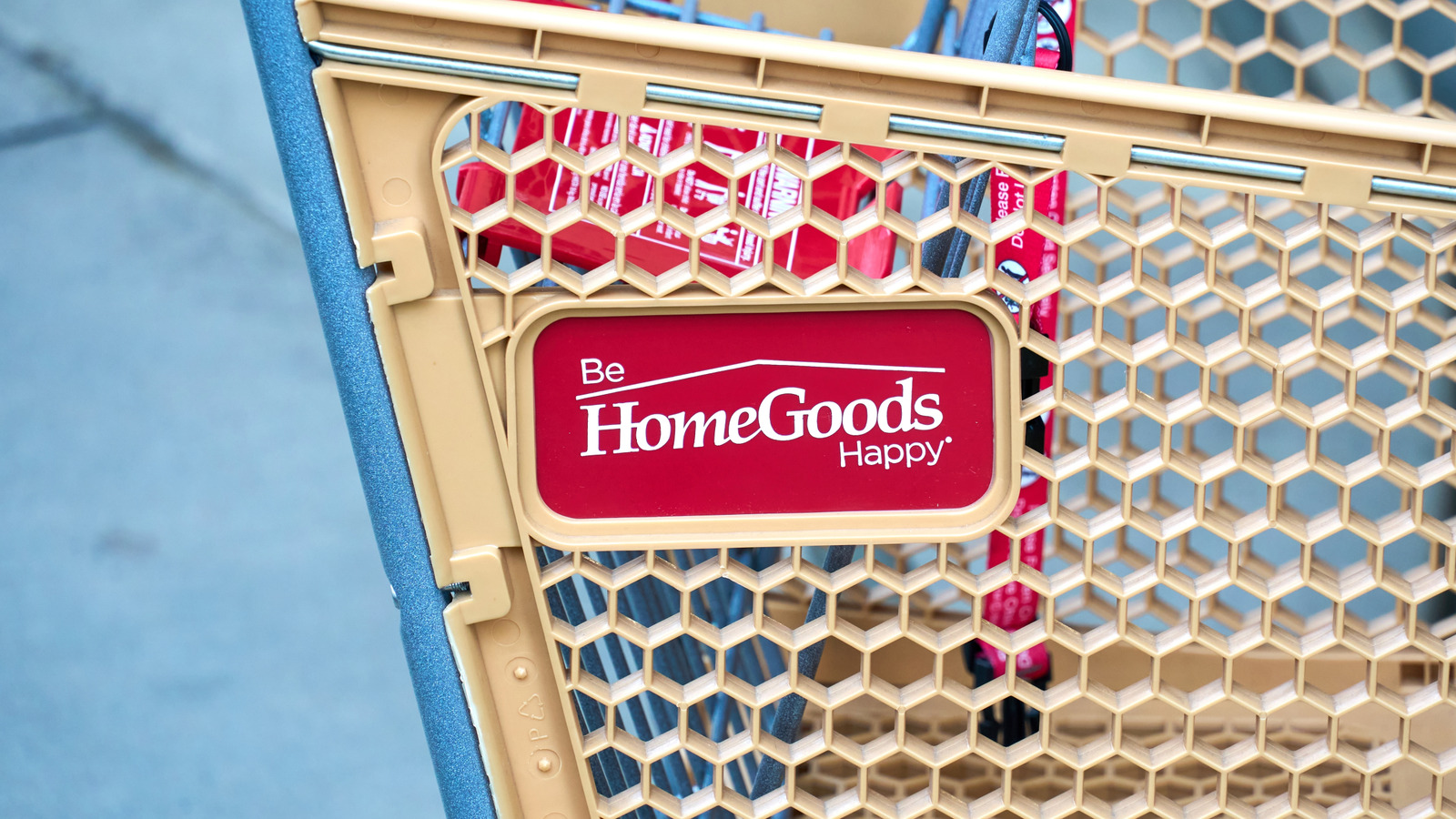
Originally popularized by a viral TikTok video shared by shopping influencer @boujeefindsofficial in April, savvy shoppers have flooded brick-and-mortar storefronts in search of the whimsical, highly sought-after motif. While the ceramic spice jars that started the craze rarely grace discount retail shelves, matching table runners, placemats, napkins, and other homeware bearing the iconic miniature-house design are turning up unpredictably—and disappearing just as fast.
The frantic search highlights a broader cultural obsession with 1980s and ’90s nostalgia, the power of viral social media marketing, and the thrill of the modern retail "treasure hunt." With official items from the Lenox website frequently selling out, discount stores have become the unexpected frontlines for interior design enthusiasts determined to secure a piece of the viral aesthetic.
Chronology: The Evolution of a Cultural Phenomenon
To understand the current frenzy in HomeGoods aisles, one must trace the timeline of the Lenox Spice Village from its humble origins over three decades ago to its modern-day resurgence on short-form video platforms.
1889: The Foundation of American Fine China
The story begins with the establishment of the Lenox company in 1889. Founded with a vision to bring high-end ceramic art and dinnerware to the American market, Lenox steadily built a reputation for exquisite craftsmanship. Over the decades, the brand achieved legendary status, famously producing official presidential state dinnerware for the White House, elegant holiday tableware, and collectible Disney figurines.
1989: The Birth of the Spice Village
One hundred years after its founding, Lenox released a product line that would alter its legacy forever: the Spice Village. Introduced in 1989, the collection featured a series of fine porcelain spice containers, each meticulously hand-painted to resemble a charming miniature house. Each "house" was labeled with a specific spice—such as cinnamon, nutmeg, or basil—and boasted distinct architectural details, pastel color palettes, and tiny ceramic roofs. Sold primarily through subscription models or direct-to-consumer catalogs typical of the era, the collection became an instant hit in suburban kitchens across the United States.
The 2010s: The Vintage Revival and Secondary Market Boom
As minimalism swept through interior design in the 2000s, many original Spice Village sets were packed away in attics or donated to thrift stores. However, the cultural pendulum swung back dramatically in the late 2010s. Millennial and Gen Z consumers, harboring a deep affection for maximalist, cozy, and nostalgic aesthetics, rediscovered the charm of 1980s and ’90s Americana. Original sets began fetching hundreds—and sometimes thousands—of dollars on resale platforms like eBay, Etsy, and Mercari, transforming a quaint kitchen accessory into a high-stakes collector’s item.
2024: The Official Second Edition and Web Sell-Outs
Recognizing the massive, digitally fueled demand, Lenox officially released a second edition of the Spice Village line in 2024. The reissue was met with overwhelming consumer enthusiasm. Demand quickly outstripped supply, causing the new items to consistently sell out on the official Lenox website. Desperate to capture the aesthetic without paying exorbitant reseller markups, fans began looking toward traditional brick-and-mortar retail stores and discount chains.
April 2024 – Present: The HomeGoods TikTok Gold Rush
The current retail craze reached a fever pitch in April 2024, when TikTok user @boujeefindsofficial posted a video showcasing Lenox Spice Village-themed table linens—including runners and placemats—spotted inside a HomeGoods store. The video quickly went viral, racking up hundreds of thousands of views and sparking copycat shopping excursions across the country. Soon, shoppers began reporting similar sightings at discount competitors like Ross and department stores like Macy’s, turning casual shoppers into obsessive "treasure hunters."
Supporting Data & Market Analysis
The hysteria surrounding the Lenox Spice Village line is not merely an isolated internet trend; it is backed by shifting consumer behaviors, supply chain realities, and digital marketing dynamics.
- The Resale Economy: On secondary marketplaces, complete, pristine original 1989 Lenox Spice Village sets routinely command prices between $400 and $1,000, depending on the condition and completeness of the collection (which typically included 24 individual spice houses).
- Digital Influence: According to retail analytics, hashtags related to
#SpiceVillageand#HomeGoodsFindshave generated tens of millions of views on TikTok and Instagram, directly correlating with foot traffic spikes at brick-and-mortar locations. - The "Treasure Hunt" Retail Model: Stores like HomeGoods, TJ Maxx, and Ross operate on an opportunistic inventory model. They do not manufacture goods or maintain predictable stock lists; instead, they purchase overstock, closeouts, and off-season inventory from major brands (including Lenox). This means that finding a specific item like a Lenox table runner is entirely a game of chance, which dramatically increases the psychological reward for the consumer.
- Celebrity Endorsement: The cultural cachet of the line received a massive boost when lifestyle and housekeeping icon Martha Stewart endorsed the collection on Instagram, cementing its status as both a functional kitchen accessory and an elite design collectible.
Official Responses and Industry Perspectives
Retail analysts and brand representatives have weighed in on the unexpected synergy between a legacy fine-china manufacturer and off-price retail giants.
Retail industry observers note that companies like Lenox are navigating a delicate balancing act. On one hand, maintaining the brand’s prestigious heritage—associated with the White House and high-end department stores—is crucial. On the other hand, capitalizing on the viral youth-driven nostalgia market through secondary product lines (like textiles, mugs, and seasonal decor) offers unprecedented revenue streams.
A retail merchandising expert, speaking anonymously about off-price inventory strategies, explained the phenomenon:
"When a brand like Lenox reissues a legacy product or expands its pattern licensing into soft goods like table linens, excess or trial production runs frequently end up in the liquidation and closeout pipeline. Off-price retailers are the ultimate beneficiaries of this. They get high-name-recognition merchandise that instantly draws digital natives into physical stores, while consumers get the dopamine rush of finding a luxury-adjacent item at a steep discount."
Lenox representatives have acknowledged the unprecedented demand for the Spice Village reissues, attributing the phenomenon to a multi-generational appreciation for whimsical, story-driven home decor. Meanwhile, store managers at HomeGoods locations nationwide report an influx of customers asking specifically for the Lenox collection within minutes of morning opening times.
Implications: What the Trend Means for Retail and Consumers
The craze over Lenox Spice Village items at HomeGoods carries several broader implications for the retail landscape, interior design trends, and consumer psychology.
1. The Death of Predictable Retail and the Rise of "Sport Shopping"
Consumers are increasingly turning away from traditional e-commerce for home goods, seeking instead the entertainment value of physical stores. The thrill of hunting down a rare item—often referred to as "retail gamification" or "sport shopping"—keeps brick-and-mortar stores relevant in an increasingly digital world. When a shopper finds a rare Lenox table runner hidden beneath a stack of generic placemats, the shopping trip transforms from a mundane chore into a genuine victory.
2. The Power of Gen Z and Millennial Nostalgia
The resurgence of 1980s and ’90s motifs underscores a psychological flight to comfort. In an era marked by economic uncertainty and digital fatigue, young adults are gravitating toward items that evoke a sense of warmth, childhood innocence, and tangible permanence. The pastel roofs and quaint chimneys of the Spice Village offer a visual antidote to the sterile, monochromatic minimalist trends of the past decade.
3. The Cross-Pollination of Luxury and Off-Price Retail
Historically, fine china and discount home goods lived in entirely different retail ecosystems. The appearance of Lenox-branded textiles in HomeGoods and Ross proves that luxury heritage brands can successfully bridge the gap with mass-market discount consumers without necessarily diluting their core brand equity—provided the secondary items are treated as exclusive, hard-to-find treasures.
Looking Ahead
As long as viral videos continue to highlight rare inventory drops, the early-morning rushes at HomeGoods will persist. For collectors and casual decorators alike, the hunt for the Lenox Spice Village motif has become more than just a search for home decor—it is an active participation in a modern cultural moment where digital community and physical retail serendipity collide. Whether you manage to secure a table runner or walk away empty-handed, the journey through the aisles has proven that the thrill of the chase is very much alive.
 Iffa Jayyana
  Nila Kartika Wati
  Ali Ikhwan