
 By Asro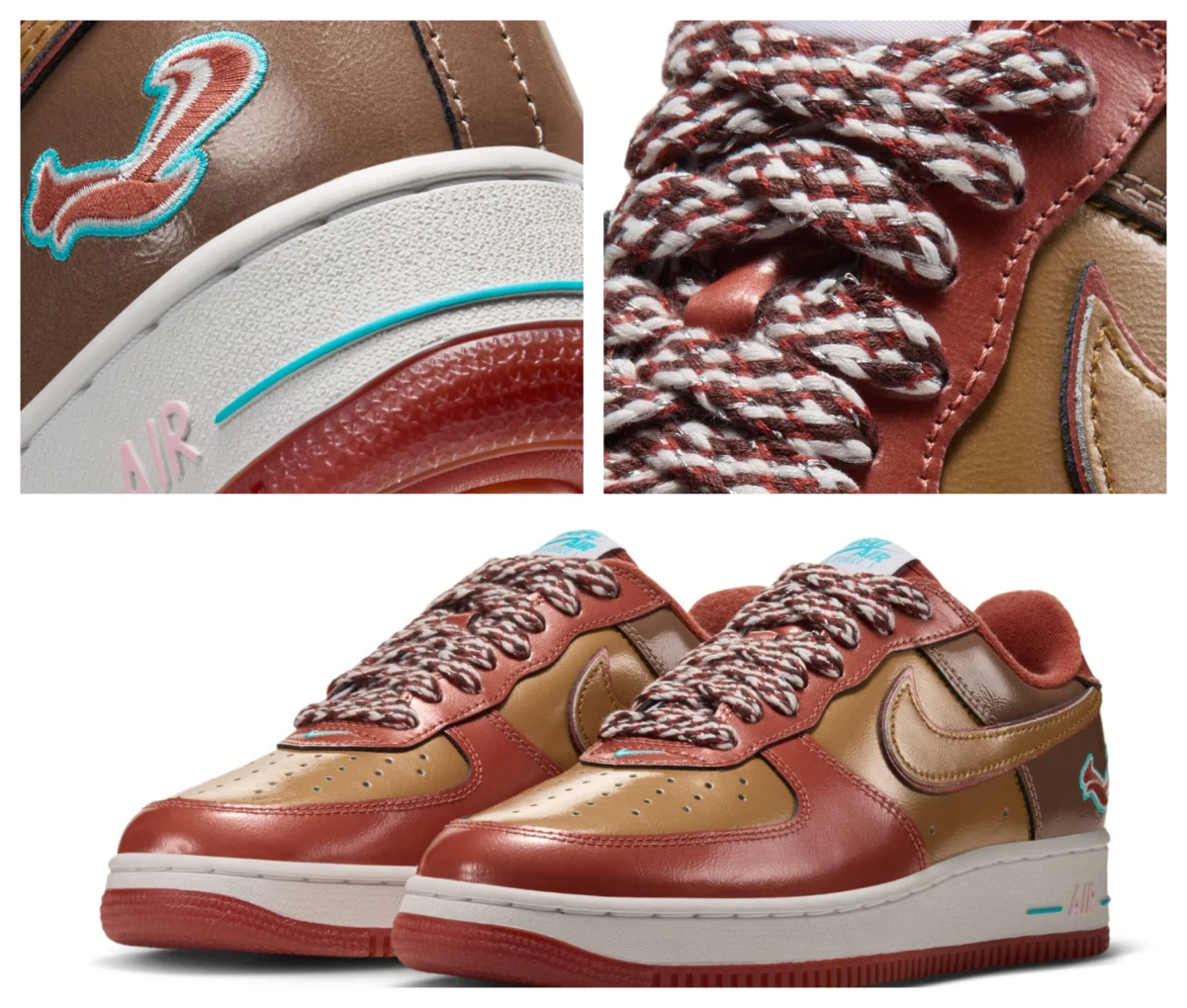
The landscape of contemporary streetwear is currently witnessing a masterclass in cross-generational collaboration. Nike, the perennial titan of athletic footwear, has deepened its strategic partnership with Japanese fashion visionary Nigo, this time recruiting global cultural phenomenon J-Hope of BTS to revitalize the iconic Air Force 1 silhouette. This latest iteration, dubbed the "Air Force 1 ’01," is not merely a product launch; it is a meticulously curated piece of storytelling that bridges the gap between 1990s Harajuku street culture and the digital-first, globalized pop-music influence of the 2020s.
Main Facts: A Tripartite Vision
The collaboration marks the next significant chapter in Nigo’s ongoing "Air Force 1 World Tour," a multi-season initiative that has seen the designer reinterpret the classic sneaker through various cultural lenses. The J-Hope x Nigo x Nike Air Force 1 ’01 serves as a high-octane intersection of athletic performance, archival fashion, and celebrity-led design.
The sneaker itself is a visual testament to this synergy. It features a striking, high-gloss leather upper finished in a "burnt sunrise" hue, offset by metallic gold accents. The choice of material is deliberate; the enamel finish provides a premium, reflective quality that shifts under light, while "chlorine blue" detailing adds a playful, modern contrast. Perhaps the most distinct feature is the inclusion of whimsical squirrel graphics—a recurring motif that serves as a personal shorthand for J-Hope’s high-energy, infectious personality. Beyond the colorway, the design incorporates unique shoelace hardware that departs from standard industry norms, signaling a departure from the "vanilla" sneaker drops that have dominated the market in recent years.
The release strategy is equally calculated to maximize impact. The limited-edition silhouette will see an exclusive launch on October 27 via Humanmade.jp, Nigo’s own digital storefront, followed by a broader, global release on October 22 through Nike’s SNKRS platform and select global boutiques.
Chronology: The Evolution of the "World Tour"
To understand the significance of this release, one must look back at the trajectory of Nigo’s re-engagement with Nike. The "World Tour" initiative officially commenced in May, signaling a monumental shift in the industry as Nigo—long associated with the Adidas ecosystem—cemented his relationship with the Swoosh.
The inaugural release in this series was deeply rooted in nostalgia. Drawing inspiration from "LO2," a magazine column penned by Nigo and fellow design luminary Jun Takahashi in the early 1990s, the first phase of the tour established a narrative of archival respect. It framed the Air Force 1 as a canvas for history, focusing on the vintage aesthetics that defined the early days of streetwear.
Following that, the tour began to expand its scope, shifting from historical reflection to contemporary cultural integration. By bringing J-Hope into the fold, Nigo has effectively transitioned the project from a "legacy" endeavor to a forward-looking movement. This progression suggests that the Air Force 1 World Tour is intended to function as a living archive, where each collaborator provides a chapter that reflects their specific influence on global culture.
Supporting Data: The Power of the BTS Catalyst
The decision to partner with J-Hope is supported by a wealth of data regarding the intersection of K-pop influence and luxury consumption. BTS members have consistently proven to be the most potent catalysts in modern fashion marketing, with each member’s individual aesthetic preferences moving billions of dollars in market value.
J-Hope, in particular, represents a specific demographic of the "creative professional." Unlike some brand ambassadors who act as passive faces, J-Hope’s involvement in the design process—specifically his input on the "enamel material color" and the bespoke shoelace hardware—positions him as a co-creator rather than a spokesperson.
For Nike, this partnership is a play for relevance among Gen Z and Alpha cohorts. While the Air Force 1 is an omnipresent silhouette, its "cool factor" is maintained through constant reinvention. By marrying the technical prowess of Nike’s manufacturing with the creative direction of Nigo and the massive, hyper-engaged audience of J-Hope, Nike effectively immunizes the Air Force 1 against market saturation.
Official Responses and Creative Philosophy
The synergy between the three parties is perhaps best articulated by the collaborators themselves. Nigo, who has spent three decades at the helm of cultural movements like A Bathing Ape and Human Made, views this project as a baton-passing exercise.
"J-Hope is one of the few people who can become a true ambassador for culture and help carry it forward to the next generation," Nigo remarked during the announcement. His comments underscore a desire to maintain the sanctity of street culture while ensuring it remains accessible and exciting to a youth audience that consumes fashion through digital screens and social media snippets.
J-Hope’s feedback on the process highlights a collaborative respect. "I really like the harmony of the enamel material color that Nigo expressed," he stated. "And the special shoelace details that I haven’t seen often bring out the charm of the sneakers even more." This statement reveals a mutual appreciation for the nuance of the product—the "charm" of the sneaker is not found in a massive logo, but in the tactile finish and hardware details.
Implications: The Future of Collaborative Footwear
The implications of this collaboration are twofold: first, it confirms that the "celebrity designer" era is evolving into a "celebrity architect" era, where artists are expected to have a granular, technical understanding of their product. Second, it reaffirms the Air Force 1’s position as the most adaptable sneaker in history.
The Shift in Marketing Paradigms
The collaboration signals a move away from the "drop culture" fatigue that has plagued the sneaker industry since 2020. Rather than relying on scarcity alone, the Nigo x Nike x J-Hope model relies on intent. By tying the product to a specific narrative—the World Tour—the companies are creating a sense of collectible value that transcends simple resale flipping.
Cultural Longevity
For Nike, the goal is to ensure that the Air Force 1 remains as culturally relevant in the next decade as it was in the last. By aligning with Nigo, they are tapping into the "original" streetwear credibility, while J-Hope provides the "modern" cultural weight. This dual-pronged approach is likely to become the blueprint for future high-profile collaborations.
Furthermore, the involvement of a global icon like J-Hope ensures that the product gains traction across diverse markets, from the traditional fashion capitals of Paris and Tokyo to the rapidly growing consumer bases in Southeast Asia and South America. The "World Tour" moniker is not just a marketing gimmick; it is an accurate reflection of the global reach that this specific trio of partners commands.
Conclusion: A New Standard
As we look toward the launch dates in October, the expectations surrounding the J-Hope x Nigo x Nike Air Force 1 ’01 are undeniably high. The sneaker stands as a symbol of what happens when institutional manufacturing power meets independent creative vision and global cultural influence.
Whether these sneakers become daily drivers for fans or vaulted items for collectors, their impact on the footwear landscape is already secured. By successfully blending the past (Nigo), the present (J-Hope), and the enduring platform (Nike Air Force 1), this collaboration has managed to do the impossible: make an ubiquitous sneaker feel fresh, urgent, and deeply personal. As the Air Force 1 World Tour continues to move across the globe, it serves as a reminder that in the world of fashion, the most powerful tool is not just a brand name, but the ability to tell a story that resonates with generations across the map.
 Iffa Jayyana
  Siti Muinah
  Lina Irawan