
 By Iffa Jayyana
In the high-stakes theater of modern e-commerce, the inbox has become a digital battlefield. As seasonal peaks like Black Friday, Valentine’s Day, and the winter holidays approach, consumer inboxes transform into a chaotic landscape of aggressive subject lines: "50% OFF EVERYTHING," "LAST CHANCE," and "DON’T MISS OUT." For the average subscriber, the reflexive response is a rapid-fire sequence of deletions.
However, seasonal email campaigns do not have to be a desperate, volume-based assault on your customers. When executed with precision, these campaigns serve as a vital bridge between brand identity and revenue growth, transforming routine promotional blasts into opportunities for deepening customer loyalty. The secret to sustainable success is not selling less; it is selling smarter.
The Strategic Imperative: Why Traditional Tactics Are Failing
The "shout-to-be-heard" model of email marketing—characterized by massive, generic discounts and high-pressure, fear-based subject lines—is suffering from diminishing returns. As consumers become increasingly desensitized to manufactured urgency, brands that rely solely on price-slashing are witnessing lower open rates and higher unsubscribe spikes.
Professional marketers now argue that the most successful seasonal campaigns are those that prioritize relationship equity over immediate conversion. By pivoting from a transactional mindset to a relational one, businesses can maintain high engagement levels even during the most saturated retail windows.
Chronology of a Successful Seasonal Campaign
The effectiveness of a campaign is often determined long before the first email is sent. The industry standard for a high-performing seasonal strategy follows a structured, three-phase timeline:
Phase 1: The Foundation (Pre-Season)
Effective planning begins weeks, if not months, in advance. A robust content calendar is the backbone of this phase. Founders should map out significant seasonal moments relevant to their specific niche—ignoring the "National Sock Day" noise in favor of events that resonate with their brand’s core mission.
Phase 2: The Engagement (The "Give-and-Take" Approach)
A critical rule for sustainable growth is the 2:1 ratio: for every promotional email sent, brands should provide at least two pieces of content that educate, entertain, or inspire. This "give-and-take" philosophy ensures that when a sales-oriented email eventually lands, the subscriber perceives it as a valuable offer rather than an intrusion. By consistently providing value without asking for a transaction, brands build the psychological capital necessary to convert when the stakes are higher.
Phase 3: The Conversion (Execution)
Once trust is established, the final phase involves executing the sales-heavy content. This is where personalized messaging and urgency play their roles, provided they are rooted in authentic storytelling rather than manufactured panic.
The Power of Story: Transforming Context into Currency
The most common mistake founders make is leading with the discount. While a "30% off" banner is direct, it is also indistinguishable from the dozen other brands competing for the same attention.
Research from marketing analytics firms consistently underscores the superiority of narrative. Studies suggest that humans retain approximately 63% of information presented in a story, compared to a mere 5% retention for raw statistics or standalone sales pitches.
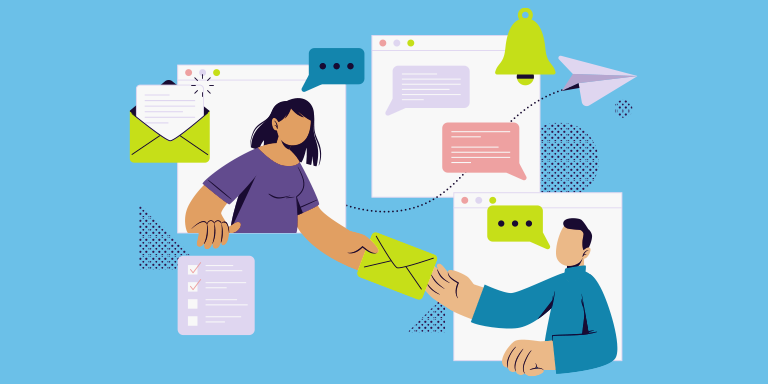
Example: Instead of an email titled "20% Off Our Summer Collection," a more effective approach is to anchor the product in a lifestyle narrative: "We designed this piece for those long, sun-drenched weekends where you want to look effortless." By providing context, the brand transforms the product from a commodity into a solution, making the discount feel like a bonus rather than the sole reason for the email’s existence.
Supporting Data: Why Precision Beats Proliferation
Segmentation is no longer a "nice-to-have" feature; it is an economic necessity. Modern consumer behavior data shows that personalized content leads to higher conversion rates, yet many brands still employ the "blast and pray" method.
By segmenting lists based on purchase history, engagement frequency, and browsing behavior, marketers can tailor the message to the recipient’s specific relationship with the brand. A first-time subscriber requires an introduction to the brand’s values, while a repeat customer expects, and deserves, early access or a loyalty-based reward.
The integration of advanced marketing automation tools has made this level of precision accessible even to solo founders. By utilizing data-driven filters, businesses can ensure that a customer never feels like just another entry in a database.
Creating Authentic Urgency
Urgency remains one of the most powerful psychological triggers in commerce, but there is a fine line between authentic scarcity and manipulative desperation.
- The "Used Car" Trap: Subject lines like "YOU’LL REGRET MISSING THIS" often signal low-quality inventory or deceptive practices, damaging long-term brand equity.
- The "Exclusivity" Strategy: A more sophisticated approach uses early access. By allowing the most engaged subscribers to shop before the general public, brands foster a sense of privilege and community.
- Genuine Scarcity: If a product is truly limited, communicating that fact is not a "salesy" tactic—it is a service to the customer. When companies like Luu Lounge build anticipation for a drop, they are not chasing sales; they are managing demand. The result is a customer base that is actively waiting to buy, rather than one that needs to be coerced.
Implications for Future Growth: The Role of Automation
As the digital landscape evolves, the role of automation is to handle the heavy lifting so that founders can focus on the creative elements that actually drive connection. The future of email marketing belongs to those who view their subscribers as people, not transactions.
The shift toward automated, yet highly personalized, workflows allows founders to scale without sacrificing the human touch. By utilizing platforms like Omnisend, businesses can implement sophisticated segmentation and triggered workflows that run in the background, freeing up time to focus on product development and long-term strategy.
The Bottom Line
Seasonal campaigns are not a necessary evil; they are a necessary reflection of your brand’s maturity. By planning early, leading with stories, segmenting your audience, and building genuine anticipation, you move your email program out of the "spam" folder and into the "must-read" category.
For the modern founder, the goal is simple: create a conversation that is as valuable as the products being sold. When you treat your subscribers with respect, they won’t just click the link—they will become the advocates who build your business from the inside out.
Foundr readers looking to refine their email strategy can leverage specialized tools like Omnisend to automate these high-conversion workflows. For those looking to scale their efforts, using the code FOUNDR50 provides 50% off the first three months, offering a practical pathway to turning seasonal moments into consistent, sustainable revenue.
 Suro Senen
  Evan Lee Salim
  Ammar Sabilarrohman