
 By Pevita Pearce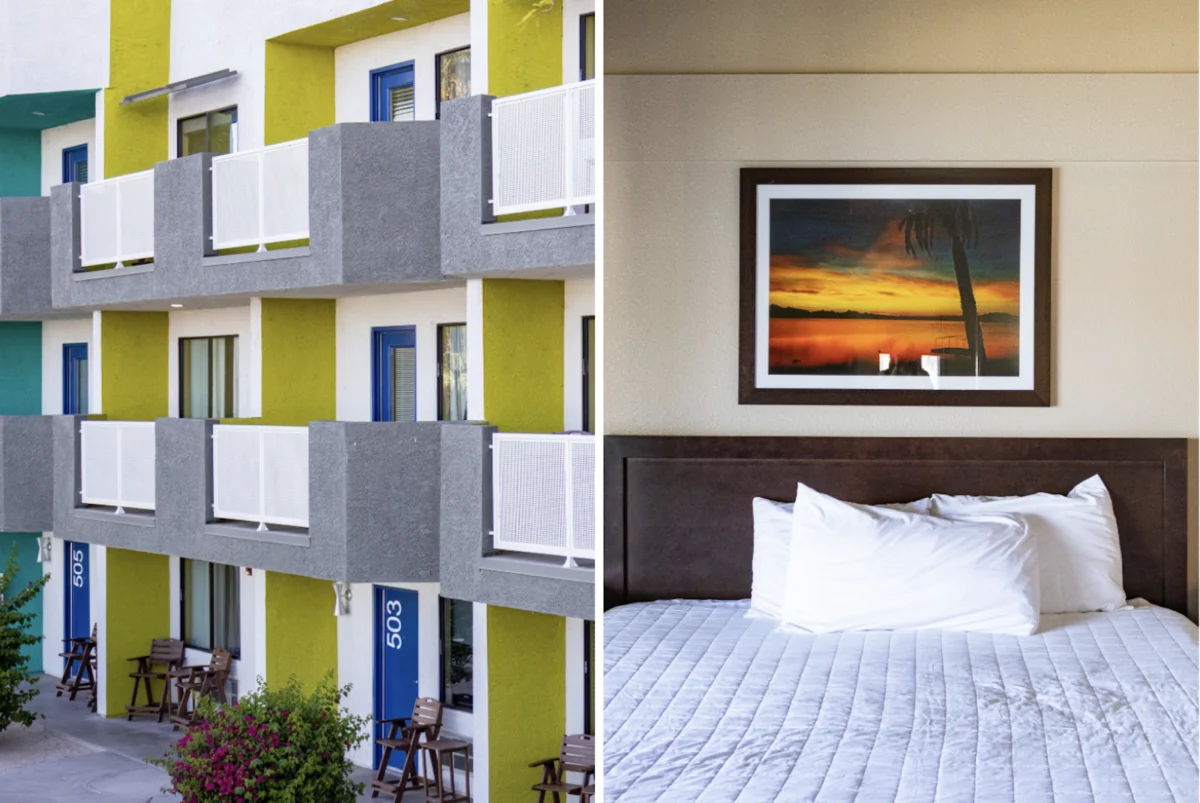
Known affectionately as "Arizona’s Playground," Lake Havasu City is a shimmering testament to mid-century ambition and desert ingenuity. Founded in 1963 by the visionary industrialist Robert P. McCulloch, the city was carved from the arid landscape of the Mojave Desert, transforming a remote stretch of the Colorado River into a thriving, sun-drenched sanctuary. At the center of this transformation stands The Nautical Beachfront Resort, a destination that has served as the city’s social and recreational anchor for over six decades.
As a traveler who has navigated countless corporate chain hotels, I arrived at The Nautical expecting a standard desert lodge. Instead, I discovered a vibrant, living institution—a place where generations of sun-seekers, families, and adventure-enthusiasts converge to celebrate the unique intersection of desert beauty and aquatic recreation.
Main Facts: A Legacy of Leisure
The Nautical Beachfront Resort holds the distinct title of being the only resort in the region with direct beach access to Lake Havasu. Since opening its doors in 1964—just one year after the city’s founding—the property has functioned as the gateway for prospective residents and vacationers alike.
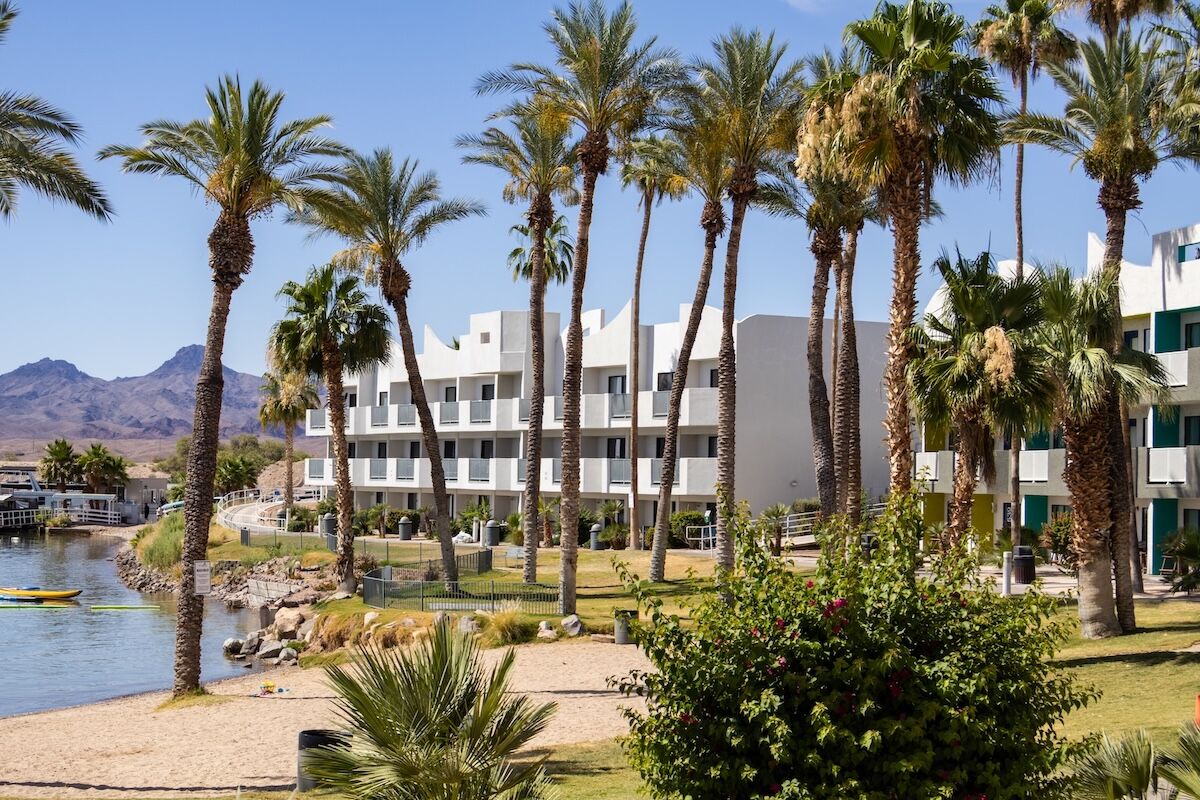
The lake itself is a marvel of 20th-century engineering. Created in the 1930s via the construction of the Parker Dam, the reservoir boasts 400 miles of rugged, picturesque coastline. Perhaps most impressive is the consistent water level maintained throughout the year, ensuring that the "Havasu" blue-green water remains a reliable draw regardless of the season.
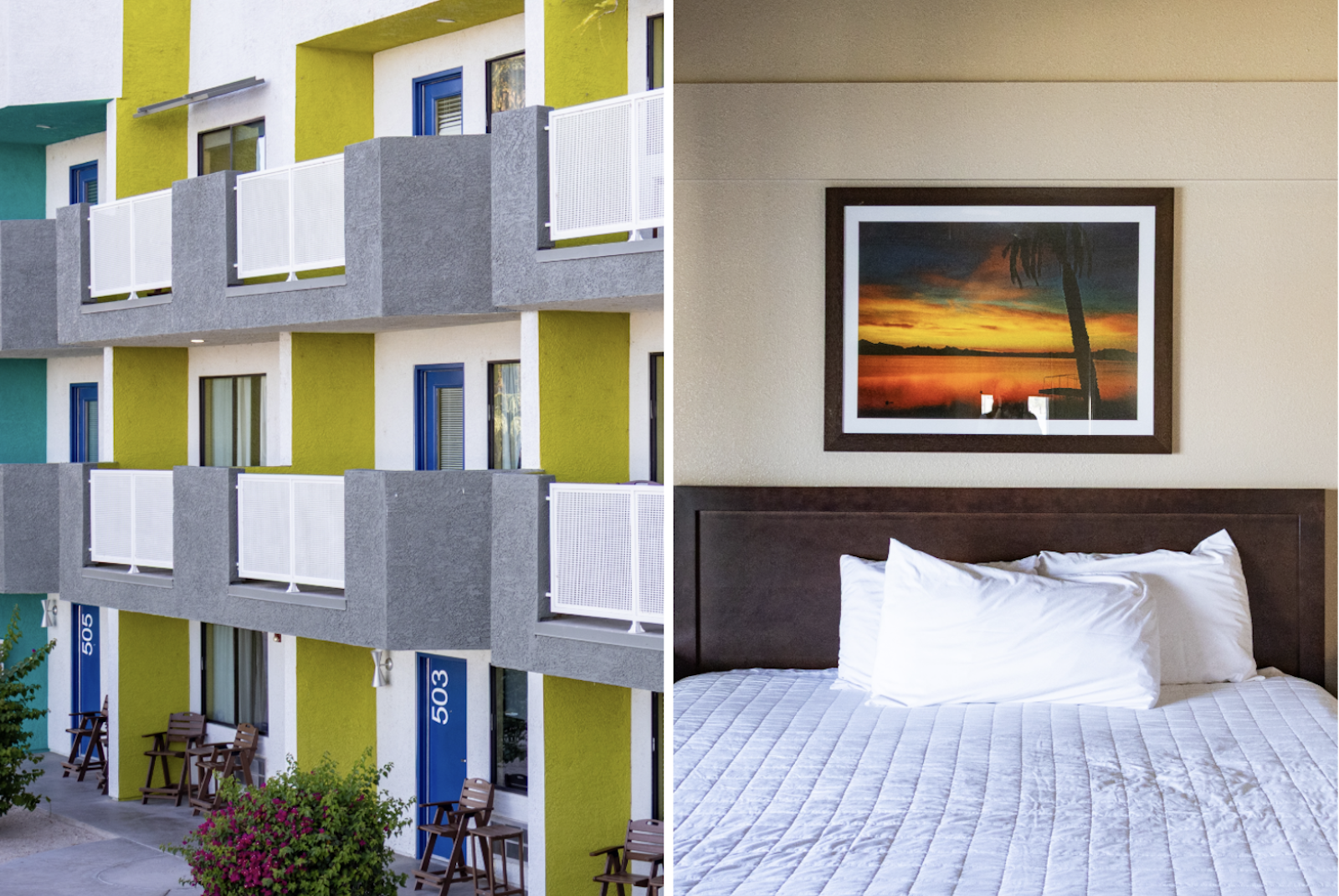
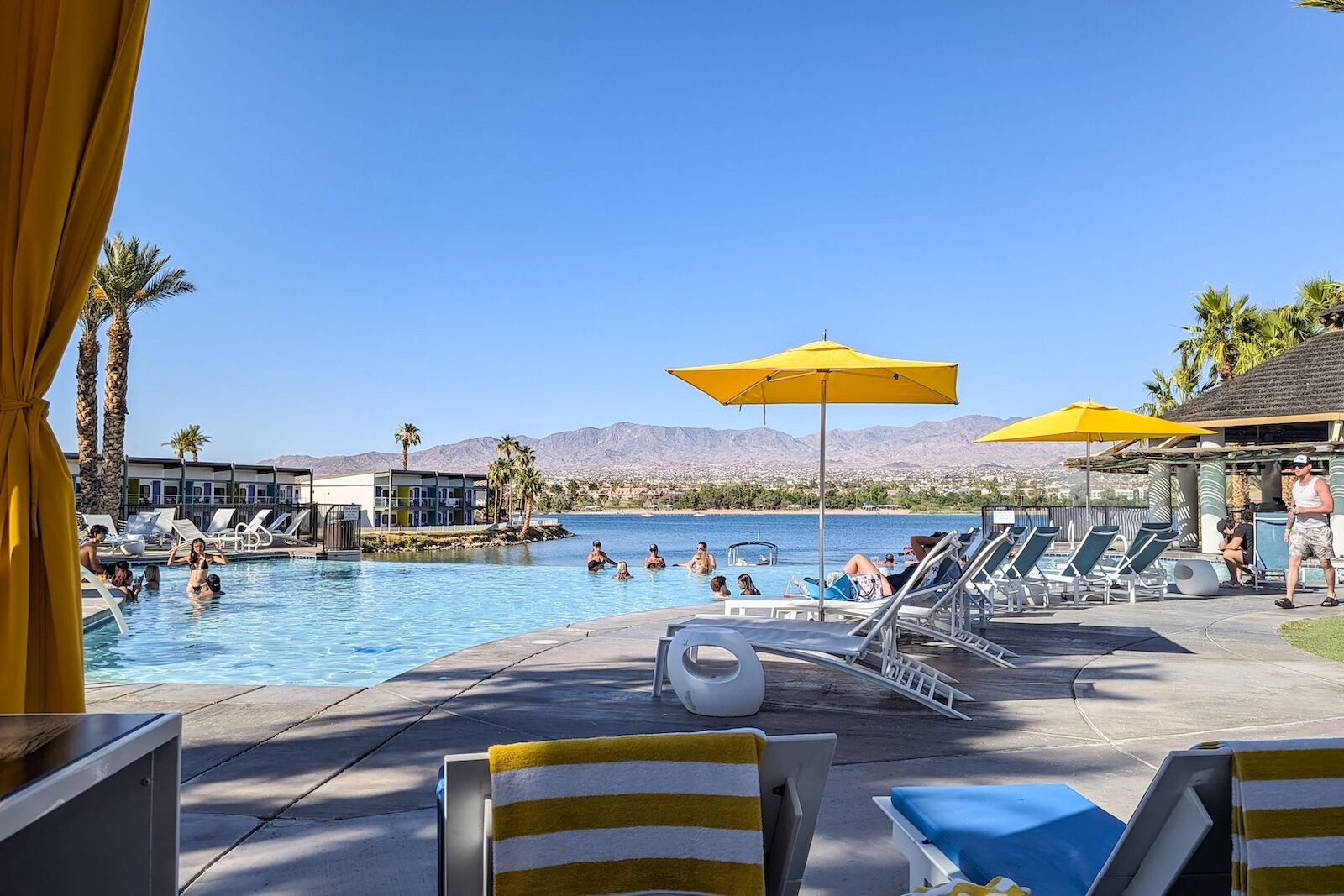
The resort’s architecture reflects its storied past, maintaining a charming, mid-century aesthetic infused with modern coastal and Tiki-inspired updates. With 139 guest rooms and suites, the property manages to balance a boutique, independent feel with the amenities one would expect from a world-class waterfront destination.
A Chronological Evolution
To understand The Nautical, one must look at the timeline of Lake Havasu City itself:
- 1963: Entrepreneur Robert P. McCulloch founds the city, envisioning a recreational community centered on the newly expanded Colorado River reservoir.
- 1964: The Nautical opens to provide housing for the community’s first wave of explorers and pioneers.
- 1968: McCulloch purchases the historic London Bridge at an auction in the United Kingdom, later transporting it piece-by-piece to Arizona.
- 1970s–1980s: The resort cements its reputation as a family-friendly vacation staple, with early guests beginning the multi-generational tradition of returning annually.
- Present Day: The property continues to evolve, adding state-of-the-art watersports facilities, the WET infinity-edge pool, and the recently launched Splish Splash Water Park, ensuring it remains as relevant to Gen Z as it was to the Baby Boomers of the 1960s.
Supporting Data: Why Guests Keep Coming Back
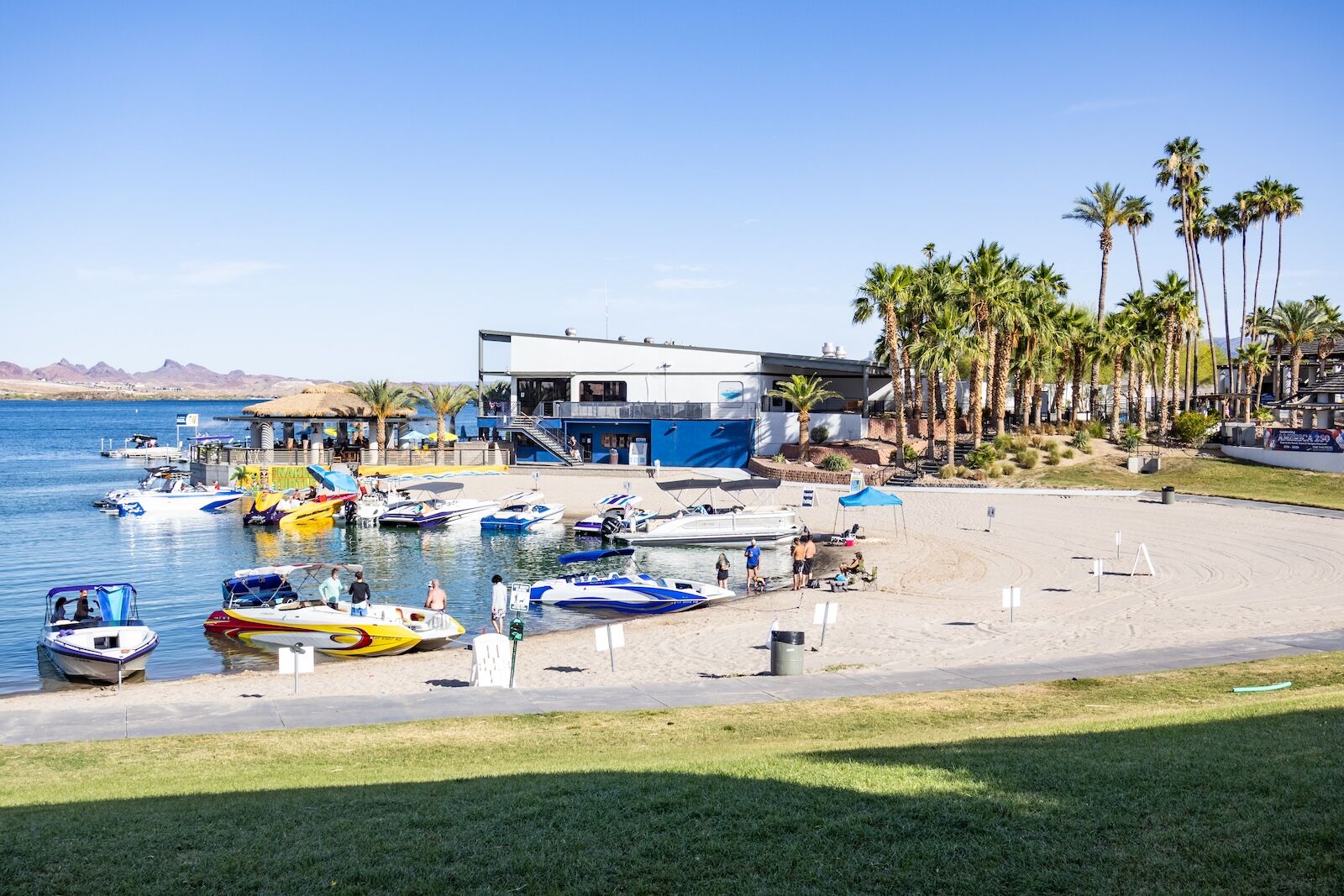
The appeal of The Nautical is not merely anecdotal; it is backed by a deliberate design philosophy. The resort features two private beaches: Main Beach, which sits steps from the ground-floor suites, and Cove Beach, which offers courtesy docks for boat owners and renters.
The logistical ease provided by this setup is a primary driver of customer loyalty. According to Director of Operations Scott Barret, the resort’s retention rate is remarkably high. "We’ve got people who have been staying here since the 70s and 80s," Barret notes. "Now, they’re bringing their kids and their grandkids. They want to stay in the same rooms and have the same experiences."
The accommodations themselves are designed for utility and comfort. Every single room offers a view of the lake—a luxury often priced at a premium elsewhere but offered as a standard at The Nautical. Features such as spacious fridges for beverages, pet-friendly policies, and ADA-compliant suites ensure that the resort caters to a diverse demographic, from spring-breaking students to retired couples.
Official Perspectives: The "Havasu" Experience
The identity of the region is deeply tied to the water, a sentiment echoed by locals and experts alike. Captain Kenny, a seasoned boat tour guide on the Colorado River, explains the etymology of the destination: "We call this color havasu. It’s a Mojave and Havasupai term meaning blue-green water. It’s not blue. It’s not green. It’s havasu."
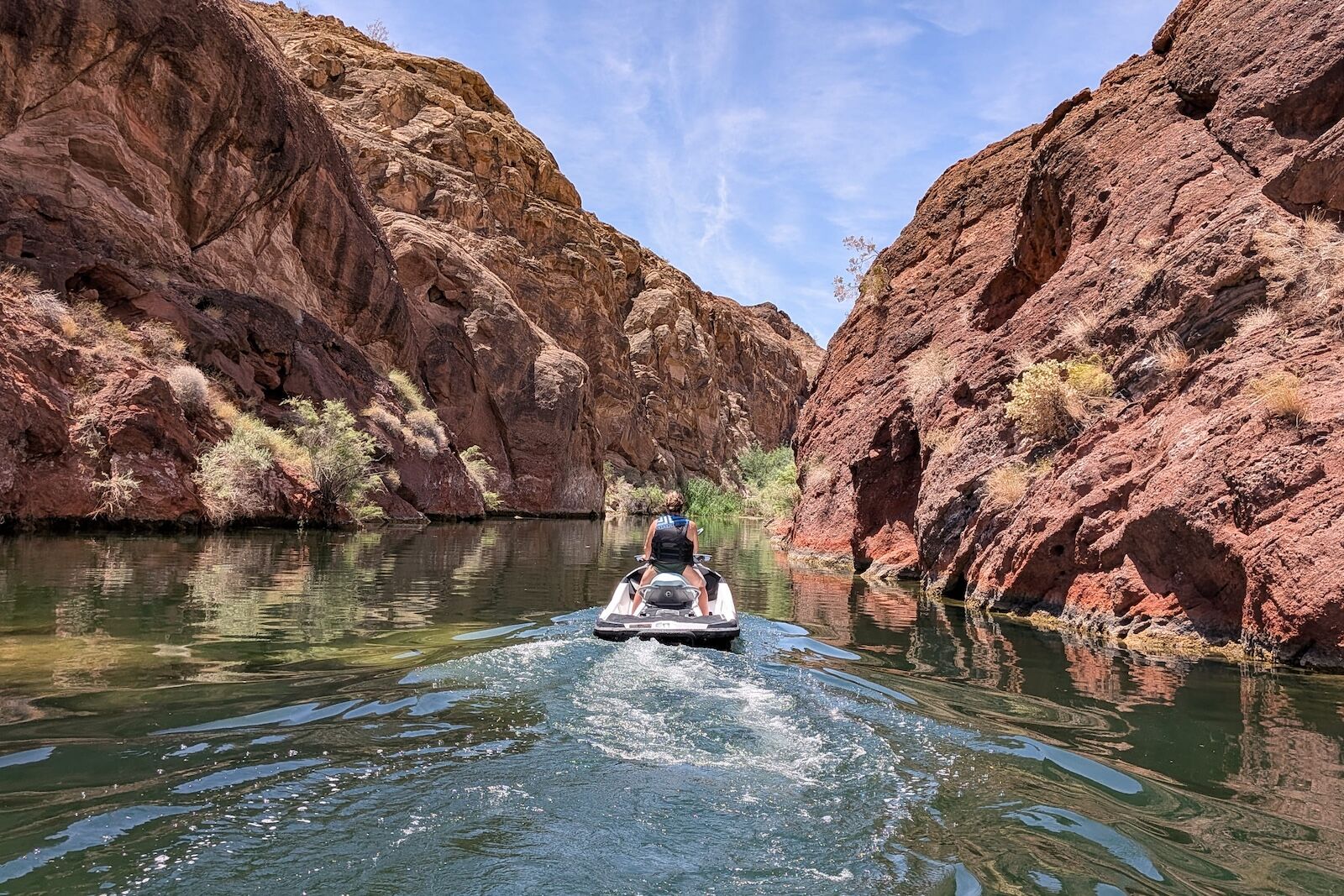
This philosophy of immersion is what The Nautical attempts to sell to its guests. The resort’s commitment to providing an authentic experience is reflected in its partnerships. For example, the Nautical Watersports Center updates its jet ski fleet every two years, ensuring that guests are always using modern, reliable equipment.
Regarding the noise concerns often associated with lakeside resorts, management has developed a sophisticated strategy. "Fraternities love us," Barret admits, "but we try to keep them on one side of the property." This operational strategy allows for a seamless coexistence between high-energy groups and families looking for quiet, demonstrating a maturity in management that is rare in independent hotels.
Implications: A Model for Boutique Tourism
The Nautical serves as a fascinating case study for the success of independent, non-standardized boutique hotels. By refusing to adhere to a corporate "cookie-cutter" model, the resort has maintained a sense of place that is increasingly rare in the hospitality industry.
Economic and Cultural Impact
The resort’s presence has a ripple effect on the surrounding city. By offering complimentary cruiser bicycles, the resort encourages guests to explore the English Village, the London Bridge, and local culinary gems like the Barley Brothers Restaurant and Brewery or the Makai Cafe. This integration into the broader city fabric helps distribute tourism dollars across local small businesses, rather than keeping all economic activity trapped within the resort walls.
Infrastructure and Sustainability
The development of the London Bridge as a major tourist attraction—the second-most visited in Arizona, trailing only the Grand Canyon—has turned Lake Havasu City into a year-round destination. The Nautical’s decision to stay open through the off-season, bolstered by heated pools and year-round events, helps provide consistent employment for the local workforce.
The Future of the "Playground"
As travel trends lean increasingly toward experiential and "slow" tourism, The Nautical is well-positioned. The addition of the Splish Splash Water Park and the ongoing renovation of the Naked Turtle Beach Bar indicate that the property is investing in the future while honoring its mid-century roots.
Conclusion: A Return to Simplicity
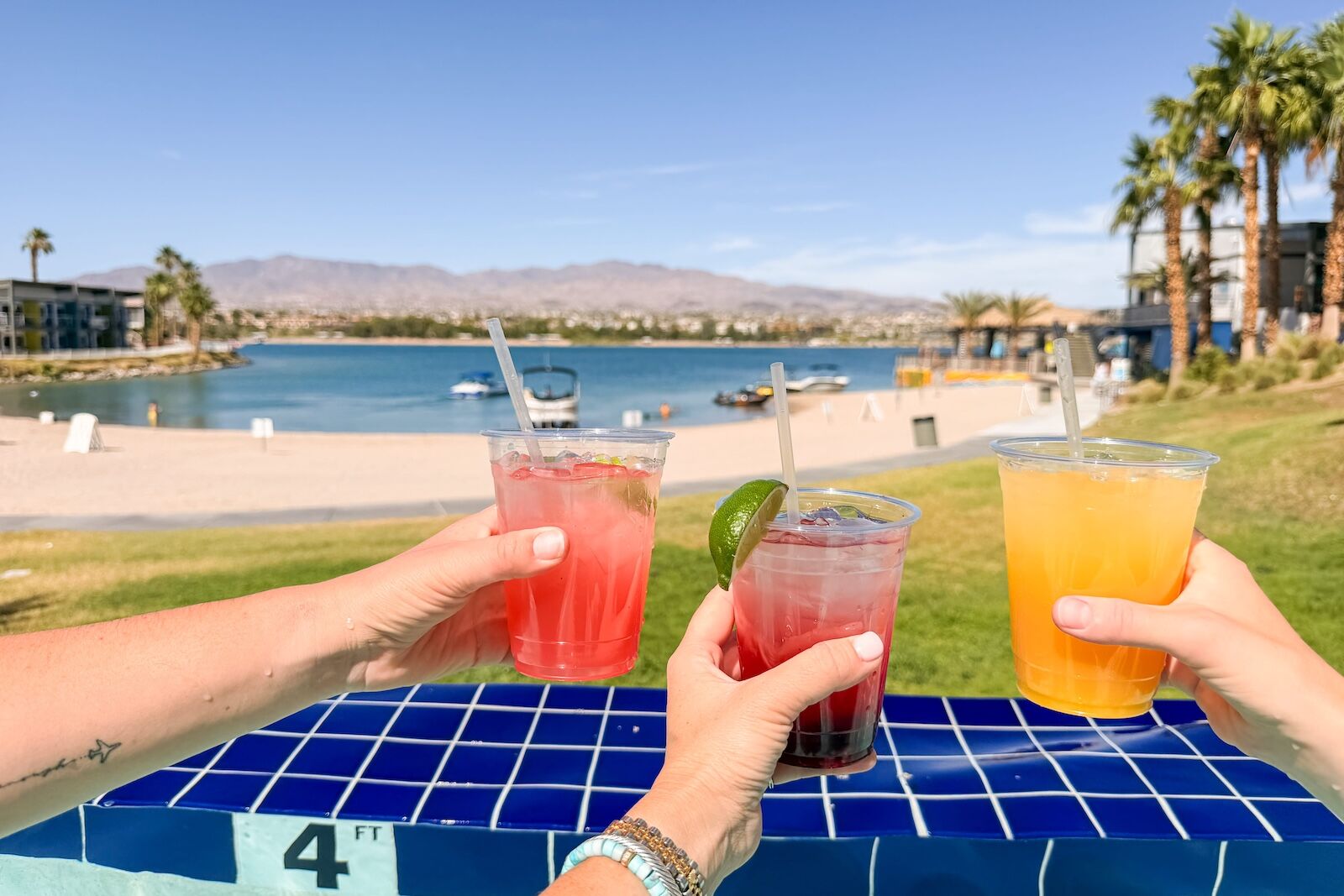
Visiting The Nautical is an exercise in intentional relaxation. Whether you are spending your midday hours at the WET infinity-edge pool, paddleboarding under the historic arches of the London Bridge, or enjoying a cocktail at the Naked Turtle during the golden hour, the resort offers a respite from the complexity of modern life.
For those planning a visit, the accessibility is a significant advantage. While located in the heart of the desert, it remains within a manageable driving distance from major hubs like Las Vegas, Palm Springs, and Phoenix. With the expansion of shuttle services and the resort’s commitment to constant improvement, The Nautical remains not just a hotel, but a landmark—a place where the water is always a shade of blue-green that defies definition, and the memories are always worth repeating.
Whether you are a first-time visitor or a member of the multi-generational cohort that has frequented the property for decades, the message from the shores of Lake Havasu is clear: the water is waiting, and the island is open for business.
 Layla Zulfa
  Lina Irawan
  Nana
Nana 