
 By Neng Nana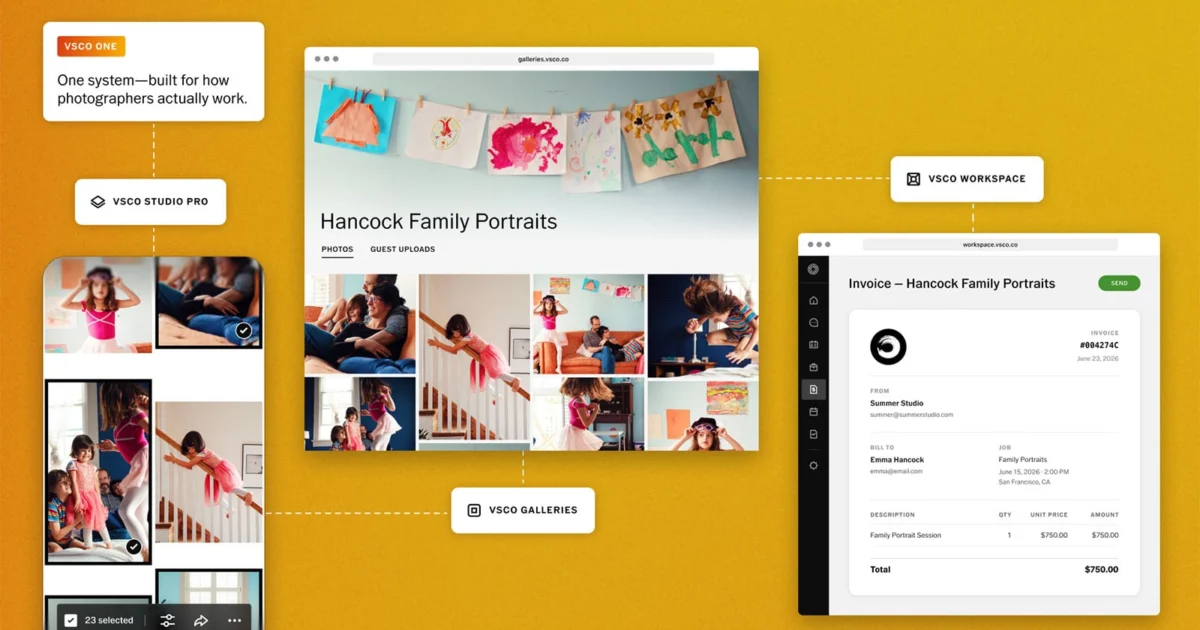
In an ambitious move to capture the professional photography market, VSCO has unveiled a sweeping overhaul of its service offerings. The centerpiece of this pivot is "VSCO One," a comprehensive, subscription-based "connected system" designed to handle the entire lifecycle of a professional photography business—from the initial shutter click to final invoice delivery. However, the launch has been met with a mixture of intrigue and intense scrutiny, fueled largely by a complex, multi-tiered pricing structure that has left many in the creative community confused.
The Core Facts: What Is VSCO One?
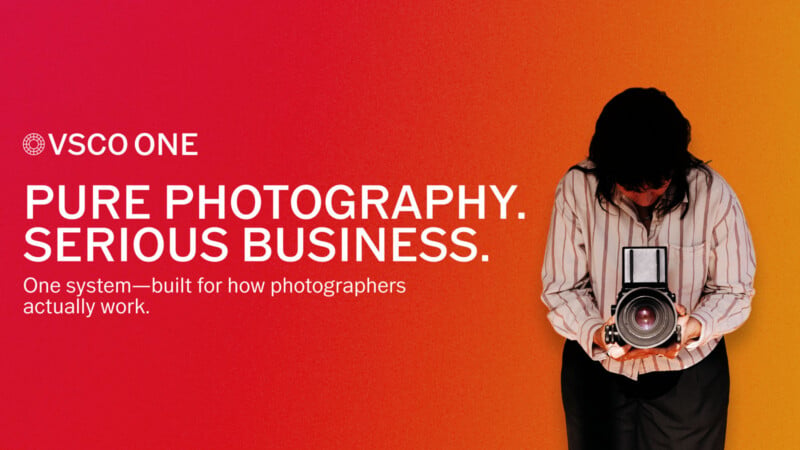
VSCO One is a bundled subscription service priced at $499.99 annually. It is marketed as an end-to-end "operating system" for photographers. Unlike the standard VSCO app, which has historically been known for mobile filters and social sharing, VSCO One bundles together a suite of business-centric tools that were previously disparate or separate entities.
The suite includes:
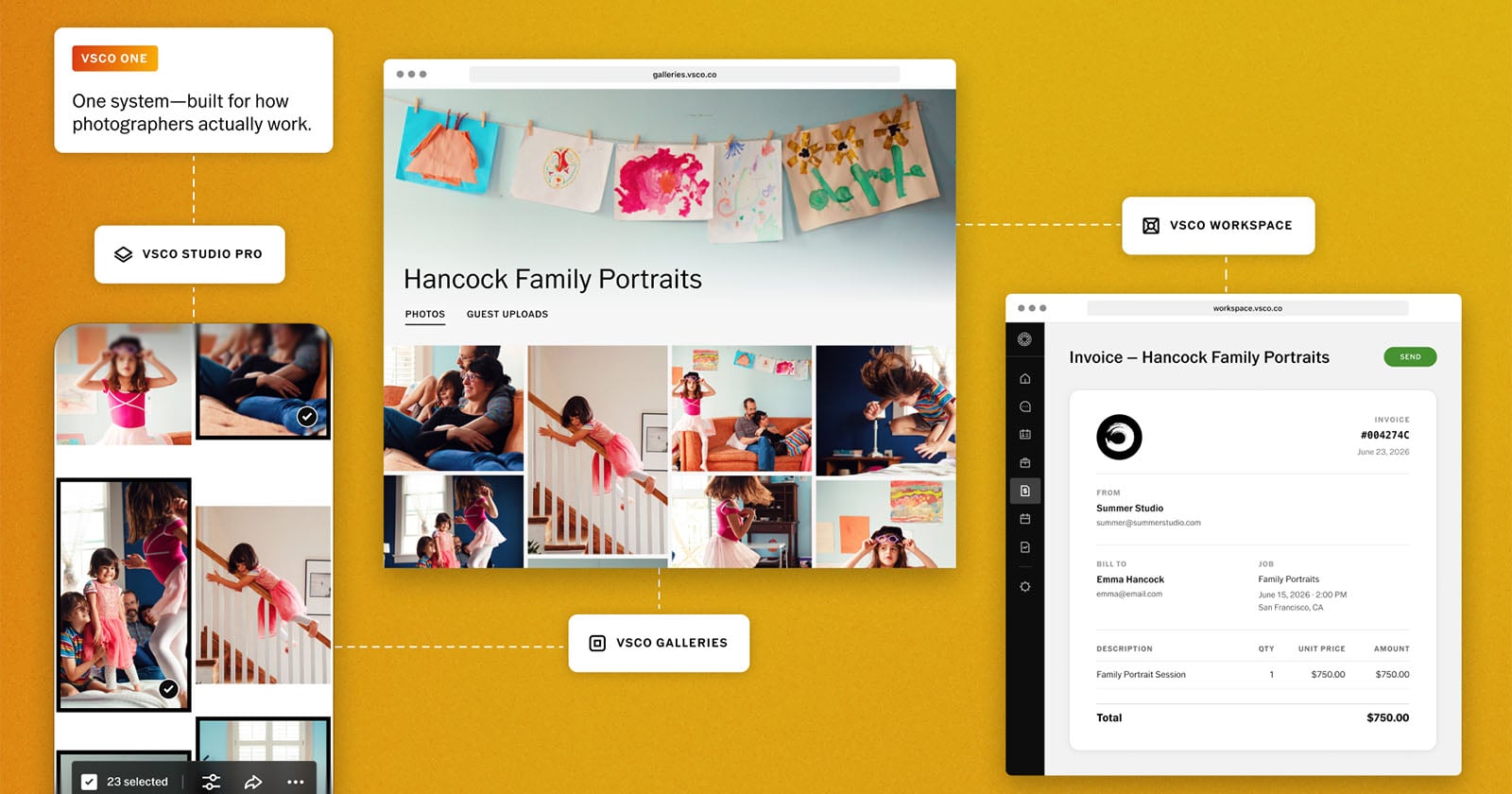
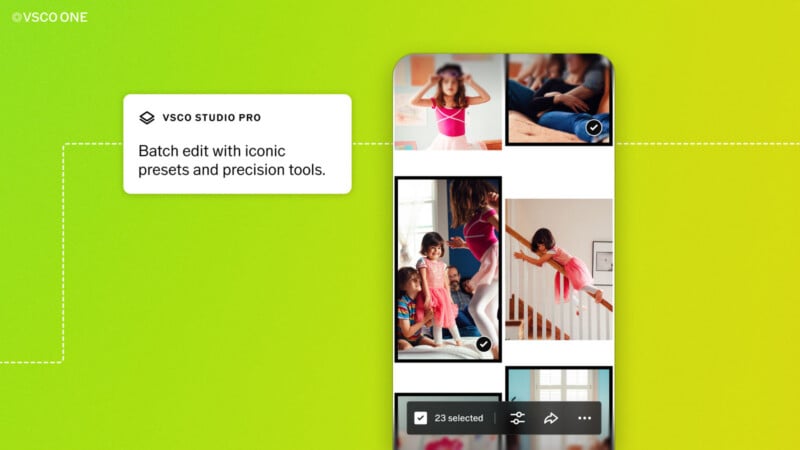
- Studio Pro: A dedicated high-volume editing app (currently mobile-only).
- VSCO Galleries: A client delivery and proofing platform.
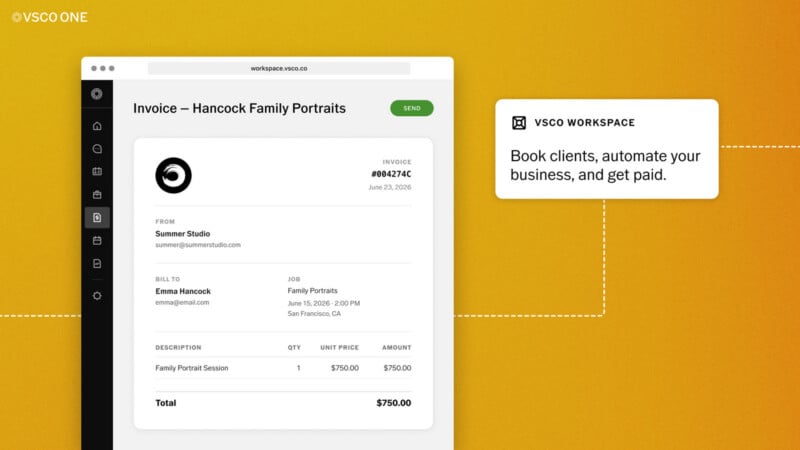
- VSCO Workspace: A robust CRM for scheduling, contract management, and invoicing.
- VSCO Sites: A portfolio-building tool now updated with custom domain support.
- VSCO Canvas: An AI-powered mood-boarding tool.
- The Freelance Photographer: Access to professional business education, coaching, and webinars.
- VSCO Film: Access to professional-grade presets for Adobe Lightroom and Capture One.
Chronology of the Launch
The announcement, which dropped in mid-June 2026, was framed as a response to the "fragmented approach" currently plaguing working photographers. VSCO identified that professionals typically pay for individual subscriptions to Lightroom, a gallery host (like Pixieset), a CRM (like HoneyBook), and a portfolio site (like Squarespace), resulting in "context switching" and inflated overhead.
Immediately following the announcement, confusion rippled across social media. Many users conflated the new editing app, Studio Pro, with the $500 VSCO One bundle. In reality, Studio Pro is a standalone product. It operates on a "freemium" model: the core features are free, while advanced batch-editing and high-volume tools are locked behind a modest $60-per-year "VSCO Pro" membership. The $500 VSCO One subscription is an enterprise-lite package for those who require the business management tools of Workspace and the educational resources of The Freelance Photographer.
Supporting Data: Dissecting the Pricing Tiers
To understand the value proposition of VSCO One, one must look at what it replaces. Previously, VSCO Workspace operated on a tiered model: Solo ($270/year), Boutique ($378/year), and Studio ($540/year). By folding the equivalent of the "Boutique" tier of Workspace into the VSCO One bundle, the company is attempting to provide a high-value package.
- The Entry-Level Professional: A user who simply wants the mobile editing power of Studio Pro can subscribe for $60 annually. This is a highly competitive price point for an editing suite.
- The Business-Ready Professional: For $499.99, a user gets the Studio Pro app, all business management tools (formerly $378/year), plus access to premium educational content that previously cost thousands of dollars per year through independent coaching programs.
However, the "sticker shock" remains. For the casual enthusiast, $500 is a significant barrier to entry. Even for professionals, the value is contingent on the user actually utilizing the CRM and educational tools. If a photographer already has a settled workflow using industry-standard tools like Adobe Creative Cloud and Studio Ninja, migrating to a new ecosystem—especially one currently lacking a desktop version of its primary editor—is a massive professional risk.
Official Stance and Development Roadmap
VSCO has been transparent about the current limitations of their "Pro" offerings. Most notably, Studio Pro lacks native RAW file support and a desktop interface. In an era where professionals process thousands of images per shoot, the absence of a desktop version is a glaring omission.
"We are building for the future of the connected photographer," a company spokesperson suggested, confirming that both a macOS version of Studio Pro and robust RAW support are currently in active development.
The decision to gate the return of popular film-emulation presets—specifically the Film 01, 05, and 07 collections—behind the $500 paywall has also drawn ire. While these presets were previously offered as a limited-time download for Lightroom and Capture One, their permanent inclusion in the VSCO One tier signifies that the company views these as high-value, enterprise-level assets rather than simple mobile filters.
Implications for the Industry
The implications of this launch are twofold: one for the user, and one for the software landscape.
1. The Friction of "All-in-One"
The industry has seen similar attempts at "all-in-one" platforms before, often with mixed results. While the goal of reducing context switching is noble, the "Jack of all trades, master of none" critique is inevitable. Professionals who are deeply embedded in Adobe’s ecosystem, for instance, are unlikely to abandon Lightroom’s color science and masking tools for a nascent mobile-first editor. VSCO must prove that its "Connected System" can perform with the speed and reliability that high-volume studio work demands.
2. A Shift in Business Strategy
VSCO is signaling a permanent pivot away from being a "filter app" company. By acquiring The Freelance Photographer and integrating CRM tools, they are effectively becoming a business incubator. This is a bold departure from their roots and places them in direct competition with legacy SaaS providers who have dominated the photography space for over a decade.
A Final Verdict: Is it Worth It?
For the vast majority of photographers, VSCO One is not a necessary expenditure. If you are a hobbyist or a professional with a well-oiled machine of existing software, the $500 price tag is likely unjustifiable.
However, for the emerging professional—the photographer who is just starting to juggle contracts, client deliveries, and portfolio management—the bundle offers a compelling "business-in-a-box." By consolidating the CRM, the gallery delivery, the website, and the education into one interface, VSCO is removing the administrative headache that often leads to burnout in the creative industry.
The success of this initiative will ultimately rest on two things: the quality of the upcoming desktop software and the company’s ability to communicate the difference between its various product tiers. If VSCO can bridge the gap between its mobile-first roots and the desktop-heavy requirements of professional studio photography, they may have successfully defined a new category of service. If not, they risk alienating their core user base with a confusing, expensive, and incomplete suite of tools.
For now, the message to the community is clear: proceed with caution, utilize the 30-day money-back guarantee, and wait to see if the "Pro" features truly meet the professional standard before committing to a $500 annual subscription. The potential is there, but the execution remains a work in progress.
 Laily UPN
  Reynand Wu
  Lina Hope