
 By Iffa Jayyana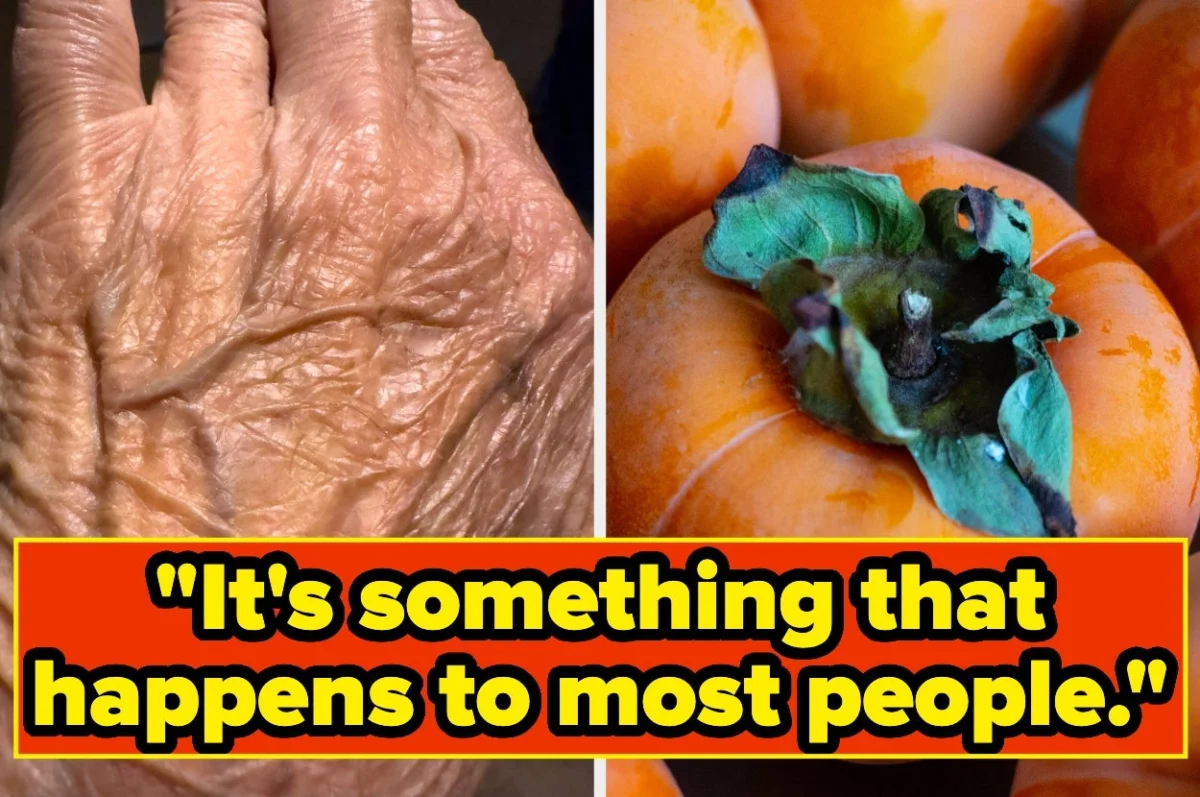
Main Facts: What is "Old Person Smell"?
Close your eyes and think back to the scent of a beloved grandparent. For many people, memory conjures up a distinct aroma often described as a blend of stale oil, old books, musty cardboard, and vintage clothing. While colloquialisms frequently refer to this phenomenon as "old person smell" or a "granny scent," dermatologists, chemists, and olfactory researchers confirm that this is not merely a figment of cultural imagination or a result of poor hygiene.
Instead, it is a well-documented biological reality. The distinct scent is caused by an organic chemical compound known as 2-nonenal (pronounced noh-neh-nahl), a type of aldehyde. Unlike standard sweat—which is water-soluble, primarily produced by eccrine and apocrine glands, and easily washed away with soap and water—2-nonenal is a fatty acid byproduct. It clings tenaciously to both human skin and fabrics, making it notoriously difficult to eliminate.
Research indicates that the biological mechanisms responsible for producing 2-nonenal begin to shift around age 40. As the body ages, changes in skin physiology, rising oxidative stress, and fluctuating sebum compositions lead to a gradual increase in the molecule’s production. Despite its reputation, experts emphasize that this scent is entirely natural, common across all genders, and completely unrelated to personal cleanliness.
Chronology and Biological Timeline: How the Scent Develops
The formation of "old person smell" is not an overnight transformation or an abrupt switch that flips on a specific birthday. Rather, it is a slow, multi-decade metabolic and dermatological progression.
Youth and Early Adulthood
In younger individuals, body odor is typically driven by microbial activity interacting with apocrine sweat secretions. This results in the sharp, pungent, and often sulfurous scents commonly associated with physical exertion, stress, and puberty. Skin barrier function is robust, antioxidant defenses are high, and the sebaceous glands produce lipids that do not readily break down into 2-nonenal.
The Turning Point: Post-Age 40
According to clinical dermatologists, measurable increases in 2-nonenal synthesis typically begin after the fourth decade of life.
- The 40s: Internal antioxidant defenses in the skin begin a gradual, natural decline. Cumulative ultraviolet (UV) radiation exposure and chronic environmental stressors start compounding oxidative damage within the epidermal layers.
- The 50s and Beyond: The accumulation of 2-nonenal becomes significantly more noticeable. The composition of sebum—the oily substance secreted by sebaceous glands to lubricate and protect the skin—undergoes structural alterations. As lipids degrade due to oxidative stress, non-analdehyde compounds like 2-nonenal are released in higher volumes.
Because this transition spans many years, the human brain undergoes a process known as olfactory adaptation (or "nose blindness"). Individuals experiencing increased 2-nonenal production frequently grow accustomed to their own scent, filtering it out as familiar background noise in the same way homeowners become immune to the unique smell of their own residences.
Supporting Data and Dermatological Insights
The scientific validation of 2-nonenal as a distinct biomarker of aging gained widespread attention following landmark dermatological studies, most notably research published in the Journal of Investigative Dermatology.
Researchers analyzing volatile organic compounds emitted by human skin found that while younger demographics produced virtually undetectable levels of 2-nonenal, quantities rose consistently in cohorts aged 40 and older.
The Chemistry of Aldehydes
To understand the compound, experts look at its chemical family. Aldehydes are common in nature and manifest in vastly different ways depending on their specific molecular structure. For instance, cinnamaldehyde is the organic compound responsible for the warm, comforting flavor and aroma of cinnamon. In contrast, 2-nonenal presents a grassy, greasy, and slightly oxidized profile.
Why Standard Cleansing Fails
Dr. Danielle Reed, chief science officer at the Monell Chemical Senses Center—a leading nonprofit research institute dedicated to the study of taste and smell—explains the stubborn nature of the molecule:
"It’s hard to get rid of this molecule, because it’s very sticky. It loves to stick to your skin and it loves to stick to fabrics. You’ll remove some of it when you bathe, but your body is constantly making it, so washing isn’t a cure."
Because 2-nonenal is a non-water-soluble lipid, traditional soaps struggle to break its bond with the stratum corneum (the outermost layer of skin) and textile fibers. Over time, the compound accumulates deeply in clothing threads, pillows, and upholstery, which contributes heavily to the lingering scent often associated with older living spaces.
Official Responses and Expert Perspectives
Medical professionals are increasingly advocating for a shift in how society perceives aging-related physiological changes. Rather than treating body scents as social taboos or hygiene failures, dermatologists urge the public to view them with scientific objectivity and empathy.
Dr. Sonal Choudhary (University of Pittsburgh School of Medicine)
Dr. Sonal Choudhary emphasizes that the intensity of the scent varies widely based on an array of external and internal factors:
"Research suggests measurable increases in 2-nonenal typically begin after age 40, with more noticeable accumulation in the 50s and beyond. It’s a gradual process, not an instant switch. The intensity of the smell varies significantly from person to person depending on genetics, skin type, lifestyle and environmental exposure."
Choudhary notes that the condition is universal rather than isolated: "Evidence suggests that 2-nonenal production is a common age-related phenomenon, not something limited to a small subset of people. Studies consistently detect this grassy, greasy scent in older adults of both sexes."
Dr. Delphine J. Lee (Harbor-UCLA Medical Center)
Addressing the social stigma attached to the aroma, Dr. Delphine J. Lee, chief of dermatology and residency program director at Harbor-UCLA Medical Center, points out that human perception heavily dictates our reaction to scents:
"People can exaggerate that this smell is unpleasant or disgusting. It may even be more neutral or pleasant than the body odors of younger and middle-aged people."
Lee stresses that society would benefit from dismantling anxieties around normal physiological aging:
"As a dermatologist, I emphasize that aging is a natural, lifelong biological process experienced by us all. We should focus on promoting health and well-being across our lifespans, while recognizing and valuing the wisdom, resilience and lived experience that accompany advancing age."
Dr. Naana Boakye (Bergen Dermatology)
Dr. Naana Boakye, founder of Bergen Dermatology, reinforces that the phenomenon is simply a biological marker of time:
"This is a normal biochemical change of aging skin, similar to wrinkles or dryness. With thoughtful skin care, antioxidant support and proper laundering, it can often be minimized significantly."
Implications, Management, and Future Research
While 2-nonenal cannot be permanently cured or prevented, individuals seeking to minimize its presence can adopt targeted skincare and household maintenance strategies.
Current Mitigation Strategies
Because standard soaps are ineffective against lipid-based aldehydes, experts recommend specialized formulations:
- Antioxidant Cleansers: Products designed to combat oxidative stress on the skin’s surface can help slow down the reactions that produce 2-nonenal.
- Tannin-Rich Soaps: Ingredients that bind to aldehydes, such as tannins found in Japanese persimmon extract and green tea, have a long history of traditional use in reducing body odor persistence. Specialized clinical persimmon soaps have gained immense popularity for their ability to break down lipid residues more effectively than traditional cleansers.
- Intensive Fabric Care: Because 2-nonenal binds strongly to textiles, laundering clothes and bedding with specialized detergents, baking soda, or enzymatic boosters is essential to prevent the buildup of stale odors in home environments.
Emerging Scientific Frontiers
Researchers continue to explore dietary and topical interventions to target oxidative stress at its root:
- Eggplant Extract: A study published recently investigated the potential of eggplant derivatives—specifically parts including fruits, leaves, stems, and roots, along with their active compound N-trans-feruloylputrescine—for their robust 2-nonenal scavenging activity. While laboratory results show promise in reducing oxidative markers, dermatologists caution that human clinical trials remain limited.
- White Button Mushroom Extract: Earlier studies showed preliminary positive indicators that white button mushroom consumption could alleviate systemic body odors in adults aged 50 to 79, though widespread clinical follow-ups are still needed.
Ultimately, experts agree that magical cures do not exist. As Dr. Danielle Reed succinctly summarizes: "If you could figure this out, you’d be very rich, but so far there’s nothing that’s truly helpful."
Embracing the Lifecycle
As science continues to demystify the biological underpinnings of aging, the broader implication is clear: "old person smell" is nothing to fear, hide, or shame. By reframing the conversation away from cosmetic anxiety and toward holistic wellness, society can embrace the natural markers of a life fully lived.
 Ali Ikhwan
  Sagoh
Sagoh 