
 By Raul Delapena Setiawan
Whether enjoyed from a frost-kissed pint glass, a heavy glass stein, or a simple plastic cup at a bustling festival, beer remains one of humanity’s most enduring and universally appreciated beverages. Unfussy yet complex, this frothy concoction has been celebrated since it was first brewed by the Sumerians in the region of modern-day Iran thousands of years ago. Today, the global appetite for this intoxicating beverage is staggering: consumers worldwide spend approximately $317.31 billion annually on beer in restaurants, bars, and specialized social venues.
While countless drinking establishments exist simply to pour a drink, a distinct category of spaces has been purposefully engineered over the centuries to foster communal drinking culture. Beer gardens and beer halls have brought brew lovers together for generations, serving as cultural cornerstones in Europe and, eventually, across the globe. While they share a common lineage, purpose, and even a linguistic root, fundamental differences set them apart—most notably, the presence of walls.
Main Facts: Defining the Core Differences
At their most basic level, the distinction between a beer garden and a beer hall comes down to architecture and environment.
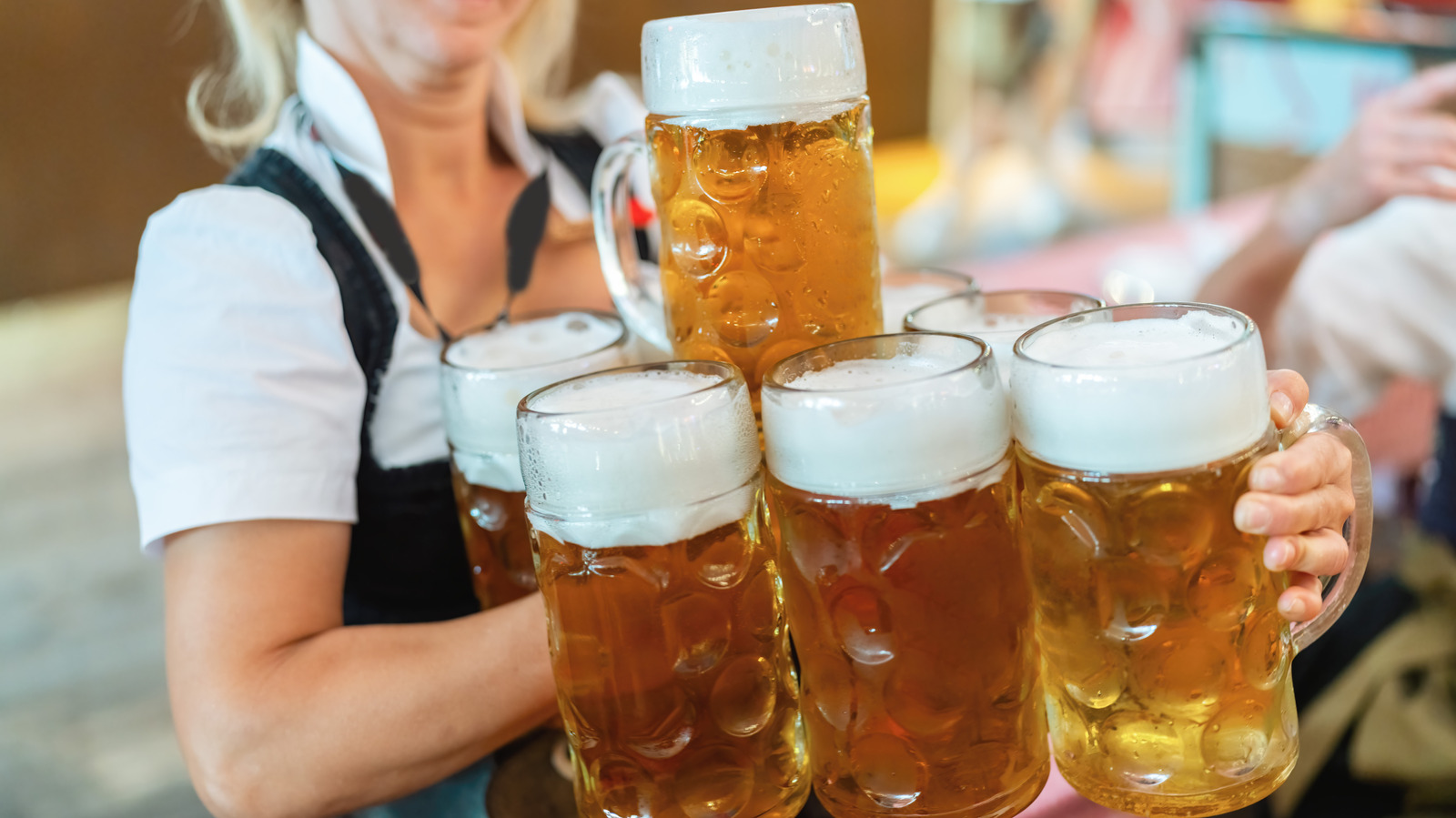
According to Merriam-Webster, a beer hall is defined as "an establishment featuring beer and sometimes offering entertainment." These are indoor institutions—though sometimes featuring soft-sided structures or massive permanent pavilions—designed to shelter patrons from the elements while accommodating large, boisterous crowds. Beer halls are defined by their capacity for high-energy socialization, long communal tables, and frequent integration of live music, dancing, and hearty food menus.
Conversely, a beer garden—known traditionally as a biergarten—is defined as "a garden where beer and other liquors are served at tables." These are fundamentally outdoor spaces, typically landscaped, shaded by mature trees or umbrellas, and designed to embrace al fresco drinking. Modern beer gardens frequently incorporate outdoor games, family-friendly atmospheres, and food trucks or open-air kitchens to complement the beverage selection.
Despite these physical differences, both spaces share a common societal mission: to break down social barriers, encourage communal gathering, and elevate the simple act of drinking beer into a shared cultural experience.
Chronology: The Historical Evolution of Beer Spaces
To truly understand how beer gardens and beer halls came to be, one must look back through centuries of European legislation, royal decrees, and social rebellion.
The 16th Century: The Accidental Birth of the Beer Garden
The origin of the beer garden can be traced directly to Duke Albrecht V of Bavaria in the 16th century. In 1553, facing the constant threat of devastating fires sparked by the coal kettles used during the brewing process, Albrecht issued a sweeping decree: beer in the region of Munich could only be brewed between late September (specifically around Michaelmas) and late April (around St. George’s Day).
This seasonal restriction created a logistical nightmare for brewers: how to maintain a steady supply of beer for thirsty citizens during the scorching summer months when brewing was strictly prohibited.
The solution was found underground. Brewers dug deep cellars near rivers to store their lagers, keeping them cool throughout the summer. To further insulate the ground and protect the cellars from the sun’s heat, they planted chestnut trees directly above them.
Soon, an unexpected economic shift occurred. Brewers began selling their cool, stored beer directly to the public from these shaded locations above the cellars. Naturally, local tavern proprietors grew furious, complaining that these makeshift outdoor pop-ups were siphoning away their patrons.
The Royal Intervention and the Birth of Picnicking
Seeking to protect traditional taverns, Bavarian King Maximilian I stepped in with a restrictive law: he forbade breweries from selling any food items whatsoever, save for simple bread.
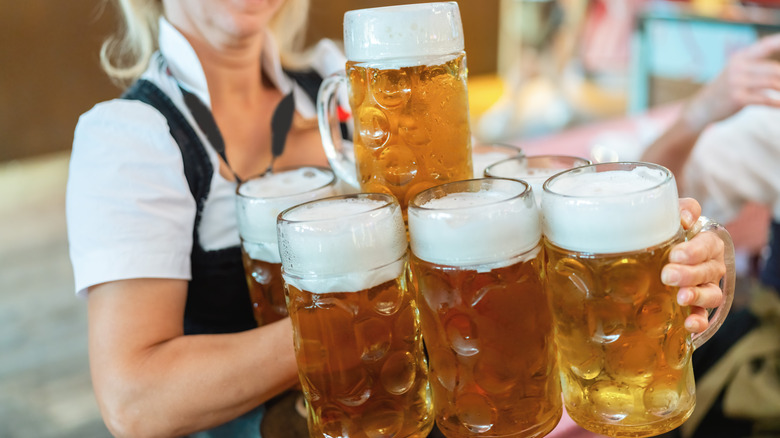
Far from shutting down the outdoor trade, this backfired spectacularly. Thirsty beer drinkers rebelled against the restriction by bringing their own homemade food—baskets filled with cheeses, meats, and radishes—to the brewers’ shaded outdoor spaces, picnicking under the chestnut trees while drinking fresh beer. Thus, the modern beer garden was officially born.
The Evolution of the Indoor Beer Hall
While outdoor drinking flourished in the warmer months, human beings have always required shelter from harsh winters and inclement weather. The lineage of the indoor beer hall stretches back through centuries of European tavern culture. Taverns—the earliest indoor establishments dedicated to public drinking—date back to ancient Greece and Rome. Over centuries, these spaces evolved into larger community hubs. In some regions, they incorporated rowdier pastimes, such as target shooting or physical games, laying the groundwork for the sprawling, high-capacity beer halls recognized today.
Cities across Europe—particularly Prague in the Czech Republic, Brussels in Belgium, and Dublin in Ireland—developed distinct indoor drinking traditions. However, Munich, Germany, which established the world-renowned Oktoberfest in 1810, remains the undisputed capital of both beer halls and beer gardens.
Interestingly, the original 1810 Oktoberfest did not even feature beer tents or massive halls; it began as a royal horse race celebrating a royal wedding. Over the decades, it evolved to incorporate massive temporary structures, fusing the indoor beer hall experience with the outdoor festive spirit.
Supporting Data: The Economics and Global Footprint of Beer Culture
The cultural significance of beer gardens and beer halls is mirrored by their massive economic footprint.
- Global Market Impact: According to recent hospitality and beverage industry metrics, approximately $317.31 billion is spent annually on beer in restaurants, bars, and specialized social venues worldwide.
- The Oktoberfest Phenomenon: In Munich, Oktoberfest draws millions of visitors annually who consume upwards of 7 million liters of beer over the course of two weeks, largely housed within massive indoor tents that function as temporary, gargantuan beer halls.
- Urban Real Estate Trends: In North America and Europe, the modern resurgence of beer gardens has become a cornerstone of urban revitalization projects. Unused industrial lots, rooftop spaces, and waterfront areas are increasingly converted into seasonal outdoor beer gardens to boost local foot traffic and community engagement.
Official Responses and Industry Perspectives
Hospitality experts, urban planners, and cultural historians view the endurance of beer gardens and beer halls as a vital antidote to modern isolation.

"In an era where digital connectivity often replaces face-to-face interaction, beer gardens and beer halls offer something fundamentally human: shared space, communal seating, and unhurried conversation," notes a leading European culinary historian. "You cannot sit at a private, isolated booth in a traditional beer hall; you are forced to share a bench with strangers. That social friction is precisely what makes them magical."
City planners in major metropolitan areas have also praised the rise of modern beer gardens, pointing out their economic and social benefits. Municipalities frequently partner with local entrepreneurs to establish seasonal beer gardens in public parks, arguing that these spaces activate underutilized urban zones, reduce crime through natural surveillance, and foster a stronger sense of neighborhood identity.
Implications: The Modern Future of Communal Drinking
The distinct philosophies of the beer garden and the beer hall carry significant implications for the future of hospitality, urban design, and social architecture.
As cities become denser and real estate prices soar, the preservation of large-footprint social spaces faces continuous pressure. Yet, the enduring popularity of both venues proves that consumers are willing to travel and pay for authentic communal experiences.
Furthermore, the operational models of beer gardens and beer halls are adapting to modern tastes. Today’s beer gardens frequently embrace craft brewery collaborations, rotating food truck rosters, and pet-friendly policies, while modern beer halls often double as live music venues, community event spaces, and cultural centers.
Whether one prefers the sun-dappled benches of a Bavarian biergarten in the heat of July or the warm, echoing timber and festive brass bands of a historic indoor beer hall in the dead of winter, these institutions remain vital sanctuaries of community. They remind us that beer is more than just a commodity—it is a social catalyst that has brought people together across tables, cultures, and centuries.
 Suro Senen
  Sagoh
Sagoh  Asro
Asro 