
 By Suro Senen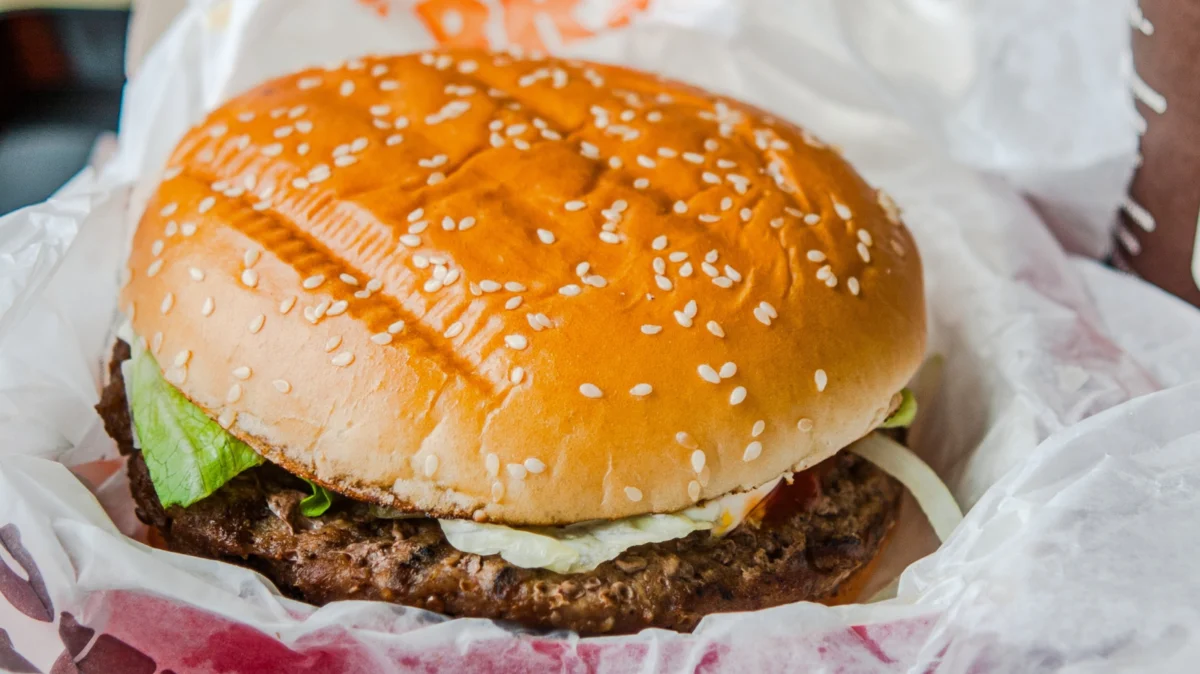
For the past several years, Burger King has found itself caught in a high-stakes identity crisis. As changing consumer expectations, economic pressures, and relentless competition from industry leader McDonald’s reshape the landscape of American fast food, the historic "Home of the Whopper" has attempted a massive, multifaceted corporate turnaround. The focal point of this transformation arrived in 2026, when Burger King instituted a sweeping overhaul of its flagship menu item—the iconic Whopper—alongside recipe tweaks for several staple sides.
Yet, as this investigation reveals, a glossy marketing campaign and a renovated sandwich cannot easily erase systemic operational failures. Despite executive initiatives designed to modernize the brand, Burger King’s customer base has voiced a relentless wave of dissatisfaction. From chronically cold food and shrinking portion sizes to buggy mobile applications and exorbitant price hikes, patrons are increasingly taking to social media, review boards, and corporate feedback channels to air their grievances.
Main Facts: The Anatomy of Modern Fast-Food Discontent
The friction between Burger King’s corporate ambitions and the reality of daily operations spans multiple facets of the customer experience. While upper management continues to promote innovations aimed at flavor, visual appeal, and speed, diners on the ground report a starkly different experience.
The primary pain points center on the following core issues:
- Compromised Food Quality and Temperature: A significant percentage of patrons report receiving meals that are lukewarm or completely cold, even when intentionally utilizing options designed to secure fresh preparation.
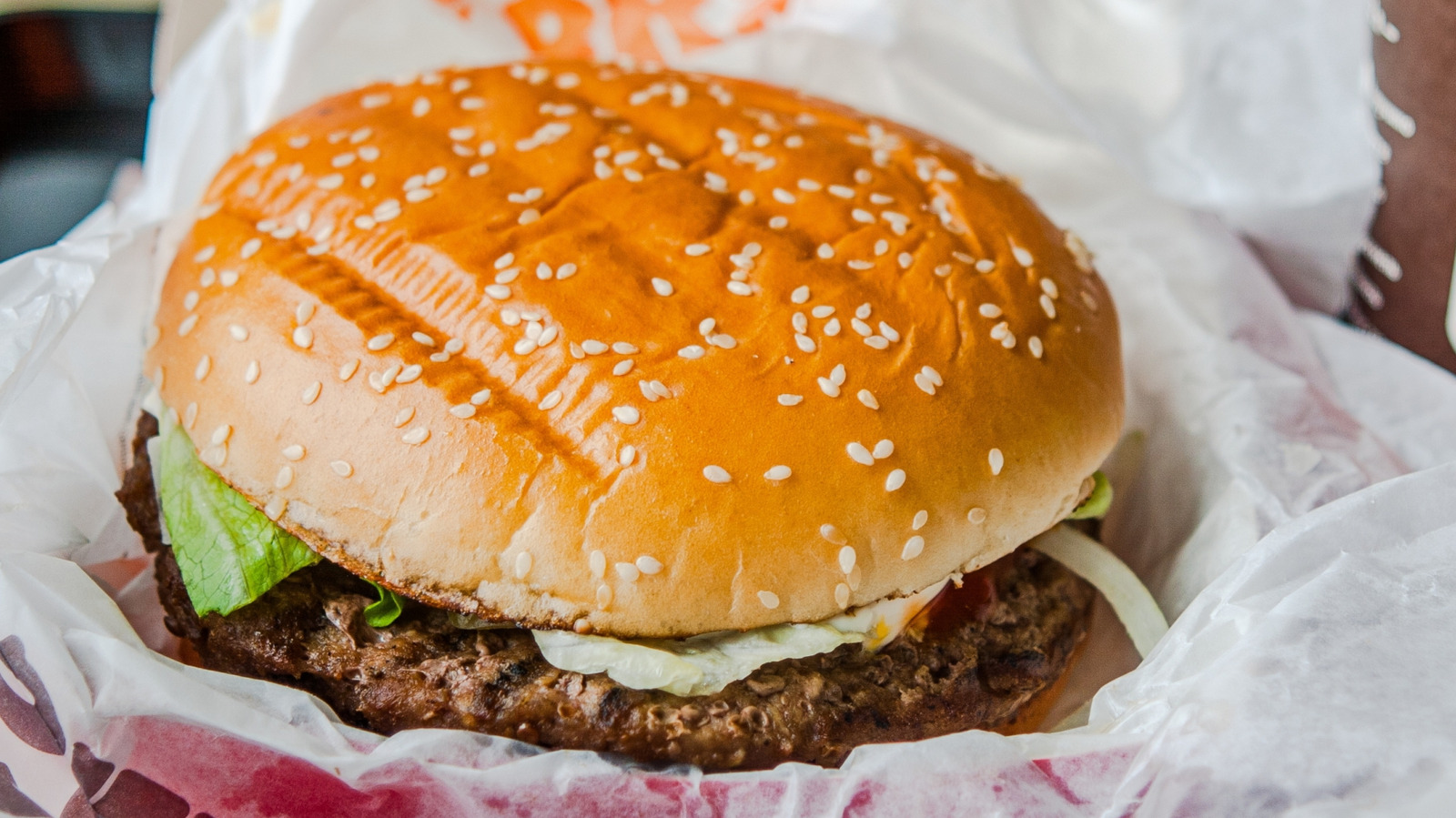
- The Backlash Over the 2026 Whopper Revamp: Billed as a major flavor upgrade featuring a new bun and specialized mayonnaise recipe, the updated Whopper has faced harsh criticism for being exceptionally dry and underwhelming.
- Shrinkflation and Skimpflation: Across the menu—from burgers and double cheeseburgers to french fry cartons—portion sizes have visibly diminished, leaving consumers feeling shortchanged.
- Technological Friction: The Burger King mobile application, designed to streamline ordering and loyalty rewards, is frequently cited as clunky, error-prone, and prone to crashing during critical transactions or refund requests.
- Sluggish Service Speeds: Despite being classified as "fast" food, drive-thru and in-store wait times regularly outpace those of major competitors.
- Escalating Costs: Basic combo meals now routinely exceed $10, with steep upcharges for standard add-ons like cheese, straining consumer wallets amid broader inflationary pressures.
Chronology: A Timeline of Transformation and Customer Friction
Understanding Burger King’s current standing requires looking at the timeline of its digital evolution, menu alterations, and the compounding operational strain leading up to 2026.
- 2009: Burger King launches the first iteration of its mobile application, beginning its long and often rocky integration of digital ordering and customer loyalty programs.
- 2005–2020s: Introduction and periodic revivals of novelty items such as Chicken Fries. Over the years, consumer sentiment shifts as these items undergo structural and recipe changes, leading to complaints about declining quality.
- Early 2026: Burger King rolls out its much-anticipated corporate initiative to reinvent the classic Whopper. The brand introduces a redesigned bun and an adjusted mayonnaise formula to improve the sandwich’s curb appeal and flavor profile. Concurrently, executive leadership pledges to address widespread complaints regarding service speed and food temperature.
- August 2026: In an effort to course-correct notoriously poor reviews of its poultry offerings, Burger King announces a complete overhaul of its chicken nuggets. Rather than soothing consumer concerns, the new recipe is met with immediate, harsh criticism across social media platforms.
- Late 2026: Online forums—including dedicated communities on Reddit and Facebook—surge with complaints regarding steep price hikes, order inaccuracies, and rigid, frustrating refund policies implemented via both digital and in-person channels.
Supporting Data: Examining the Top 11 Consumer Grievances
A deeper dive into the specific complaints reveals how systemic these issues have become across Burger King franchises nationwide.
1. The Perennial Problem of Cold Food
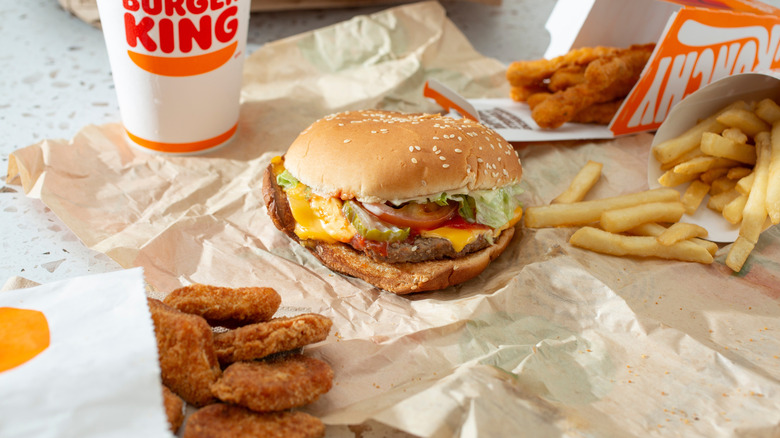
The fundamental promise of quick-service restaurants is an efficient transition from kitchen to consumer while preserving the heat of preparation. However, Burger King customers frequently report receiving burgers, fries, and chicken items that are either fully cold or exhibit an unappealing mixture of hot and cool components. Even when utilizing the app’s "hot off the broiler" prompt, which instructs the kitchen to prepare a Whopper fresh, patrons note that orders placed ahead are often made early and left sitting in warming cabinets until pickup.
2. The Dry Reality of the New Whopper
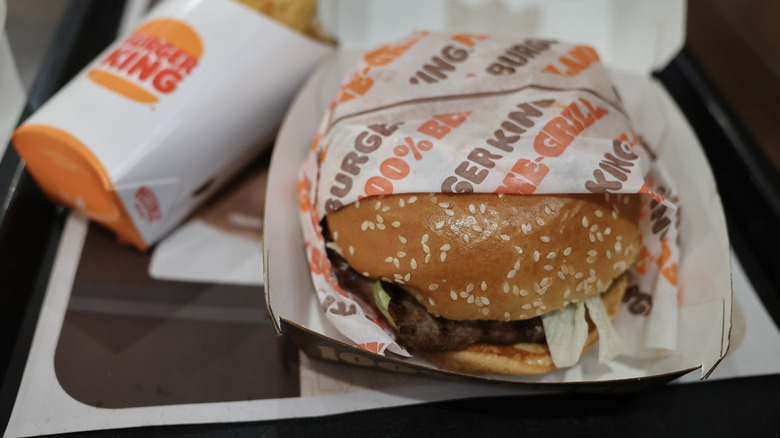
When Burger King debuted its revamped Whopper, the corporate hope was that a new bun and enhanced mayonnaise recipe would captivate diners. Instead, the update alienated many loyalists. The primary culprit appears to be the altered mayonnaise: not only was the recipe changed, but the quantity applied to the burger was drastically reduced, resulting in a significantly drier sandwich. Furthermore, diners noted that the new bun offered virtually no discernible textural or flavor upgrade over its predecessor.
3. Shrinkflation and Skimpflation
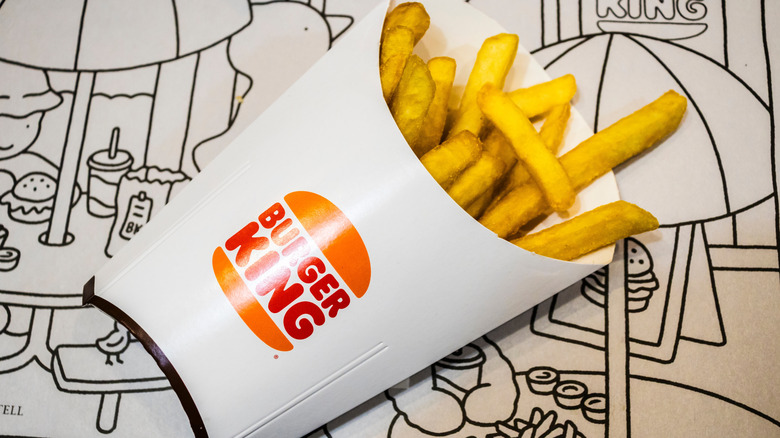
Economic pressures have visibly manifested in Burger King’s portion sizes. The chain’s signature sandwiches—including the Whopper and the Whopper Jr.—have drawn heavy scrutiny for shrinking dimensions, with the junior variant frequently described as fitting entirely inside an adult palm. Similarly, customers ordering Large Fries have shared photographic evidence online demonstrating portion sizes that closely mimic small or medium cartons, highlighting a distinct lack of culinary generosity.
4. A Malfunctioning Digital Ecosystem
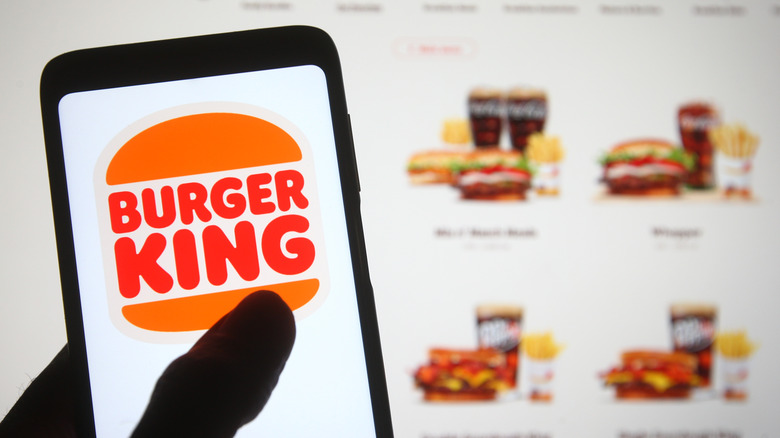
Having launched its first app nearly two decades ago, Burger King has had ample time to refine its digital infrastructure. Yet, users regularly report that the application is clunky, slow, and prone to sudden malfunctions. When attempting to redeem loyalty points, apply promotional offers, or process payments, users frequently encounter system errors that render their efforts futile—effectively costing them money and compounding customer service frustrations.
5. Exceptionally Slow Service Speeds
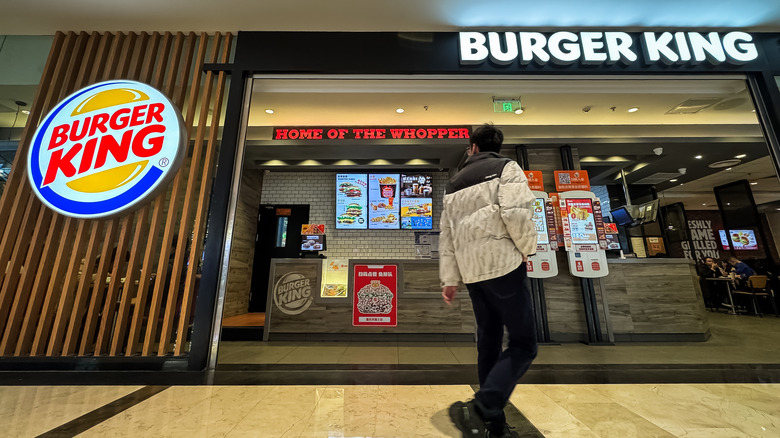
Irony abounds in the fast-food sector when a brand fails to deliver on speed. Burger King has repeatedly been rated among the slowest operators in the drive-thru and front-counter segments. Despite upper management’s stated commitments to improve throughput, field-level experiences indicate little to no tangible improvement in pacing, prompting veteran diners to advise avoiding the chain during peak hours—or on historically slow operational days like Mondays.
6. Subpar Chicken Nuggets
While McDonald’s and Chick-fil-A have long dominated the fast-food poultry market, Burger King’s chicken nuggets have historically been viewed as an afterthought. Consumer reviews paint a brutal picture: critics have blasted the nuggets for lacking crunch, bearing zero distinct flavor profiles, and frequently arriving ice-cold. An August 2026 recipe revamp failed to reverse the tide, with subsequent public reviews describing the updated nuggets as even worse than their predecessors.
7. The Refund Obstacle Course
When an order goes wrong, obtaining a refund should be a straightforward transaction. At Burger King, however, customers report a maze of administrative roadblocks. Despite website documentation outlining simple refund procedures, consumers face suspended digital accounts, arbitrary rules restricting refunds to specific days of the week, or policies that substitute cash reimbursements with low-value promotional coupons.
8. Hit-and-Miss French Fries
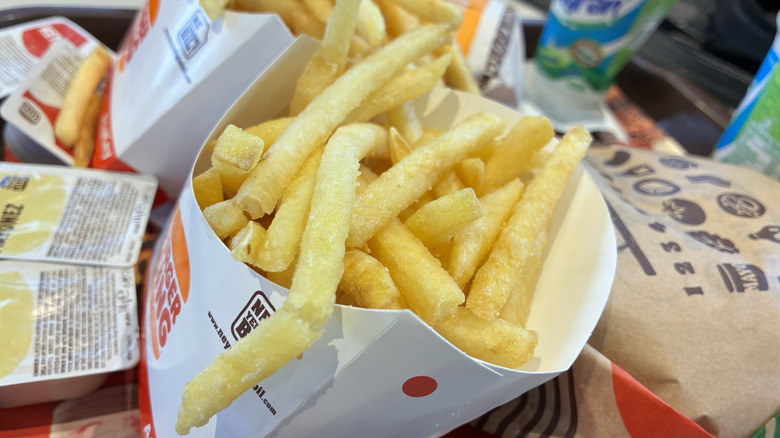
Burger King’s french fries occupy a uniquely divisive space among fast-food connoisseurs. When pulled straight from the fryer, supporters note they possess a fleeting balance of exterior crispness and interior fluffiness. However, that window of perfection is remarkably narrow. Within minutes of cooling, the fries reportedly turn limp, soggy, and devoid of satisfying flavor, leading many critics to rank them at the bottom of the national fast-food hierarchy.
9. The Decline of Chicken Fries
Debuted as a true fast-food innovation back in 2005, Chicken Fries once struck a popular chord as a snackable hybrid between a strip and a fry. Two decades later, customer sentiment has cratered. Diners note that modern Chicken Fries have shrunk dramatically—resembling miniature mozzarella sticks—with minimal actual chicken content. Furthermore, their texture has been criticized as gummy, stale, and completely devoid of crunch.
10. Chronic Order Inaccuracies
While fast-food environments are undeniably high-stress and fast-paced, customer sentiment suggests that order errors at Burger King occur at an unacceptable frequency. Reports of omitted items, incorrect modifications, and completely botched bags are widespread online. Compounding the issue is the aforementioned difficulty in securing refunds or corrections, leaving customers with financial losses and diminished brand trust.
11. Surging Prices and Aggressive Upcharges
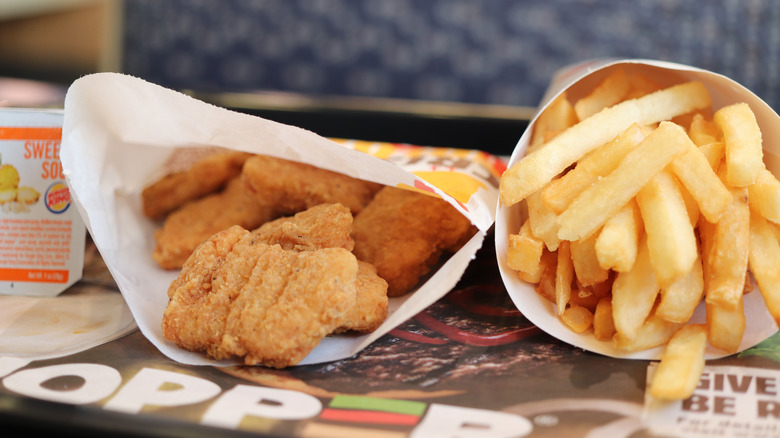
The perception of fast food as an affordable, budget-friendly meal option is rapidly eroding. Simple combo meals featuring a burger, fries, and a drink now routinely clear the $10 threshold—and frequently much higher when ordered through third-party delivery services like DoorDash or UberEats. Furthermore, consumers express outrage over aggressive corporate upcharges, such as being charged a full dollar or more for a single slice of American cheese, causing overall meal costs to spiral out of control.
Official Responses and Corporate Strategy
Burger King’s corporate parent, Restaurant Brands International (RBI), has not turned a blind eye to these persistent challenges. Throughout 2026, executive leadership has openly acknowledged the friction points within the brand’s operational framework.
In corporate earnings calls and strategic updates, management has emphasized ongoing investments in kitchen technology, employee training programs, and supply chain adjustments designed to enhance food holding times and improve drive-thru velocity. The 2026 Whopper renovation and the subsequent August chicken nugget reformulations were framed as aggressive attempts to elevate product quality and capture market share.
However, executive rhetoric has continually clashed with consumer realities. While corporate directives emphasize innovation and premium positioning, franchise-level execution remains inconsistent. Analysts note that bridging the gap between top-down strategic goals and bottom-up operational compliance requires intensive capital and localized oversight—elements that have proven difficult to standardize across thousands of independent franchise locations.
Implications: What This Means for the Future of Burger King
The accumulation of chronic customer complaints carries significant implications for Burger King’s long-term market viability.
- Brand Erosion and Erosion of Trust: In an era where consumers possess near-limitless alternatives—ranging from fast-casual competitors to localized gourmet burger chains—repeated experiences with cold food, inaccurate orders, and unhelpful customer service rapidly erode brand loyalty.
- The Perils of Premium Pricing: By pushing combo meal prices past the $10 mark while simultaneously allowing portion sizes to shrink via shrinkflation, Burger King risks alienating its core demographic. Consumers are increasingly unwilling to pay premium-casual prices for inconsistent fast-food execution.
- The Digital Disconnect: As mobile ordering and loyalty programs become primary drivers of modern fast-food revenue, software instability directly impacts the bottom line. If users cannot reliably place orders, redeem rewards, or secure refunds through the app, they are primed to migrate to competitor ecosystems like those of McDonald’s or Wendy’s.
Ultimately, Burger King’s 2026 overhaul proves that corporate ambition alone is insufficient to win back modern consumers. Until the chain successfully bridges the chasm between its polished marketing promises and the erratic, high-cost realities of counter-level service, it will continue to face an uphill battle against customer discontent.
 Azzam Bilal Chamdy
  Layla Zulfa
  Asep Darmawan