
 By Dwi Wanna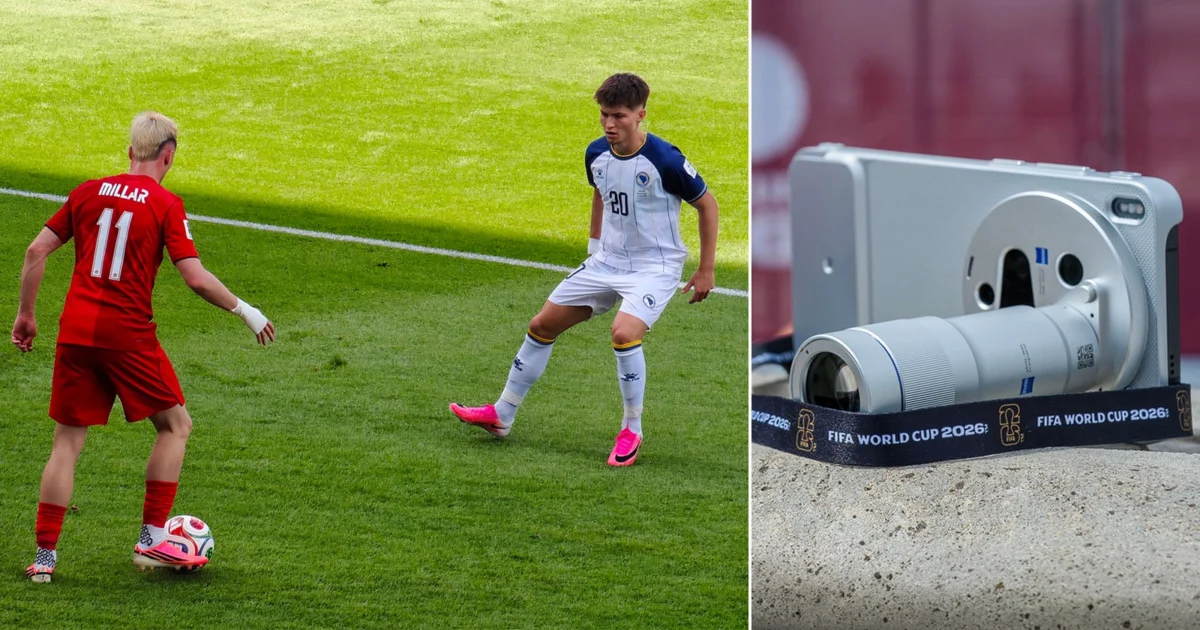
The FIFA World Cup is, without contest, the most electrifying spectacle in global sports. For the millions of fans who secure tickets, the experience is usually defined by the roar of the crowd and the sheer scale of the pitch. However, for photography enthusiasts, the stadium presents a frustrating paradox: you are surrounded by world-class athletes, yet you are physically distanced by rows of seating and stringent security policies that effectively ban the tools of the trade.
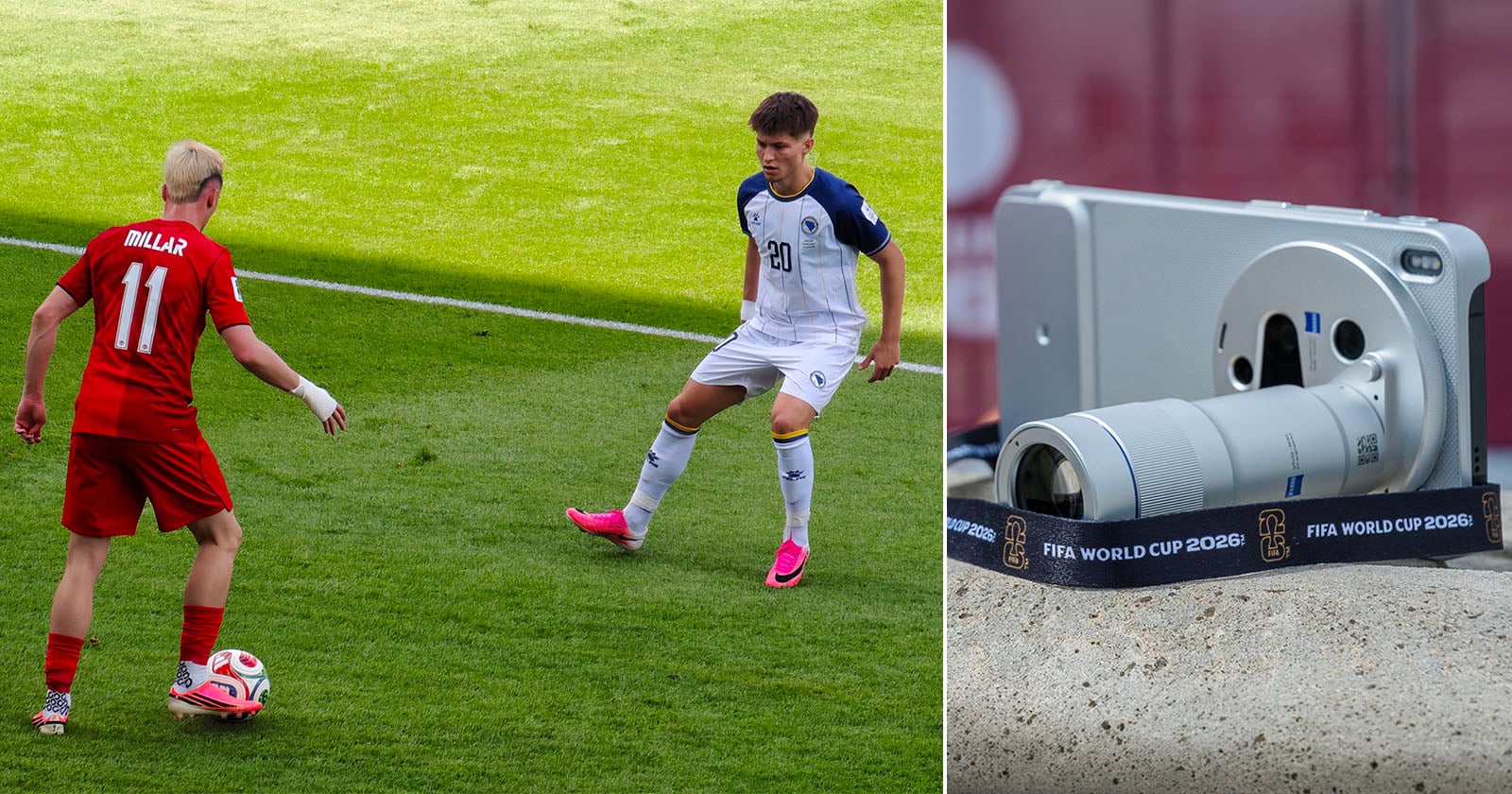
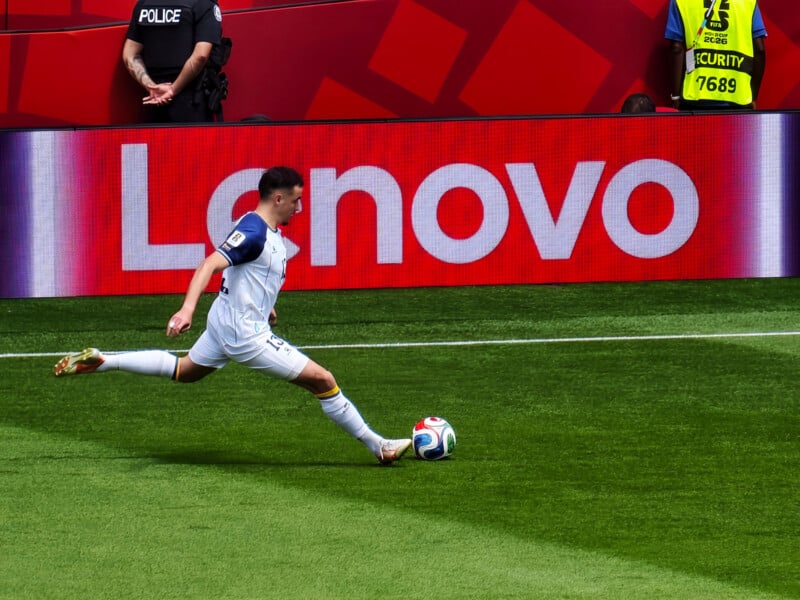
As the 2026 World Cup reaches a fever pitch, the question arises: is it possible to bridge that gap without hauling a professional-grade mirrorless rig that would be rejected at the gate? The answer may lie in the evolving world of mobile photography, specifically the pairing of high-end flagship smartphones with specialized teleconverter lenses. During the Canada vs. Bosnia and Herzegovina match in Toronto on June 12, I set out to test whether this hybrid setup could deliver professional-looking results while navigating the minefield of FIFA’s strict stadium guidelines.
Navigating the Labyrinth of FIFA Stadium Policies
To understand the feasibility of mobile telephotography, one must first master the "legalese" of the FIFA Stadium Policies. FIFA is notoriously protective of its broadcasting rights and commercial interests, which manifests in strict prohibitions against "professional" equipment.
The "Professional" Definition
The regulations explicitly forbid mirrorless and DSLR cameras with interchangeable lenses. The term "professional" is the operative word here, and it is used as a catch-all to exclude any gear that suggests a media credential. While point-and-shoot cameras and standard smartphones are permitted, the ambiguity surrounding external attachments—like teleconverters—is where the real challenge lies.
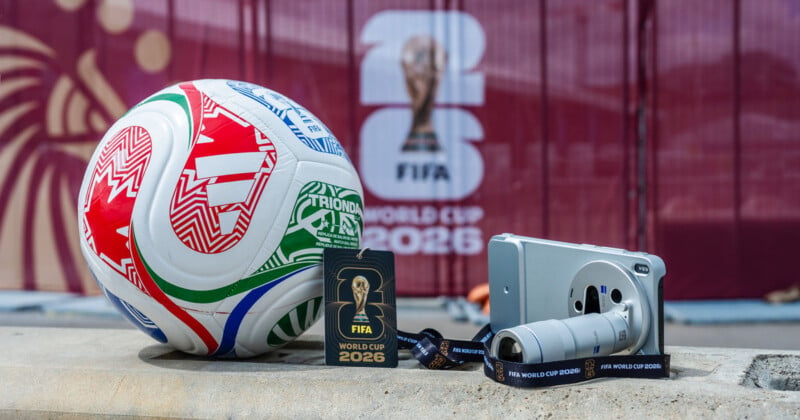
FIFA’s guidelines prohibit "professional video cameras" and equipment capable of recording high-end broadcast-quality media. More importantly, the rules are draconian regarding stability gear: tripods, monopods, and the ubiquitous selfie stick are strictly banned. The goal is to prevent the obstruction of views and ensure that spectators remain within the confines of their seating area.
The Grey Area of Magnification
Interestingly, while large binoculars are generally restricted, there is a loophole for "photographic camera lenses for non-professional purposes." This creates a fascinating grey area. A 200mm or 400mm teleconverter attached to a smartphone is, by its nature, an optical magnifier. However, because these lenses lack the sophisticated glass and aperture control of a professional telephoto prime, they rarely trigger the scrutiny that a 70-200mm f/2.8 lens would. The security personnel are trained to spot "professional camera bodies," not necessarily a smartphone with a small glass attachment.
The Equipment: Why the Vivo X300 Ultra?
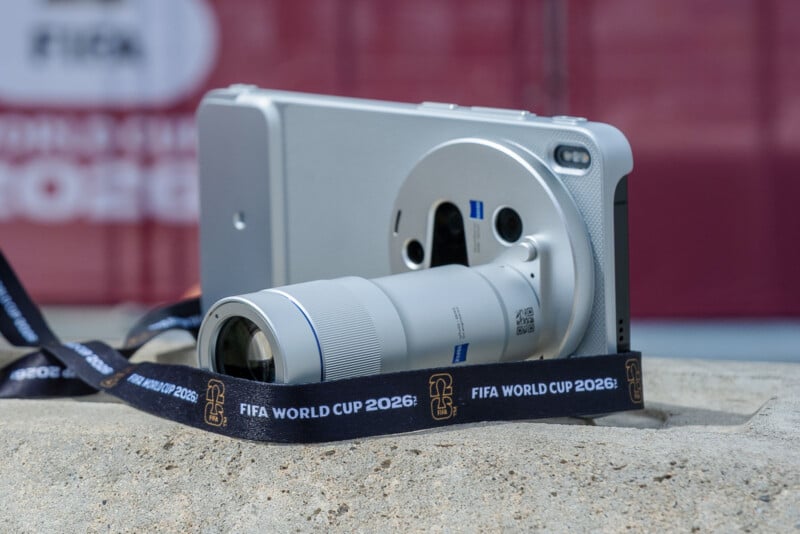
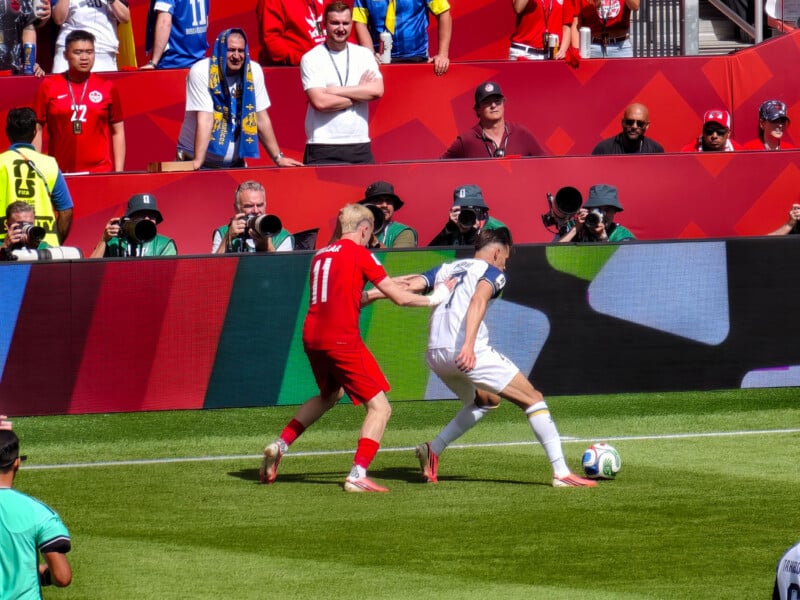
For this experiment, I selected the Vivo X300 Ultra coupled with a 200mm Gen 2 teleconverter. The choice was tactical. While the 400mm lens offers more reach, its physical presence—the sheer size of the glass—risks being flagged by security as "professional equipment."
The 200mm, conversely, is compact and maintains a profile that feels "consumer-grade" to the untrained eye. Beyond the physical size, the software integration was the deciding factor. Many flagship phones, such as those from Oppo, artificially restrict the camera’s manual interface when they detect an external lens attachment. Vivo, however, allows full access to its suite of Pro tools, including Snapshot mode, Pro Photo, and specialized Log profiles for video. This level of software flexibility is the difference between a blurry, noisy crop and a crisp, usable frame of a striker mid-sprint.
Chronology of the Matchday Experience
1:00 PM – Arrival at BMO Field: The security checkpoint is the most high-stakes moment of the day. With a clear bag policy in effect—restricting bags to those under 6.5 inches—I had to ensure my gear was discreet. The teleconverter was kept in a pocket, separate from the phone. The phone itself was kept in a standard, low-profile case.
2:30 PM – Pre-Match Warmups: As the teams took the field, the natural light was harsh and bright. I utilized the Vivo’s Snapshot mode, which relies on computational photography to freeze motion. Because the ambient light was abundant, the sensor was able to keep the ISO low, preventing the "digital grain" that often ruins mobile sports photography.
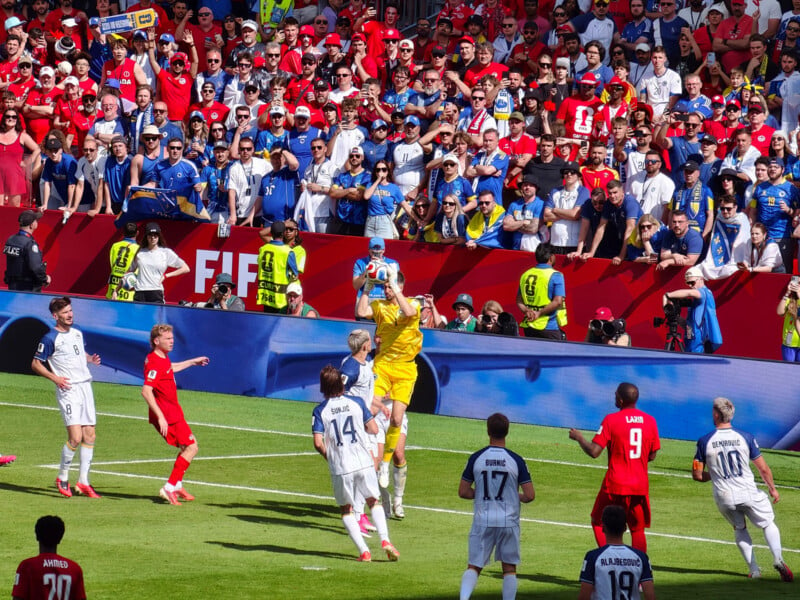
4:00 PM – The Kick-off: During the first half, I maintained a position in the lower bowl. I avoided using the "Photography Kit" grip accessory that comes with the X300, as the added bulk might have been misinterpreted as a camera rig. By relying on manual shutter speed adjustments in Pro Photo mode, I was able to compensate for the fast-paced movement of the Bosnian midfield.
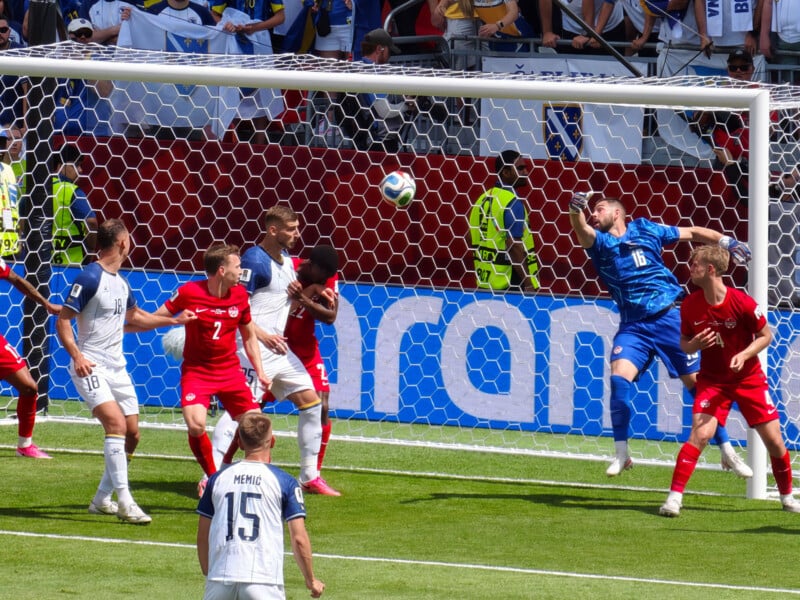
5:15 PM – The Goal: As the match intensified, I caught the crucial goal by Bosnia. The distance was approximately 150 feet. Even at that range, the 200mm lens, combined with the phone’s internal stabilization, captured the intensity of the header.
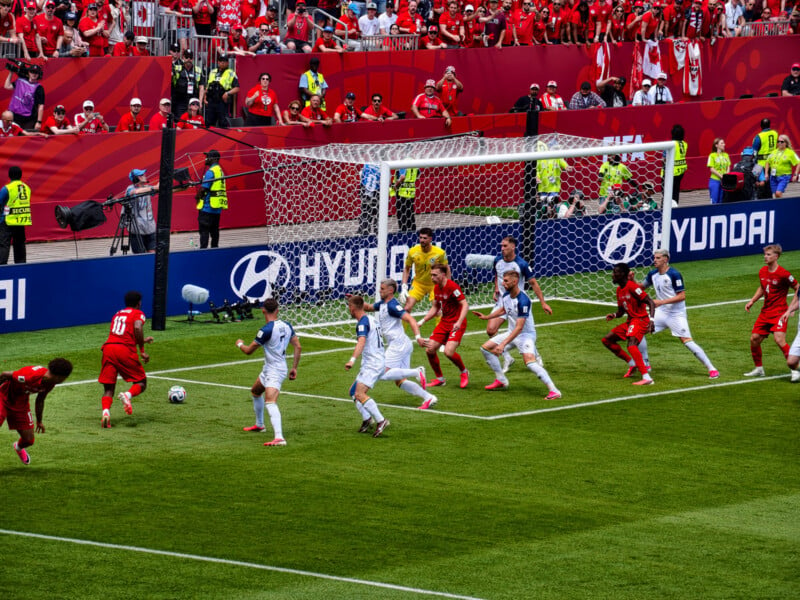
6:00 PM – Post-Match: Exiting the stadium, I reviewed the footage. The results were not just passable; they were emotive, capturing the sweat, the tension, and the expressions of the players in a way that standard smartphone digital zoom never could.
Supporting Data: Optics vs. Computation
The success of this experiment relies on three pillars:
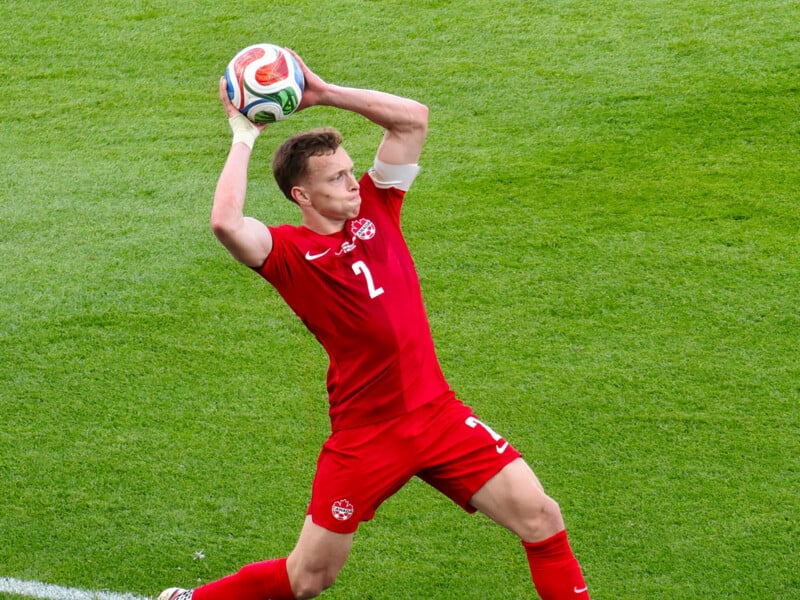
- Shutter Speed Control: The most common failure point in mobile sports photography is motion blur. By forcing the shutter speed to 1/1000th of a second or higher, I was able to "stop" the action of the players.
- Computational Processing: Unlike a DSLR, which relies solely on the glass, the Vivo X300 Ultra uses advanced AI to process the image in real-time. This includes noise reduction and edge sharpening, which masks the limitations of the smaller smartphone sensor.
- The "Snapshot" Advantage: Standard smartphone cameras are often optimized for portraits or landscapes. Vivo’s specific "Snapshot" mode is tuned for high-speed tracking, which proved vital when players shifted direction rapidly.
Official Stance and Implications
FIFA’s stance on fan-generated content remains firm: media produced in the stadium is for personal, non-commercial use. While social media has blurred the lines—where a fan’s video can technically go "viral" and generate revenue—the primary intent of these rules is to protect the exclusive broadcast rights held by official networks.
From an industry perspective, the rise of "pro-sumer" mobile gear poses a challenge for stadium security. As smartphones become more powerful, the distinction between a "phone" and a "professional camera" is vanishing. We are reaching a tipping point where stadium security may soon need to implement rules based on focal length or sensor size, rather than the device type itself.
The Verdict: Is It Worth It?
Taking a smartphone teleconverter to a World Cup match is a balancing act. You are sacrificing the optical perfection of a 400mm f/2.8 lens for the sake of accessibility and the ability to bring your camera inside the stadium.
For the average fan, the result is well worth the effort. The images captured provided a level of intimacy that sitting in the stands usually denies. However, this experiment came with a sacrifice: I left behind my grip and my 400mm lens to avoid being denied entry. The takeaway is simple: if you choose your gear wisely and prioritize software flexibility over raw optical reach, you can absolutely walk away with shots that feel like they belong on the back page of a newspaper, all while keeping your seat in the stands.
As mobile technology continues to bridge the gap between amateur and pro, the fan experience is being democratized. We are no longer just spectators; with a little bit of planning and the right hardware, we are becoming the documentarians of the world’s greatest sporting moments.
 Laily UPN
  Reynand Wu
  Lina Hope