
 By Raul Delapena Setiawan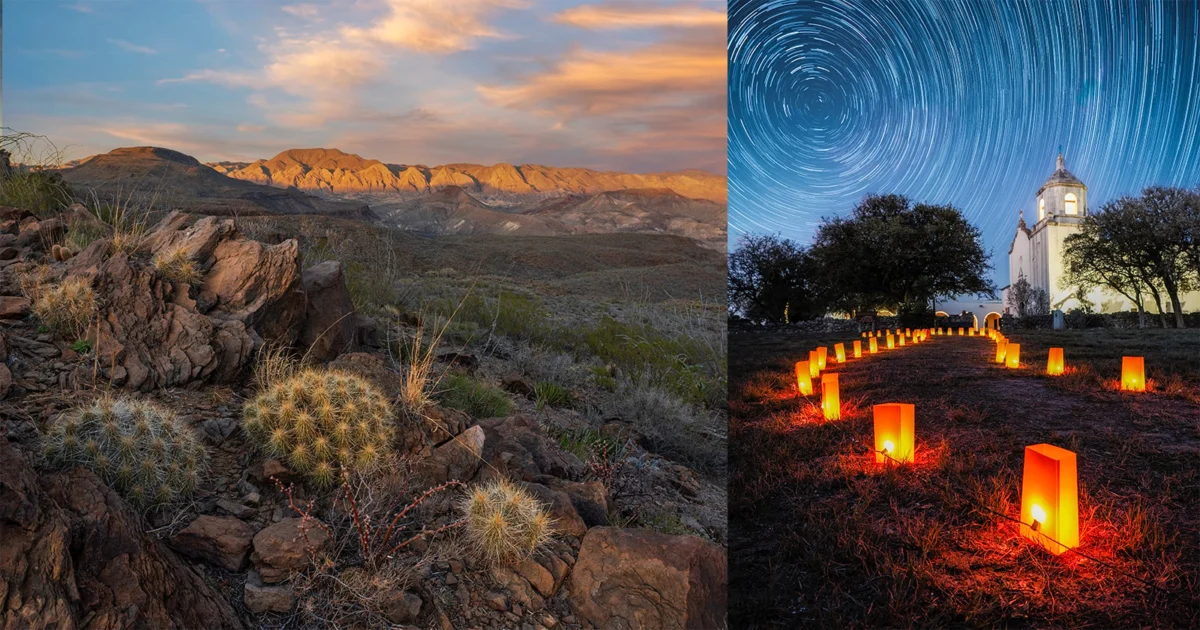
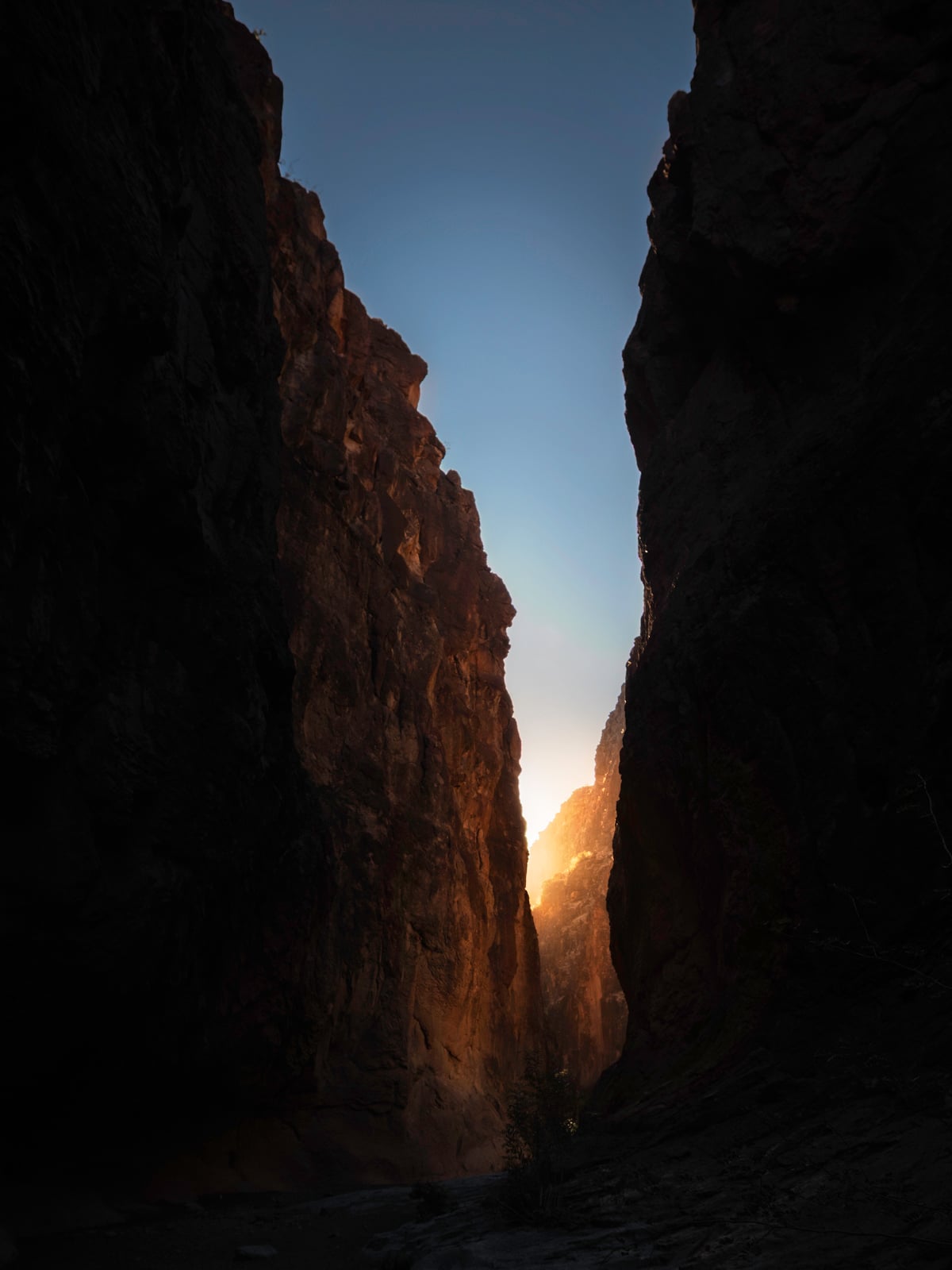
At 1:45 a.m., while most of the world remains tethered to the comforts of home, professional photographer Maegan Lanham was already miles deep into a silent, backcountry road. Her destination? A remote ridge in a dark canyon, reached only after a grueling three-and-a-half-mile hike and a vertical gain of 1,300 feet. She had no guarantee of a spectacular sunrise, nor the promise of a perfect frame—only the quiet conviction that the effort itself was the reward.
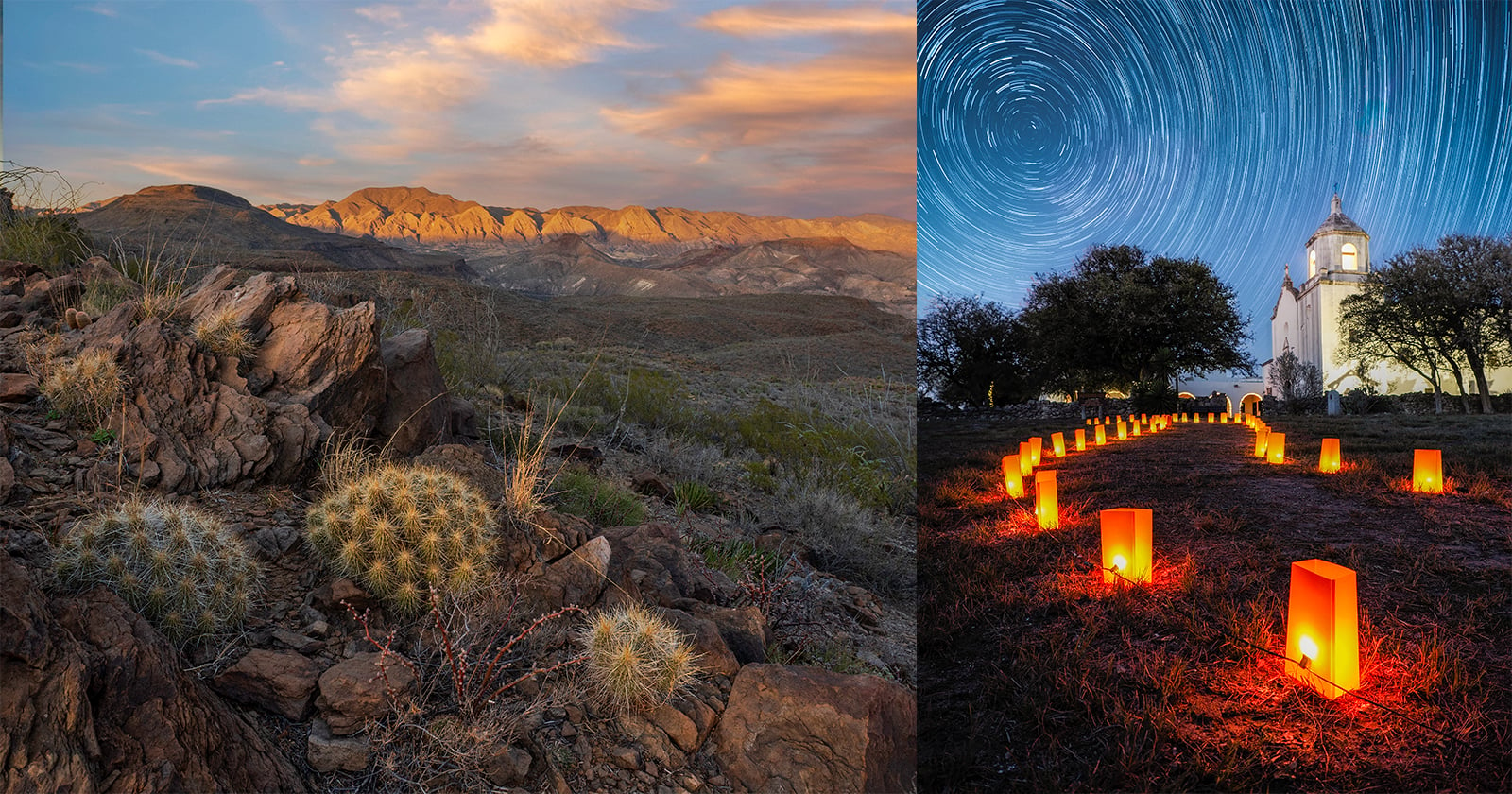
This level of dedication is the hallmark of Lanham’s career, a trajectory defined by a singular, ambitious mission: to document every single state park in Texas. Over the course of six and a half years, Lanham transitioned from a casual enthusiast with a disposable camera to a seasoned professional, capturing the rugged, diverse, and often hidden beauty of the Lone Star State.
The Genesis of a Mission: From Disposable Cameras to Professional Pursuits
Lanham’s journey with photography began long before she held a professional-grade camera. “Growing up, my family took two and three-week-long road trips every summer, all over the country, visiting national parks,” she recalls. “My mom would take photos and make little albums, and I wanted to be like her. I had this disposable camera and I couldn’t even see what I was shooting. I just took pictures of everything.”
The turning point occurred shortly after college during a spontaneous road trip to the Grand Canyon. “I’d been there as a kid, but seeing it as an adult, I couldn’t believe places like this existed. That last morning I woke up for the sunrise, and it was the most beautiful one I’d ever seen. I stood there thinking that many people don’t always make the effort to see this. That’s where my mindset shifted.”
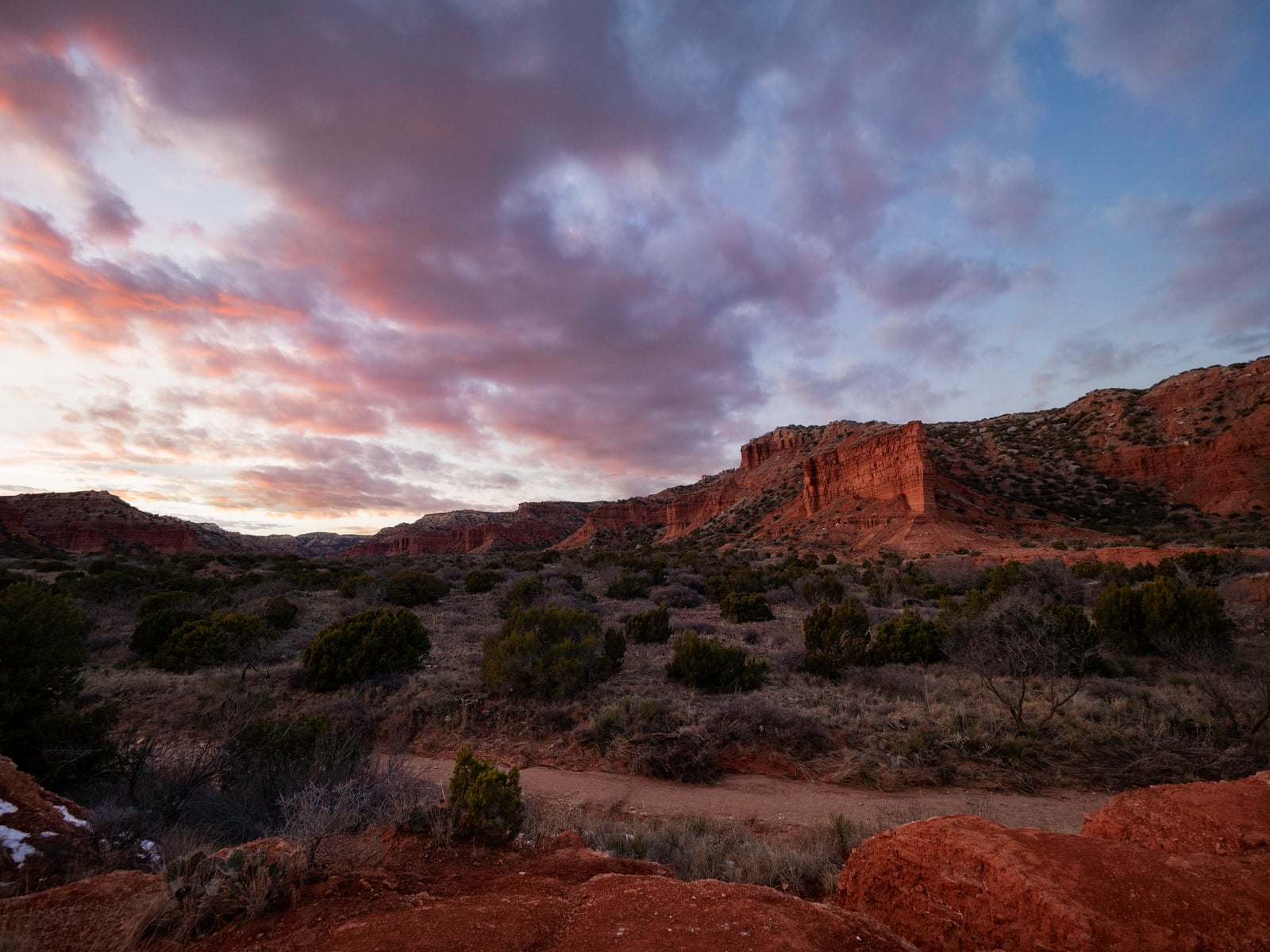
This epiphany sparked a desire to find those same transcendent moments closer to home. Her first foray into the Texas State Park system began at Enchanted Rock during a freezing post-Christmas trip. Without a tripod, she propped her camera against a rock to capture her first night-sky image. The experience was transformative. Soon after, a solo trip to Caprock Canyons—where she encountered roaming bison and dramatic, sweeping vistas—solidified her resolve. She decided then and there to visit, hike, and photograph every park in the Texas system.
Chronology of a Landscape Photographer
Lanham’s commitment to the project was not merely a hobby; it became a full-fledged career path. After earning a degree in photojournalism from the University of North Texas, she secured a volunteer ambassador internship, which eventually paved the way for a staff position at Texas Parks & Wildlife magazine.
The six-and-a-half-year endeavor saw her traversing every corner of the state, from the swampy, cypress-laden waters of Caddo Lake to the arid, towering cliffs of the Rio Grande. Her process evolved alongside her skills, moving from trial-and-error to a disciplined, expert approach to light, composition, and environmental storytelling.
Key Milestones:
- The Catalyst: The realization at the Grand Canyon that the effort required to reach a location is what gives the photograph its value.
- The Learning Curve: The transition from general photography to specialized landscape and wildlife documentation.
- The Professional Leap: Leveraging her passion into a role as a staff photographer for Texas Parks & Wildlife.
- The Completion: Successfully photographing all state parks, a feat rarely attempted by even the most dedicated landscape photographers.
Technical Mastery and Gear Philosophy
A significant portion of Lanham’s success is attributed to her philosophy of matching gear to the environment. Whether she is in a freezing canyon, navigating sand dunes, or operating a kayak on unstable water, she requires equipment that is as rugged as the terrain.
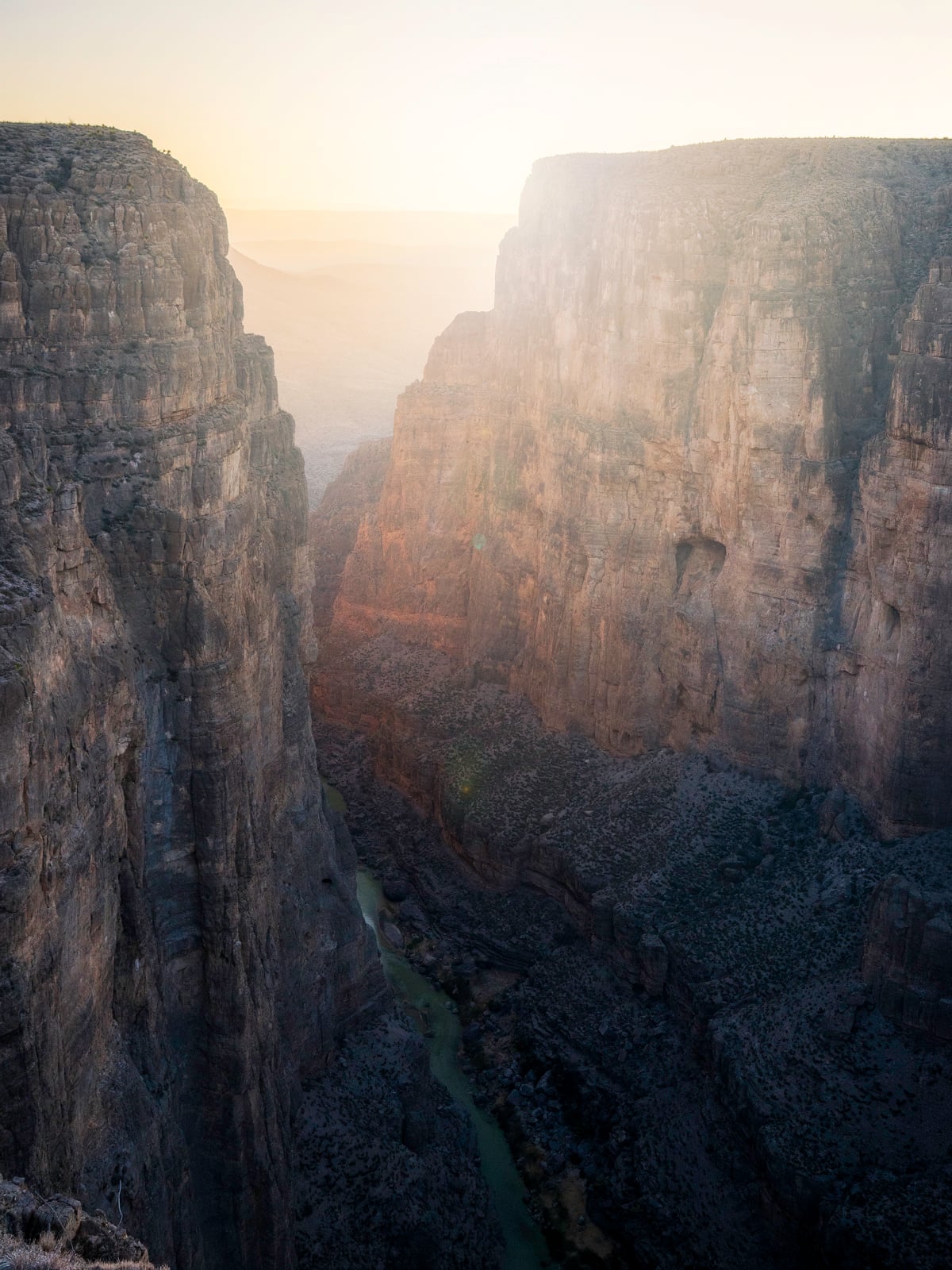
"My photography takes me to freezing canyons, blowing sand, and out onto the water, so my camera has to handle all of it," Lanham notes. She currently relies on the OM SYSTEM OM-1 Mark II, a choice driven by the need for portability and durability. Because she often reaches remote locations by kayak—where tripods are useless—the camera’s in-body image stabilization (rated up to 8.5 stops) is critical for capturing sharp, handheld frames on the water.
The Role of Technology
Lanham leverages several advanced features to overcome the challenges of landscape photography:
- Live ND/GND: By using in-camera neutral-density simulation, she saves weight by leaving physical glass filters at home.
- Focus Stacking: Essential for capturing foreground detail in massive, expansive landscapes.
- Starry Sky AF: A specialized autofocus mode that allows her to lock onto stars with precision, removing the guesswork from long-exposure astrophotography.
- Live Composite: Used to build star trails in-camera, allowing her to visualize the final image as it develops during long exposures.
Lessons from the Field: The Photographer’s Ethos
Lanham’s approach is defined by several core principles that she believes every landscape photographer should adopt.
1. The Sunrise Rule
"Always wake up for sunrise. I don’t care if it’s 20 degrees out and I’m warm in my tent, I’m still getting up," she insists. For Lanham, the solitude of the early morning is not just about the light; it is about the quiet connection with nature.
2. Revisiting the Familiar
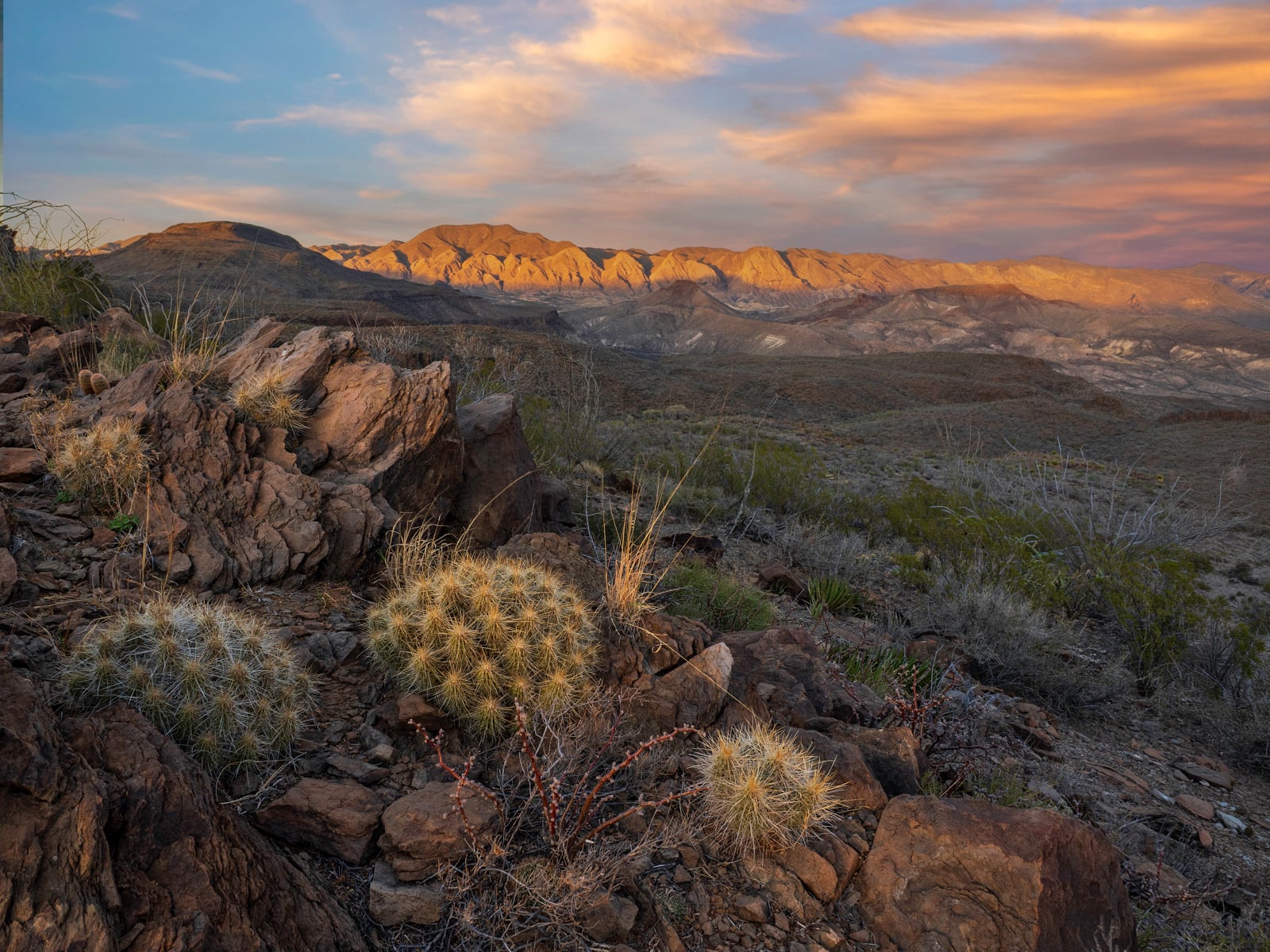
While many photographers chase "new" locations, Lanham finds depth in returning to places she loves. "Stand in one spot, move 20 yards to the right, and it’s a whole different composition," she explains. By revisiting sites like Caprock Canyons, she captures how shifting weather, seasons, and light redefine a landscape.
3. Pack Lighter, Go Further
Lanham treats weight as a trade-off. By utilizing a lighter camera system, she can carry more essential safety gear, such as extra water, a first-aid kit, and satellite communication devices. "Every piece of gear has to earn its place," she says.
4. Flexibility as a Virtue
Her experience with a failed lunar eclipse shoot in Big Bend Ranch State Park taught her that plans are secondary to reality. When clouds obscured the moon, she pivoted to capturing the river landscape instead. "Don’t count on the photo you wanted being the photo you get," she advises.
Wildlife as a Side Quest
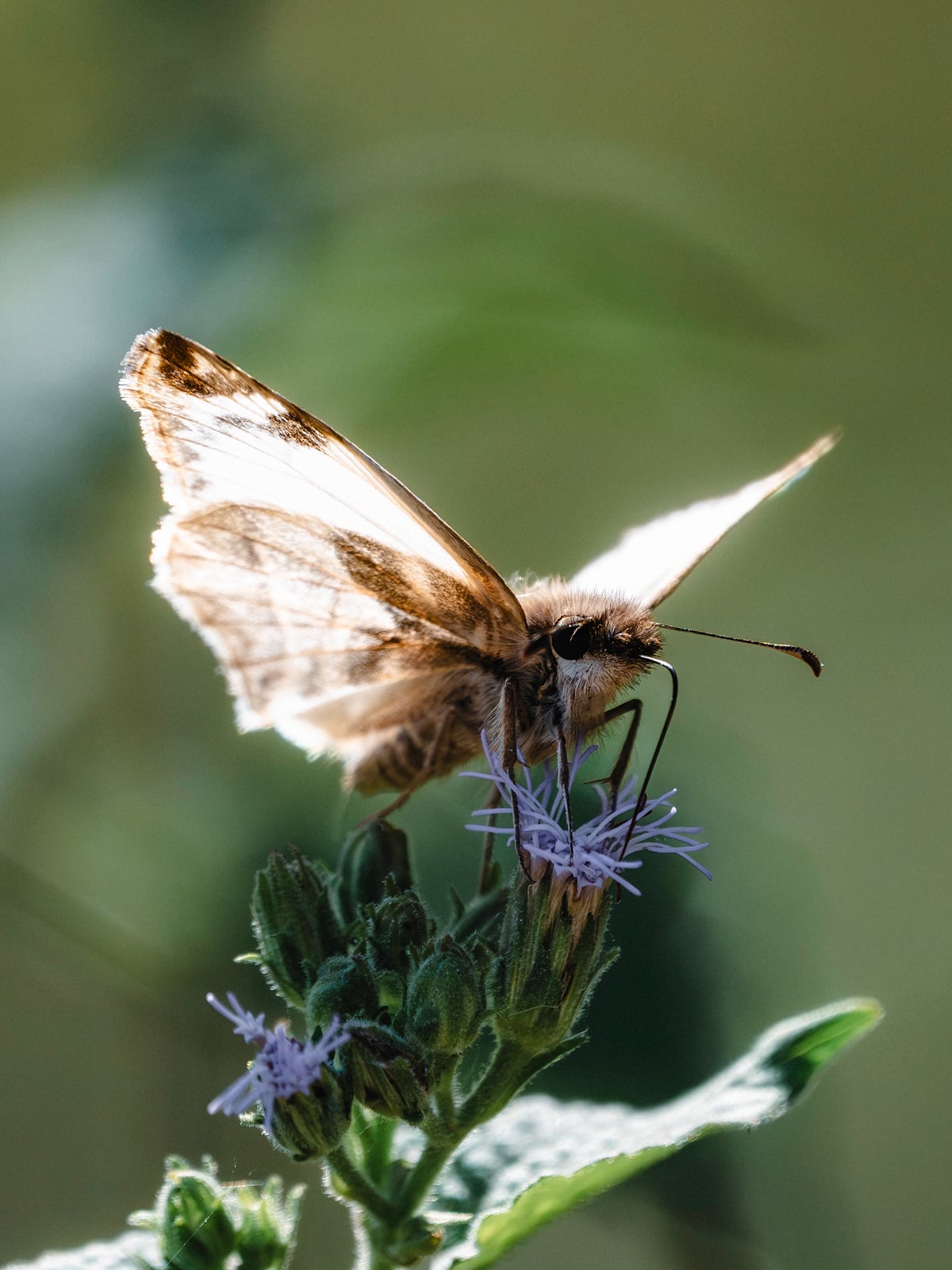
While landscapes are her "bread and butter," Lanham has a profound respect for the wildlife that inhabits these regions. She often spends hours observing animal behavior before ever clicking the shutter. Her patient approach—such as waiting three hours for a green kingfisher in the Rio Grande Valley—is supported by the high-reach capabilities of the M.Zuiko Digital ED 150-400mm lens.
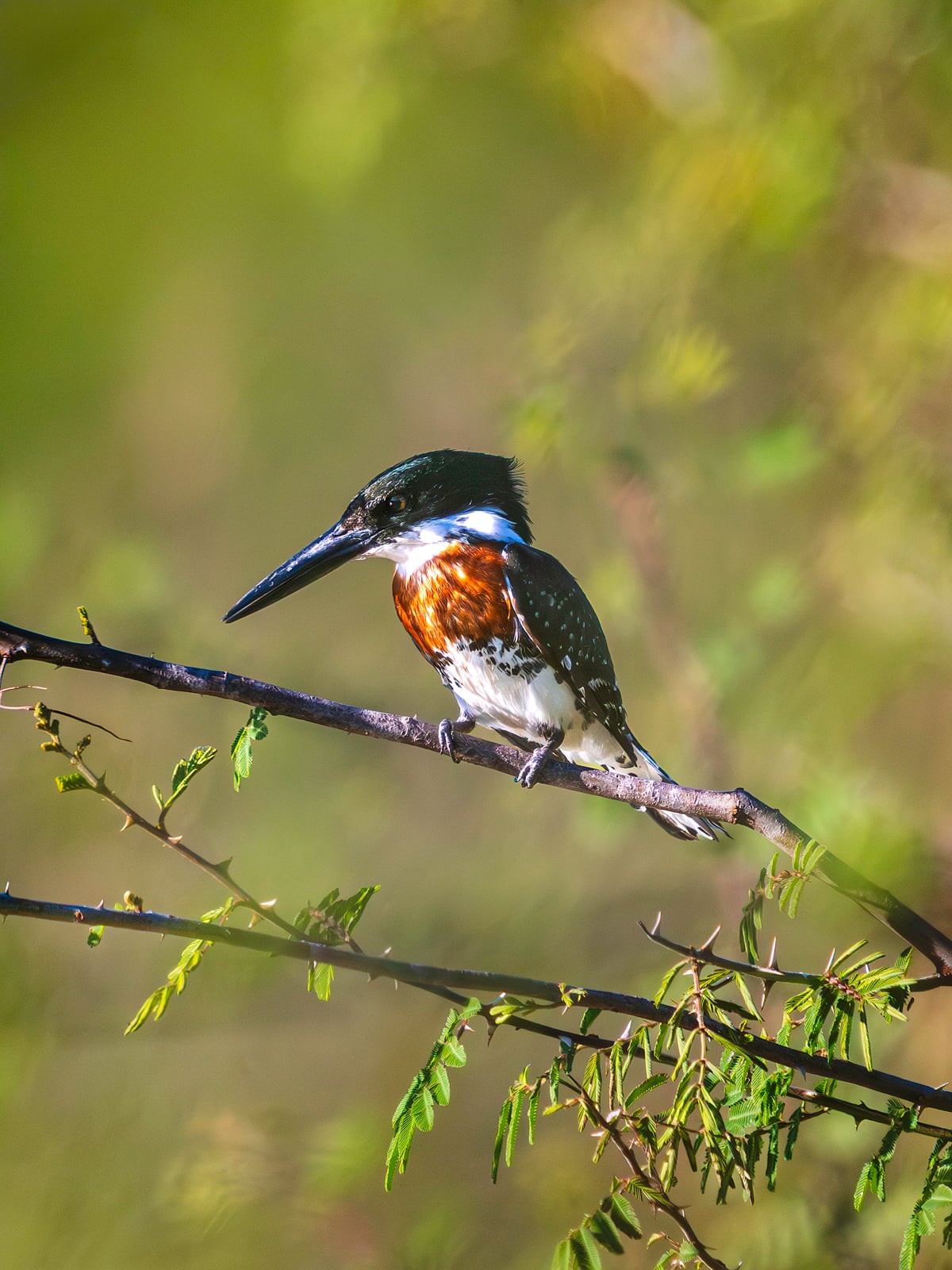
Beyond the technical aspect, she emphasizes the importance of understanding the animals’ role in the environment. Her history includes participating in the conservation efforts to reintroduce desert bighorn sheep to West Texas, a project she describes as a foundational experience in her appreciation for wildlife.
The Wider Implications: A Call to Stewardship
The ultimate goal of Lanham’s project extends beyond artistic achievement. Texas, with its vast expanse of private land, has limited public space, and Lanham views the state parks as vital natural treasures.
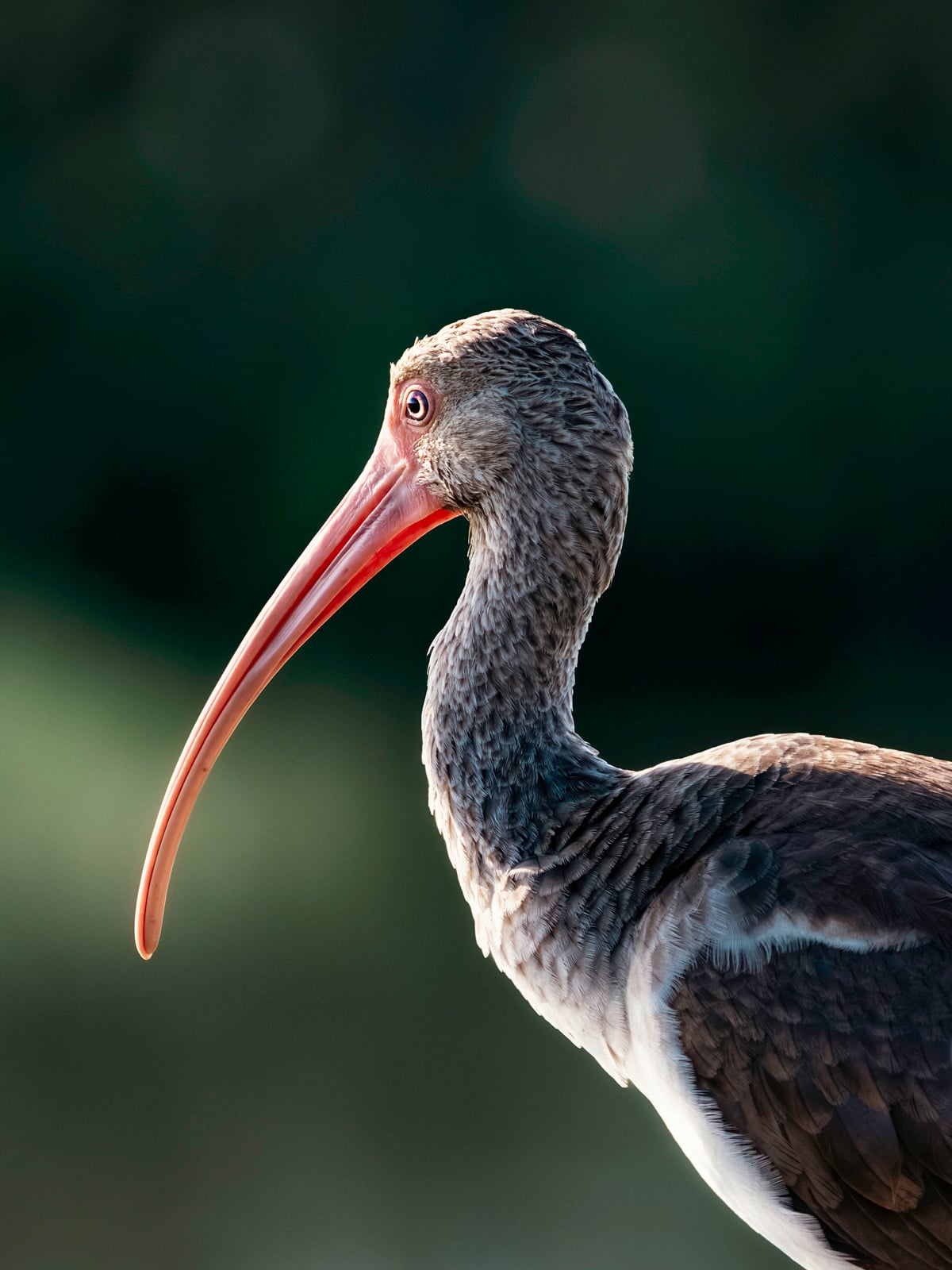
"I push hard for preserving what we’ve got," Lanham says. "I want people to see these places, go fall in love with them the way I did, and want to protect them like I do." By documenting these parks, she hopes to encourage more people to experience the outdoors and, in turn, become advocates for conservation.
Her work stands as a testament to the idea that photography is not just about the image, but about the experience and the legacy of the land itself. Through her lens, Lanham has provided a visual record of a system that is as diverse as it is fragile, ensuring that these pockets of wilderness remain in the public consciousness for generations to come.
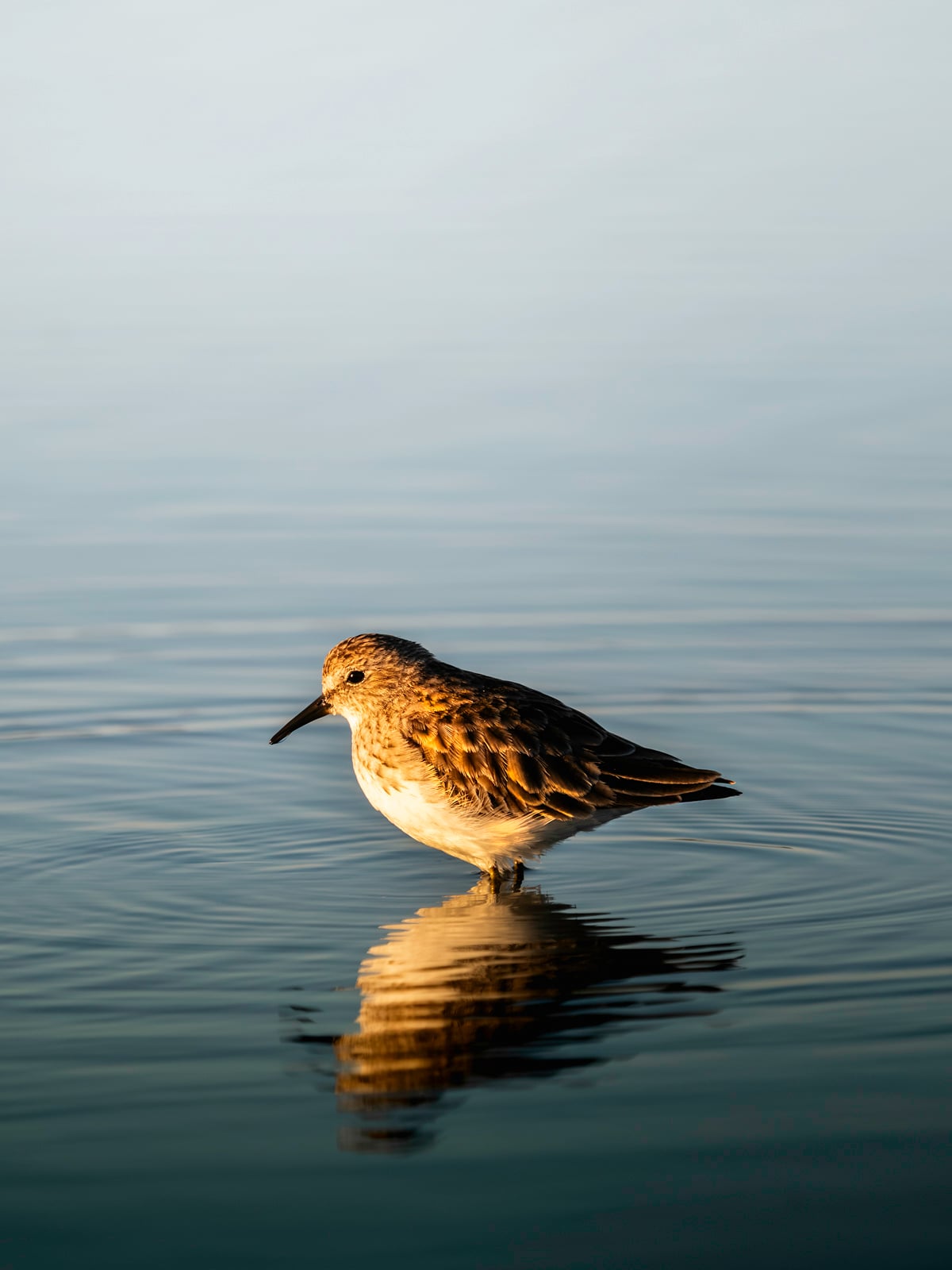
As she looks toward the future, her message remains simple: "The experience is the whole point. Love what you do, and it’s going to show in the photos." Whether she is standing on a ridge in the dead of night or paddling through a quiet swamp at dawn, Maegan Lanham continues to chase the light, inviting us all to follow along and discover the beauty hidden in our own backyards.
Disclosure: This article is supported by OM SYSTEM. Maegan Lanham’s work can be followed on her Instagram account.
 Laily UPN
  Reynand Wu
  Lina Hope