
 By Siti Muinah
In the rolling landscape of California’s Central Coast, a quiet revolution is underway. Winemakers in Santa Barbara County have moved beyond the traditional constraints of viticulture, embracing a spirit of artistic rebellion and deep-rooted agricultural stewardship. Often described by industry insiders as the "Wild West" of American wine, the region offers a level of experimental freedom rarely found in the highly codified, historic appellations of Napa Valley or Bordeaux.
As a sommelier and wine professional, my recent trek through this region revealed a landscape defined not just by its grapes, but by its geography, its history, and its fearless, avant-garde approach to winemaking.
Main Facts: The Geography of Flavor
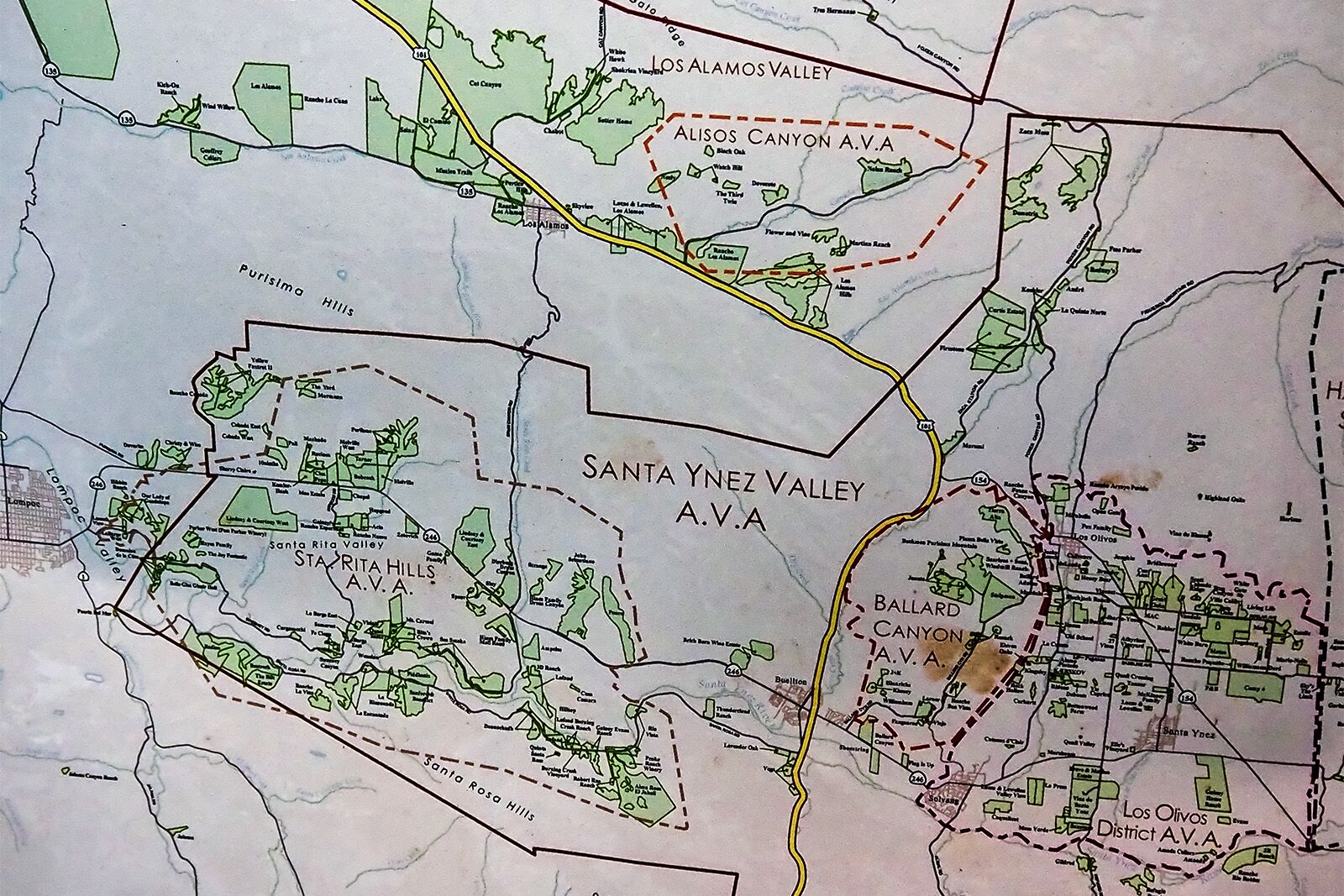
Santa Barbara Wine Country is deceptively expansive. It is one of the most geologically and climatically diverse winemaking territories on the planet. The region is defined by seven official American Viticultural Areas (AVAs) that follow a unique east-to-west orientation.
Unlike most wine regions in California, which run north to south, the Santa Ynez and San Rafael mountain ranges here open like a funnel toward the Pacific Ocean. This creates a natural conduit for the freezing currents of the Gulf of Alaska, which surge down the coast. This maritime influence creates a profound temperature gradient: for every mile you travel inland from the coast, the temperature climbs roughly one degree. This cooling effect allows grapes—particularly Pinot Noir, Chardonnay, and Syrah—an unusually long "hang time" on the vine. The result is a slow, methodical ripening process that produces wines with remarkable acidity, layered flavor profiles, and refined tannin structures.
The seven AVAs—Santa Maria Valley (California’s second-oldest), Sta. Rita Hills, Ballard Canyon, Happy Canyon, Los Olivos District, Santa Ynez Valley, and Alisos Canyon—form a mosaic of microclimates. While the cool, foggy coast favors delicate Pinot Noir, the warmer, inland pockets of Happy Canyon are ideal for robust, sun-drenched Bordeaux varietals like Cabernet Sauvignon.
Chronology: A Three-Day Odyssey
Day 1: The Urban Pulse of the Funk Zone
Your journey should begin where the ocean meets the city. The "Urban Wine Trail" in Santa Barbara’s Funk Zone is a testament to the region’s accessibility. Once a gritty industrial warehouse district between the Pacific and Highway 101, this area has been transformed into a vibrant hub of tasting rooms, art galleries, and high-end gastronomy.
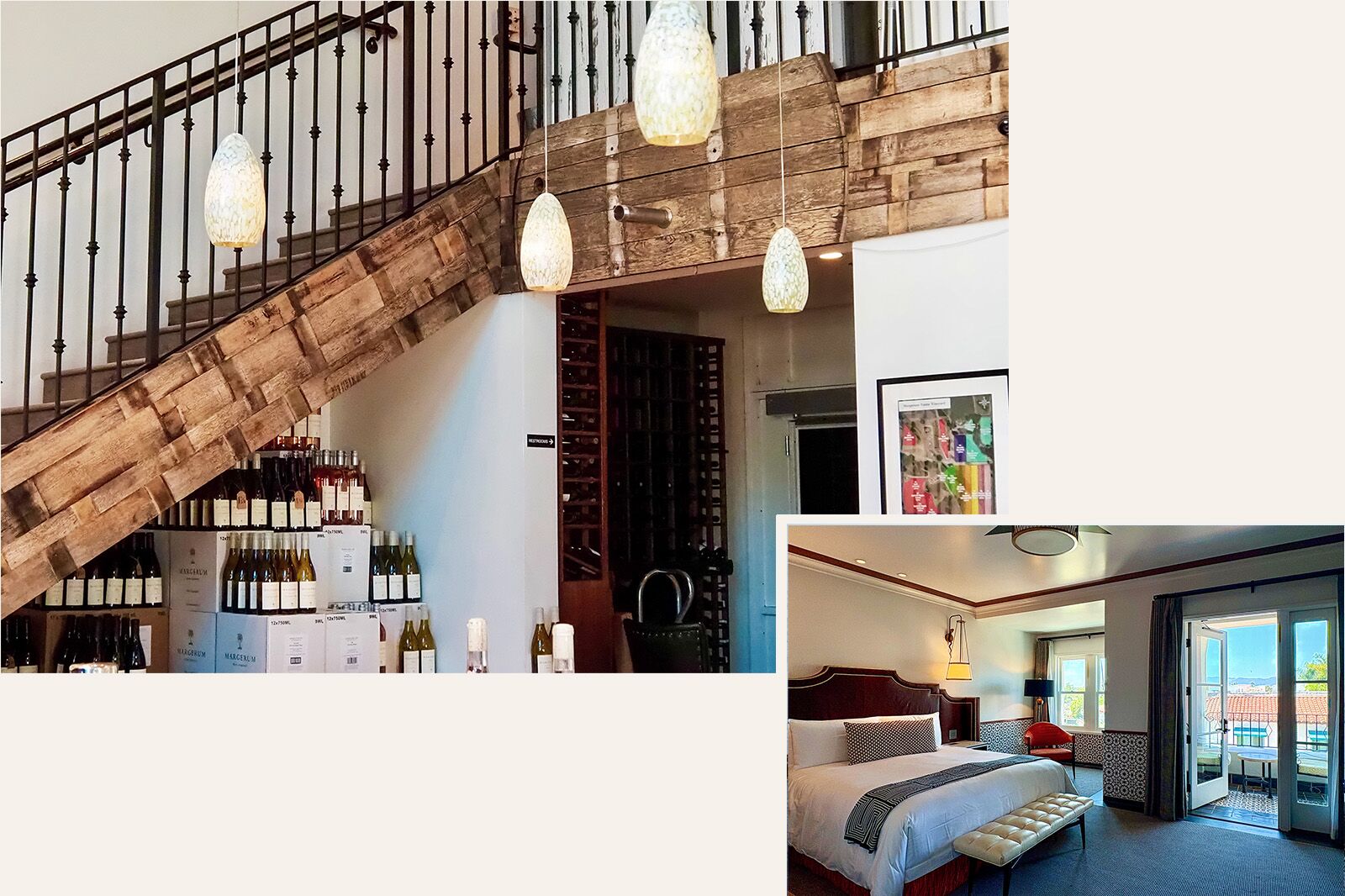
Visit Margerum Santa Barbara, where the sleek, marble-topped bar offers a perfect introduction to the region’s breadth. Pair a flight of seasonal varietals with their curated charcuterie to understand the transition from classic Burgundian-style wines to the bolder expressions emerging from the valley.
As the sun sets, dinner at Blackbird, located within the Hotel Californian, provides a masterclass in "hyper-locality." The menu emphasizes the bounty of the Central Coast, with standout dishes like steak tartare and the imposing, hatchet-served Tomahawk steak. The beverage program is equally thoughtful, featuring house-infused spirits—think fig cognac or vanilla-kissed vodka—alongside a deep, local wine list. Retire to the Hotel Californian, where the Moroccan-inspired design and rooftop pool offer views that capture both the vast Pacific and the looming Santa Ynez mountains.
Day 2: The Cool-Climate Heartland
A 45-minute drive northwest transports you into the heart of the valley. Your first stop must be the Sta. Rita Hills AVA, a region world-renowned for its ethereal, mineral-driven wines. At Melville Winery, the experience feels like visiting a European villa. Here, organic and sustainable practices are not just buzzwords; they are the bedrock of the operation. Sipping their 2024 estate Pinot Noir—redolent of sage, white pepper, and rose petals—I was struck by the precision of the winemaking.
After a lunch of Santa Maria-style barbecue at The Hitching Post II in Buellton—where the air is perfumed by the smoke of red oak—head to the Los Olivos District. At Carhartt Family Wines, the setting shifts to a cozy, wooden cabin. The story here is one of family tenacity; it is a 100 percent direct-to-consumer operation, meaning their limited production cuvées can only be found here.
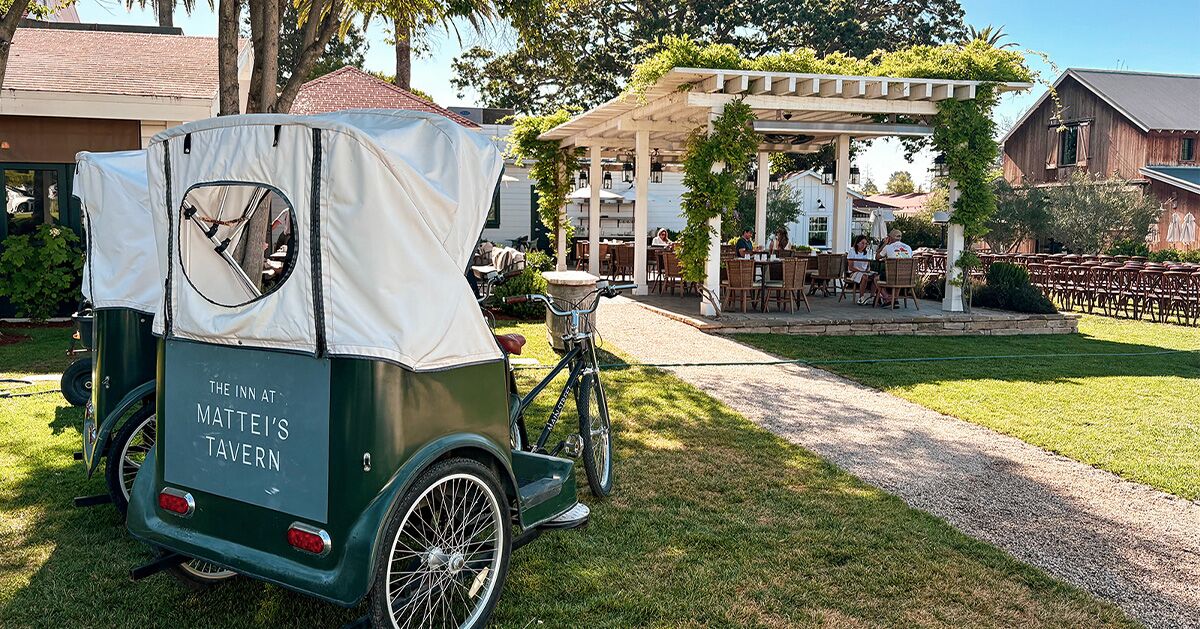
End your day at The Inn at Mattei’s Tavern, a historic 1886 stagecoach stop that once served as a clandestine hideaway during Prohibition. The tavern’s "Wednesday Winemaker" series allows you to mingle with the very people shaping the local terroir, often accompanied by live music.
Day 3: Heritage and the Frontier
In the north, the Santa Maria Valley AVA offers a different perspective. At Ranchos de Ontiveros, James Ontiveros represents the ninth generation of his family to work this land. His passion for the alluvial soils is palpable, as is his dream of seeing this valley designated as a UNESCO World Heritage site.
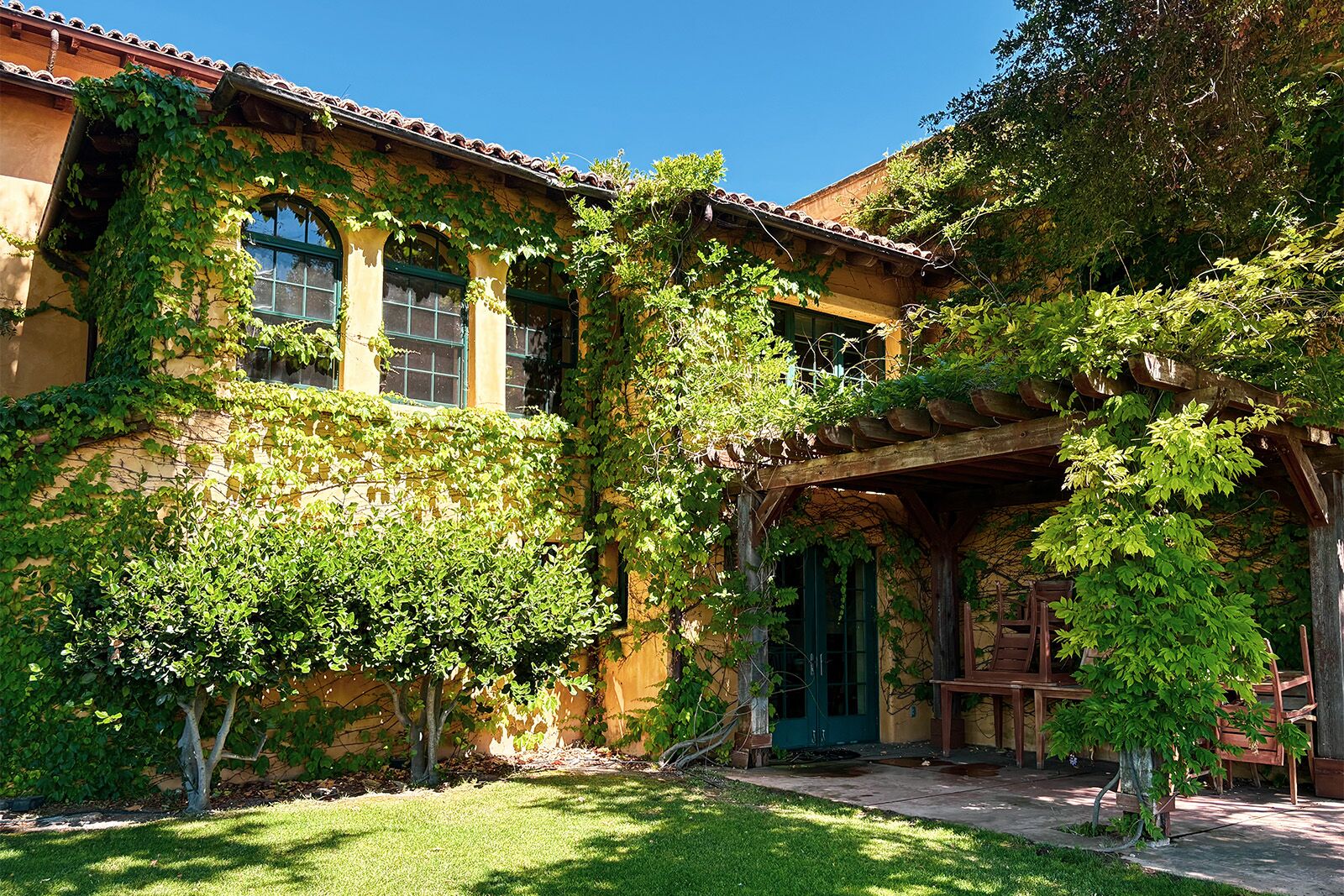
Nearby, Presqu’ile Winery showcases the future of the industry through its Sustainability in Practice (SIP)-certified viticulture. They eschew herbicides in favor of biodiversity, planting nitrogen-fixing cover crops and maintaining bird habitats to control pests. Their Wine + Food Experience, held on a terrace overlooking the valley, pairs garden-driven mezze with five distinct, high-altitude wines.
Finally, drift into the frontier town of Los Alamos. Here, the pace slows down. At Clementine Carter Wines, you will find a focus on Rhone varieties, specifically the GSM (Grenache, Syrah, Mourvèdre) blends. Before departing, a visit to Bodega Los Alamos for a glass of local cider or a natural wine under the sprawling oak trees is essential. Conclude your trip with a meal at the Michelin-starred Bell’s Restaurant, where Chef Daisy Ryan’s French-inspired, Central Coast-grounded cuisine provides a fitting finale to a weekend of discovery.
Supporting Data: The Science of Sustainability
The Santa Barbara wine community is currently leading a transition toward more environmentally resilient farming. Data from local viticultural associations suggest that over 70% of the county’s vineyard acreage is currently farmed under sustainable, organic, or biodynamic protocols.
The reliance on the "marine layer"—the thick, low-lying coastal fog that rolls in each morning—is the region’s secret weapon. By moderating the heat, the fog prevents sugar spikes in the grapes, preserving natural tartaric acid. This is why Santa Barbara Chardonnays often possess a "clean and precise" character, reminiscent of Old World wines, rather than the heavily oaked profiles common in warmer inland regions.
Official Responses: The Philosophy of the Winemaker
When speaking with local producers, a common theme emerges: the rejection of "formulaic winemaking."
"We aren’t trying to replicate a specific style from France or Italy," one winemaker noted during my visit. "We are trying to translate the soil and the wind into a bottle." This philosophy is what allows for the diversity I witnessed—from the high-acidity sparkling wines like Piquette and Pet-Nat at the Hitching Post to the structured, complex Syrahs of the inland canyons. The lack of rigid regional mandates (like those found in France’s AOP system) allows Santa Barbara winemakers to plant varietals that are best suited for their specific micro-plots, leading to an incredibly high success rate for "non-traditional" grapes like Albariño.
Implications: A Region to Watch
The implications of this "Wild West" approach are significant for the global wine market. As climate change continues to shift traditional wine-growing zones, regions like Santa Barbara, which benefit from natural, ocean-driven cooling, are becoming increasingly vital.
The region’s focus on direct-to-consumer sales, sustainable farming, and culinary integration positions it not just as a vacation destination, but as a blueprint for the future of viticulture. For the traveler, this means a trip that is intimate and authentic. You aren’t just tasting a wine; you are engaging with a family, a landscape, and an ongoing experiment in how to produce the best possible liquid while respecting the earth that gives it life. Whether you are a seasoned sommelier or a casual enthusiast, Santa Barbara Wine Country offers a profound reminder: the most exciting things in wine are happening where the rules are still being written.
 Nana Wu
  Jia Lissa
  Evan Lee Salim