
 By Jia Lissa
In the fast-paced landscape of modern enterprise, a troubling paradox has emerged. While digital tools have never been more advanced or communication theoretically instantaneous, marketing departments are increasingly fractured. If a company’s paid acquisition team has never spoken to its organic social media curators, or if customer support is hoarding a goldmine of audience feedback that never reaches the content team, a systemic organizational pathology is at play: the marketing silo.
As specialization has intensified, marketing units have morphed into isolated micro-worlds. According to industry strategists, these invisible walls are no longer just an operational annoyance—they are a critical drain on corporate budgets, an impediment to cohesive brand storytelling, and a barrier to sustainable growth.

Main Facts: The Anatomy of Marketing Silos
Marketing silos are rigid, self-contained operational barriers that prevent the seamless flow of information, strategy, and creative insights across different divisions of a single enterprise. While sometimes engineered purposefully to manage distinct skill sets, they frequently emerge organically as businesses scale, departments adopt disparate software stacks, and teams drift into isolated operational rhythms.
The fallout of this fragmentation touches every facet of corporate output. Industry experts categorize these silos into distinct operational zones:

- Paid Media vs. Organic Content: Paid campaigns are frequently mapped out in total isolation from brand, SEO, or social content initiatives, resulting in competitive internal bidding, contradictory messaging, and wasted creative insights trapped inside ad management dashboards.
- Disconnected Social Calendars: Organic social teams often operate on independent content schedules with little to no visibility into broader corporate launches or seasonal pushes.
- Siloed Content Verticals: Blog, email, and social squads plan separate editorial calendars, leading to redundant topic generation while major strategic opportunities slip through the cracks.
- Isolated Customer Support: Support teams handle frontline consumer pain points, complaints, and frequently asked questions daily, yet this vital language rarely informs top-of-funnel marketing copy.
- Fragmented Data Ecosystems: When different departments measure success using proprietary dashboards and disparate platforms, organizations lose a unified view of the customer journey, often devolving into internal turf wars over whose performance metrics are "correct."
Chronology and Evolution: From Specialization to Isolation
The genesis of the modern marketing silo can be traced back to the digital revolution of the early 2000s. As the internet matured, marketing ceased to be a monolithic discipline dominated by traditional print, television, and radio advertising.
- The Era of Generalists (Pre-2010s): Historically, marketing teams were smaller, centralized units where a handful of professionals oversaw broad campaigns. Communication bottlenecks were minimal simply because teams sat together and managed fewer channels.
- The Rise of Hyper-Specialization (2010–2020): As platforms multiplied—ushering in programmatic advertising, search engine optimization, influencer marketing, and complex social media ecosystems—companies responded by hiring hyper-specialists. Agencies and internal teams fragmented to master specific algorithms, ad managers, and analytics suites.
- The Breaking Point (2020–Present): While specialization was necessary to navigate platform complexity, it crossed the line into isolation. Today, remote and hybrid work environments have exacerbated the divide. Without physical proximity to act as an organic bridge, teams default to working within their own digital silos, utilizing disconnected project management tools that actively impede cross-functional synergy.
Supporting Data and Expert Insights: The High Price of Disconnection
The consequences of operating in silos are tangible, measurable, and costly. Industry leaders emphasize that the true damage lies not just in duplicate labor, but in the staggering opportunity cost of uncoordinated execution.
"As a CMO, the biggest problem I see when teams operate in silos is the opportunity cost," notes Andrea Linehan, Chief Marketing Officer at Supermetrics. "The real magic in marketing comes from orchestrating motions so they compound each other. Teams that operate in chorus can produce incredible results that no single marketing team could pull off alone."
Linehan points out a harsh reality of modern consumer behavior: "Customers don’t experience our org chart, but they do trip over the cracks and gaps it creates in their experience, and that’s an inevitable byproduct of marketing silos."

Data and strategic analyses highlight five primary areas of corporate damage caused by these internal walls:
- Lost Opportunities: When brilliant creative insights or audience trends remain trapped in paid ad accounts or social listening streams, the broader organization fails to capitalize on momentum.
- Inconsistent Messaging: A customer might encounter an ad focusing heavily on affordability while simultaneously visiting a corporate website touting premium luxury, leaving them fundamentally confused about the brand’s core value proposition.
- Duplicate Work: Independent teams frequently research the exact same buyer personas or commission overlapping market research, burning through dual budgets to solve identical problems.
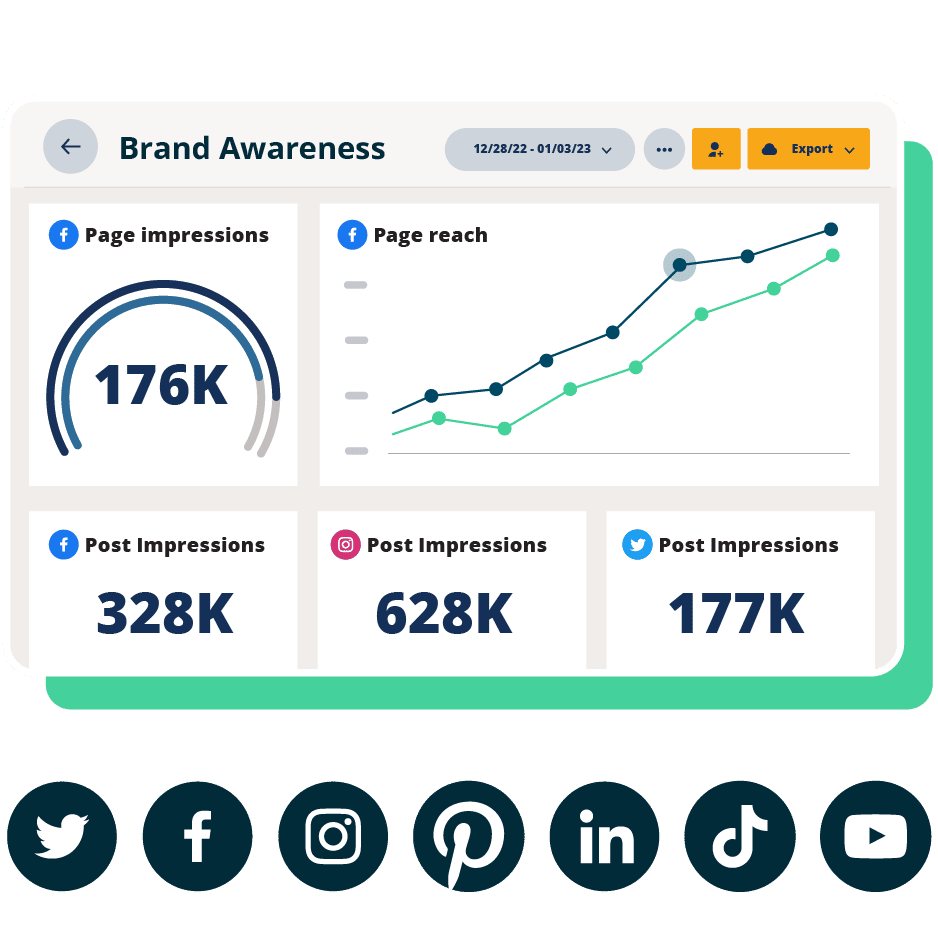
- Contradictory Metrics: When the paid media dashboard reports 30,000 weekly web sessions and the analytics team reports 26,000, teams spend critical hours debating data validity rather than optimizing performance.
- A Bumpy Customer Experience: Disjointed automated nurture sequences often follow technical educational articles, failing to align with the reader’s actual stage in the buyer’s journey.
Official Responses and Strategic Solutions: Bridges vs. Wrecking Balls
Corporate leadership faces a nuanced choice when addressing these fractures: should they completely dismantle organizational boundaries, or simply build better bridges?

Christina Minshull, CEO of The Brand Audit, cautions against a one-size-fits-all demolition. "Some separation is necessary for highly specialized teams," Minshull explains. "Social is one example. The work depends on a deep understanding of platform algorithms, cultural timing, creator ecosystems, and more."
However, specialization must not equate to isolation. "Leading teams across various industries, I’ve seen how specialist teams need the autonomy to do their jobs properly. But they cannot operate as separate mini-businesses. There needs to be a connective center of gravity."
To establish this "connective center of gravity" without stifling specialized talent, marketing executives are implementing a seven-step framework:
- Unify Goals and Metrics: Anchor every team to a single overarching business objective. If paid acquisition chases conversions while social pursues vanity engagement, the enterprise loses collectively.
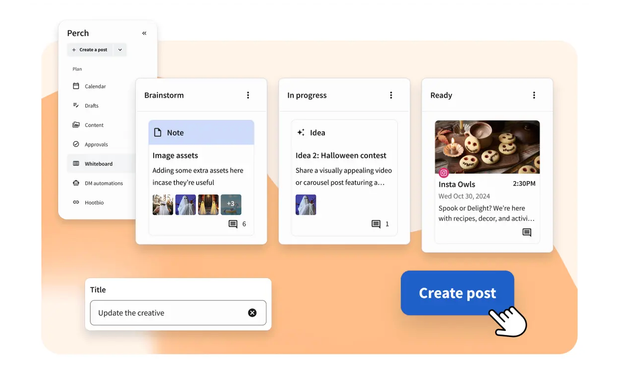
- Deploy a Shared Master Calendar: Eliminate blind spots by providing every department—from PR and product marketing to paid media and social—with a unified view of all active campaigns, product drops, and corporate announcements. Modern collaborative software solutions, such as Hootsuite’s Perch, are increasingly utilized to offer a single source of truth for scheduling and multi-channel planning.
- Establish "Bridge" Roles: Appoint cross-functional project leads with explicit accountability for tracking handoffs, spotting gaps, and ensuring that teams do not operate on stale data.
- Streamline Approval Workflows: Move feedback out of fragmented channels like isolated Slack threads, emails, and unlinked Google Docs. Centralized review mechanisms ensure that compliance, legal, and brand teams review content within the same workspace where it is created.
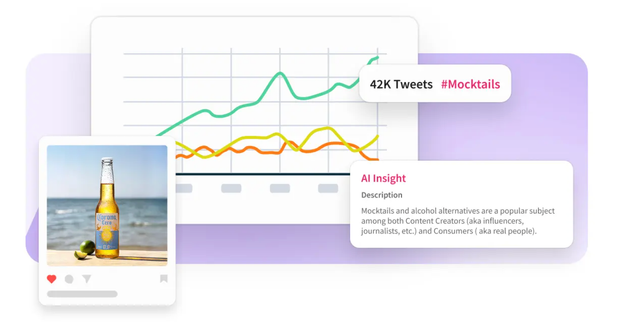
- Democratize Social Intelligence: Social teams sit on real-time feedback loops monitoring millions of conversations. Utilizing listening platforms—such as Hootsuite’s Lumen—allows consumer sentiment, emerging crises, and recurring product complaints to immediately travel from social dashboards to product development and executive leadership rooms.
- Curate Intentional Touchpoints: Avoid unnecessary status-update meetings. Instead, convene cross-functional teams strictly at high-value milestones: campaign kickoffs, major product launches, and post-mortem debriefs.
- Build Formalized Feedback Loops: Ensure that lessons learned from a failed campaign or a viral success are systematically documented and shared, preventing teams from paying to learn the same lesson twice.
Implications for the Future of Enterprise Marketing
As artificial intelligence, predictive analytics, and real-time social listening redefine the marketing landscape, the tolerance for organizational inefficiency is shrinking. Companies that maintain rigid, feudal departmental structures will find themselves outpaced by agile, synchronized competitors capable of adapting to consumer trends in real time.
Breaking down silos does not mean stripping teams of their unique expertise. Rather, it requires shifting corporate culture from a collection of isolated fiefdoms into an orchestrated symphony. By implementing unified operational platforms, aligning core key performance indicators, and ensuring that audience insights flow freely across departments, organizations can finally transform internal friction into a powerful competitive advantage.
 Azzam Bilal Chamdy
  Basiran
  Nana Muazin